Pin It

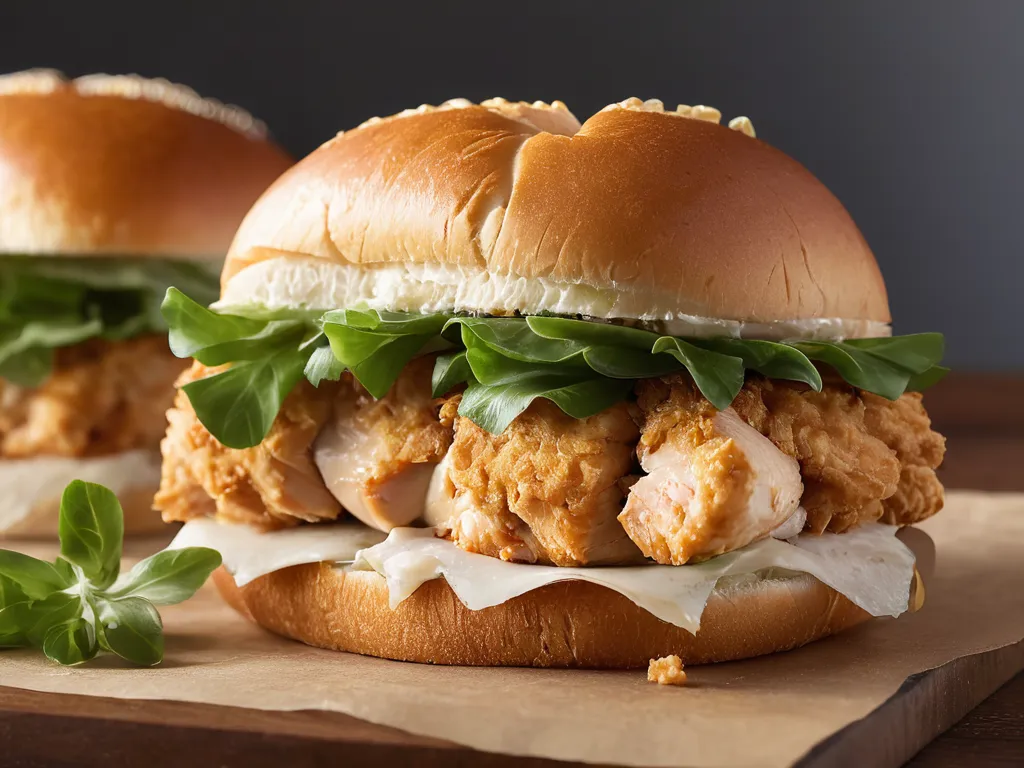
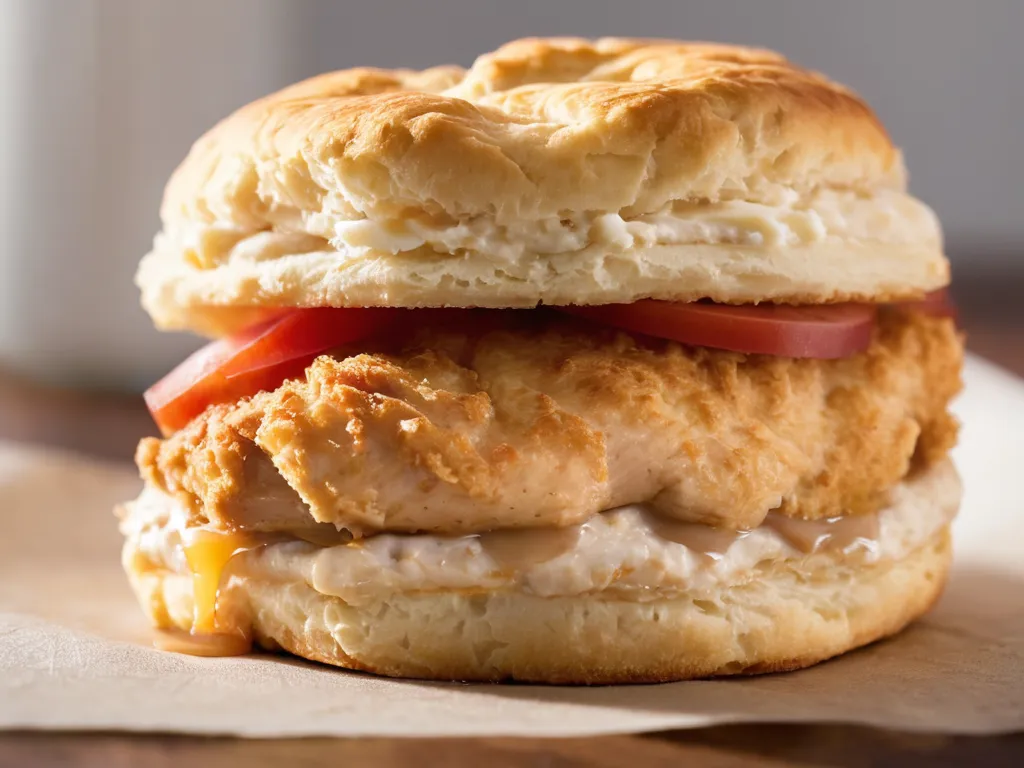
Copycat Chick-fil-A Chicken Sandwich Recipe

Copycat Chick-fil-A Chicken Sandwich Recipe
Jump to Recipe
Prep 15 min Cook 15 min Serves 4
Quick answer: The Chick-fil-A Original Chicken Sandwich is a pickle-juice-brined, peanut-oil-fried chicken breast on a buttered toasted bun with two dill pickle chips. The official restaurant version is 420 calories / 1,460mg sodium. The brine is the non-negotiable technique — at least 1 hour, up to 4 hours (longer turns the texture mushy). Serves 4 in about 30 minutes active time, plus brining.
Copycat Chick-fil-A Chicken Sandwich Recipe

Copycat Chick-fil-A Chicken Sandwich Recipe

Copycat Chick-fil-A chicken sandwich at home — the pickle-juice brine, powdered-sugar dredge, and peanut-oil fry that nail the original. Includes Spicy, Deluxe, and Grilled variations.

Medium Prep: 15 min Cook: 15 min Total: 30 min4 servings ~$4.50/serving
Prep15 min
Cook15 min
Total30 min
Servings
4
At home~$4.50/serving
vs
Restaurant~$20.25/serving
You save ~78%

Ingredients

Instructions

💡
Pro tip: This recipe tastes even better the next day. The flavors need time to meld together in the fridge.
❄️
Storage: Keeps in an airtight container in the fridge for up to 2 weeks. Freezer-friendly for up to 3 months.
~350-550 cal/serving · Rich & Indulgent🔥

The Story Behind the Recipe

Chick-fil-A Original Chicken Sandwich

Prep time: 15 minutes (plus 1–4 hours brining) Cook time: 15 minutes Servings: 4 sandwiches

The thing that separates a Chick-fil-A sandwich from every other fast food chicken sandwich is the pickle juice brine. That’s not a rumor — it’s the actual technique. The pickle juice tenderizes the chicken and gives it that distinct tangy flavor underneath the breading. The recipe has been essentially unchanged since founder S. Truett Cathy first served it in 1964 at his Hapeville, Georgia restaurant.

Chick-fil-A cooks in Henny Penny commercial pressure fryers — the PFE-500 and 600 series — which raise the internal cooking temperature well above 212°F, sealing in moisture and cooking in about 4 minutes total. At home, a well-heated cast iron skillet at 350°F gets you to a near-identical result. The gap is real but smaller than most people expect, and the brine technique is what matters most.

Why It Works

The brine does the actual work. Pickle juice is water, vinegar (acetic acid), salt, and dill. When chicken sits in it, the salt draws moisture out via osmosis, then pulls it back in along with the brine’s flavor compounds — the same mechanism as any salt brine, just acidic. The vinegar slightly unravels surface proteins, creating more texture for the breading to grip. The result is chicken that tastes seasoned all the way through, not just on the surface.

Powdered sugar in the breading is not decoration. The two tablespoons of powdered sugar feed the browning reactions that give the crust its deep golden color. Sugar is a reactant in the Maillard reaction (combining with proteins in the egg wash and flour) and also caramelizes on its own at frying temperatures — so the coating colors faster and more evenly without pushing the oil hotter and overcooking the interior. It also adds the barely-perceptible sweetness that distinguishes Chick-fil-A’s coating from plain fried chicken breading.

Double-dredge builds the craggy texture. One coat of flour gives you a thin, uniform shell. Two coats — with an egg wash in between — create an irregular, layered surface with peaks and valleys. Those peaks fry up crunchier and stay crunchier longer because they have less surface contact with the bun and less steam exposure.

Oil temperature management is the whole ballgame. Cold or overcrowded oil produces greasy, limp chicken because the breading absorbs oil before it can set. At 350°F, the moisture in the coating flashes to steam instantly and pushes the oil out — that’s how you get dry, crunchy breading. Drop below 325°F and that steam-pressure mechanism breaks down. Heat your oil to 360°F so the temperature settles to around 350°F once the chicken goes in, and keep a thermometer in the pan the entire time.

Variations

Spicy Chicken Sandwich

Chick-fil-A’s Spicy Sandwich uses a separate hot pepper coating — not just the original brine with cayenne thrown in. For the home version, add to the flour dredge: 1 teaspoon cayenne pepper, 1/2 teaspoon chipotle powder, and 1/2 teaspoon red pepper flakes. The heat stays in the coating rather than the meat, which is the correct result. The official Spicy Sandwich is 450 calories with 1,730mg sodium; homemade with this spice addition runs similar.

Chick-fil-A Deluxe Sandwich

Same as the original, but add after assembly: one leaf of green leaf lettuce, two tomato slices, and one slice of American cheese (Colby Jack or Pepper Jack also work). That’s the complete Chick-fil-A Deluxe formula — no other modifications. It’s 490 calories at the restaurant vs the Original’s 420 calories.

Grilled Chicken Sandwich

Skip the breading entirely. After brining 1 hour (the brine is still the flavor foundation), pat the chicken dry, brush with a little oil, and season with 1/2 teaspoon garlic salt and 1/4 teaspoon paprika. Grill over medium-high heat on a preheated grill pan or outdoor grill, 5-6 minutes per side until 165°F internal. The official Grilled Chicken Sandwich at Chick-fil-A is 390 calories / 765mg sodium / 28g protein — significantly lighter than the fried version. Add lettuce, tomato, and honey roasted barbecue sauce for the full Grilled Deluxe.

Chick-fil-A Club Sandwich

Start with the Deluxe (fried or grilled chicken, lettuce, tomato, American cheese) and add two slices of bacon and sliced Colby Jack. This isn’t currently on the official Chick-fil-A menu but has been offered regionally. It’s a natural upgrade and takes 2 minutes of extra assembly.

Fast Food Chicken Sandwich Comparison
SandwichChickenCaloriesSodiumSignature Detail
Chick-fil-A OriginalBreast, pickle-brined, peanut oil4201,460mgPressure-fried, powdered sugar dredge
Popeyes ClassicBreast, buttermilk-brined, beef tallow6901,440mgDouble-battered, thicker coating
KFC CrispyBreast, proprietary blend5101,110mg11 herbs and spices coating
McDonald’s McChickenBreast patty, vegetable oil400640mgThinner patty, mayo-dressed
Wendy’s ClassicBreast, crinkled coating390810mgNatural-cut, no brine

Chick-fil-A’s sandwich has less sodium than Popeyes despite the brine, owing to the single-bun simplicity (no extra sauce or mayo). The Popeyes sandwich is notably larger and uses beef tallow — which is why the flavors are so different even though both use a similar brine concept.

Troubleshooting
ProblemLikely CauseFix
Pale, soft coatingOil not hot enough before adding chickenHeat to 360°F; use thermometer, not a visual check
Breading falls offChicken too wet after briningPat extremely dry with paper towels; press flour firmly
Greasy coatingOvercrowded pan dropped temp below 325°FTwo pieces max in a 12-inch skillet; let oil recover between batches
Dry, tough interiorOvercooked or chicken pounded too thinPull at 160°F internal (carryover heat finishes to 165°F); don’t pound below 1/2 inch
Coating burnt on outside, raw insideOil too hot, chicken too thickKeep at 350°F; pound evenly; use thermometer on chicken, not just oil
No Chick-fil-A flavorMissing the powdered sugar or celery saltBoth are required; celery salt is not the same as plain salt
Mushy textureBrined too long4 hours maximum; overnight brine destroys the texture
Tips for Getting It Right
  • Pound the chicken evenly. This is the single biggest factor for consistent results. Thick spots cook slower than thin spots, and you end up with dry edges and raw centers.
  • Powdered sugar in the breading is not optional. It helps with browning and adds the subtle sweetness that makes the Chick-fil-A breading distinctive.
  • Peanut oil matters. Chick-fil-A uses 100% refined peanut oil — it has a higher smoke point (450°F) and a cleaner flavor than canola or vegetable oil. If you have a peanut allergy, refined coconut oil is the closest substitute.
  • Maintain 350°F. The oil temp drops when you add the chicken. Start at 360°F so it settles around 350°F once the chicken goes in. Adjust heat as needed between batches.
  • Don’t crowd the pan. Two pieces at a time in a 12-inch skillet. More than that drops the temperature too much and produces greasy chicken.
Make-Ahead Guide

Brine the chicken the night before. Up to 4 hours in the fridge is the window, so an overnight brine works perfectly if you start around 11 PM for a noon lunch. Longer than 4 hours risks a mushy texture.

Dredge ahead and freeze uncooked. Bread the chicken after brining, then freeze the dredged pieces on a sheet pan until solid (about 1 hour). Transfer to a freezer bag. Fry from frozen at 350°F for 6–7 minutes per side — the frozen interior protects against overcooking while the coating finishes. This gives you Chick-fil-A sandwiches any weeknight in 15 minutes.

Cooked chicken: Best within 30 minutes. See storage section below for reheating.

Cost Breakdown
ItemRestaurant (Chick-fil-A)Homemade
Original chicken sandwich~$6.99~$2.10 per sandwich
4 sandwiches~$27.96~$8.40 total
Savings~$19.56

Homemade cost includes chicken breasts at $3.99/lb, a jar of pickles, peanut oil (strain and reuse 2-3 times), and potato buns. The flour, spices, and sugar are cents per batch. Making four sandwiches at once is where the savings really add up.

Nutrition comparison: The official Chick-fil-A Original Chicken Sandwich is 420 calories / 1,460mg sodium per the restaurant’s published nutrition. This homemade version runs approximately 470 calories / 1,350mg sodium — slightly higher calories because of home-portion variation and oil absorbed during skillet frying vs. pressure frying, but lower sodium since you control the brine time.

Storage and Reheating

Fried chicken is always best within the first 30 minutes. After that, the coating starts losing its crunch as steam migrates from the meat into the breading.

Refrigerator (up to 3 days): Store the fried chicken on a wire rack inside a loosely covered container — not sealed tight, which traps steam. Never store on paper towels; they’ll make the coating soggy.

Reheating for best results: A 400°F oven or air fryer for 8–10 minutes beats a microwave every time. Place the chicken on a rack, not directly on a sheet pan — the elevated position lets hot air circulate underneath and re-crisps the bottom crust. A microwave softens the coating permanently because it heats with moisture.

Freezing cooked chicken: Freeze on a sheet pan until solid, then transfer to a freezer bag. Reheat straight from frozen at 375°F for 18–20 minutes. Do not thaw first — going from frozen to oven results in a crisper finish than thaw-then-reheat.

Complete the Chick-fil-A Meal
  • Chick-fil-A Waffle Fries — the essential side. Double-fried in peanut oil for the same crunch as the restaurant.
  • Chick-fil-A Sauce — the honey-mustard-BBQ hybrid that belongs on this sandwich. Takes 5 minutes to mix.
  • Chick-fil-A Nuggets — same pickle-brine technique, bite-sized.
  • Spicy Nuggets — the heat version of the nuggets, with the same pepper coating logic as the spicy sandwich.
  • Chick-fil-A Coleslaw — the old-school side that Chick-fil-A discontinued in 2016. The original recipe, revived.
  • Chick-fil-A Lemonade — fresh-squeezed, lemon-forward. Way better than canned lemonade.

Also worth comparing: the Popeyes Chicken Sandwich — buttermilk-brined, beef tallow fried, with a very different crunch profile. Both are genuinely excellent; they’re just doing different things.

See all Chick-fil-A copycat recipes →
Nutrition Facts

Per serving (4 servings)
Calories470
Total Fat21g
Total Carbs42g
Dietary Fiber2g
Sugars7g
Protein28g
Sodium1350mg

* Estimated values based on standard recipe preparation. Actual values may vary.

🥗

Make It Healthier

Love Chick-fil-A Chicken Sandwich Recipe but want a lighter version? Try these simple swaps:

  • Bake or air-fry the chicken at 400°F for 20-22 minutes instead of frying — you'll lose some crunch but keep the brine flavor.
  • Use a whole wheat bun to add fiber.
  • For the grilled version, skip the breading entirely: brine 1 hour, season with garlic salt and paprika, grill over medium-high 5-6 minutes per side.
  • Reduce sodium: the brine adds most of the salt. A 30-minute brine (vs 4 hours) delivers flavor with less sodium penetration.

Equipment You'll Need

Meat mallet or rolling pin

For pounding chicken breasts to an even 1/2-inch thickness

12-inch cast iron skillet

For frying chicken in about an inch of peanut oil

Instant-read thermometer

Essential for maintaining 360°F oil temp and checking 165°F internal chicken temp

Wire rack set over a sheet pan

For resting fried chicken without trapping steam

Two shallow bowls or dishes

For the flour dredge and egg wash breading station

Frequently Asked Questions

What is the secret to Chick-fil-A's crispy, craggy coating?

Two techniques work together: the double-dredge (flour → egg wash → flour again) creates a thick, multi-layered coating with irregular peaks that fry up crunchy. Powdered sugar in the breading (2 tablespoons per 1¼ cups flour) adds subtle sweetness and promotes faster, deeper browning through the Maillard reaction at fry temperature. Most copycat recipes that look pale or taste bland are skipping one of these two steps.

Why does this Chick-fil-A recipe use powdered sugar in the breading?

Powdered sugar in fried chicken coatings does two things: adds a very subtle sweetness that balances the savory salt and spices, and helps the coating brown more quickly and deeply because sugar fuels both the Maillard reaction and caramelization during frying. The original Chick-fil-A recipe is believed to use a sugar component for exactly this reason. Don't substitute granulated sugar — the powder blends more evenly into the flour.

How long should you brine chicken in pickle juice for best results?

Minimum 1 hour for noticeable difference; 4 hours is the sweet spot for maximum tenderness and flavor penetration. Do not go beyond 4-6 hours for a full chicken breast — the acid eventually starts breaking down the protein too aggressively, and the texture can become mushy and stringy rather than tender. For nugget-sized pieces, 1-2 hours is sufficient because smaller pieces brine faster.

Can I substitute vegetable oil for peanut oil in this recipe?

Yes. Peanut oil is preferable because of its high smoke point (450°F) and neutral flavor, but refined vegetable oil, canola oil, or corn oil all work well at 350°F frying temperature. Avoid olive oil (low smoke point, strong flavor) or unrefined oils. The flavor difference between peanut oil and neutral vegetable oil is minimal in the finished sandwich; the technique matters far more than the oil choice. If you have a peanut allergy, refined (not virgin) coconut oil is the closest substitute.

What is the history of the Chick-fil-A Original Chicken Sandwich?

The Original Chicken Sandwich was created by Chick-fil-A founder S. Truett Cathy at his Dwarf Grill (now the Dwarf House) in Hapeville, Georgia, which he opened with his brother Ben on May 23, 1946. Cathy developed the pressure-fried, pickle-brined recipe by 1964 using a boneless chicken breast — a cut largely overlooked by fast food at the time. The first Chick-fil-A restaurant (the name and mall concept) opened November 24, 1967, at Greenbriar Mall in Atlanta, with the sandwich as its centerpiece.

What is the difference between Chick-fil-A Original and Deluxe?

The Deluxe adds green leaf lettuce, two tomato slices, and one slice of American cheese to the Original — same pickle-brined chicken breast, same bun, same two pickle chips. You can substitute Colby Jack or Pepper Jack at no extra charge. The Deluxe is 490 calories vs the Original's 420 calories. For the copycat, just add the toppings after frying.

Does Chick-fil-A use chicken breast or thigh?

Breast. Chick-fil-A explicitly describes the Original Chicken Sandwich as a 'boneless breast of chicken' in its ingredient disclosures. It arrives at restaurants frozen and pre-seasoned. The breast is what gives the sandwich its distinctive thick, solid texture — thighs are fattier and more forgiving but produce a different result. The pickle-juice brine compensates for the breast's lower fat content by tenderizing the protein directly.

Love this recipe? Share it!

Shop the tools

The right tools make all the difference. We earn a small commission if you buy through these links — at no extra cost to you.

Free PDF: our 12 most-wanted copycat recipes — instant download.

Ratings & Reviews

No ratings yet

Rate this recipe

Click a star to rate

Leave a Review

0/500

CS

Copycat Spices Test Kitchen

Every recipe on Copycat Spices is developed and tested in our home test kitchen. We reverse-engineer beloved restaurant dishes and refine each one until the flavors and the instructions work reliably for home cooks of all skill levels.

Learn more about our mission →