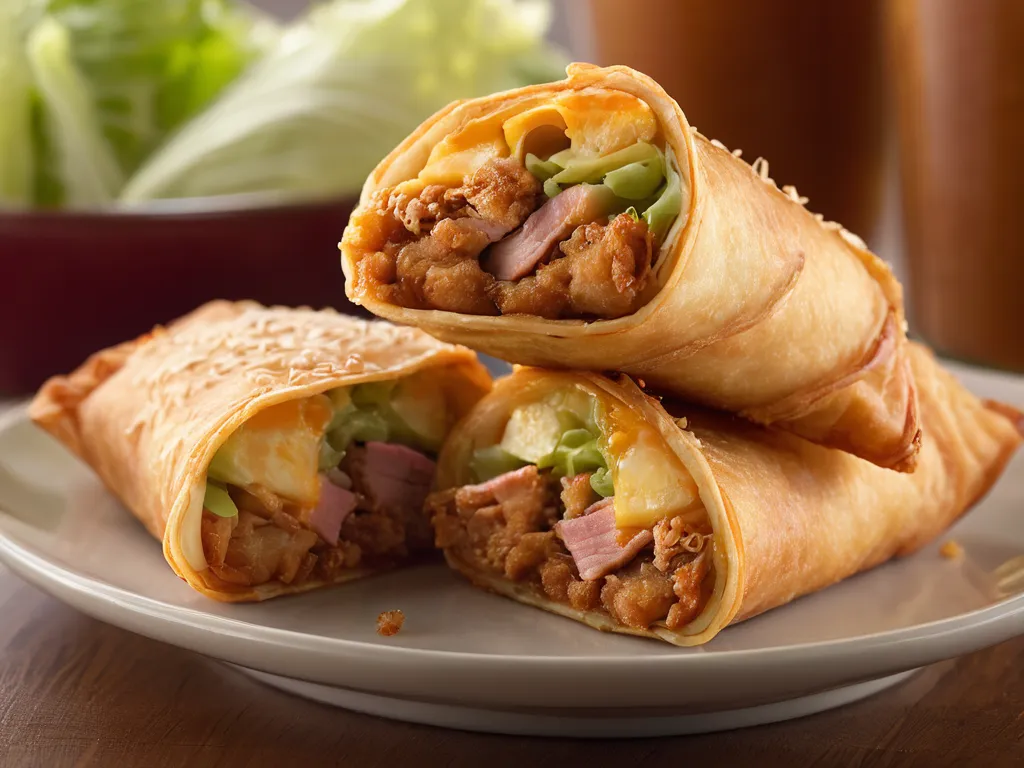
Copycat Jack in the Box Egg Rolls
Prep time: 25 min Cook time: 15 min Servings: 4
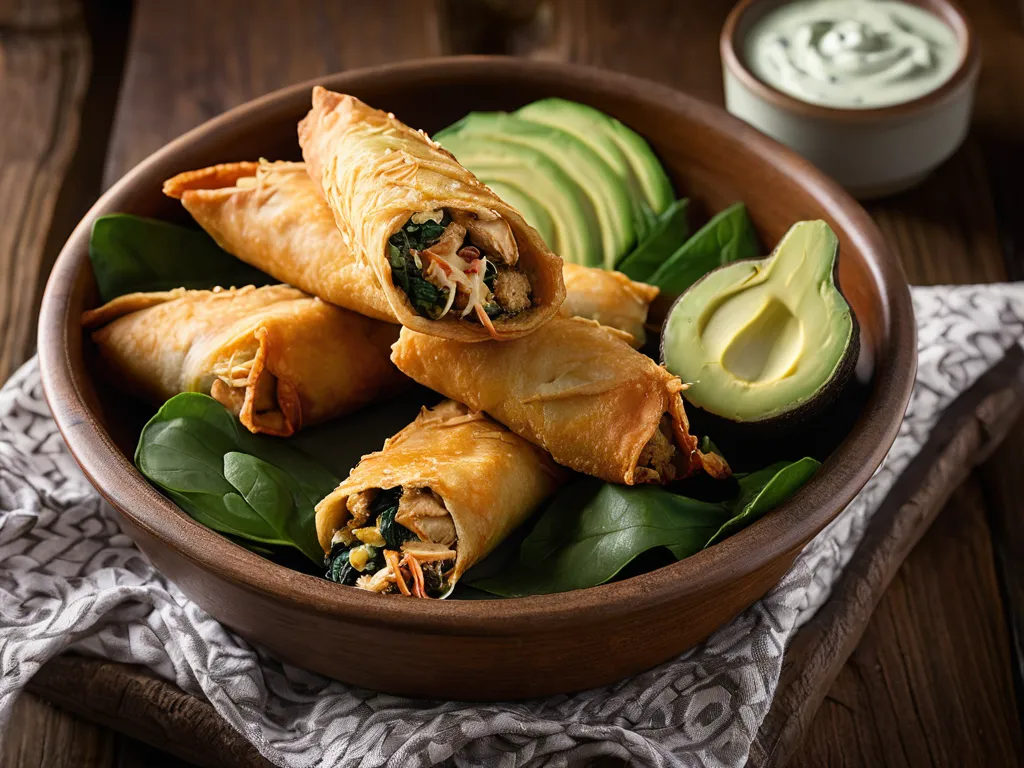
Jack in the Box egg rolls have no business being as good as they are. They are sold at a burger joint, they sit under a heat lamp, and they cost a couple of dollars. Yet they have developed a genuine following. The wrapper fries up blistered and shattering-crispy. The filling is a savory mix of seasoned pork, cabbage, and glass noodles that delivers more flavor than you expect from a fast food side item. Dipped in sweet and sour sauce, they are dangerously snackable.
This homemade version uses fresh ingredients and a simple wrapping technique to produce egg rolls that match the original in flavor and significantly surpass it in texture. When yours come out of the oil, the wrapper is so crispy it crackles when you pick it up. The filling is moist, well-seasoned, and packed with more vegetables than the original. Twelve egg rolls for the price of three at the drive-through.
Why Make It at Home?
Jack in the Box sells egg rolls for about $2.39 for two, or roughly $1.20 each. A family order of 8-12 egg rolls runs $9.56 to $14.34. This recipe makes 12 egg rolls for approximately $9 total, or about $0.75 each. The savings are real, but the quality difference is where the value multiplies. Fresh-fried egg rolls with a wrapper that just came out of the oil cannot be compared to something that has been sitting in a warming tray.
The filling ratio also improves at home. Commercial egg rolls often have a thick wrapper-to-filling ratio that is heavy on dough and light on the good stuff. When you wrap your own, you load each roll with a full 3 tablespoons of filling, creating a meatier, more satisfying egg roll.
What Makes Jack in the Box’s Egg Rolls So Good
The glass noodles are the detail that most copycat recipes miss. Jack in the Box includes bean thread vermicelli in their filling, which absorbs the pork juices and soy sauce during cooking and adds a slippery, chewy texture that contrasts with the crispy wrapper and soft cabbage. Without the glass noodles, the filling tastes flat and one-dimensional. With them, every bite has something interesting happening texturally.
The seasoning profile leans more Asian than most fast food items. Sesame oil provides a nutty base. Ginger gives it warmth without heat. White pepper adds a sharper, more complex spiciness than black pepper. Soy sauce ties it together with salt and umami. These flavors work together to create a filling that tastes intentional rather than generic.
The wrapper itself contributes more than just a container. A properly fried egg roll wrapper develops blisters and bubbles across its surface, each one a pocket of extra crunch. The wrapper should be thin enough to shatter when you bite through it but sturdy enough to contain the filling without leaking. Getting the oil temperature right is the key. Too cool and the wrapper absorbs oil and turns greasy. Too hot and it browns before the inside heats through.
Tips & Variations
-
Cool the filling completely. Warm filling creates steam inside the wrapper, which weakens the dough and causes blowouts during frying. Ten minutes of cooling is the minimum. Spreading the filling on a sheet pan speeds this up.
-
Wrap tightly with no air pockets. Air trapped inside expands when it hits the oil and can burst the wrapper open. Roll firmly and press out any air bubbles as you go.
-
Fry seam-side down first. Placing the sealed edge against the hot oil immediately seals it shut, preventing the egg roll from unraveling during cooking.
-
Make them ahead and freeze. Assemble the egg rolls, place them on a parchment-lined baking sheet without touching, and freeze solid. Transfer to a freezer bag. Fry directly from frozen, adding 1-2 minutes to the cook time. No thawing needed.
-
Try a spicy dipping sauce. Mix sweet chili sauce with a teaspoon of sriracha and a squeeze of lime for a dipping sauce with more kick than the standard sweet and sour.
Storage & Reheating
Fried egg rolls keep in the fridge for up to 3 days. Reheat them in a 375°F oven for 8-10 minutes, turning once, until the wrapper re-crisps and the filling is hot throughout. An air fryer at 350°F for 5 minutes works even better, circulating hot air to restore crunch on all sides.
Frozen uncooked egg rolls are the best make-ahead strategy. They keep for up to 3 months in the freezer and fry from frozen without any loss of quality. This means you can wrap a large batch on a weekend, freeze them, and have restaurant-quality egg rolls ready in 5 minutes of frying on any given weeknight. It is one of the most freezer-friendly foods you can make.