Pin It

Copycat Panda Express Honey Walnut Shrimp

Copycat Panda Express Honey Walnut Shrimp
Jump to Recipe
Prep 20 min Cook 15 min Serves 4
Quick answer: Panda Express Honey Walnut Shrimp is crispy battered shrimp in a creamy mayo-condensed-milk sauce topped with glazed candied walnuts. Two techniques set the restaurant version apart: (1) an egg-white-only batter (no yolk) mixed with cornstarch creates a lighter, crispier coating than a whole-egg dredge — the yolk fat makes the coating gummy; (2) a wet-syrup walnut glaze (water and sugar boiled to a syrup, walnuts simmered 3 minutes, cooled on a rack) produces a smooth glassy shell, not the sandy crystallized coating you get from a dry-candy method. The sauce is simple and cold-mixed: ⅓ cup mayonnaise + 2½ tablespoons sweetened condensed milk + 2½ tablespoons honey + 1½ teaspoons lemon juice. The official Panda Express nutrition for a standard entrée serving is 430 calories, 28g fat, 32g carbs, 13g protein, and 700mg sodium. A two-entree plate with walnut shrimp runs approximately $10.45–$10.60 at most locations in 2026.

Copycat Panda Express Honey Walnut Shrimp

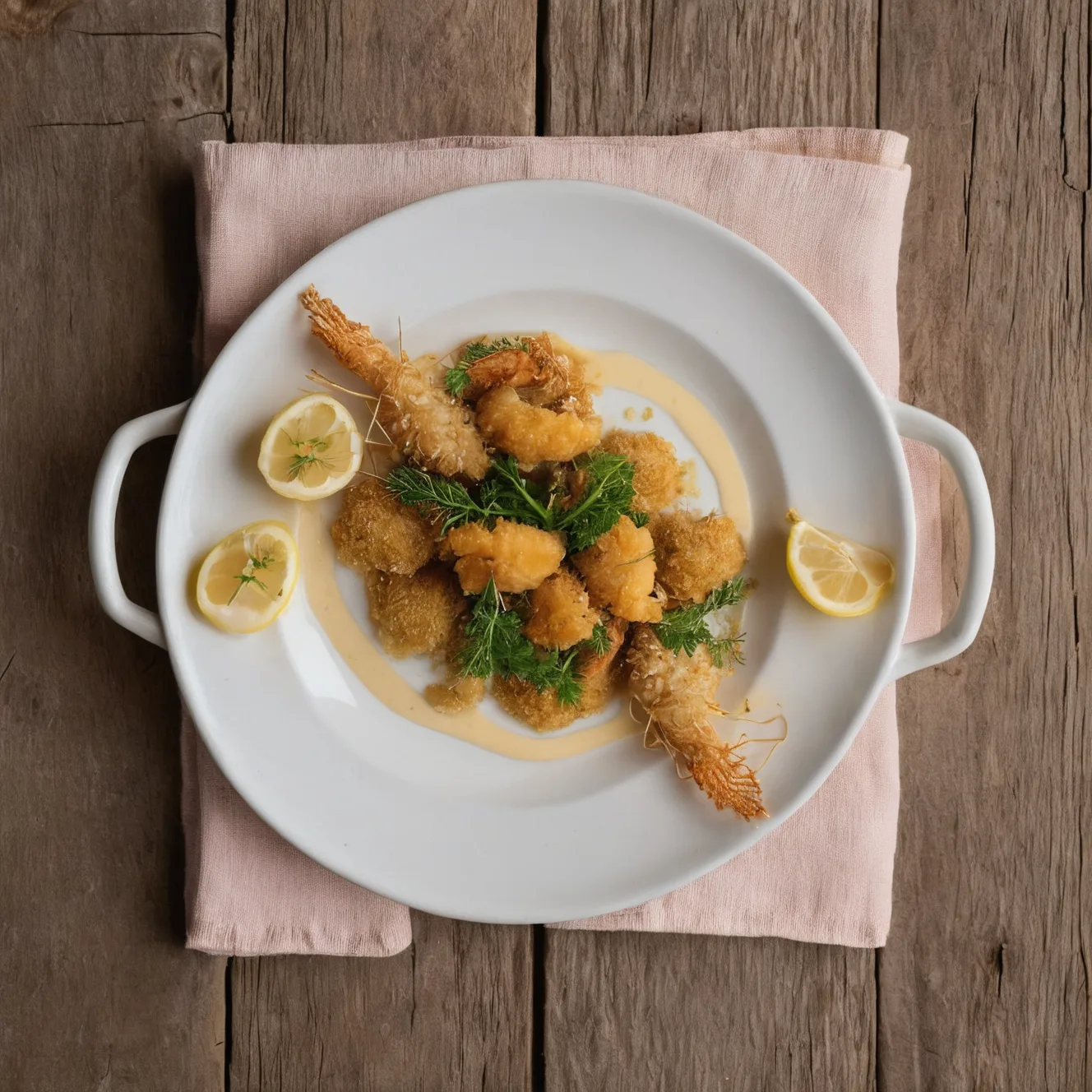
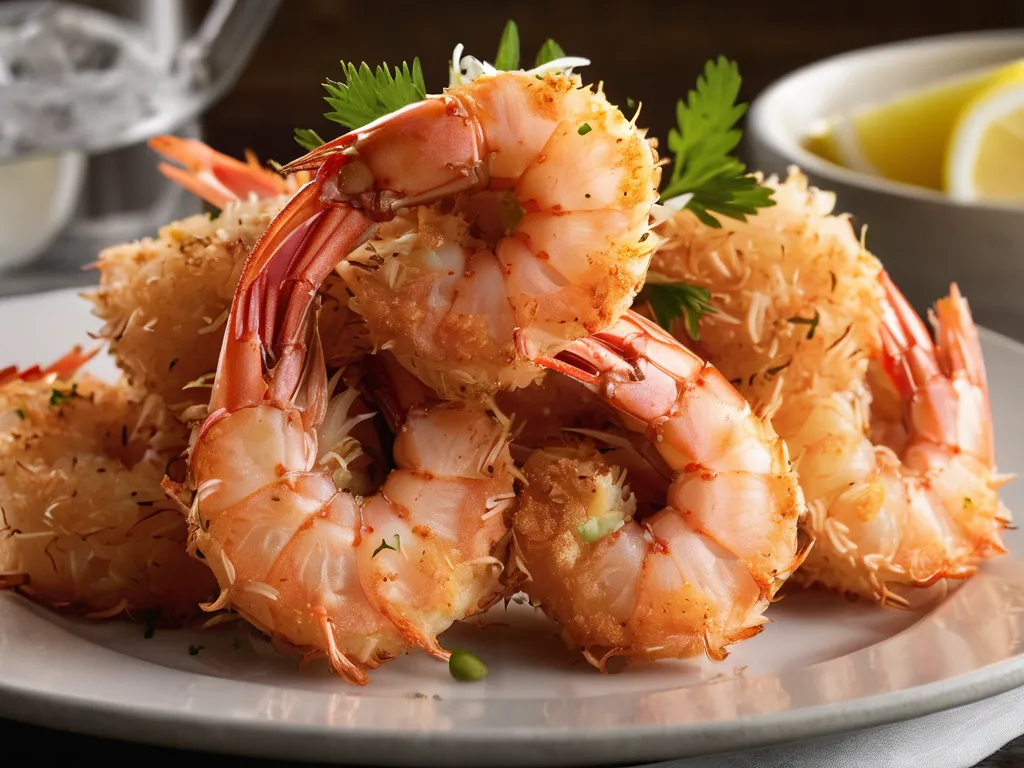
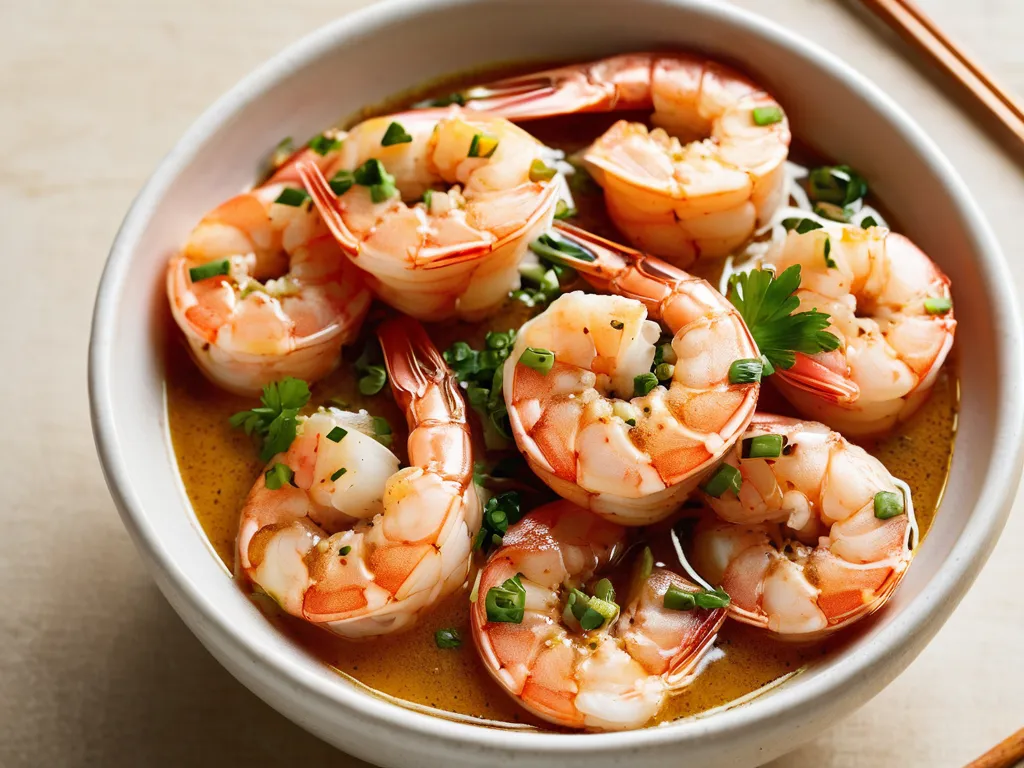
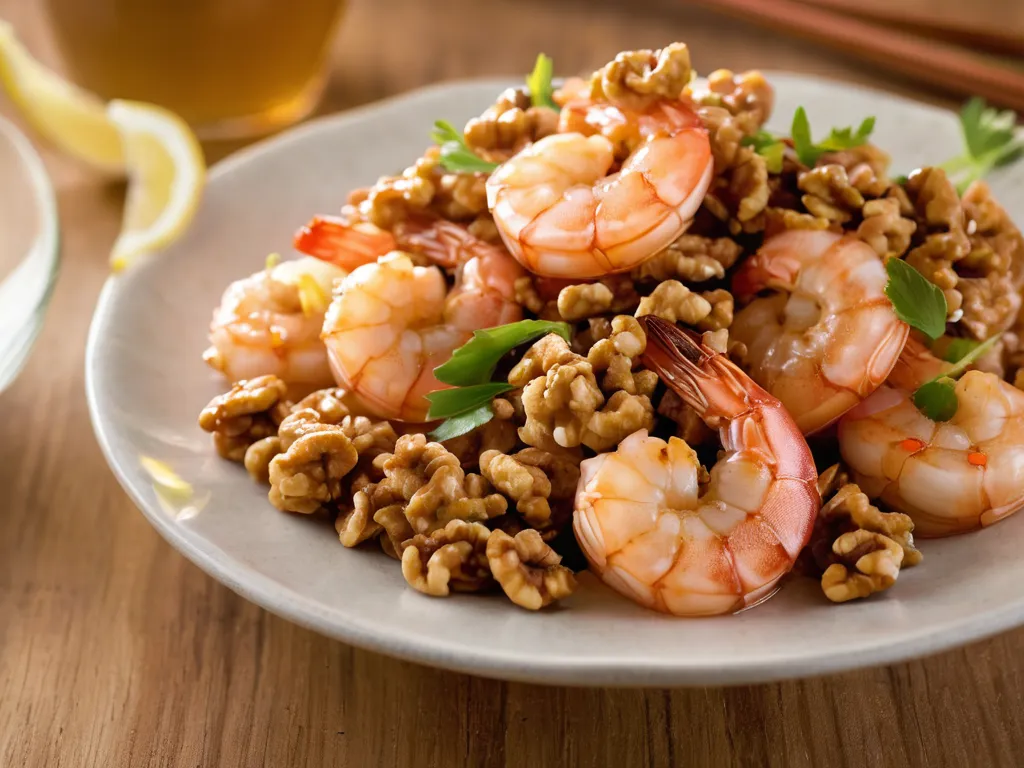
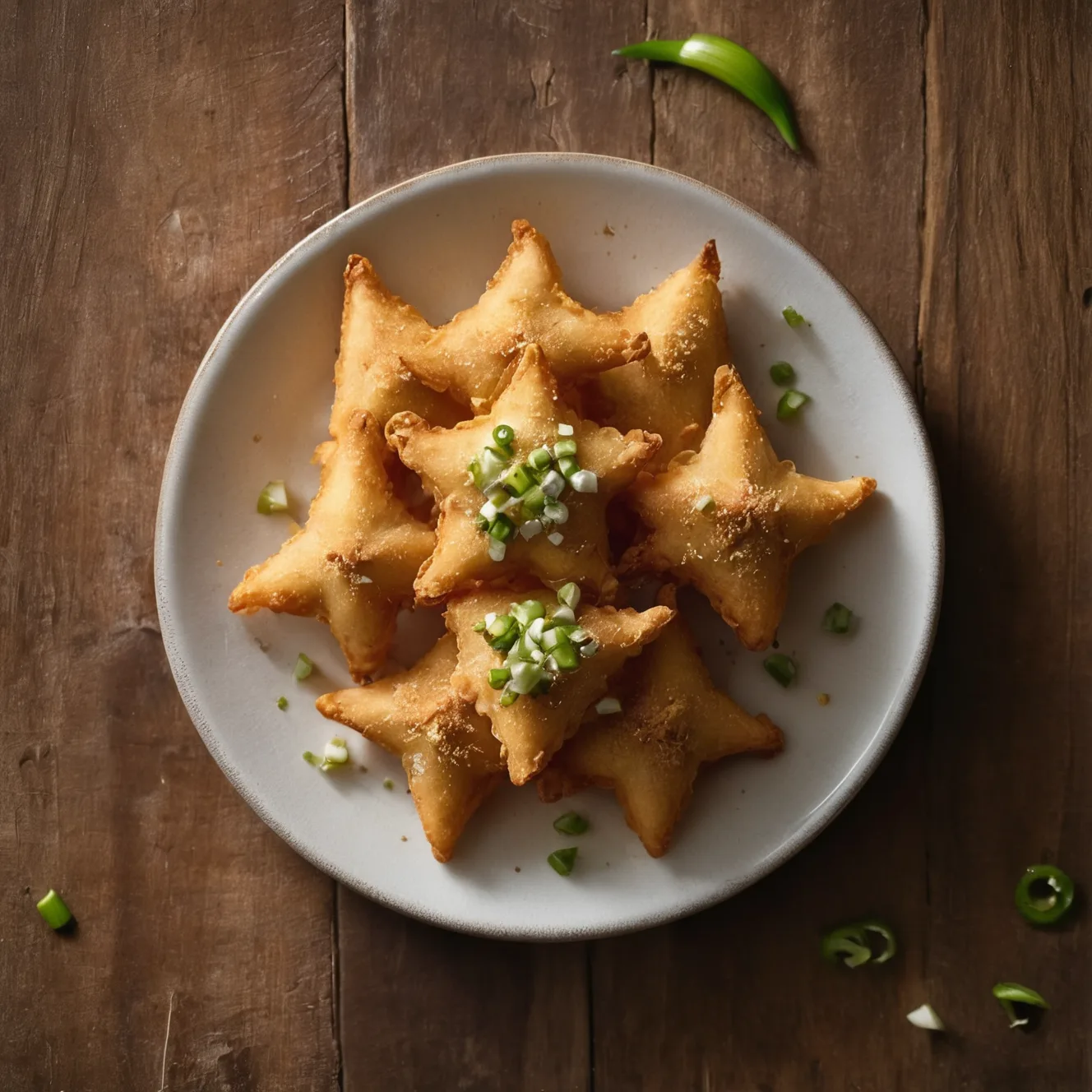
Copycat Panda Express Honey Walnut Shrimp — crispy egg-white-battered shrimp, wet-syrup candied walnuts, and a creamy mayo-condensed milk sauce. Understand the two techniques that separate a great copycat from a soggy one.

Medium Prep: 20 min Cook: 15 min Total: 35 min4 servings ~$4.50/serving
Prep20 min
Cook15 min
Total35 min
Servings
4
At home~$4.50/serving
vs
Restaurant~$20.25/serving
You save ~78%

Ingredients

Instructions

💡
Pro tip: This recipe tastes even better the next day. The flavors need time to meld together in the fridge.
❄️
Storage: Keeps in an airtight container in the fridge for up to 2 weeks. Freezer-friendly for up to 3 months.
~300-500 cal/serving

The Story Behind the Recipe

Copycat Panda Express Honey Walnut Shrimp

Prep time: 20 min Cook time: 15 min Servings: 4

Panda Express Honey Walnut Shrimp is the premium item on the menu — the one that costs an extra $1.25 and the one most people order anyway. The combination of crispy battered shrimp, creamy sweet sauce, and sugar-glazed walnuts is addictive in a way that most fast-casual dishes never achieve. It tastes rich without being heavy, and the contrast between the crunch of the coating and the soft, plump shrimp inside makes each bite satisfying.

Two techniques explain why most home copies fall short of the original: the batter is egg white only (not whole egg), and the walnuts are glazed with a wet syrup (not crystallized). Get both right and the result is noticeably better.

Why Most Copycat Versions Miss

The Egg White Batter

Most copycat recipes reach for a beaten egg, which is an entirely reasonable instinct. But the fat in the yolk makes the cornstarch batter gummy — not crispy. Panda’s shrimp has a light, shattering shell that stays dry even after the sauce goes on. That comes from egg white only, beaten until frothy (about 30 seconds with a fork — just lightly aerated, not stiff), mixed with cornstarch. The egg white acts as a binder without adding fat that softens the crust. Let the whites come to room temperature before you start; they foam more easily than cold whites.

The Walnut Glazing Method

The standard home approach is to melt sugar and crystallize it around the walnuts — or coat them in a dry slurry and cook off the water. That produces a sandy, sparkly white crust. Panda’s walnuts have a smooth, glassy shell. The technique is wet-syrup glazing: bring water and sugar to a boil, add the walnuts, simmer 3 minutes while the syrup saturates the nuts, then spread them on a rack. As the syrup dries, it sets into a thin glassy coating rather than a thick crust. Watch the clock at 3 minutes — the syrup can go from glaze to burnt quickly.

The Sauce

The sauce is cold-mixed and needs no cooking. The three components are mayonnaise (the creamy base), sweetened condensed milk (body and a distinctive dairy-sweet richness that regular milk or cream cannot replicate), and honey (floral sweetness and an adhesive quality that helps the sauce cling to hot shrimp). Lemon juice keeps the whole thing from tasting one-note sweet.

The ratio matters: too much mayo and the sauce tastes bland and heavy. The right balance is roughly ⅓ cup mayo to 2½ tablespoons each of condensed milk and honey. When you add the just-fried shrimp, the residual heat thins the sauce slightly — this is intentional. If you toss cold shrimp into cold sauce, the coating sits on top rather than wrapping around. Fry and toss immediately.

Why Make It at Home?

Honey Walnut Shrimp is Panda Express’s most expensive protein option. In 2026, a two-entree plate with walnut shrimp runs approximately $10.45–$10.60 at most U.S. locations — about $1.25 more than a standard plate. That is $10+ for a single serving. This recipe produces four generous servings for roughly $14–16 in grocery store ingredients, about $3.50–$4.00 a plate.

The shrimp-to-walnut ratio also improves dramatically at home. The restaurant portion gets a modest walnut sprinkle. The home version gives every serving a full quarter cup of glazed walnuts, which adds texture to every bite rather than a few bites.

The official Panda Express nutrition for a standard Honey Walnut Shrimp entrée is 430 calories, 28g fat, 32g carbs, 13g protein, and 700mg sodium per serving. The home recipe runs slightly higher — about 460 calories per serving — mainly because the walnut portion is more generous. The home version delivers more protein (22g versus 13g) because the shrimp portions are larger.

Tips & Variations
  • Dry the shrimp completely. Press with paper towels, two full passes per side. Any surface moisture prevents the egg-white batter from adhering — you end up with bare patches that turn rubbery in the oil rather than crisping.
  • Let the egg whites come to room temperature. Cold egg whites don’t foam well. Ten minutes on the counter is enough.
  • Fry in batches of 6–8. A crowded pot drops the oil temperature and produces greasy, soft shrimp. You want the shrimp to fry, not steam.
  • Toss in sauce immediately after frying. The heat from the shrimp thins the cold sauce just enough to coat evenly. If you let the shrimp cool first, the sauce pools on top rather than wrapping around.
  • Make it with chicken. Cut boneless thighs into bite-sized pieces, velvet briefly (toss with a little cornstarch and soy sauce), and follow the same egg-white batter and fry process. Cook time increases to 4–5 minutes per batch.
  • Toast instead of glaze the walnuts if you need to skip the syrup step. A dry skillet over medium heat for 3–4 minutes, stirring, gives you a warm, nutty flavor. You lose the glassy sweetness but save time.
Storage & Reheating

This dish is at its peak within 30 minutes of cooking. Once the sauce coats the shrimp, the coating begins to soften — that is the nature of the recipe. Store sauce, shrimp, and walnuts in separate containers in the refrigerator for up to 2 days.

To reheat: spread shrimp on a wire rack over a sheet pan and bake at 400°F for 6–8 minutes until the coating re-crisps. Then add the cold sauce and walnuts. Microwaving makes the coating rubbery and soggy — avoid it. The glazed walnuts keep well in an airtight container at room temperature for up to a week; make extra and scatter them on salads or oatmeal.

More Panda Express Copycat Recipes

Round out the Panda plate with these favorites:

  • Panda Express Orange Chicken — the chain’s all-time best-seller; shatteringly crispy chicken in a glossy orange-citrus glaze, a natural pairing with walnut shrimp on the same plate.
  • Panda Express Kung Pao Chicken — boldly spiced Sichuan stir-fry with dried chilies and roasted peanuts; the spicy contrast to this rich cream-sauce shrimp.
  • Panda Express Honey Sesame Chicken — crispy chicken in a sticky honey-soy glaze with toasted sesame; the sweet counterpart in the same meal as walnut shrimp.
  • Panda Express Broccoli Beef — tender sliced flank steak and crisp broccoli in a savory oyster-ginger sauce; the ideal vegetable-forward side to a shrimp main.
  • Panda Express Beijing Beef — crispy beef strips in a sweet, tangy, slightly spicy tomato-based sauce; Panda’s closest rival to orange chicken in terms of popularity and flavor profile.
  • Panda Express Chow Mein — wok-tossed wheat noodles with celery, cabbage, and onion in a savory sauce; the starchy base that works better than rice under a cream sauce like this one.
  • Panda Express Fried Rice — wok-fried day-old rice with eggs and soy sauce; the classic pairing for any Panda entrée.

See all Panda Express copycat recipes →
Nutrition Facts

Per serving (4 servings)
Calories460
Total Fat26g
Total Carbs36g
Dietary Fiber2g
Sugars20g
Protein22g
Sodium640mg

* Estimated values based on standard recipe preparation. Actual values may vary.

🥗

Make It Healthier

Love Panda Express Honey Walnut Shrimp but want a lighter version? Try these simple swaps:

  • Air-fry the shrimp at 400°F for 8–10 minutes instead of deep frying to cut the fat in half — spray lightly with oil after coating so the egg white batter crisps rather than dries out
  • Use light mayonnaise and cut the portion to 3 tablespoons — the sweetened condensed milk and honey carry most of the sweetness, so the mayo drop is barely noticeable in the finished dish
  • Reduce the sweetened condensed milk to 1 tablespoon and the honey to 1 tablespoon — the sauce becomes less rich but still coats and clings; add a pinch of stevia to compensate for the sugar reduction
  • Swap shrimp for firm tofu (pressed, cubed, cornstarch-dusted, and pan-fried until golden) for a vegetarian version — note the sauce is not vegan (mayo, condensed milk, and honey), so use vegan mayo, a plant-based sweetened condensed milk, and agave in place of honey if you need it fully plant-based

Equipment You'll Need

Dutch oven or heavy-bottomed pot

Maintains stable oil temperature for even frying; 4-quart minimum so 2 inches of oil gives you frying room without spilling

Instant-read or candy thermometer

For monitoring oil at 350°F and for checking the walnut syrup — the syrup should hit 230–235°F (thread stage) before you add the walnuts; at that temperature it glazes rather than crystallizing into sand

Wire cooling rack (set over a sheet pan)

For cooling the glazed walnuts (they need airflow to set to a glassy shell, not a sticky mass) and for draining fried shrimp (paper towels trap steam and soften the coating)

Large mixing bowl

For the sauce and for tossing the finished shrimp — wide enough to fold without breaking the shrimp

Frequently Asked Questions

Why do Panda Express walnut shrimp copycat recipes use egg white instead of whole egg?

Egg white creates a crispier, lighter coating because it contains no fat. The fat in egg yolk makes the cornstarch batter gummy and slightly chewy rather than shattering. When you beat the egg white until frothy — not stiff, just lightly aerated — and whisk in cornstarch, you get a thin, clinging batter that fries to a dry, crisp shell. This is also how many Chinese restaurant kitchens coat shrimp for dishes like this one: egg white + cornstarch, not a thick egg wash. Using whole beaten eggs will work but the result is noticeably softer and heavier. For best results, let the egg whites come to room temperature for 10 minutes before beating — they foam more easily than cold whites.

What is the difference between wet-syrup and dry-candy walnut glazing?

Dry-candy glazing puts sugar in a dry pan, melts it, and then coats the walnuts — or coats the walnuts with a dry sugar-and-water slurry that you cook until the water evaporates and the sugar crystallizes back into a sandy white shell. That produces the sparkly, crunchy nut you see at home, but it tends to be clumpy and difficult to control. Wet-syrup glazing dissolves sugar in water, brings it to a full boil (about 230–235°F), adds the walnuts, simmers for 3 minutes while the syrup penetrates the nuts, and then spreads them on a rack to cool. As the syrup dries, it sets into a thin, smooth, glassy coating rather than a thick sugar crust. The result is much closer to how restaurant glazed walnuts look and taste — shiny, lightly sweet, not sandy. Keep a watchful eye: the syrup goes from a light glaze to burnt quickly after the 3-minute mark.

What is in the Panda Express Honey Walnut Shrimp sauce?

The sauce is cold-mixed — no cooking required. The base is mayonnaise, sweetened condensed milk, honey, and lemon juice. Panda Express has not published their exact sauce formula, but multiple well-tested copycat recipes converge on roughly ⅓ cup mayo + 2½ tablespoons sweetened condensed milk + 2½ tablespoons honey + 1½ teaspoons lemon juice. The condensed milk gives the sauce body and a distinctive dairy-sweet richness that regular milk or cream cannot replicate; the honey adds floral sweetness and helps the sauce cling to hot shrimp; the lemon juice prevents the whole thing from tasting one-dimensionally sweet. More mayo makes the sauce heavy and bland. This is a no-cook sauce: whisk it cold, and the heat of the just-fried shrimp thins it slightly on contact, which makes it coat evenly rather than sitting in a puddle.

What does Panda Express Honey Walnut Shrimp cost in 2026?

Honey Walnut Shrimp is Panda Express's premium entrée — it carries an upcharge of approximately $1.25 at most U.S. locations in 2026. A standard two-entree plate with walnut shrimp runs approximately $10.45–$10.60, versus $9.20 for a standard two-entree plate with a base protein like orange chicken or broccoli beef. The upcharge exists because shrimp costs more than the chicken proteins, and walnut shrimp is one of the most labor-intensive items on the Panda line. This recipe produces four generous servings for roughly $14–16 in grocery store ingredients — about $3.50–$4.00 per plate.

What are the calories in Panda Express Honey Walnut Shrimp?

The official Panda Express nutrition for a standard Honey Walnut Shrimp entrée (the single protein portion, approximately 4.39 oz) is 430 calories, 28g fat, 32g carbs, 1g fiber, 9g sugar, 13g protein, and 700mg sodium, as of the April 2026 nutrition update. The home copycat recipe in this page produces a larger portion per serving — closer to 4–5 oz of shrimp plus a more generous sauce coat — at approximately 460 calories per serving. The main calorie difference is the walnut portion: restaurant Honey Walnut Shrimp gets a modest sprinkle; the home recipe calls for a full cup of walnuts split four ways, which adds about 165 calories per serving but also delivers 4g of omega-3-rich fat and 4g of protein.

Can I use smaller or larger shrimp for this recipe?

21-25 count (large) shrimp is the sweet spot. They're large enough to hold a coating of egg-white batter and cornstarch without turning rubbery inside the 2–3 minute fry window. Smaller shrimp (31-40 count) cook too fast — the coating browns before the center is fully set, and they can become dry. Jumbo shrimp (16-20 count) take 3–4 minutes and risk under-cooking in the center unless you hold oil temperature steady. If using smaller shrimp, reduce fry time to 90 seconds per batch. Whatever size you use, buy raw frozen (not pre-cooked frozen): pre-cooked shrimp will be rubbery after a second round of heat, and they won't hold the batter as well as raw shrimp.

Love this recipe? Share it!

Free PDF: our 12 most-wanted copycat recipes — instant download.

Ratings & Reviews

No ratings yet

Rate this recipe

Click a star to rate

Leave a Review

0/500

CS

Copycat Spices Test Kitchen

Every recipe on Copycat Spices is developed and tested in our home test kitchen. We reverse-engineer beloved restaurant dishes and refine each one until the flavors and the instructions work reliably for home cooks of all skill levels.

Learn more about our mission →