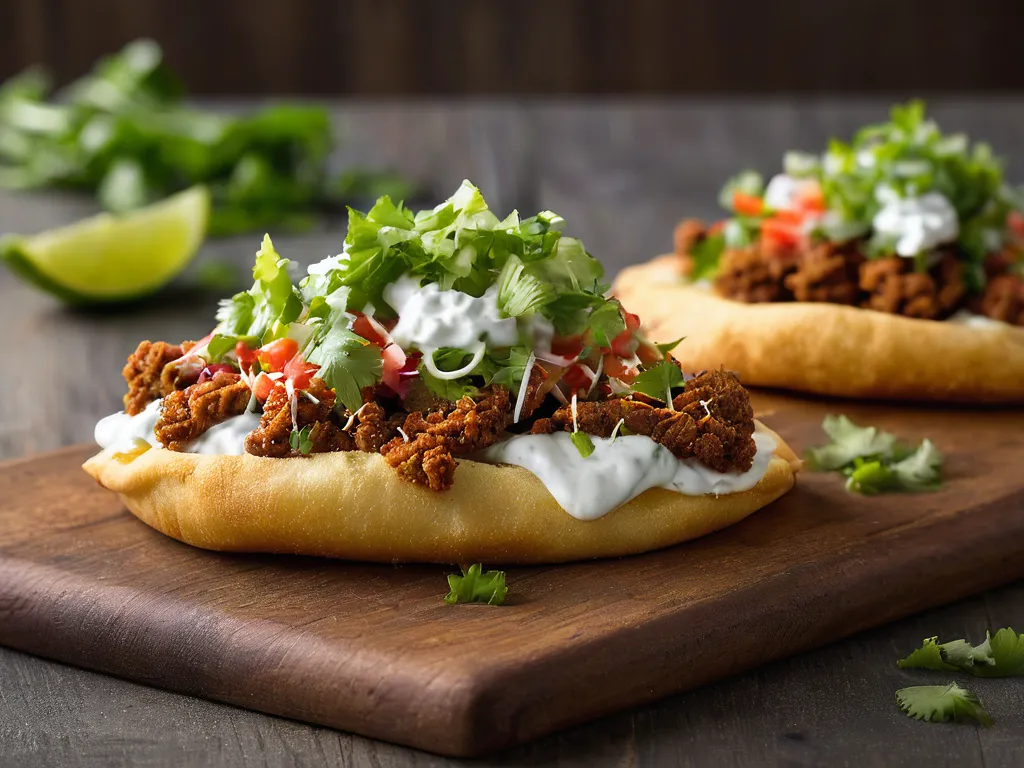
Copycat Taco Bell Chalupa Supreme
Prep time: 20 min Cook time: 25 min Servings: 4
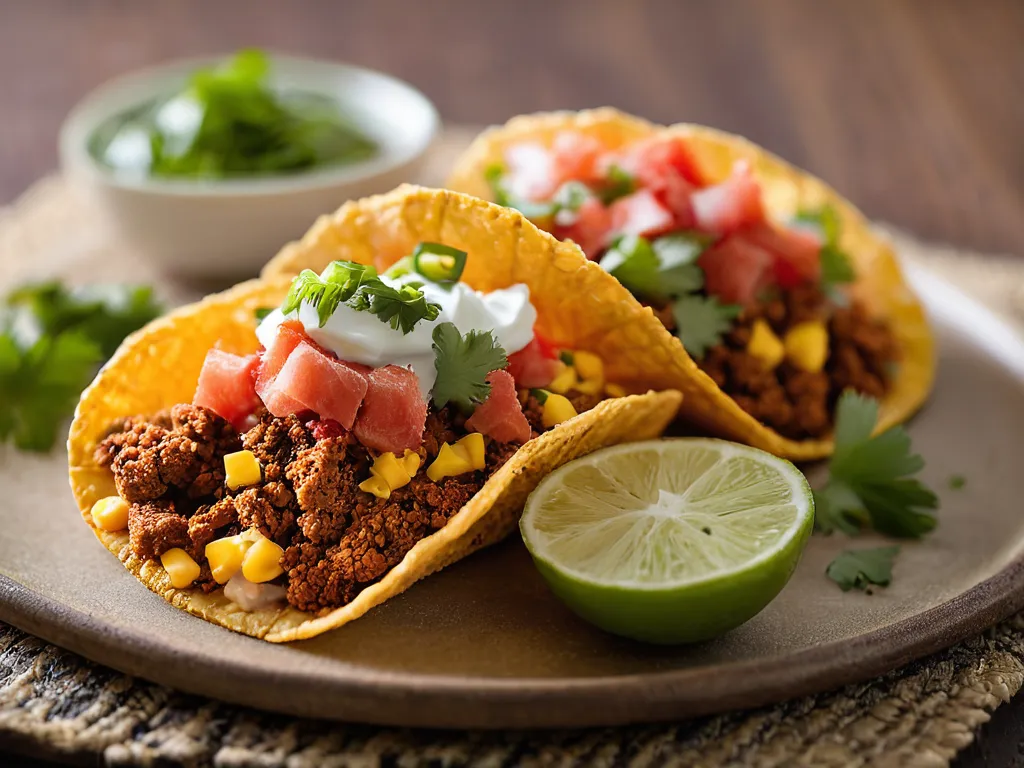
The Chalupa Supreme holds a special place on the Taco Bell menu. Unlike a standard crunchy taco with its corn shell, the chalupa uses a thick, puffy flatbread that gets deep-fried until the outside is golden and crispy while the inside stays soft and chewy. Filled with seasoned beef, cool sour cream, crisp lettuce, diced tomato, and a pile of shredded cheese, it delivers a contrast of temperatures and textures in every bite.
Making chalupa shells from scratch sounds intimidating, but the dough is dead simple. Five ingredients, two minutes of kneading, and a short rest. The frying takes a bit of attention, but once you get the technique down on the first shell, the rest go fast. The payoff is a shell that tastes significantly better than anything from a drive-through window.
Why Make It at Home?
A Chalupa Supreme at Taco Bell costs about $4.69. For a family of four, that is nearly $19 before tax, and each person only gets one. This recipe makes 8 chalupas for roughly $8.50 total, or about $1.06 each. You save over $10 while getting double the food. The shells alone cost pennies to make since you are working with basic pantry ingredients.
Beyond the cost, homemade shells taste noticeably better. They come out of the oil puffy and fragrant, with a texture that is crispy on the outside and bread-like on the inside. Taco Bell’s shells sit under heat lamps. Yours go straight from the fryer to the plate.
What Makes Taco Bell’s Chalupa Supreme So Good
The shell is the star. Taco Bell developed a flatbread specifically for the chalupa that puffs up when fried, creating an air pocket between the crispy exterior and the soft interior. That pocket traps heat and gives the shell structural integrity. It does not shatter like a hard taco shell, and it does not go limp like a soft tortilla. It bends, holds its filling, and maintains its crunch.
The filling strategy is classic Taco Bell layering. Sour cream goes on first, acting as both a flavor component and a moisture barrier between the warm shell and the cold toppings. Seasoned beef goes on next, warm and savory. Then shredded lettuce for crunch, diced tomato for brightness, and shredded cheese that partially melts against the warm beef. Every layer has a job.
The seasoning on the beef ties everything together. That signature Taco Bell flavor comes from a specific ratio of chili powder, cumin, paprika, onion powder, garlic powder, and a touch of sugar. The sugar is subtle but critical. It rounds out the heat and gives the beef that slightly sweet quality you cannot quite identify but would definitely miss if it were gone.
Tips & Variations
-
Keep the oil at 350°F. If it drops too low, the shells absorb oil and turn greasy. If it climbs too high, they brown before they puff. Adjust your burner between shells to maintain temperature.
-
Shape the shells while frying. The dough needs to be draped over something rounded (a wooden spoon handle works) within the first 10 seconds of hitting the oil. Once the dough sets, it holds whatever shape it is in.
-
Make the shells ahead. Fried shells hold their crunch for about an hour at room temperature. You can fry all 8 shells first, then focus on the beef and toppings for a more organized assembly.
-
Try chicken or refried beans. Shredded rotisserie chicken makes an excellent low-effort filling. Refried beans with extra cheese turn this into a satisfying vegetarian option.
-
Go full Baja style. Replace the sour cream with a spicy Baja sauce made from mayo, chipotle peppers, lime juice, and a pinch of cayenne.
Storage & Reheating
Assembled chalupas do not store well because the lettuce wilts and the shell softens. If you have leftovers, separate the components. Store the fried shells in an airtight container at room temperature for up to 1 day. Keep the seasoned beef in the fridge for up to 3 days.
To revive the shells, place them on a baking sheet in a 375°F oven for 4-5 minutes. They will not return to freshly fried crispiness, but they will firm up enough to hold a filling. Reheat the beef in a skillet with a splash of water to restore moisture. Assemble fresh just before eating.
More Taco Bell Copycat Recipes
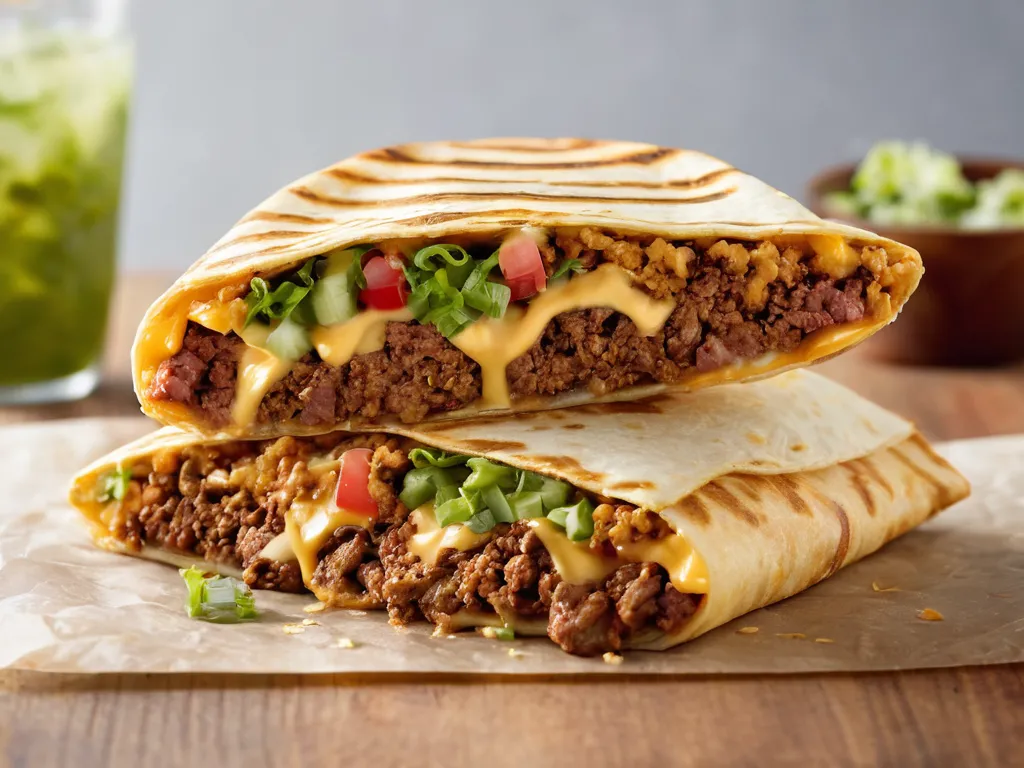
- Taco Bell Crunchwrap Supreme — folded hexagonal flatbread packed with ground beef, nacho cheese, and tostada shell crunch.
- Taco Bell Cheesy Gordita Crunch — melted cheese fuses a flatbread to a crunchy taco shell, with seasoned beef and three-cheese blend inside.
- Taco Bell Nacho Cheese Sauce — the Velveeta-cheddar blend behind every dipping sauce and topping on the Taco Bell menu.
See all Taco Bell copycat recipes →