Pin It

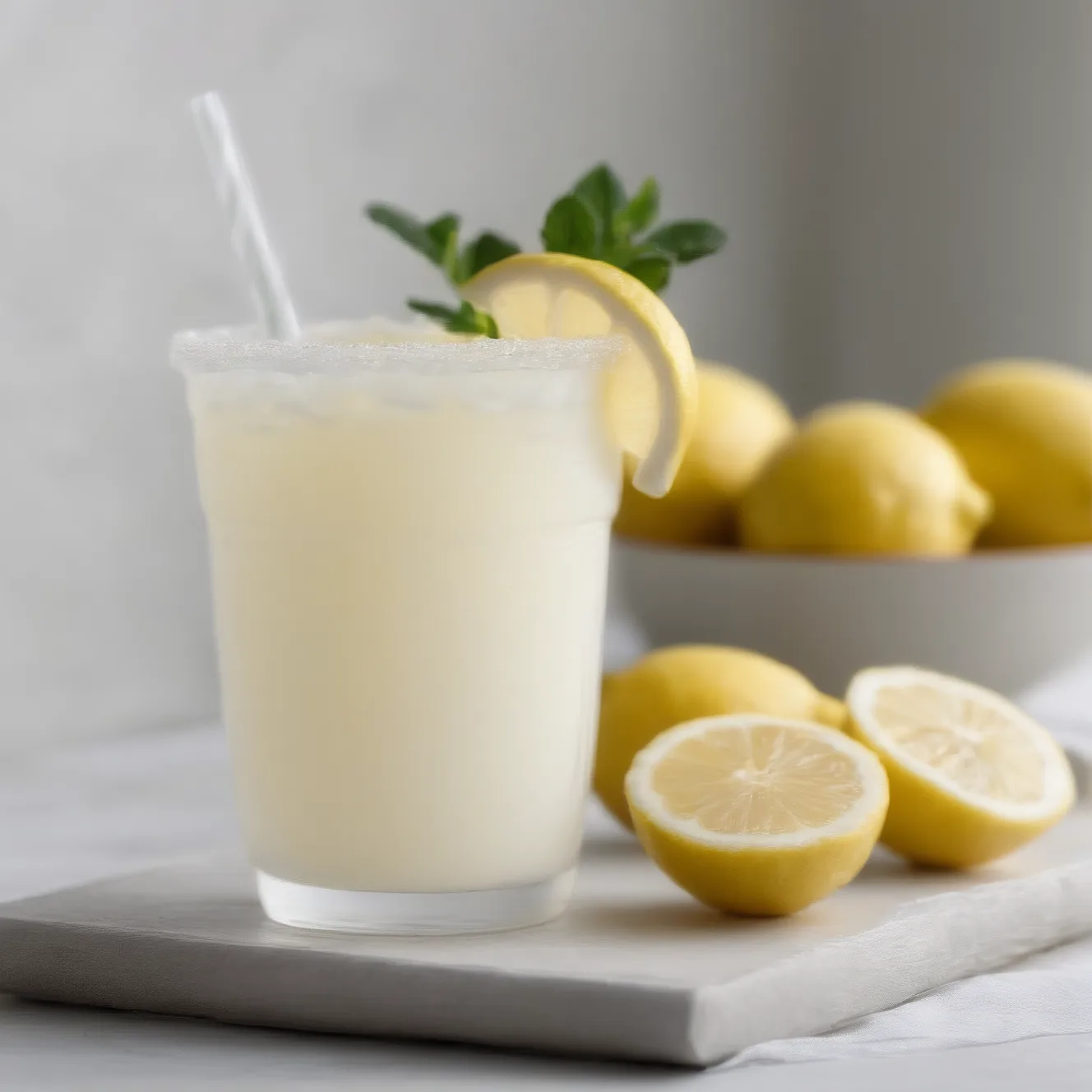
Copycat Chick-fil-A Lemonade (and Frosted Lemonade)

Copycat Chick-fil-A Lemonade (and Frosted Lemonade)
Jump to Recipe
Prep 10 min Cook 5 min Serves 6
Quick answer: Chick-fil-A lemonade has three ingredients: fresh-squeezed lemon juice (not concentrate), pure cane sugar, and water. Make a simple syrup first (equal parts sugar and water, stirred over heat until clear), then combine 1 cup fresh lemon juice + 1 cup cooled simple syrup + 6 cups cold water. Add a pinch of kosher salt β€” it suppresses bitterness and makes the lemon and sugar read brighter. Refrigerate 30 minutes before serving. Makes 6 servings. The Frosted Lemonade blends this with vanilla ice cream; the Diet version swaps Splenda for sugar.
Copycat Chick-fil-A Lemonade (and Frosted Lemonade)

Copycat Chick-fil-A Lemonade (and Frosted Lemonade)

Chick-fil-A lemonade is fresh-squeezed lemon juice, cane sugar, and water β€” no concentrate, no citric acid shortcuts. This guide covers the simple syrup ratio, the salt trick, the Frosted Lemonade build, diet version, peach and strawberry variations, and how to scale to a gallon.

Easy Prep: 10 min Cook: 5 min Total: 15 min6 servings ~$3.50/serving
Prep10 min
Cook5 min
Total15 min
Servings
6
At home~$3.50/serving
vs
Restaurant~$15.75/serving
You save ~78%

Ingredients

Instructions

💡
Pro tip: This recipe tastes even better the next day. The flavors need time to meld together in the fridge.
❄️
Storage: Keeps in an airtight container in the fridge for up to 2 weeks. Freezer-friendly for up to 3 months.
~300-500 cal/serving

The Story Behind the Recipe

Copycat Chick-fil-A Lemonade

Prep time: 10 minutes | Cook time: 5 minutes | Makes: About 64 oz (6 large glasses)

Chick-fil-A’s lemonade is one of the more straightforward copycat recipes because the formula is not a secret: three ingredients, squeezed fresh every day, no shortcuts. Lemon juice. Cane sugar. Water. That is it.

What makes it taste better than most fast food lemonade β€” better than most homemade lemonade, for that matter β€” is the discipline to not complicate a simple thing. No concentrate, no citric acid powder to extend shelf life, no artificial flavoring to approximate what fresh lemon tastes like. Most other chains use concentrate because squeezing real lemons daily at every location is operationally expensive. Chick-fil-A does it anyway.

This recipe replicates the flavor accurately, takes 15 minutes including the syrup, and costs about $3 for a full batch.

TL;DR

Make a simple syrup (1:1 sugar to water, stirred over heat). Juice 6–8 lemons to get 1 cup of juice. Combine with the syrup, 6 cups cold water, and a pinch of salt. Chill 30 minutes. The formula runs sweeter than classic lemonade β€” if you want CFA’s balance, use the full cup of syrup. If you prefer tart, back off to 3/4 cup.

Why Simple Syrup and Not Granulated Sugar

Every good lemonade recipe calls for simple syrup, but few explain why it actually matters. The reason is physics: sucrose (table sugar) does not dissolve in cold water. At room temperature, you can stir granulated sugar into cold lemonade for several minutes and still have gritty crystals sitting at the bottom of the pitcher.

Simple syrup dissolves sugar in hot water, where the increased kinetic energy of the water molecules breaks apart the crystalline sugar structure and keeps the sucrose suspended. Once it cools, it stays fully dissolved β€” there are no remaining crystal lattice structures for the sugar to re-form around. Pour it into cold liquid and it disperses instantly.

The practical result: lemonade made with pre-dissolved simple syrup has even, consistent sweetness in every sip. Lemonade made with granulated sugar stirred directly in will taste different at the bottom of the glass (gritty, sweeter) than at the top. Chick-fil-A’s commercial lemonade uses a sugar syrup for exactly this reason.

The ratio: Standard simple syrup is 1:1 sugar to water. You can make a 2:1 β€œrich syrup” that is twice as concentrated and requires less volume β€” but 1:1 is easier to eyeball and store.

The Lemon-to-Syrup-to-Water Ratio

Classic lemonade ratios run approximately 1:1:4 β€” one part lemon juice, one part sugar syrup, four parts water. That produces a tartly balanced, bright lemonade that leans sour.

Chick-fil-A’s lemonade is noticeably sweeter than that baseline. Their ratio runs closer to 1:1:6 β€” the same amount of lemon juice and syrup, but more water dilution, which makes the drink lighter in acidity while the sweetness stays. This is why it reads smooth and refreshing rather than sharply tart.

At home, the dial is easy to adjust:

  • Want the CFA balance? Follow this recipe as written.
  • Want more lemon forward? Increase the lemon juice to 1 1/4 cups.
  • Want lighter and more refreshing? Add an extra cup of water.

The right balance also depends on your lemons. Lemons vary significantly in juice yield and acidity depending on variety, season, and ripeness. California and Florida lemons in summer are typically more acidic than winter citrus; grocery store Sunkist lemons (the most common commercial variety) are moderately acidic. Taste as you go and adjust.

The Pinch of Salt

The recipe calls for 1/8 teaspoon of kosher salt, and this step gets skipped in most copycat recipes. It shouldn’t be.

Salt in lemonade does not make the drink taste salty. At 1/8 teaspoon in 64 ounces of liquid, the sodium concentration is far below the threshold of salty perception on the tongue. What it does instead:

Suppresses bitterness. Sodium ions interfere with bitter taste receptors on the tongue. Lemon juice contains bitter compounds β€” primarily limonin and naringin, concentrated in the pith and membranes that inevitably get into the juice during squeezing. A small amount of salt dials back the perception of those compounds without being detectable as salty.

Amplifies sweetness and sourness. This is a well-documented sensory phenomenon: sodium enhances the perception of both sweet and sour flavors at sub-perceptual concentrations. The effect is the same reason a pinch of salt in a cookie or brownie recipe makes them taste more intensely of chocolate and sugar. In lemonade, the salt makes the lemon taste more lemon-forward and the sugar taste more present β€” both flavors pop more than they would without it.

Skip the salt and the lemonade is fine. Add it and the lemonade is noticeably better. Chick-fil-A’s commercial formula almost certainly includes a small salt addition for exactly these reasons.

The Frosted Lemonade

The Frosted Lemonade is Chick-fil-A’s most popular lemonade variant β€” a blended drink that sits between a lemonade and a milkshake. It was introduced in 2015 and has been a permanent menu item since.

The original is made by blending the signature lemonade with Icedream, the chain’s proprietary soft-serve dessert. Icedream is not technically ice cream under FDA standards (its fat content from milkfat is lower than the 10% minimum for β€œice cream” labeling) β€” it’s a frozen dairy dessert formulated with emulsifiers and stabilizers to produce a specifically light, soft-serve texture. The ingredient list includes whole milk, nonfat milk, sugar, milkfat, nonfat dry milk, guar gum, carrageenan, corn starch, cellulose gum, and beta carotene for color.

To make it at home:

  1. Chill your lemonade thoroughly β€” at least 2 hours in the refrigerator, or 30 minutes in the freezer. Warm lemonade makes the ice cream melt before the blending is complete.
  2. Add 2 large scoops (about 1 cup) vanilla ice cream or soft-serve to a blender.
  3. Add 3/4 cup chilled lemonade.
  4. Blend on medium until smooth β€” about 20–25 seconds. The consistency should be thick but pourable, not rigid.
  5. Serve immediately.

Vanilla ice cream vs. soft-serve: The Frosted Lemonade is notably lighter and less rich than a milkshake. If you use standard vanilla ice cream (HΓ€agen-Dazs, Ben & Jerry’s), the result is richer and more milkshake-like. For a closer match to Chick-fil-A’s texture, use a lighter commercial vanilla ice cream (Breyers Natural Vanilla, store-brand) or Dairy Queen vanilla soft-serve if you have access to it. The fat content and density make a real difference in the final texture.

Ratio tip: Too much ice cream and it becomes a milkshake that happens to have lemon in it. Too little and it reads as icy lemonade. Slightly more ice cream than lemonade by volume β€” roughly 1 cup ice cream to 3/4 cup lemonade β€” hits the right balance.

Seasonal Variations Worth Making at Home

Chick-fil-A rotates a seasonal lineup of lemonade variations throughout the year β€” all built on the same base, with flavored syrups or fruit purees added.

Peach Lemonade / Peach Frosted Lemonade (summer seasonal) The summer staple, available at Chick-fil-A roughly June through August. At home: add 2 tablespoons of peach preserves (or 1/4 cup peach puree from fresh or frozen peaches) per 16 oz of lemonade. Stir in the preserves while making the pitcher and strain if you prefer a smooth texture. For a Peach Frosted: blend with vanilla ice cream and 1 tablespoon peach preserves.

Strawberry Lemonade Not always on the Chick-fil-A menu, but perennially one of the most-searched variations. Make a quick strawberry syrup: hull 1 cup fresh strawberries, simmer with 1/4 cup sugar and 1/4 cup water for 8 minutes, then strain and cool. Add 3–4 tablespoons per serving. Alternatively, muddle 3–4 fresh strawberries directly in the glass before adding ice and lemonade. The muddled version has better texture and more complex flavor; the syrup version is more consistent.

Strawberry Hibiscus Lemonade (spring 2026 seasonal) One of Chick-fil-A’s Spring 2026 limited-time offerings. At home: brew a strong hibiscus tea (2 tablespoons dried hibiscus flowers, steeped in 1 cup boiling water for 10 minutes), strain, cool, and add 2 tablespoons per serving. The hibiscus adds a deep ruby color and a floral tartness that pairs well with the lemon; strawberry preserves add the sweet berry note.

Fresh Mint Lemonade (spring seasonal) Muddle 6–8 fresh mint leaves (not bruised β€” just press and twist with the back of a spoon) in a glass before adding ice and lemonade. The oils release without the mint turning bitter, which happens when you over-muddle. Fresh mint lemonade needs to be consumed quickly β€” it develops a slightly vegetal note after 30 minutes as the mint continues to oxidize.

How to Make the Diet Version

Chick-fil-A Diet Lemonade uses Splenda (sucralose) instead of cane sugar. At home, the simplest approach: make the simple syrup using Splenda instead of sugar. Splenda dissolves in warm water just like sugar and behaves similarly in cold drinks.

Splenda is available in a β€œcup-for-cup” baking form that substitutes 1:1 for granulated sugar β€” use 1 cup Splenda in place of 1 cup sugar. The syrup will be thinner than sugar simple syrup because sucralose doesn’t add the same viscosity that sucrose does, but the sweetness level is the same.

The diet version has roughly 25–35 calories per 12 oz serving (almost entirely from the lemon juice) versus 145 calories for the regular version. The flavor is very close to the original; high-quality sucralose doesn’t have the bitter aftertaste of older artificial sweeteners at this concentration.

What doesn’t work: Stevia (strong herbal aftertaste at this volume), saccharin (metallic aftertaste), and aspartame (degrades in heat, don’t make a hot syrup). Sucralose/Splenda is the right substitute here.

Scaling to a Gallon

Chick-fil-A sells their lemonade by the gallon for catering β€” roughly 128 oz, enough for approximately 8–10 large servings. To make a gallon at home:

Ingredient1 Batch (64 oz)Gallon (128 oz)
Fresh lemon juice1 cup2 cups (about 14–16 lemons)
Simple syrup1 cup2 cups
Cold water6 cups12 cups (3 quarts)
Kosher salt1/8 tsp1/4 tsp

Make the syrup in two rounds if your saucepan is small. The gallon version keeps better than the smaller batch because there’s less surface area per volume for oxidation. Still best within 3 days for peak lemon freshness.

Cost Comparison
Chick-fil-AHomemade
Medium lemonade (16 oz)~$3.19~$0.75
Large lemonade (32 oz)~$3.89~$1.50
Frosted Lemonade (medium)~$4.39~$2.00
Gallon (catering)~$12–$16~$6

The savings are real, but the bigger advantage of homemade is freshness control. Commercial lemonade sitting in a dispenser for 4+ hours after squeezing loses the first-press brightness that makes fresh-squeezed special. Making it at home and refrigerating for 30 minutes before serving captures that window.

Make-Ahead Notes

The simple syrup keeps indefinitely in the refrigerator in a sealed jar. Make a large batch once a week and keep it on hand β€” then the lemonade itself takes under 5 minutes to assemble.

Fresh-squeezed lemon juice keeps in the fridge for about 3 days before the volatile aromatic compounds (limonene, citral) begin to degrade and the flavor flattens. Bottled fresh lemon juice from the produce section (not the shelf-stable citric acid version) works as a mid-week shortcut, with a modest flavor compromise.

The assembled lemonade keeps 4–5 days refrigerated. The pulp will settle; stir before each pour.

More CFA Drinks and Food to Make at Home
  • Chick-fil-A Chicken Sandwich β€” the pickle-brined original with two pickle slices; this is what the drive-through line is actually for
  • Chick-fil-A Sauce β€” the honey-mustard-barbecue blend that became more popular than the sandwich; 5 minutes, 5 pantry ingredients
  • Chick-fil-A Nuggets β€” bite-size pickle-brined chicken in the same seasoned breading; air fryer or pan-fry
  • Copycat Taco Bell Baja Blast β€” the Mountain Dew + blue sports drink teal formula for the other iconic fast-food drink; no special ingredients needed

See all Chick-fil-A copycat recipes β†’

Nutrition Facts

Per serving (6 servings)
Calories145
Total Fat0g
Total Carbs38g
Dietary Fiber0g
Sugars37g
Protein0g
Sodium55mg

* Estimated values based on standard recipe preparation. Actual values may vary.

πŸ₯—

Make It Healthier

Love Chick-fil-A Lemonade (and Frosted Lemonade) but want a lighter version? Try these simple swaps:

  • βœ“Reduce sugar to 3/4 cup for a lighter version β€” the fresh lemons provide enough natural acidity and flavor that the full cup is somewhat optional.
  • βœ“Use Splenda or monk fruit sweetener cup-for-cup in the simple syrup for a diet version with the same texture (sucralose-based sweeteners like Splenda perform best in lemonade because they don't have the bitter aftertaste of saccharin or stevia at high volumes).
  • βœ“Dilute with sparkling water instead of still water for a Chick-fil-A lemonade version with a carbonation note β€” this is the closest thing to a Lemon Sprite crossover.
  • βœ“Skip the simple syrup entirely and use honey (3/4 cup honey dissolved in 2 tablespoons warm water) β€” the flavor is different but genuinely good, with a floral note from the honey that complements the lemon.

Equipment You'll Need

Small saucepan

For making the simple syrup β€” the sugar must fully dissolve in warm water before combining

Citrus juicer or reamer

A handheld juicer extracts more juice per lemon than squeezing by hand; roll the lemons first to loosen the membranes

Fine-mesh strainer

For straining seeds while keeping the pulp β€” the pulp adds body and visual authenticity

Large pitcher

At least 2-quart capacity for the full batch (about 64 oz / 8 cups total)

Frequently Asked Questions

Does Chick-fil-A use fresh-squeezed lemons or lemon concentrate?

Fresh-squeezed, every time. Chick-fil-A lemonade is made in-store daily using real lemons squeezed to order β€” not concentrate, not citric acid powder, not preserved lemon juice. The chain officially describes their lemonade as containing just three ingredients: lemon juice, cane sugar, and water. This is the primary reason it tastes different from McDonald's or Wendy's lemonade, which use concentrate-based formulations. The visible pulp in Chick-fil-A's lemonade is another indicator β€” it's a byproduct of real squeezing that concentrate-based lemonade doesn't have.

What sweetener does Chick-fil-A use in their diet lemonade?

Splenda (sucralose), which is a zero-calorie chlorinated sugar derivative. Chick-fil-A's Diet Lemonade has approximately 25–30 calories per medium serving, down from about 200 calories in the regular version β€” the remaining calories come from the lemon juice itself. For homemade diet lemonade, use Splenda cup-for-cup in place of the cane sugar; the simple syrup method still works. Avoid stevia as the substitute at this volume β€” at a full cup, stevia tends to develop a licorice-adjacent bitterness in lemonade that sucralose does not.

What is Chick-fil-A Frosted Lemonade, and what is Icedream?

The Frosted Lemonade blends Chick-fil-A lemonade with Icedream, the chain's proprietary soft-serve dessert. Icedream is not standard ice cream β€” its ingredient list includes whole milk, nonfat milk, sugar, milkfat, nonfat dry milk, mono and diglycerides, guar gum, carrageenan, corn starch, and cellulose gum. The emulsifiers and stabilizers give it a distinct soft-serve texture that is lighter and silkier than hard ice cream. At home, vanilla soft-serve is the closest substitute; vanilla ice cream works but produces a thicker, richer result. To make a Frosted Lemonade: blend 3/4 cup chilled lemonade with about 1 cup (2 large scoops) of vanilla soft-serve or ice cream until smooth.

Why does Chick-fil-A lemonade taste sweeter than most homemade lemonade?

Chick-fil-A's formula leans heavier on the sugar side than the lemon side. Their sugar-to-lemon-juice ratio is higher than classic lemonade recipes (which typically run 1:1 juice to syrup), making it noticeably sweeter and smoother with less tartness at the front. If you want the exact CFA balance, use the full 1 cup of simple syrup with 1 cup lemon juice. If you prefer a more tart classic lemonade, reduce the syrup to 3/4 cup.

What are Chick-fil-A's seasonal lemonade varieties?

Chick-fil-A rotates seasonal lemonade variations throughout the year. In summer 2026, the Peach Frosted Lemonade returned (June 8–August 22) alongside the Peach Milkshake. Spring 2026 brought Fresh Mint Lemonade, Strawberry Mint Lemonade, Korean Plum Gochu Lemonade, and Strawberry Hibiscus Lemonade. These limited-time offerings use the same base lemonade mixed with flavored syrups or fruit purees. All seasonal variants can be approximated at home by adding a tablespoon or two of peach preserves, strawberry syrup, or fresh mint to the base recipe.

How long does homemade Chick-fil-A lemonade keep?

Up to 5 days in a sealed pitcher in the refrigerator. The fresh flavor is best within 48 hours β€” after that, the lemon pulp can begin to turn slightly bitter and the bright citrus note fades. Always stir well before serving since the pulp and any suspended solids settle to the bottom. For best results, squeeze the lemons and make the syrup on the same day you plan to serve. Do not freeze β€” the texture suffers and the fresh lemon character deteriorates on thawing.

How do I scale this to a gallon for a party or catering?

One batch of this recipe makes 64 oz, so a full gallon (128 fl oz) is exactly double: 2 cups fresh lemon juice (about 14–16 lemons), 2 cups simple syrup, and 12 cups (3 quarts) cold water, with 1/4 teaspoon kosher salt. Make the simple syrup in two rounds if your saucepan is small. Chick-fil-A sells their lemonade by the gallon for catering events at approximately $12–$16 β€” a gallon made at home costs roughly $6 in lemons and sugar, with the flavor advantage of same-day freshness.

Love this recipe? Share it!

Shop the tools

The right tools make all the difference. We earn a small commission if you buy through these links β€” at no extra cost to you.

Free PDF: our 12 most-wanted copycat recipes β€” instant download.

Ratings & Reviews

β€”
No ratings yet

Rate this recipe

Click a star to rate

Leave a Review

0/500

CS

Copycat Spices Test Kitchen

Every recipe on Copycat Spices is developed and tested in our home test kitchen. We reverse-engineer beloved restaurant dishes and refine each one until the flavors and the instructions work reliably for home cooks of all skill levels.

Learn more about our mission →