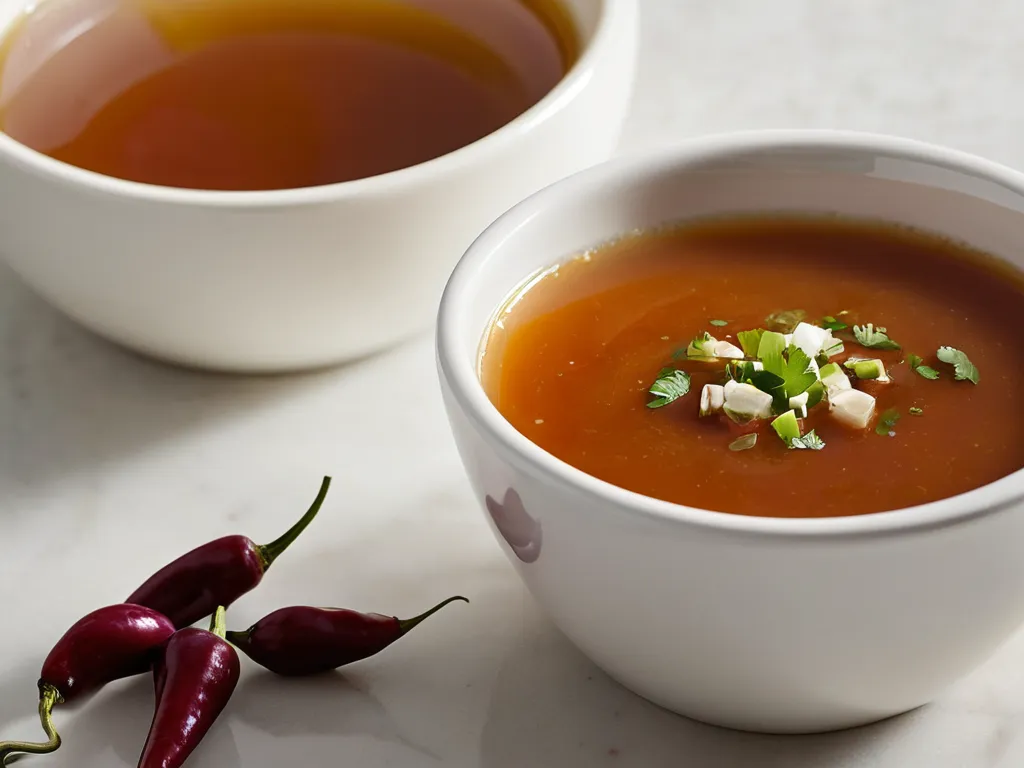
Copycat Chipotle Honey Vinaigrette
Prep time: 5 min | Cook time: 0 min | Yield: ~¾ cup (4 servings)
Chipotle’s Honey Vinaigrette is the only dressing on the Chipotle menu. It has to do a lot of work — cut through the richness of guacamole and sour cream, brighten a bowl full of rice and beans, and make the salad worth ordering over the burrito. It does all three, and Chipotle actually published the recipe publicly so you can see exactly how.
TL;DR
Whisk honey + red wine vinegar + garlic + adobo sauce (or dried chipotle) + cumin + oregano. Stream in olive oil slowly while whisking. Done in 5 minutes. The garlic is the ingredient most copycat recipes miss; the adobo sauce is the home-cook substitute that’s arguably better than the original dried chili approach.
What Chipotle Actually Puts In Their Dressing
Chipotle posted their official recipe publicly, and the confirmed ingredient list is simpler than most copycats assume:
Rice bran oil, red wine vinegar, honey, water, salt, chipotle chili (dried), black pepper, oregano, cumin, garlic.
That’s it. No lime juice. No Dijon mustard. No adobo sauce. Ten ingredients.
Two things stand out:
Rice bran oil is Chipotle’s base oil — it has a higher smoke point than olive oil and a very neutral flavor that lets the honey and chipotle shine without competition. It’s less common in home kitchens, which is why most copycat recipes default to olive oil or avocado oil. Either works; olive oil adds a slight fruitiness that most tasters consider an improvement.
Dried chipotle chili is the authentic smokiness source, not canned chipotles in adobo sauce. The dried chili contributes smoke and a muted fruity heat. At home, using 1 tablespoon of adobo sauce from a can of chipotles is the widely adopted substitution — it adds the same smoky chipotle character plus the tomato, garlic, and vinegar from the adobo itself, which adds depth the dried-chili-plus-water version lacks. Most food bloggers who’ve made both versions prefer the adobo-sauce approach for home cooking.
Garlic is in Chipotle’s official recipe and is absent from most copycat versions. Don’t skip it — it provides a savory background note that makes the dressing taste complete rather than one-dimensional.
The Ingredient Balance (Why It Works)
The dressing succeeds because three elements hold each other in check:
Honey provides sweetness that rounds out the harshness of straight vinegar. It also contributes body — honey’s viscosity helps the dressing coat lettuce leaves rather than sliding off.
Red wine vinegar is the structural acid. It’s assertive but not sharp, with a mild fermented depth that lime juice alone doesn’t deliver. Chipotle uses only red wine vinegar — no lime — and the dressing still reads as bright because the honey amplifies the perception of freshness.
Chipotle chili (or adobo sauce) provides smoke, depth, and a warm savory background. At low quantities, it’s not identifiably spicy — it reads as “something more” underneath the sweet-and-sour. Remove it and the dressing becomes generic honey vinaigrette. Keep it and the dressing becomes distinctly Chipotle.
The garlic and spices (cumin, oregano, black pepper) are supporting cast: they tie the dressing to Chipotle’s broader flavor identity without drawing attention to themselves. You notice their absence more than their presence.
How Emulsification Works (and Why the Oil Technique Matters)
Oil and water-based liquids don’t stay combined naturally — they separate within minutes. An emulsified vinaigrette stays creamy because something acts as a bridge between the two phases.
Chipotle’s commercial version uses high-speed mixing equipment that creates a stable emulsion without added emulsifiers. At home, the Dijon mustard in this recipe does the same job: it contains lecithin, a natural emulsifying compound that coats oil droplets and prevents them from clustering back together.
The technique is as important as the ingredient:
Slow stream, continuous whisking. Pour the olive oil in a thin drizzle — almost drop by drop to start — while whisking without stopping. When you dump oil in all at once, you create large droplets that resist emulsification. When you drizzle it slowly while whisking, you create microscopic droplets that the mustard can coat and stabilize.
The visible sign: The dressing turns slightly creamy and opaque — similar to a loose aioli — instead of remaining visibly two-phase (clear oil on top, liquid below). Once you see that, the emulsion has set.
Blender shortcut: Add all ingredients to a small blender and blend for 20–30 seconds. This creates finer droplets than hand-whisking and a more stable emulsion that holds for the full week without separation. The flavor is identical; the texture is slightly smoother. This is the better approach for a large batch.
If the dressing separates in the fridge — which happens after 3–5 days even with proper technique — a 15-second shake or 30-second re-whisk always restores it. The Dijon’s emulsifying power survives refrigeration.
What Chipotle Serves It On
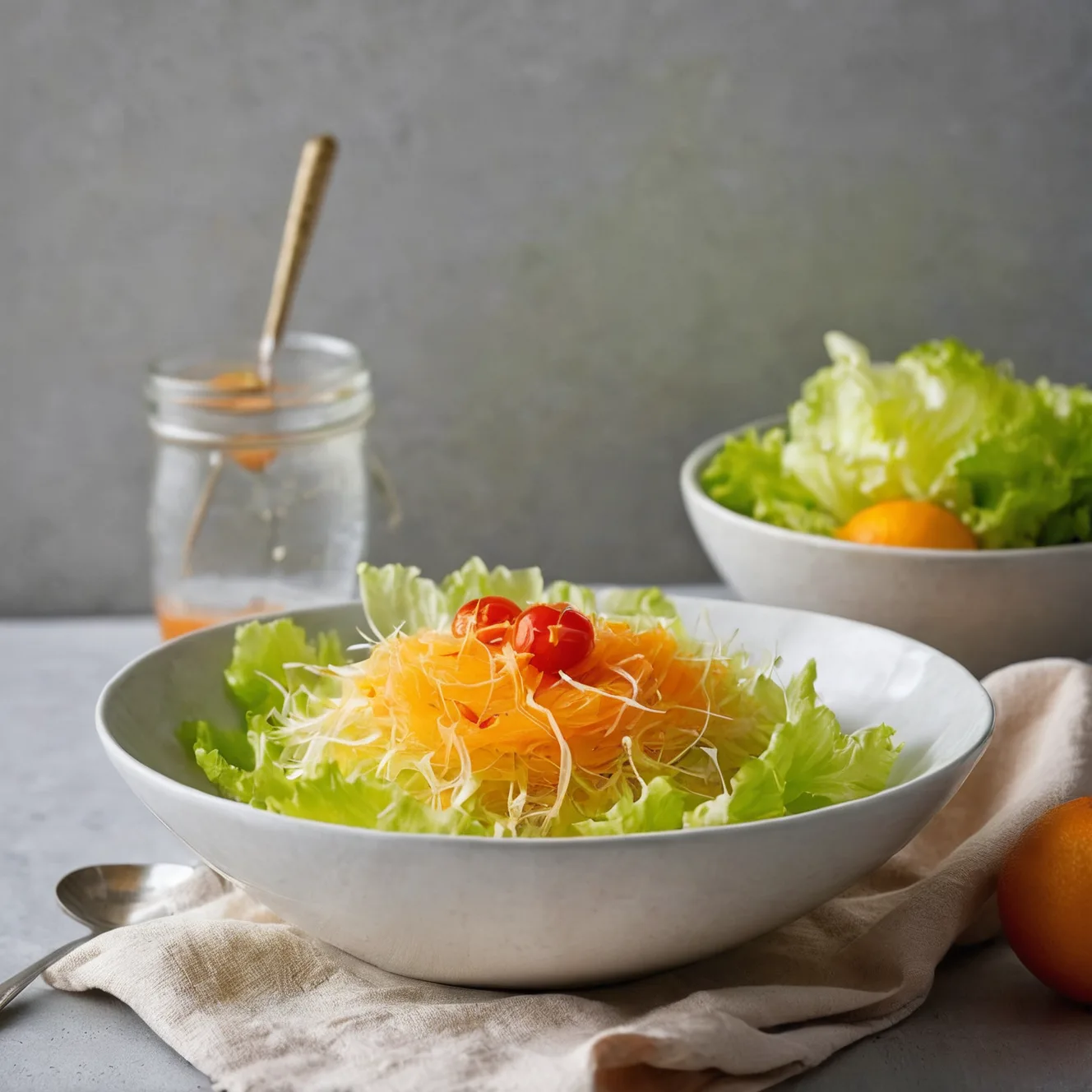
The Honey Vinaigrette is available on Chipotle’s salad bowl — the lettuce-base version of any burrito bowl, using either romaine or supergreens (romaine + baby kale + baby spinach, added to the menu around 2020). All other toppings remain the same; the dressing is added at the end before serving.
It’s also available on Chipotle’s Lifestyle Bowls — the preset bowl combinations for specific dietary patterns. The dressing comes included with the salad; it cannot be purchased separately.
A Chipotle salad bowl runs $10.50–12.50 depending on protein and location. Four salad bowls with dressing costs $42–50. This recipe produces equivalent dressing for four salads for about $1.75.
Chipotle’s Nutrition vs. Homemade
| Chipotle (official, per 2 fl oz) | Homemade (per serving, ~1.5 fl oz) | |
|---|---|---|
| Calories | 220 | ~210 |
| Fat | 16g | ~18g |
| Carbs | 18g | ~13g |
| Sugar | 12g | ~12g |
| Sodium | 850mg | ~200mg |
| Protein | 1g | 0g |
Be honest with yourself about what homemade does and doesn’t change here. Calories and fat are essentially the same — any oil-and-honey dressing lands in this range, and this recipe is no exception. The real difference is sodium: Chipotle’s version carries about 850mg per 2 oz, while this homemade one runs roughly 200mg per serving because you control the salt directly and skip the commercial preservatives and stabilizers. If you’re watching sodium, that gap is the reason to make it yourself — that, plus fresher flavor and roughly $1.75 for four salads’ worth instead of $42–50 in salad bowls. (Chipotle’s official figures: 220 cal, 16g fat, 18g carbs, 12g sugar, 850mg sodium per 2 fl oz.)
Uses Beyond the Salad Bowl
As a marinade: Add an extra tablespoon of lime juice and marinate chicken thighs or shrimp for 20–30 minutes before grilling. The honey caramelizes over direct heat and creates a lacquered exterior. Don’t marinate for more than 1 hour — the acid in the vinegar begins to denature the protein surface.
Over grain bowls: Drizzle over farro, quinoa, or brown rice with black beans, corn, avocado, and cotija cheese. The dressing has enough acid to cut through grain heaviness.
As a dipping sauce: Thin it slightly with water (1 teaspoon at a time) and use as a dip for grilled quesadillas, crispy chicken strips, or roasted plantain. The chipotle-honey combination reads as a slightly smoky barbecue-adjacent sauce at room temperature.
Corn glaze: Brush over grilled corn on the cob in the last 2 minutes of cooking over direct heat. The honey chars slightly and the chipotle smoke complements the grill char.
Warm vegetable toss: Toss cubed sweet potato or broccolini with 2 tablespoons of the vinaigrette before roasting at 425°F. The honey caramelizes on the vegetable edges.
Variations
Spicier: Mince half a chipotle pepper from the can and add it along with the tablespoon of adobo sauce. This adds actual heat alongside the smoke. Start with ½ pepper; taste; add more if needed.
Smokier, no heat: Replace the adobo sauce with 1 teaspoon of smoked paprika dissolved in 1 tablespoon of water. You lose the chipotle character but keep the smoke.
Creamy chipotle-honey dressing: After emulsifying, whisk in 2 tablespoons of plain Greek yogurt or sour cream. This creates a creamier consistency closer to a honey-chipotle ranch. Reduces shelf life to 5 days.
Citrus-forward: Add 1 tablespoon fresh lime juice alongside the red wine vinegar. The additional brightness works well on lighter fish or shrimp bowls. (Chipotle doesn’t use lime in their official recipe, but many food bloggers and home cooks add it.)
Honey Chipotle Glaze (thicker, for cooking): Simmer all ingredients except the oil in a small saucepan over medium-low heat for 3–4 minutes until slightly thickened. Use as a brushable glaze on protein in the last few minutes of cooking. Don’t serve this cooked version as a cold dressing — the texture changes during heating.
Storage
Store in a sealed glass jar in the refrigerator for up to 10 days. Olive oil solidifies when cold — the dressing will go thick and cloudy in the fridge, which is normal. Remove 5–10 minutes before serving and shake vigorously for 15 seconds.
Glass jars (mason jars, old jam jars) are better than plastic for long-term storage of acidic dressings — the vinegar can interact with plastic over time.
More Chipotle Copycat Recipes
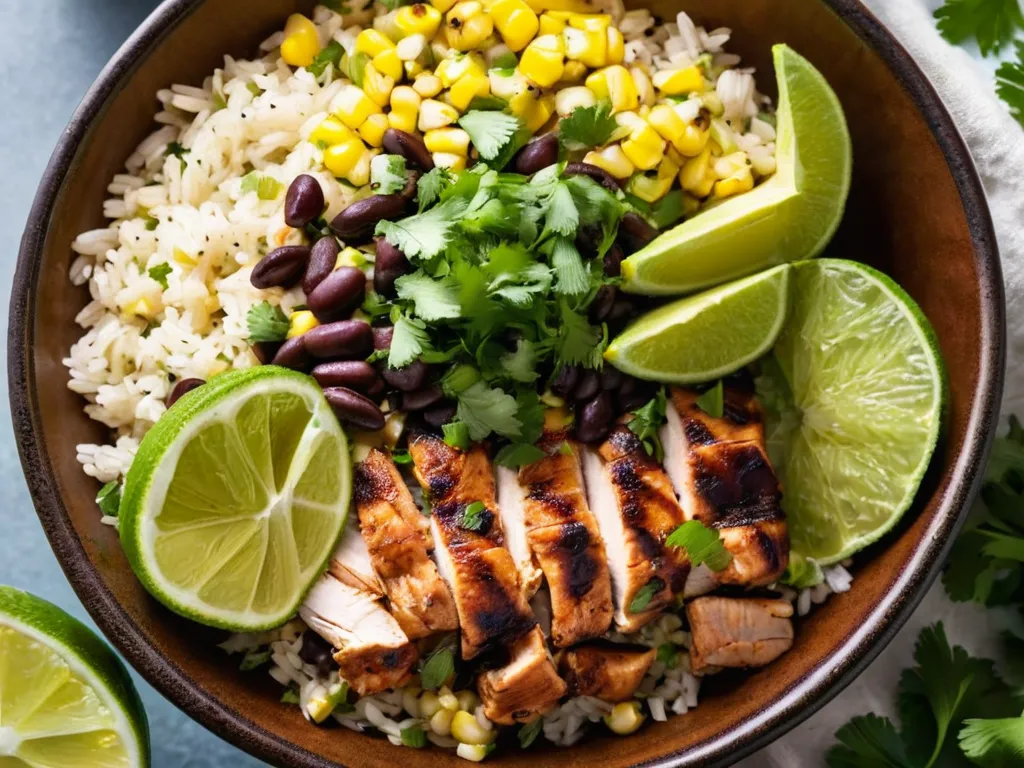
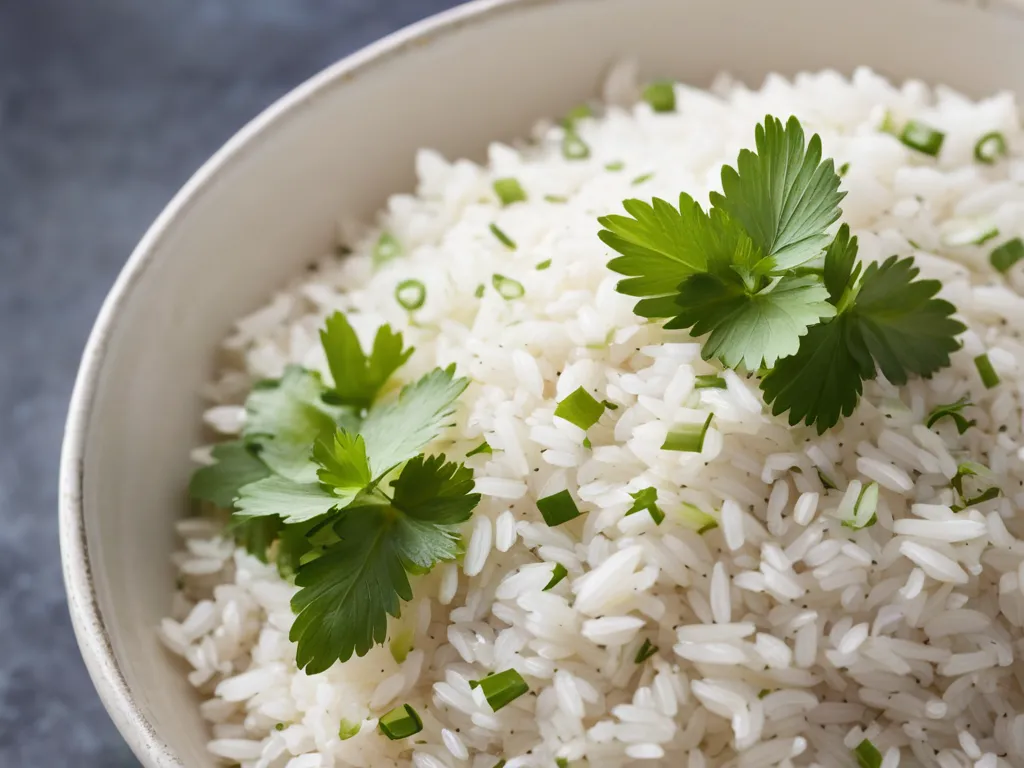
- Chipotle Chicken Burrito Bowl — the complete bowl this vinaigrette was made to drizzle over; adobo-marinated grilled chicken, cilantro-lime rice, black beans, and the rest
- Copycat Chipotle Honey Chicken — the LTO that uses the same honey-chipotle flavor profile as this dressing; the marinade and the vinaigrette are flavor relatives
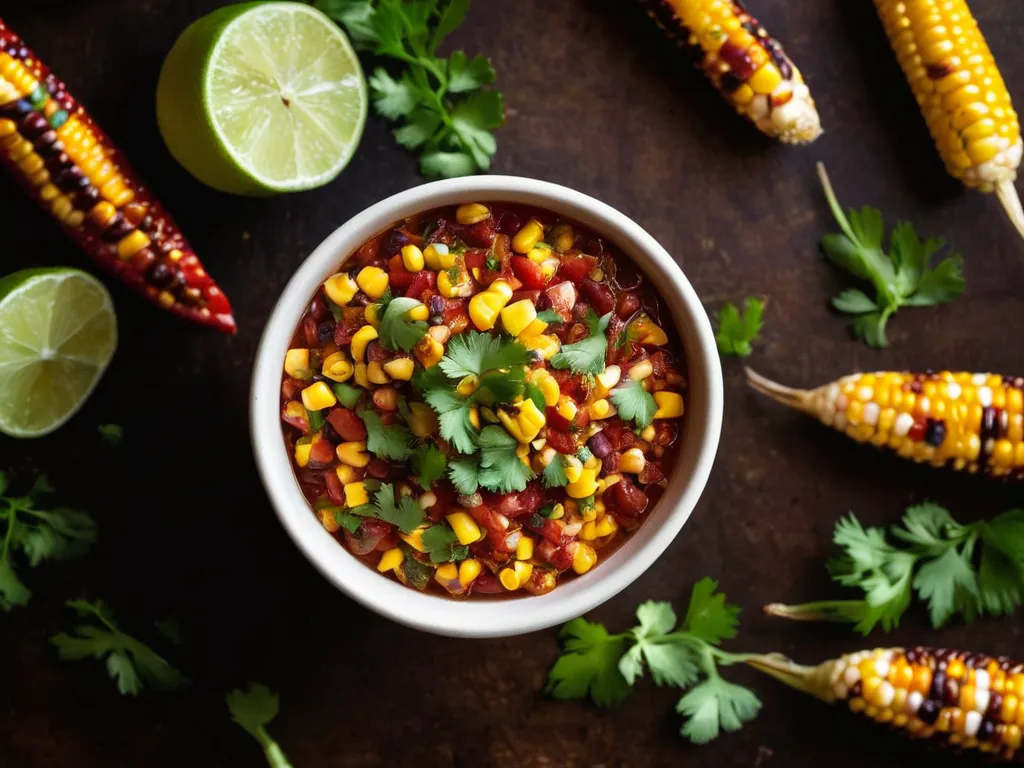
- Chipotle Roasted Chili-Corn Salsa — the sweet-smoky corn topping that pairs with this vinaigrette as two bright, fresh components in the same bowl
- Chipotle Sofritas — the plant-based protein that this honey vinaigrette pairs especially well with; the sweetness balances the chipotle heat in the tofu
See all Chipotle copycat recipes →