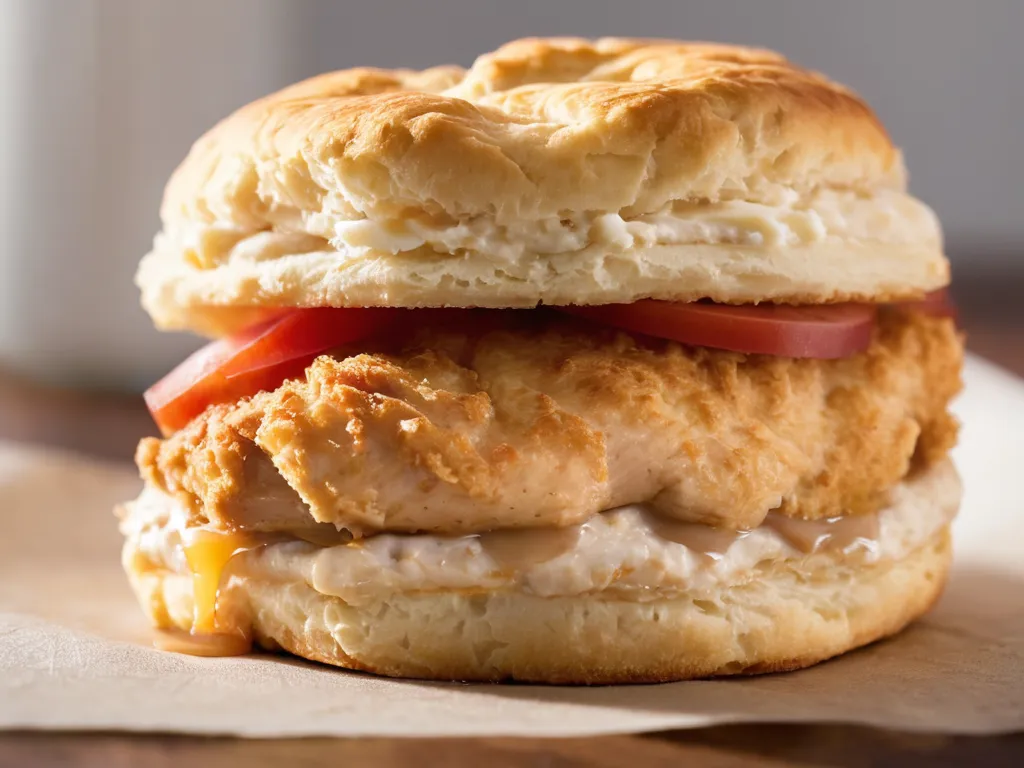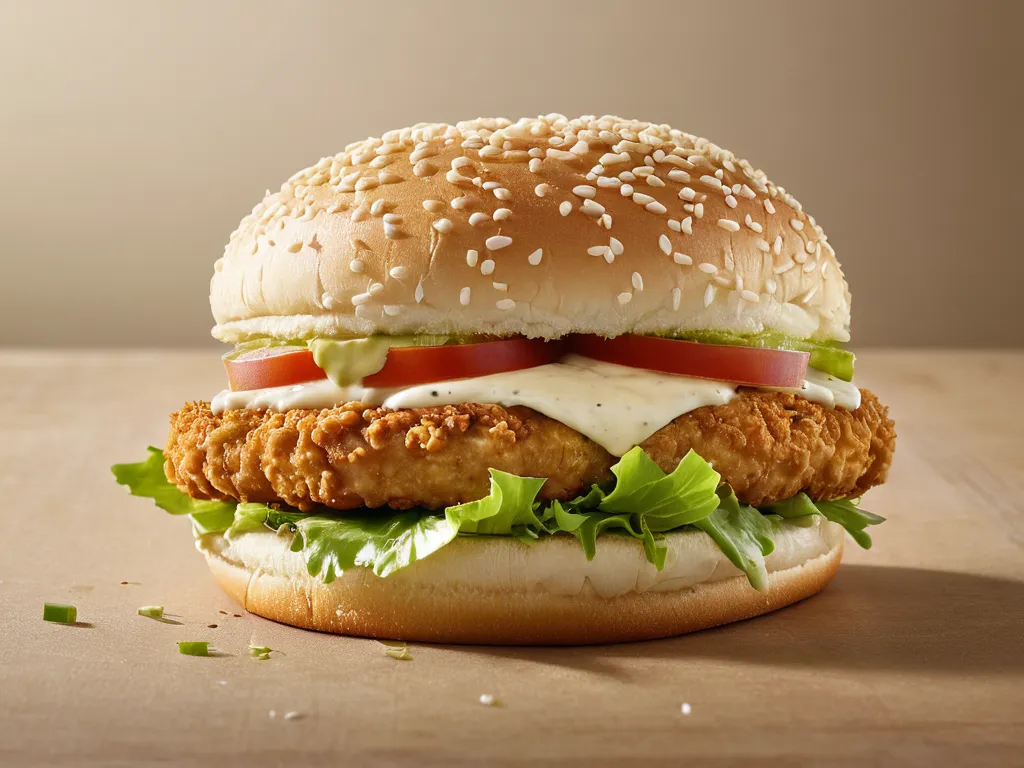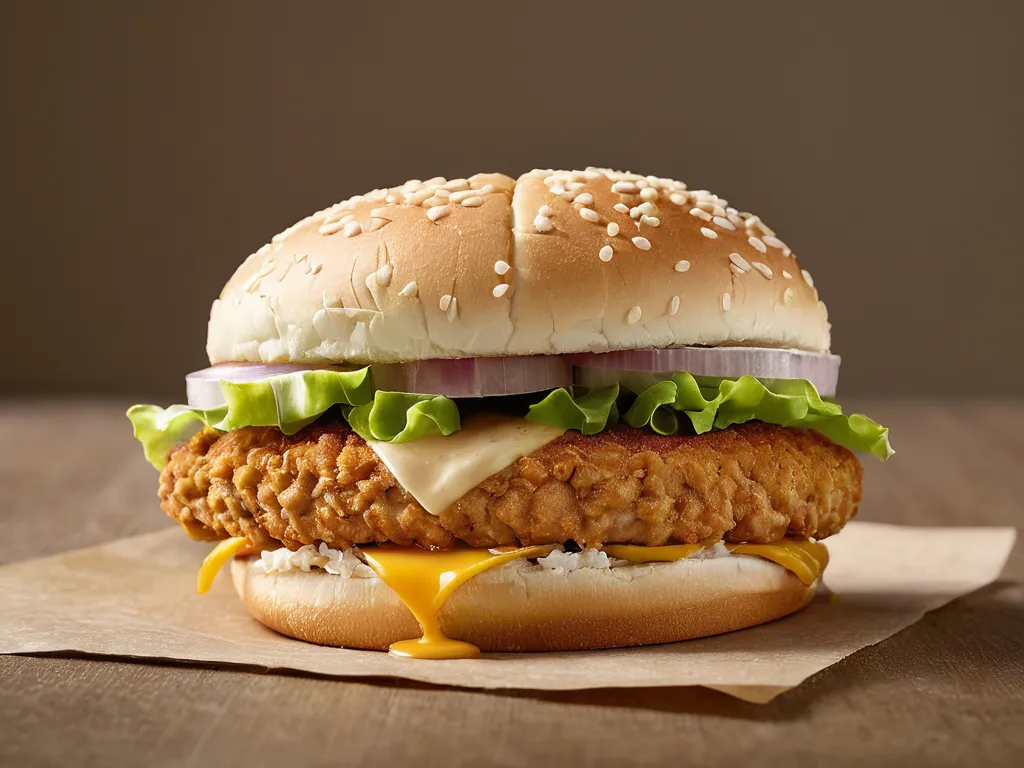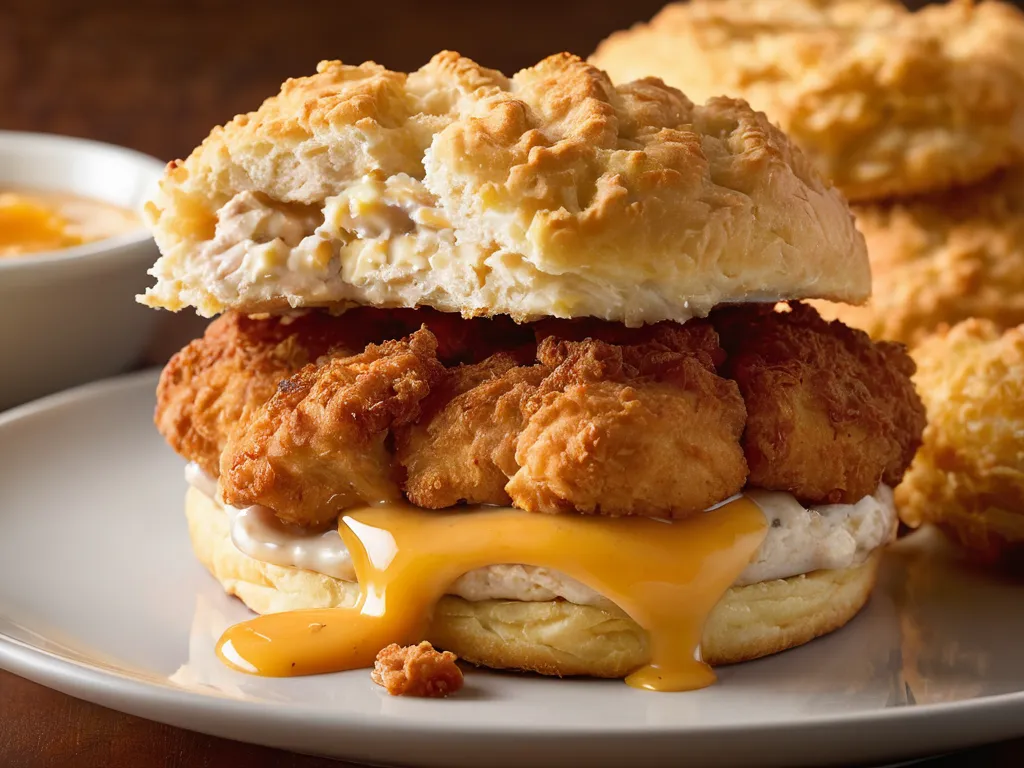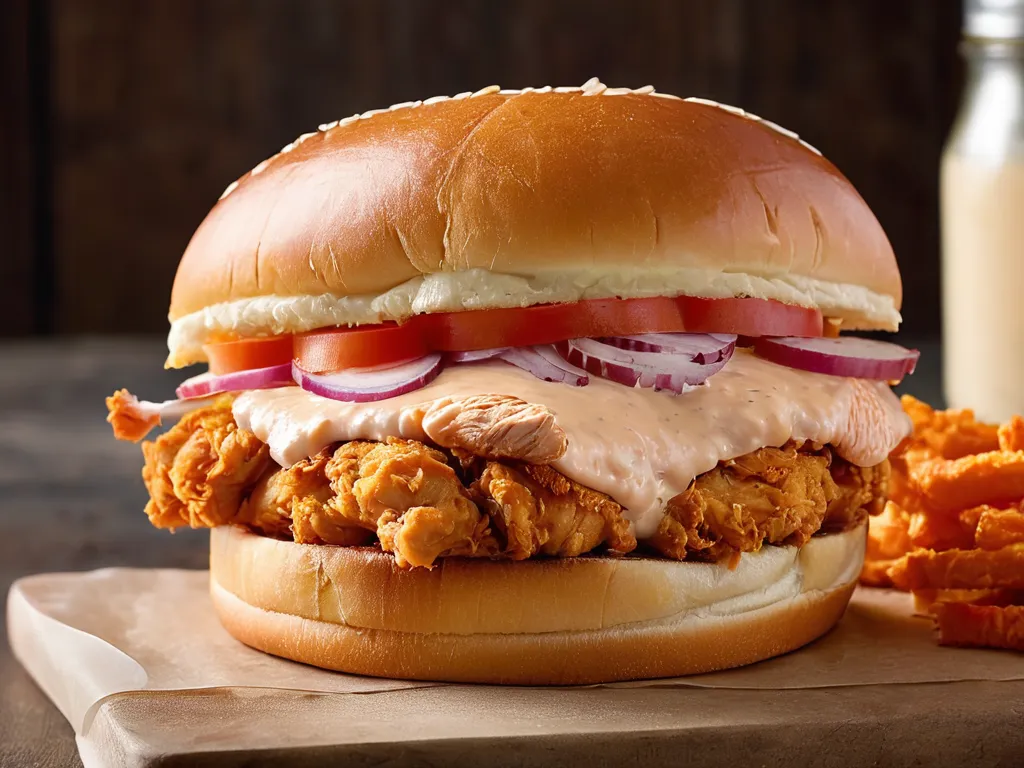
Popeyes Chicken Sandwich
When Popeyes dropped this sandwich in 2019, people lost their minds. Lines around the block, restaurants selling out in days, actual arguments on the internet about whether it was better than Chick-fil-A. Say what you want about the hype — the sandwich backed it up. A thick, juicy piece of chicken with a shatteringly crispy coating, tangy pickles, spicy mayo, and a buttery brioche bun. It is one of the best fast food items ever made.
The good news is that this sandwich is not complicated. It is just chicken, done right, with a couple of specific techniques that make the difference between “homemade fried chicken sandwich” and “wait, is this actually Popeyes?” Those techniques are the pickle brine, the buttermilk soak, and the double dredge. Get those three things right and you are 90% of the way there.
Why Chicken Thighs, Not Breasts
Popeyes uses a boneless breast, but at home, thighs are the better move. Here is why.
Chicken breasts dry out fast. The margin between “juicy” and “sawdust” is about 30 seconds of overcooking. Thighs, on the other hand, have more fat and connective tissue, which means they stay juicy even if you overshoot the temperature by a few degrees. They also have more flavor on their own, so the seasoning has something to build on instead of covering up bland white meat.
If you absolutely want to use breasts, pound them to an even 3/4-inch thickness so they cook evenly. But try thighs first. Most people who switch never go back.
The Pickle Brine
This is the step that separates a good fried chicken sandwich from the Popeyes version. The pickle juice does two things: it tenderizes the chicken through the acid (same principle as a citrus marinade), and it infuses the meat with a tangy, briny flavor that you will taste in every bite even under the coating.
Use the juice from a jar of dill pickles. Claussen, Vlasic, or store brand — all work fine. You need about a cup. Submerge the chicken thighs and let them sit in the fridge for 2-4 hours. Do not go longer than 4 hours or the acid will start breaking down the texture of the meat and it will get mushy.
The Buttermilk Soak
After the pickle brine, the chicken goes into a buttermilk bath. The buttermilk adds another layer of tenderness and creates a sticky surface that the flour coating clings to. Add a tablespoon of Frank’s RedHot to the buttermilk for a subtle heat that works its way into the meat.
Two hours minimum, overnight is ideal. The longer soak gives you more flavor penetration and a better coating adhesion.
Why 325°F Instead of 375°F
Most fried chicken recipes tell you to fry at 350-375°F. This recipe uses 325°F, and that is on purpose.
Chicken thighs are thicker than a tender or a cutlet. At 375°F, the outside coating will be dark brown and crispy before the inside is fully cooked. You will either have a burnt exterior or an undercooked center. At 325°F, the chicken cooks more evenly — the coating gets golden and crunchy without burning, and the internal temperature reaches 165°F at the same time the outside hits peak crispiness.
Use a thermometer. Do not guess. Oil temperature drops when you add cold chicken, so you may need to bump the heat up slightly after adding the first batch.
Pro Tips
- Rest the dredged chicken for 15 minutes before frying. This is not optional. The coating needs time to hydrate and stick to the meat. If you skip this, the flour will slide off in the oil and you will have naked, sad chicken.
- Use a wire rack, not paper towels. Paper towels trap steam against the bottom of the chicken and make the coating soggy. A wire rack lets air circulate on all sides so the coating stays crispy.
- Do not skip the cornstarch in the dredge. Cornstarch is what gives the coating that extra shatter. Without it, you get a regular fried chicken coating. With it, you get that audible crunch when you bite through.
- Let the oil come back to temperature between batches. Frying the first batch drops the oil temperature. Wait until it recovers to 325°F before adding the second batch.
The Michelin Twist
Here are some ways to dress it up:
- Nashville hot oil drizzle: Mix 2 tablespoons of the frying oil with 1 tablespoon cayenne, 1 teaspoon brown sugar, 1/2 teaspoon garlic powder, and a pinch of smoked paprika. Brush this spiced oil directly onto the fried chicken as soon as it comes out of the fryer. The heat penetrates the crust and gives you that Nashville hot chicken burn without overpowering the pickle brine flavor underneath.
- Bread-and-butter pickle relish with celery seed: Make a chunky relish from finely chopped bread-and-butter pickles, a splash of pickle juice, a pinch of celery seed, and a touch of Dijon mustard. This tangy-sweet condiment plays off the buttermilk coating better than plain pickle chips and adds a more layered, deli-style flavor.
- Brioche bun with brown butter and sage: Toast the brioche buns in brown butter with a few fresh sage leaves until the butter smells nutty and the sage is crispy. The brown butter soaks into the bun and adds a toasty, almost caramel depth that makes the whole sandwich taste richer.
Cost Breakdown
| Ingredient | Amount | Cost |
|---|---|---|
| Chicken thighs | 4 (1.5 lbs) | $4.50 |
| Buttermilk | 1 1/2 cups | $1.00 |
| Flour, cornstarch, spices | assorted | $1.00 |
| Brioche buns | 4 | $2.50 |
| Pickles | 1/4 jar | $0.75 |
| Mayo, hot sauce | assorted | $0.50 |
| Frying oil | 3 cups | $1.50 |
| Total | $11.75 |
That is about $2.95 per sandwich — compare to $5.49 at Popeyes, saving you about 46%
Nutrition (Per Serving)
- Calories: 580
- Protein: 32g
- Fat: 28g
- Carbs: 48g
More Popeyes Copycat Recipes
The chicken sandwich is the flagship — here’s the full Popeyes spread worth making alongside it:
- Copycat Popeyes Biscuits — the honey-buttered, flaky biscuits that come on the side. $0.15 each at home vs. $1.79 a piece at the counter.
- Popeyes Cajun Fries — the boldly seasoned, Louisiana-spiced fries that pair with the sandwich better than any other fast-food fry.
- Copycat Popeyes Blackened Chicken Tenders — use the same buttermilk brine from this recipe and pivot to tenders for a lighter weeknight variation.
See all Popeyes copycat recipes →