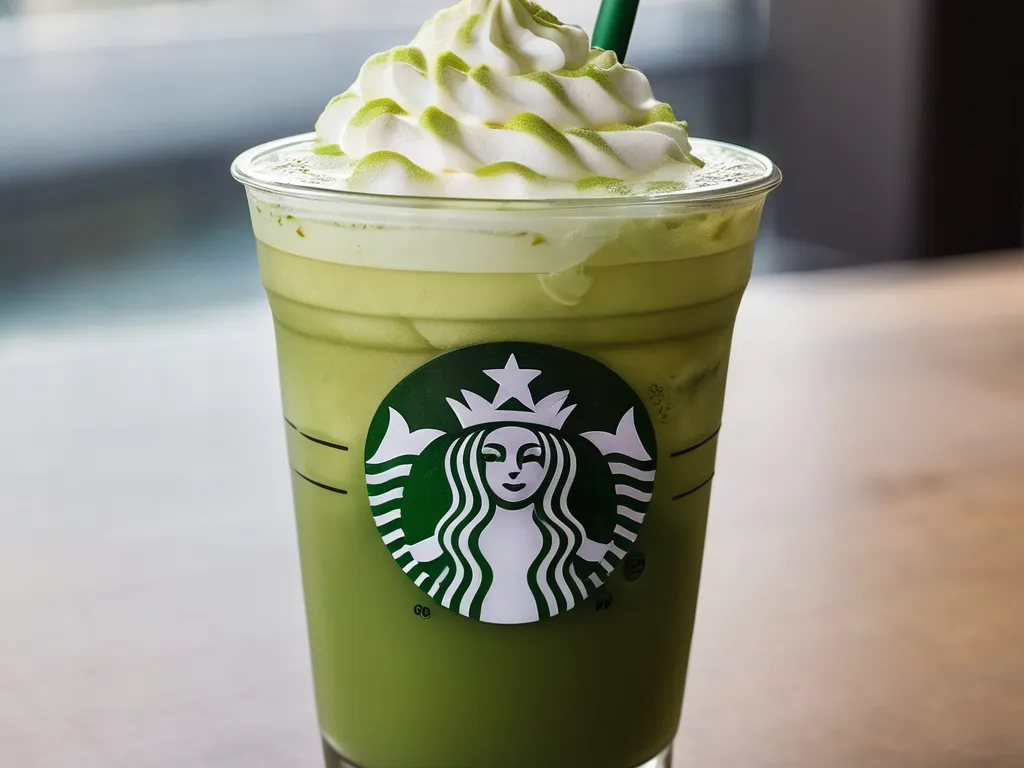
Copycat Starbucks Iced Matcha Latte
Prep time: 5 min | Servings: 1 | Cost: ~$0.85
A Grande Starbucks Iced Matcha Latte costs $5.72–$5.95. The home version costs about $0.85 and takes five minutes. If you drink three per week, the savings hit $790 per year.
One important update if you haven’t made this in a while: Starbucks changed their matcha formula in January 2025. They dropped the pre-sweetened matcha blend and switched to pure unsweetened matcha powder — the same kind you’d buy at any Japanese grocery or tea shop. The classic syrup that sweetens the drink is now added separately. This makes the home recipe more accurate to replicate, and it also means you can now order a Starbucks matcha latte with no syrup and actually get an unsweetened drink.
What Starbucks Actually Puts In an Iced Matcha Latte
The current (post-January 2025) Starbucks formula has three components:
1. Unsweetened matcha powder — shade-grown milled green tea, proprietary Starbucks blend. Pure matcha, no added sugar. A Grande gets 2 scoops (roughly 2 teaspoons).
2. Classic syrup — Starbucks’ standard simple syrup (water + sugar + natural flavor). A Grande gets 3 pumps by default, which is about 1.5 tablespoons. This is the sweetening layer; remove it and you get a fully unsweetened drink.
3. Milk + ice — 2% dairy as the default. The matcha and syrup are combined first, then poured over ice and milk.
That’s it. No pre-sweetened powder, no vanilla, no extra flavoring in the base recipe. The Grande totals 190 calories, 25g sugar, and 65mg caffeine.
Why the Matcha-to-Water Ratio Matters
Matcha is hydrophobic — the powder resists water and clumps into gritty balls if you try to dissolve it directly in cold liquid. The bloom step (2 tbsp of 175°F water per 2 tsp of matcha, whisked hard) creates a fully dissolved paste that then disperses smoothly through cold milk.
Two things ruin the bloom:
- Boiling water (212°F) scorches the delicate amino acids and chlorophyll in matcha, creating harsh, bitter, tannic flavors. The fix is a thermometer or a 2–3 minute rest after the kettle clicks off.
- Skipping the sift leaves clumps that won’t dissolve no matter how long you whisk. 30 seconds through a fine mesh strainer before adding water solves this completely.
Choosing the Right Matcha Powder
Matcha comes in two main grades, and they behave differently in this recipe:
Ceremonial grade — first-harvest tea leaves, stone-ground slowly, vibrant green color, smooth umami flavor. Meant to be whisked alone in hot water (traditional preparation). Price: $25–60 for a 30g tin. You can use it here, but you’re paying a premium for qualities that get masked by milk and sweetener.
Culinary grade — later-harvest leaves, processed for blending with other ingredients, slightly more bitter on its own, deeper green-to-olive color. Designed to work with sugar, milk, and flavoring — exactly how Starbucks uses it. Price: $10–20 for a 30g tin. This is the right choice for this recipe.
Good culinary-grade brands: Jade Leaf Organic Culinary Matcha, Encha Latte Grade, Ippodo Kan. Avoid the large canisters at grocery stores — they’re usually stale and oxidized, which turns the color yellow-green and the flavor harsh.
A 30g tin makes roughly 15 drinks at about $0.80 per serving for the matcha alone. Milk, syrup, and ice add pennies.
How to Make Iced Matcha Lemonade
Starbucks’ Iced Matcha Lemonade is the same matcha paste with lemonade replacing the milk. A Grande has 120 calories and about 28g sugar — nearly all of it from the lemonade, since the matcha itself is unsweetened. Caffeine is roughly the same as the latte (around 65mg), because the matcha quantity doesn’t change.
To make it at home: make the matcha paste exactly as above (2 tsp matcha + 2 tbsp hot water, whisked). Skip the syrup entirely — the lemonade already carries all the sweetness. Pour 1 cup of lemonade (Simply Lemonade or homemade) over ice, then add the matcha paste and stir. The result is tart, citrusy, and sharper than the milk version — less creamy but more refreshing in hot weather.
Starbucks Matcha Customizations Worth Knowing
Starbucks expanded their matcha lineup significantly in 2026 and now treats matcha as a menu pillar. The base Iced Matcha Latte supports several modifications:
- Extra matcha (3 scoops instead of 2) — deeper flavor, more caffeine (~97mg Grande), richer green color. Order “extra matcha” at the counter.
- No classic syrup — now possible since the January 2025 formula change. The matcha itself is unsweetened, so you get a genuinely sugarless drink.
- Oat milk — the most popular upgrade by customer order volume. Natural oat sweetness complements matcha’s vegetal notes without adding much sugar.
- Brown sugar syrup — replaces classic syrup for a warm, molasses-adjacent sweetness. Popular as an unofficial “copycat” of homemade versions.
For home use: the most useful customization is adjusting the syrup. Start with 1 tablespoon and work up — the matcha’s bitterness varies by brand and you may need less sweetening than you expect.
Milk Options and What Each Does
| Milk | Result | Notes |
|---|---|---|
| 2% dairy (default) | Creamy, neutral | Closest to standard Starbucks |
| Oat milk | Slightly sweeter, creamy | Most popular upgrade; natural sweetness reduces need for syrup |
| Whole milk | Richer, more indulgent | Adds 30–40 calories |
| Almond milk | Lighter, nutty | Thinner mouthfeel; slight flavor interference |
| Coconut milk | Tropical note | Works best if you like the flavor |
Tips for Getting It Right
Water temperature matters more than anything else. A quick-read thermometer ($12) removes all guesswork. If you don’t have one: boil water, let it sit exactly 3 minutes, then use it. Room temperature water will not work — it can’t dissolve matcha into a paste.
Pre-sifted matcha is a useful shortcut. Sift several 2-tsp portions into small containers or a pillbox at the start of the week. Each serving is ready to bloom without getting the strainer out.
The vanilla simple syrup in the original recipe here works fine as a substitute for Starbucks’ classic syrup. Classic syrup is unflavored (just water + sugar); vanilla simple syrup adds a mild vanilla note. Both work — it’s a personal preference question.
Storage
An assembled iced matcha latte doesn’t store — the ice melts, the matcha settles, and it separates within 20 minutes. Drink it immediately.
What stores well: the matcha paste (without syrup) keeps in a sealed container in the fridge for 2–3 days. Pre-bloom a few servings’ worth on Sunday and add syrup + milk + ice to order. The vanilla simple syrup keeps 2–3 weeks refrigerated.
Store matcha powder in an airtight tin, away from light and heat. Oxidized matcha turns yellow-green and tastes harsh; a well-sealed tin kept in a cool cabinet stays fresh for 6–12 months.
More Starbucks Drinks to Make at Home
- Starbucks Tropical Butterfly Refresher — Starbucks’ Summer 2026 centerpiece: passionfruit-guava base with butterfly pea flower color shift and mango-pineapple popping pearls.
- Starbucks Iced Peach Green Tea Lemonade — Teavana green tea + peach juice blend (white grape concentrate, no real peaches) + lemonade; Grande 80 cal / 25mg caffeine.
- Starbucks Pink Drink — the other photogenic non-coffee order: acai refresher base with coconut milk for $1.50 at home vs. $6 in store.
- Starbucks Medicine Ball — the honey citrus mint tea with its own cult status and an unofficial menu name.
See all Starbucks copycat recipes →