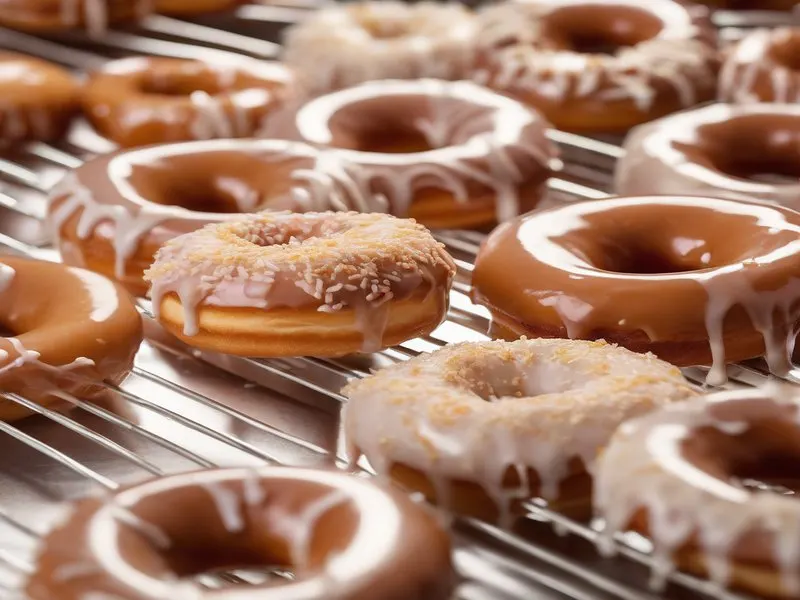
Copycat Krispy Kreme Original Glazed Donuts
Krispy Kreme Original Glazed donuts are one of the most-searched copycat recipes online, and most home versions miss the same two things: vegetable shortening in the dough (not butter) and corn syrup in the glaze (not milk). Get both right, proof the dough twice, fry at the correct pale-gold temperature, and double-dip in warm glaze. That’s the recipe.
The official Krispy Kreme Original Glazed donut is 190 calories per donut according to their nutrition information. The home version runs closer to 310 — the commercial product is slightly smaller, and the industrial draining process removes more frying oil.
The 1937 Origin: A Hole in the Wall in Winston-Salem
Krispy Kreme was founded on July 13, 1937 in Winston-Salem, North Carolina. Vernon Rudolph had inherited a secret yeast-raised doughnut recipe from his uncle, who had purchased it from a French pastry chef in New Orleans. Rudolph drove to Winston-Salem — reportedly because of the nearby R.J. Reynolds tobacco company and its workforce — with $25 and the recipe.
He initially sold donuts to grocery stores. But the smell of donuts cooking on the production line drew people off the sidewalk, so Rudolph cut a hole in the building wall and sold them directly, hot off the fryer. That was the origin of the “Hot Now” concept: fresh donuts, bought on the street, while still warm.
The original recipe is still kept in a vault in Winston-Salem. Krispy Kreme has never fully disclosed it.
Yeast Donut vs. Cake Donut: Why Krispy Kreme Is So Light
Krispy Kreme Original Glazed donuts are yeast-leavened, not cake donuts. This is the single biggest reason they’re so much lighter than grocery store donuts.
Yeast donuts: The dough is enriched (fat + eggs + sugar + dairy), allowed to ferment for 1-1.5 hours, shaped and proofed again, then fried. Yeast produces carbon dioxide that gets trapped in the gluten network, creating a web of air bubbles. The result is a light, slightly chewy interior — almost bread-like, but tender from the enrichment.
Cake donuts: Leavened with baking powder or baking soda, mixed quickly, fried immediately. Denser, more uniform crumb. No proofing time. Faster to make, but a fundamentally different texture.
Dunkin’ also uses yeast donuts, but Krispy Kreme’s dough has more shortening, which gives it a specific tenderness — the crumb is finer, the texture is more delicate.
The Proofing Process: Why You Can’t Rush It
The recipe has two rising periods, and both matter.
Bulk fermentation (1 to 1.5 hours): This is when the yeast ferments, producing CO2 and flavor compounds (organic acids, esters) that give the dough depth. Skipping it or cutting it short produces a bland, dense donut.
Bench proof (30-40 minutes after shaping): After cutting the donuts, the gluten network has been stressed and the gas expelled. The bench proof lets the yeast reactivate and the dough re-inflate. A fully proofed donut should look noticeably larger and puffy, and the pan should jiggle slightly when you shake it — the donuts are so full of gas they bounce.
If the donuts don’t pass the jiggle test, wait. Under-proofed donuts are dense and bready, and no amount of proper frying will fix them.
Oil Temperature: Pale Gold, Not Brown
The target temperature is 350-360°F, and the donuts should come out a very light pale gold — much lighter than most people expect from fried food. Krispy Kreme’s commercial process keeps the temperature tightly controlled for exactly this reason.
Why pale? Well-proofed donuts are full of gas. They cook through quickly at 350°F before the surface has time to develop much color. The Maillard reaction (surface browning) takes time — and these donuts don’t have much time at the right temperature before the interior sets.
What dark donuts mean: Either the oil is too hot (surface browns before interior cooks), or the donuts were under-proofed (denser dough takes longer to cook through, sitting in the oil longer). Dark = not right.
Temperature recovery: The oil temperature drops the moment you add donuts. Add only 2-3 at a time, let the oil recover between batches, and monitor constantly. Below 340°F, donuts absorb oil instead of forming a crust — they come out greasy.
Oil type: Vegetable shortening or canola oil both work at home. Krispy Kreme fries in a vegetable shortening blend and reformulated it to remove trans fats in the late 2000s. Peanut oil gives a slightly richer flavor. Avoid olive oil (wrong smoke point, wrong flavor).
The Glaze: Thinner Than You Think, and Corn Syrup Is the Secret
The Krispy Kreme glaze contains three ingredients: powdered sugar, water, and light corn syrup. Not milk. The corn syrup is why the glaze dries to a hard, glossy, crackly film instead of a soft, matte coat.
How corn syrup works: Corn syrup is an invert sugar — it contains fructose and glucose in addition to sucrose. Invert sugars are hygroscopic (they absorb water from the air) but they also interfere with sugar crystallization. A glaze made with only powdered sugar and liquid crystallizes as it dries — it goes from glossy to grainy and matte. Corn syrup prevents that crystallization, keeping the glaze smooth and glass-like as it hardens.
The temperature matters: Both the glaze and the donut should be warm during dipping. The commercial process runs donuts through a glaze waterfall at roughly 100-110°F immediately after frying. At home, keep the glaze in a saucepan over the lowest possible heat and dip donuts while they’re still warm from frying — not room temperature. Cold donut + cold glaze = thick, uneven coating that doesn’t adhere properly.
Double-dip: One coat isn’t enough to replicate the characteristic thick, crackly shell. Let the first coat set for 3-4 minutes (it will look partially transparent), then dip again. The second coat builds up the layer that cracks when you bite through it.
Consistency check: The glaze should look almost too thin — nearly transparent when warm. If it’s white and opaque at temperature, it’s too thick; thin with a teaspoon of water at a time. When you lift a donut out of the glaze and the excess drips cleanly away, the consistency is right.
Why Most Home Versions Fall Short
The five most common failure modes, in order of how often they derail a batch:
-
Under-proofed donuts. If the bench proof is cut short, the donuts are dense. You can’t taste raw dough, but you can see it: they puff dramatically when proofed and jiggle when you shake the pan. If they’re not doing that, wait.
-
Using butter instead of shortening. Butter’s water content creates steam pockets during cooking, producing a different (more bready) crumb. It also has a lower melting point, which changes how the fat distributes in the dough. Shortening isn’t glamorous, but it’s the right fat for this application.
-
Milk in the glaze instead of corn syrup. The single biggest reason home glazes don’t crack: no corn syrup. The glaze made with powdered sugar + milk is softer, stickier, and goes matte as it dries. Add corn syrup.
-
Oil temperature problems. Too hot = brown outside/underdone inside. Too cool = greasy and dense. The temperature drop when adding donuts is significant — if you don’t recover between batches, you’ll fry the later batches in oil that’s too cool.
-
Draining on paper towels. Paper towels trap steam under the donut, softening the bottom. Always drain on a wire rack set over a sheet pan.
Variations
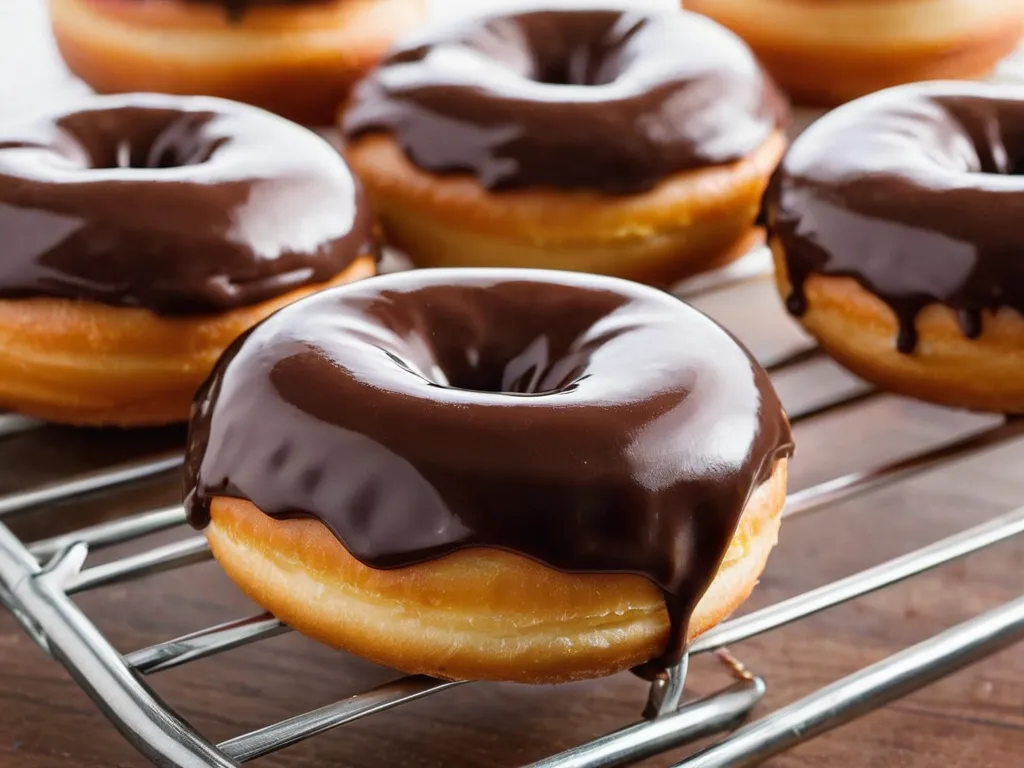
Chocolate iced: Replace the vanilla glaze with a chocolate glaze: melt 4 oz semi-sweet chocolate with 1/3 cup heavy cream and 1 cup sifted powdered sugar, stir until smooth. Dip donuts in warm chocolate glaze and let set. See also the Copycat Krispy Kreme Chocolate Iced Donut guide for the full chocolate version.
Strawberry glazed: Add 2 tablespoons strawberry jam (warmed and strained) to the standard glaze in place of the vanilla extract. Pink, slightly fruity.
Cinnamon sugar: Skip the glaze entirely. While donuts are still warm from frying, toss in a bowl of 1/2 cup sugar + 1 teaspoon cinnamon.
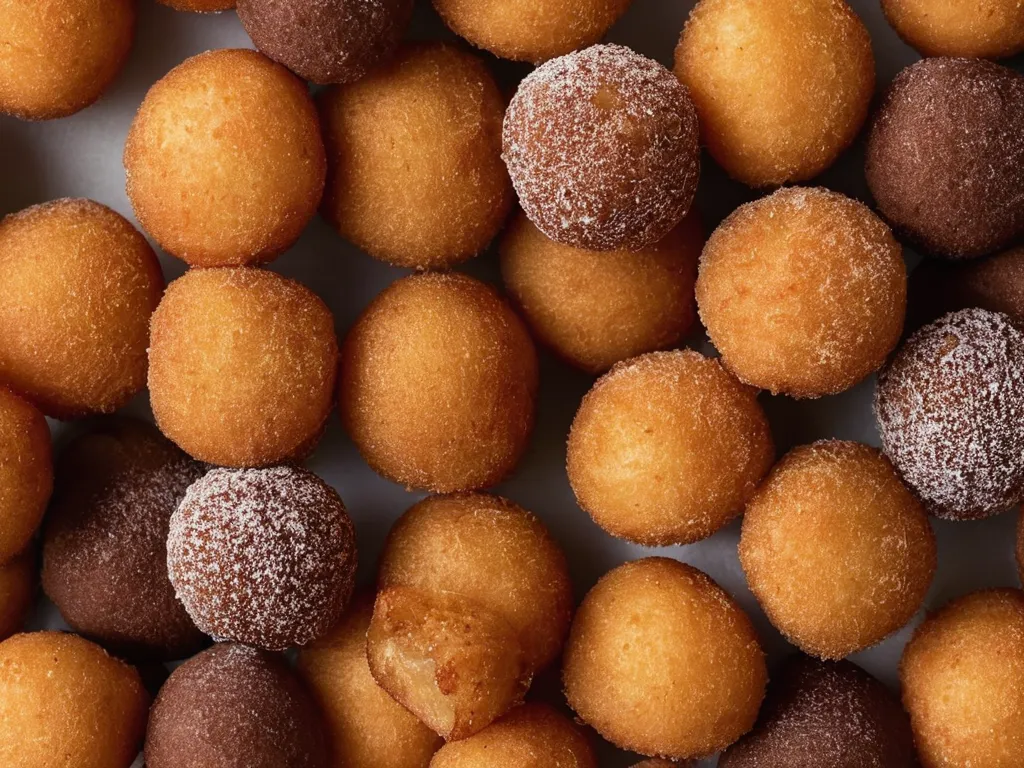
Donut holes: The cut-out centers fry in about 45 seconds per side. Make a small batch of glaze and toss them in it. For a dedicated donut-hole recipe, see the Copycat Dunkin’ Munchkins guide.
Krispy Kreme vs. Dunkin’: What’s Actually Different
| Krispy Kreme Original Glazed | Dunkin’ Glazed | |
|---|---|---|
| Leavening | Yeast | Yeast |
| Texture | Lighter, airier, more tender | Slightly chewier, denser |
| Glaze | Thin, crackly, glossy (corn syrup) | Softer, more opaque |
| Size | ~3 inches | ~3 inches |
| Official calories | 190 | ~260 |
The calorie difference reflects mainly the glaze thickness and the amount of enrichment in the dough. Krispy Kreme’s thinner glaze contains fewer calories than Dunkin’s thicker coat. See the Dunkin’ Glazed Donut recipe for a side-by-side comparison.
Cost Comparison
| Cost | Per Donut | |
|---|---|---|
| Krispy Kreme (dozen, store) | ~$14.99 | ~$1.25 |
| Krispy Kreme (individual) | ~$2.00 | $2.00 |
| This recipe (12 donuts) | ~$3.80 in ingredients | ~$0.32 |
The cost difference is most significant if you need a full dozen. The ingredients — flour, shortening, powdered sugar, corn syrup, yeast, eggs, milk — are pantry staples, and the active time is under 30 minutes for a batch.