Krispy Kreme Copycat Recipes
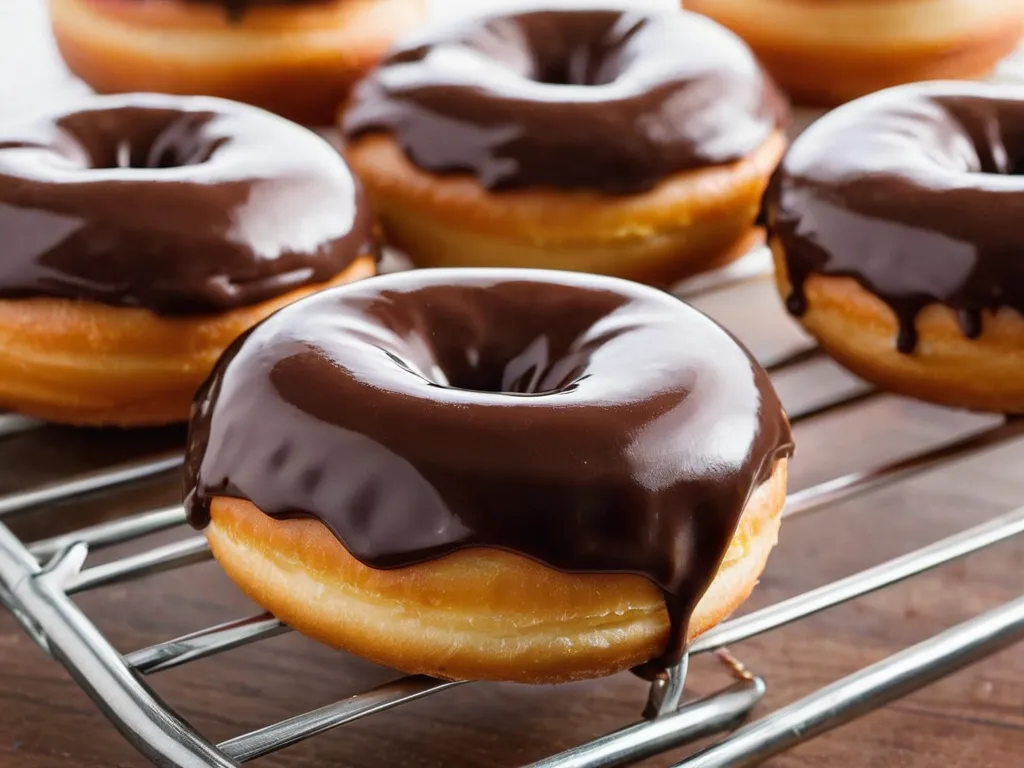
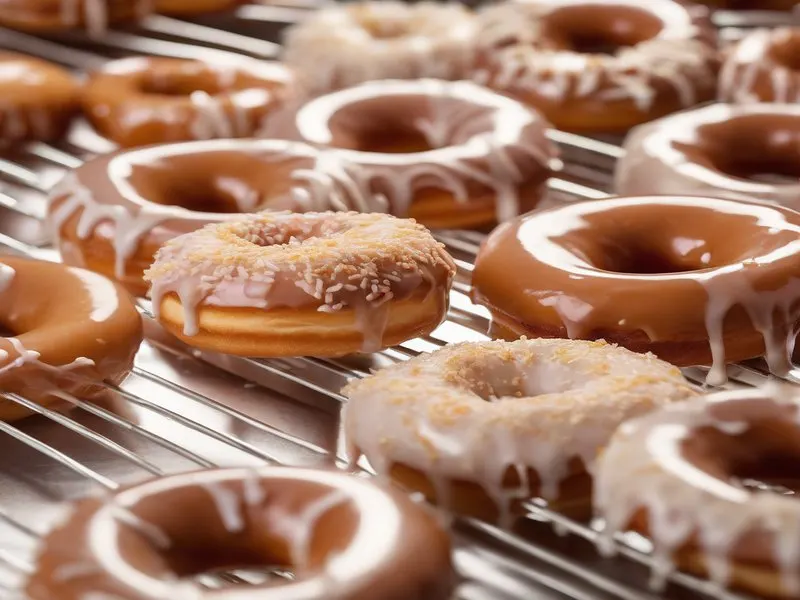
Krispy Kreme's Original Glazed is the benchmark yeasted donut — light, airy, and coated in a thin crackly glaze. Our copycats cover the yeast dough technique, the exact glaze recipe, and the Chocolate Iced version.
2 recipes
Krispy Kreme was founded in 1937 in Winston-Salem, North Carolina by Vernon Rudolph, who bought a yeast-raised donut recipe from a French chef in New Orleans and began selling hot donuts out of his car to local grocery stores. The company opened its first retail store the same year, cutting a hole in the wall to sell hot donuts directly to passersby on the sidewalk — the genesis of the 'Hot Now' light tradition. The Hot Light — a red sign illuminated when fresh donuts are coming off the glazing machine — is Krispy Kreme's most famous marketing device. The Original Glazed donut is a yeasted (not cake-style) donut: the dough is lighter, chewier, and more delicate than a Dunkin' donut. The glaze is applied immediately when the donuts come off the fryer, while they're at peak temperature — the heat thins the glaze so it flows into every surface and dries to a thin, crackly shell. Our Krispy Kreme copycats cover the Original Glazed, Chocolate Iced, and Glazed Donut Holes.
Frequently Asked Questions
What makes Krispy Kreme donuts lighter than other donuts?
Three factors: yeasted (not cake) dough, a very soft enriched recipe (higher fat from milk and shortening), and a low-fry temperature (365°F) that lets the donut puff without over-crisping the exterior. Most home recipes fail because the oil is too hot (375°F+), which sets the crust before the dough fully expands. Krispy Kreme's texture is almost cloud-like — barely structured, yielding. You need a longer, cooler fry and very soft, fully proofed dough to replicate it.
What is the exact Krispy Kreme glaze recipe?
The glaze is 2 cups powdered sugar, 4 tbsp whole milk, 1 tsp vanilla extract — whisked until smooth. It should be thin enough to pour and coat a spoon (thinner than frosting). Dip freshly fried donuts while still hot — the heat thins the glaze further so it flows everywhere, then it sets as the donut cools. If the glaze is too thick, add milk a teaspoon at a time. If your donuts have cooled, briefly warm them in the microwave (10 seconds) before dipping — a cold donut gives you a thick, clumped glaze instead of the signature thin shell.
Is the Krispy Kreme dough yeast-raised or cake-style?
Always yeast-raised. Cake donuts use chemical leavening (baking powder), which produces a denser, crumblier texture. Krispy Kreme's Original Glazed uses active dry yeast and a two-rise process: an initial 1-hour rise after mixing, then a 30–45 minute proof after cutting the rings. The yeasted dough is what creates the light, slightly chewy interior. Cake donuts are easier to make but produce an entirely different product — if your goal is a Krispy Kreme copycat, don't substitute cake dough.
Can I make Krispy Kreme donuts without a deep fryer?
You need oil deep enough to submerge a donut — at least 2 inches in a heavy-bottomed pot or Dutch oven. A deep fryer isn't required, but a thermometer is essential: 365°F is the target, and +/- 10 degrees changes the result significantly. Too hot and the outside cooks before the inside proofs; too cold and the donut absorbs more oil and becomes greasy. A 5.5-quart Dutch oven with a clip-on thermometer does the job for about 12 donuts per batch.