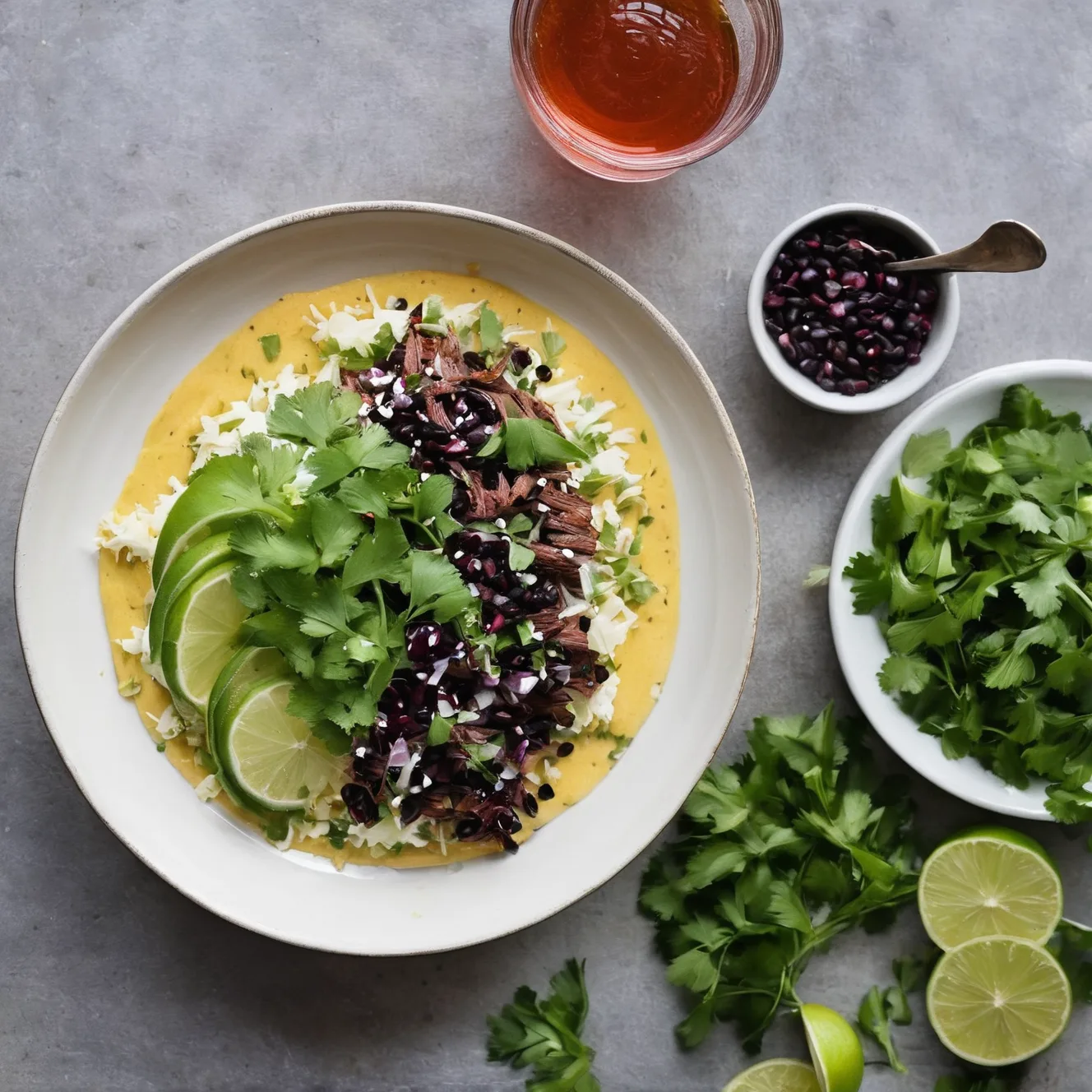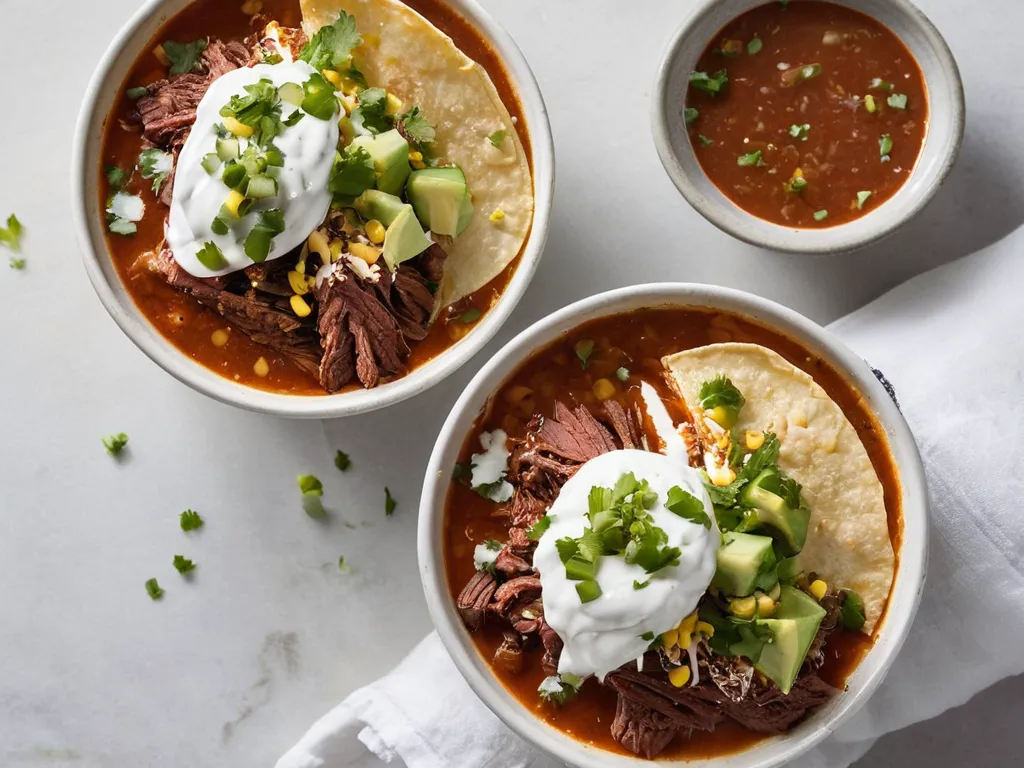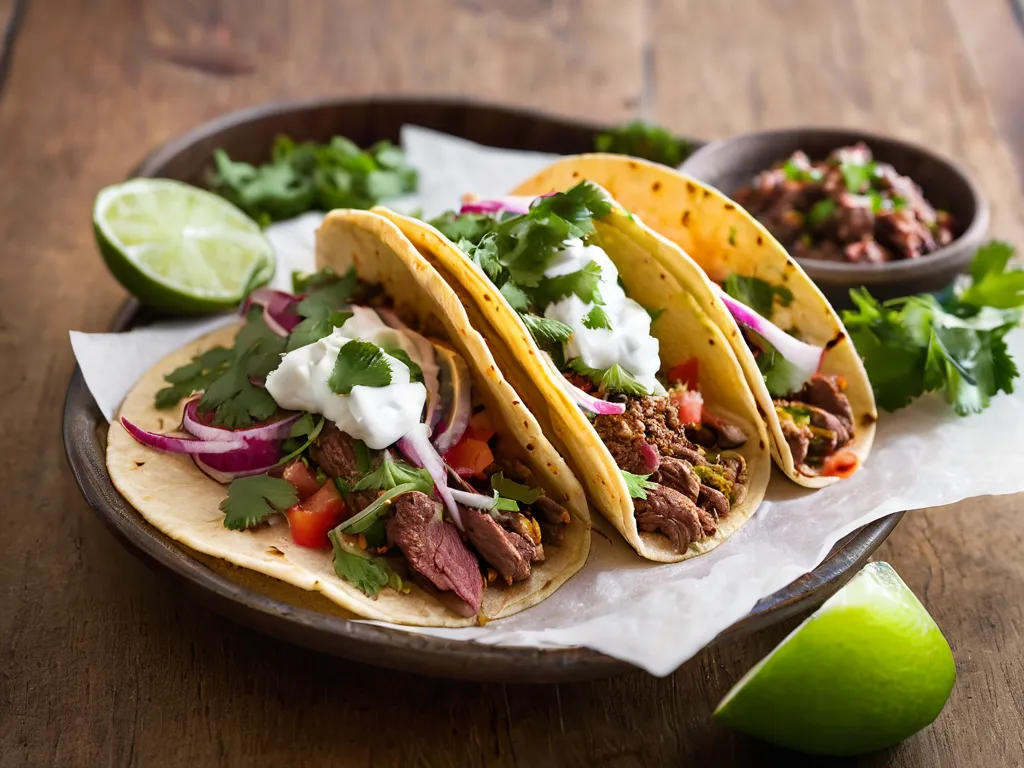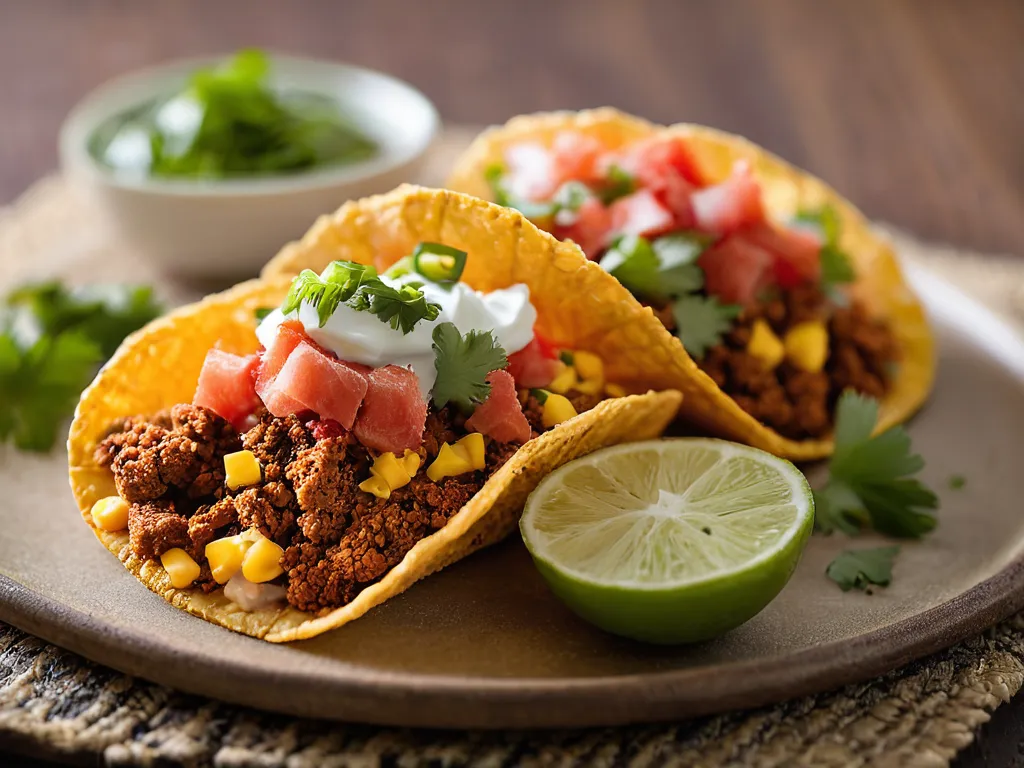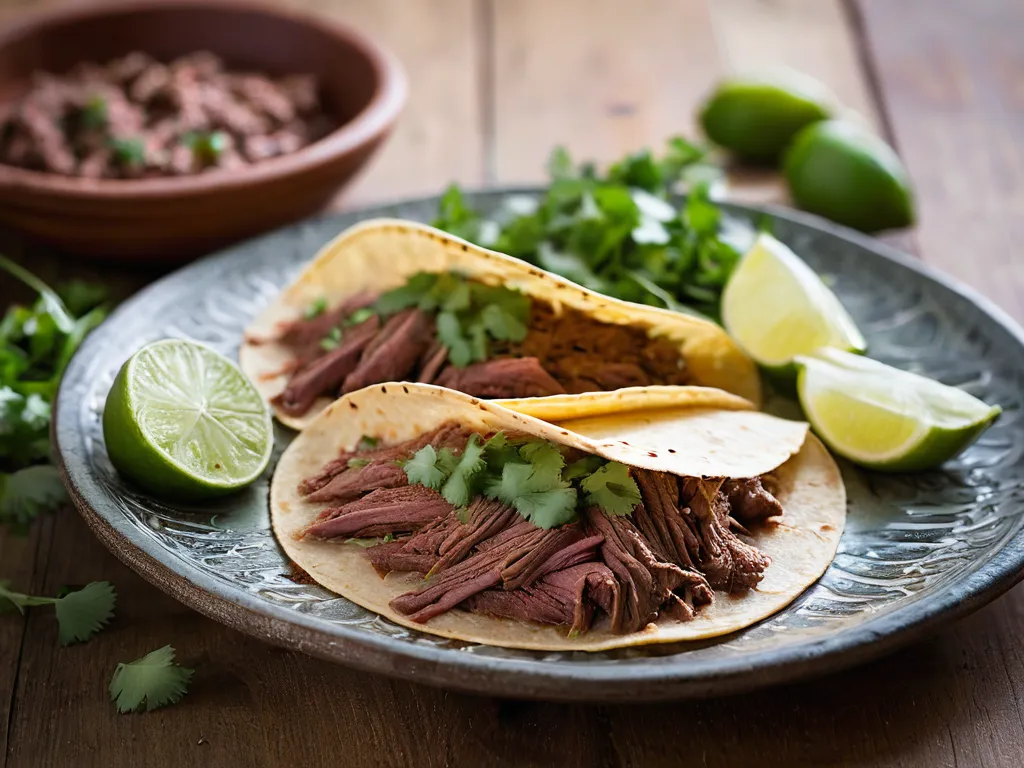
Birria is one of the few dishes that tastes exactly as dramatic as it looks. You get a small cup of deep red, intensely flavored consomé alongside two soft corn tortillas packed with shredded beef that’s been braising in a blend of dried chiles for the better part of an afternoon. Every bite gets dipped. The consomé doesn’t just accompany the taco — it completes it.
TikTok made the griddled, cheese-pull quesabirria version famous starting in 2020. But the original — soft tortillas, shredded beef, fresh cilantro and onion, consomé for dipping — has been a Sunday staple in Jalisco and across Mexican-American communities for generations, and it requires no griddle, no Oaxaca cheese, no special technique beyond patience with a Dutch oven.
The Jalisco Origin
Birria comes from the highlands of Jalisco state in western Mexico — traditionally associated with the town of Cocula, southwest of Guadalajara. The dish traces back to the 16th century, when Spanish colonizers brought goats to the region. The animals multiplied fast and ate through native crops, and indigenous cooks began using the gamey, tough goat meat out of necessity — developing a slow-braising technique with the dried chiles already native to the region that transformed it into something deeply flavored and tender.
The word “birria” itself is Mexican slang for something of poor quality — a nod to goat meat’s low reputation among the colonizers, and to the fact that local cooks turned that “inferior” animal into one of Mexico’s most celebrated dishes.
Beef birria is a later adaptation. As goat became expensive and harder to source in mid-20th century Tijuana, taqueros switched to beef, and birria de res took root in Baja California before spreading through Mexican-American communities in Los Angeles and beyond. The cheese-dipped, griddled quesabirria style emerged from those same Tijuana stands and reached TikTok virality in late 2020, racking up over 470 million hashtag views. Today both versions coexist, but beef birria — especially with chuck roast — is what most home cooks make and what this guide covers.
The Three-Chile System
The flavor of birria lives in its dried chile blend. Three chiles do distinct work:
Guajillo chiles (4 in this recipe) are the foundation. Long, deep red, and mildly fruity, they provide the sauce’s signature color, a tangy sweetness slightly reminiscent of cranberry, and gentle heat (about 2,500 Scoville). Most of the red in the consomé comes from guajillo.
Ancho chiles (2 in this recipe) are dried poblano peppers. Dark, wrinkled, almost black, they contribute a deep, chocolatey, raisin-like richness that gives birria its complexity. Without ancho, the sauce is flat and one-dimensional despite being technically correct. With it, the braise has layers.
Chiles de árbol (3–4) are the heat source — thin, bright red, fiery little chiles around 15,000–30,000 Scoville. Three gives moderate heat that adults can handle. Four pushes it into the kind of warm that builds as you keep eating. The árbol amount is the one variable to adjust for your crowd.
The exact ratio matters. Too many árbol and the whole braise becomes aggressively hot and loses the nuance of the guajillo and ancho. Too few guajillo and you lose the color and fruit that defines the dish. Use the amounts here on the first batch, then adjust from there.
Choosing the Beef
Chuck roast is the standard for beef birria, and it works well: the intramuscular fat and connective tissue break down during the braise into gelatin, which is part of what gives a good consomé its silky body. Cut it into 3-inch chunks rather than braising in one piece — more surface area means a better sear and the meat absorbs more of the adobo from the inside out.
Bone-in short ribs produce the richest consomé because the bones release collagen and marrow directly into the braising liquid — the result is more viscous and complex. They’re more expensive, but for a special occasion batch this is the move.
Beef shank is another traditional choice in some regions. Shank has a high collagen content (from being a working muscle) and produces excellent consomé. It can take slightly longer to become fully tender — budget 3.5 to 4 hours.
What to avoid: lean cuts like top round or sirloin. They don’t have the fat or connective tissue needed to become tender and succulent in a braise — they dry out and shred into cottony threads.
The Adobo Technique: Toast, Soak, Blend, Strain
These four steps done correctly are the difference between birria and chili.
Toast the dried chiles in a dry skillet until fragrant and slightly puffed. This wakes up the volatile flavor compounds that are dormant in the dried chile and adds a roasty note to the background of the sauce. You want fragrant and slightly darkened, not black. Black = bitter = the whole batch suffers.
Soak in just-boiled water for 20 minutes. Dried chiles need to rehydrate fully before blending — a partially softened chile won’t blend smooth and leaves raw-feeling pieces in the sauce. Reserve some of the soaking liquid; it carries dissolved flavor.
Blend with the tomatoes, onion, garlic, and spices for at least 2 full minutes. Speed and time matter. Short blending leaves fibrous chunks. Two minutes on high creates a nearly smooth purée.
Strain through a fine mesh strainer. This step is optional in many home recipes, but it’s what separates a gritty, rustic sauce from the silky adobo that goes into restaurant-quality birria. The fine strainer catches chile skin fragments and undissolved seed particles. The resulting sauce is smooth, glossy, and pours evenly.
Braise Low and Slow
The braise itself is simple once the adobo is made: sear the beef for crust and flavor, combine with the adobo and broth, cover, and leave it alone.
The most common mistake is too-high heat. A vigorous boil during the braise toughens the meat before the connective tissue has time to dissolve. What you want is a bare simmer — small, lazy bubbles breaking the surface every few seconds. Cover the pot tightly so you trap steam, check the liquid level every hour, and resist the urge to stir constantly. The beef needs time, not attention.
At 3 hours, test by pressing a chunk with a fork. It should yield completely — no resistance. If you feel any springiness, give it another 30 minutes.
The Consomé: Don’t Skip the Strain
The braising liquid becomes the consomé, and it makes or breaks the dish. After removing the beef, pour the liquid through a fine mesh strainer. This removes any stray connective tissue strands, spice fragments, and fat globules in favor of a clear, deeply flavored broth.
You’ll see a layer of red fat floating on the surface after straining. Skim it and save it. This is the birria fat — it’s infused with chile flavor and color, and it’s what you use to dip the tortillas when making quesabirria tacos. For traditional birria tacos, the fat stays skimmed out of the drinking consomé, but don’t throw it away.
Season the strained consomé with salt. It will likely need more than you expect — braising liquid dilutes significantly and needs assertive seasoning to taste right in the cup. A cup of consomé should be deeply savory, slightly spicy, with the dried chile complexity front and center.
Assembling Traditional Birria Tacos
Traditional birria tacos are simpler than quesabirria: soft warmed corn tortillas, a generous pile of shredded beef, fresh diced white onion, chopped cilantro, a squeeze of lime. The consomé comes on the side in a small cup or bowl.
The double-tortilla stack is standard — two tortillas prevents the taco from tearing under the weight of the filling and stands up to the consomé dip. Single-tortilla birria tacos disintegrate immediately.
Don’t skip the lime. The acidity cuts through the richness of the braise and brightens the chile flavors in a way that nothing else does. Squeeze it just before eating, not before assembling.
The consomé dip is the point. Eat a bite of taco, dip into the consomé, eat more taco. The warm broth softens the tortilla slightly each time you dip, and the combination of the dry, herb-spiced meat with the concentrated, fatty broth is where the whole dish clicks. If you skip the dipping, you’re eating half a meal.
For the Crispy Cheese-Pull Version
If you want the griddled, Oaxaca-cheese, TikTok-famous version — see the full quesabirria tacos recipe. The birria braise here is identical; the difference is in the assembly. Quesabirria dips the tortilla in the red chile fat before cooking, loads it with shredded beef and cheese, folds and presses it on a flat griddle until crispy on both sides, and serves it with the same consomé. Both are made from the same pot of birria — so you can assemble traditional soft tacos for some guests and quesabirria for others from the same batch.
Cost: Home vs. Restaurant
A plate of 3 birria tacos at a taqueria or food truck typically runs $12–18 depending on the city. This recipe yields approximately 16 tacos for $28–38 in ingredients (chuck roast at $6–8/lb, dried chiles, aromatics). That’s roughly $1.75–2.40 per taco — less than half the restaurant price. The braise also produces excellent leftovers that reheat well over several days, and the birria shreds and freezes cleanly for up to 3 months.