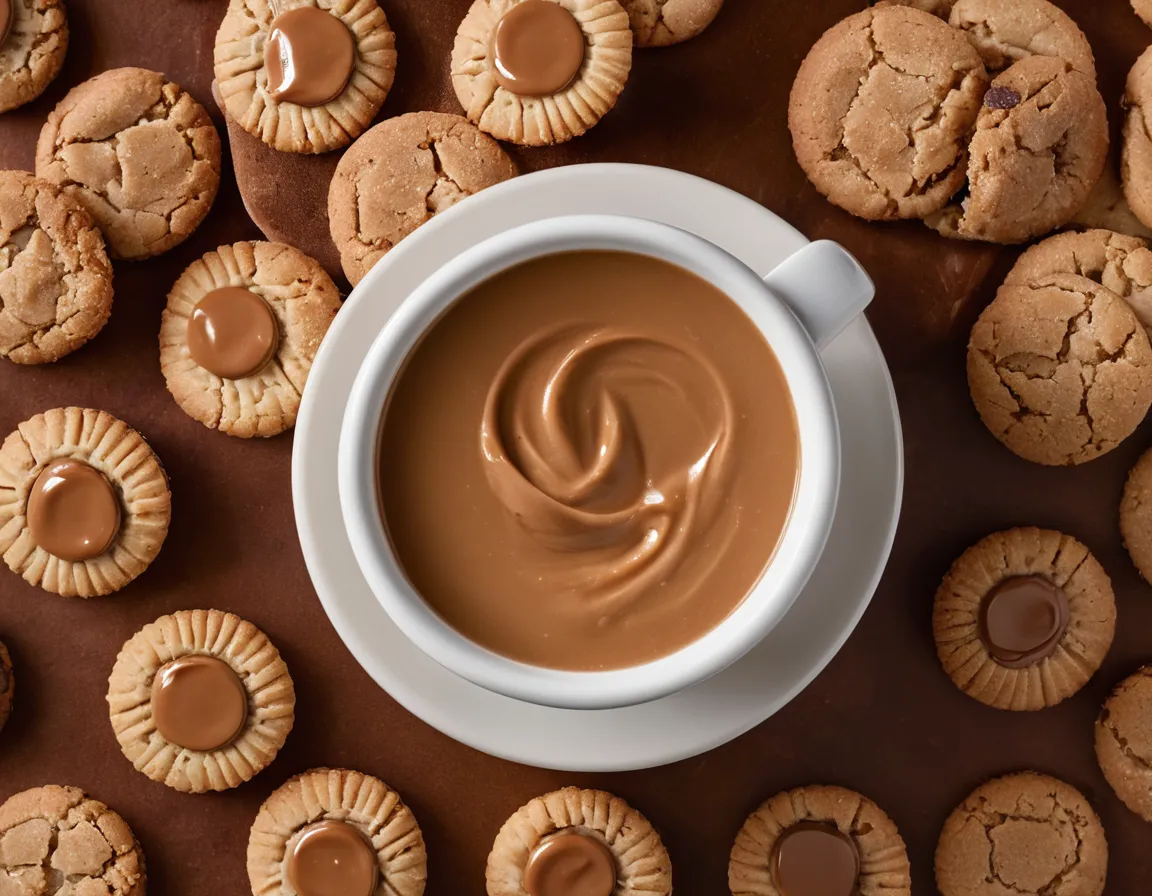
Copycat Cookie Butter (Biscoff / Trader Joe’s Speculoos)
Prep time: 5 minutes Servings: about 12 tablespoons (one jar) Cost at home: under $2 per batch vs. $4–5 for a jar of Biscoff or Trader Joe’s Speculoos
Cookie butter is one of those foods with a confusing name: it has no butter in it. The “butter” refers to the smooth, buttery consistency — the same reason a nut butter is called peanut butter. The spread is made from ground Speculoos cookies blended with vegetable oil until silky. That’s it.
Lotus Biscoff Spread is the original, made by Belgian company Lotus Bakeries — founded in 1932 in Lembeke, Belgium — from the same cookies that became a staple on airline trays and café coffee saucers. Trader Joe’s popularized the product in the US in 2011 by introducing their own Speculoos Cookie Butter, which triggered a small national obsession and years of “are you Team Biscoff or Team TJ’s” debates.
Both are easy to make at home in under five minutes. The key insight most recipes miss: do not use dairy butter. Use oil.
What Makes This Spread Unique
The whole character of cookie butter comes from two things: the spiced cookies and the fat that holds them together.
The cookies. Speculoos (pronounced SPEH-kyoo-lohss) are Belgian spice cookies made with caramelized sugar and cinnamon as the primary flavor notes. An important distinction: Belgian speculoos (what Biscoff is) is not the same as Dutch speculaas. Dutch speculaas uses a full spice blend — cinnamon, nutmeg, clove, ginger, cardamom, black pepper. Belgian speculoos is leaner, built primarily on caramelized sugar and cinnamon, with a deep roasted-caramel quality that comes from the candy sugar syrup. This is why Biscoff tastes like sophisticated caramel-cinnamon rather than Christmas gingerbread. Trader Joe’s Speculoos Cookies add nutmeg alongside cinnamon, giving their version a slightly more complex, gingerbread-adjacent flavor. When either cookie is ground, the result smells intensely of caramel and warm spice.
The fat. Lotus Biscoff Spread uses vegetable oil — canola oil on the US label, palm and rapeseed oil on the European one. At home, refined coconut oil or any neutral vegetable oil — sunflower, grapeseed, canola — gives the same result. The oil is what keeps the spread soft at room temperature and smooth on toast. If you used dairy butter, the spread would firm up hard in the fridge and have a heavier mouthfeel. One of the side benefits of the oil-based formula: the spread is entirely dairy-free and vegan, despite tasting like something indulgent and creamy.
Cookie Choice Matters
The recipe only has two required ingredients, so the cookies you choose determine 90% of the final flavor.
Lotus Biscoff: The original and most widely available. Sold at Trader Joe’s, most major supermarkets, Amazon, and Costco (where they sell large cases). A standard Biscoff sleeve has about 16 individually wrapped two-cookie packets — you need two full packets (32 cookies) for one batch.
Trader Joe’s Speculoos: Slightly coarser texture in the final spread, very slightly more pronounced spice. If you prefer TJ’s Cookie Butter to Biscoff Spread, use TJ’s cookies and you’ll nail the flavor.
Aldi Specially Selected Speculoos: Nearly identical to Biscoff at lower cost; sold seasonally. If your Aldi has them, they’re the best value option.
Ginger snaps (Nabisco, Anna’s): A workable substitute if you can’t find Speculoos. The spice profile is more ginger-forward and less caramelized than true Speculoos. The spread will taste more like gingerbread than Biscoff — good in its own right, but noticeably different.
The Technique (It’s Really Simple)
The home process is:
- Grind cookies to powder in a food processor (30–45 seconds)
- Stream in oil while the processor runs (30 seconds)
- Add boiling water, 1 tablespoon at a time, until silky-smooth
- Transfer to a jar while still warm
The hot water step is the real technique secret most copycat recipes skip. Cold oil alone produces a spread that’s thick and slightly grainy. Adding boiling water — just 2–4 tablespoons — emulsifies the paste, makes it glossy, and produces the characteristic silky texture of the commercial product. The spread looks slightly thin in the processor bowl but firms up to perfect spreadable consistency as it cools to room temperature.
The hardest part is not over-processing — once the spread looks glossy and smooth, stop. It will thicken as it cools.
Smooth vs. crunchy: For smooth (Biscoff Original), process until the spread is completely uniform. For crunchy (Biscoff Crunchy), stop 15 seconds early, or process smooth and then pulse in 3–4 whole cookies at the end to create chunks.
Drizzle consistency: Add an extra tablespoon or two of oil for a pourable sauce — excellent over vanilla ice cream, waffles, or blended into a Frappuccino.
Five Ways to Use Cookie Butter
Beyond the classic toast spread, cookie butter belongs in a wider range of recipes than most people realize:
Toast and waffles. The obvious one — generously spread on toast with a pinch of flaky salt on top. Waffle syrup replacement that makes brunch feel like a special occasion.
Swirled into ice cream. Drop spoonfuls of room-temperature cookie butter into a pint of vanilla ice cream, close the lid, and freeze for an hour. The butter ribbons solidify into chewy, spiced streaks. It’s the same trick behind cookie butter ice cream at Trader Joe’s.
Frosting for cupcakes. Beat 2 tablespoons of room-temperature cookie butter into cream cheese frosting for a spiced, warmly flavored topping that pairs particularly well with chocolate or banana cake.
Dubai-style chocolate bars. The Dubai chocolate bar trend went viral in 2024 partly because the filling — knafeh pastry + pistachio cream — had the same sweet-nutty-spreadable structure as cookie butter. Cookie butter makes an easy substitute filling for homemade chocolate bars: spread onto a chocolate shell, top with crushed kataifi or Biscoff crumbs, seal with more chocolate. (See our Dubai chocolate bar recipe for the full technique.)
Mixed into oatmeal or overnight oats. A tablespoon stirred into hot oatmeal melts in and adds spiced sweetness without refined white sugar. A good swap if you’d otherwise use brown sugar and cinnamon separately.
Cost and Yield
A jar of Lotus Biscoff Spread (400g, about 27 tablespoons) costs $4.50–5.50 at most retailers. A pack of 32 Biscoff cookies (enough for a full batch) costs about $1.75–2.00 depending on where you buy them. A tablespoon of coconut oil adds pennies. Total cost to make 12+ tablespoons of homemade: about $2.00–2.25.
The flavor is identical. The only real difference: homemade has a slightly fresher, more intense cookie aroma in the first few days, before the volatile spice notes from the cookies fully settle. Some people prefer it.
What About Other Cookie Butters?
Beyond Biscoff and TJ’s, the cookie butter category has expanded significantly:
Crunchy varieties. Both Biscoff and Trader Joe’s sell crunchy versions — same recipe but with larger cookie pieces folded into the smooth base. The home version (pulse a few whole cookies in at the end) replicates this exactly.
White chocolate cookie butter. TJ’s has sold a white chocolate version seasonally. To make it at home: melt 2 tablespoons of white chocolate chips and fold into the finished spread. Best served slightly warm before it re-solidifies.
Cookie butter cheesecake. The spread has enough fat and sugar to function as a mix-in for no-bake cheesecake filling. Beat 1/4 cup into cream cheese with powdered sugar for a filling that needs no eggs or baking — just refrigerate until set. (See our copycat Cheesecake Factory dulce de leche cheesecake for the base technique.)
The same warmly spiced, caramelized flavor also shows up in other recipes where you’d reach for cookie butter as a shortcut: copycat Cinnabon rolls use a similar brown sugar–cinnamon spice profile, and a tablespoon of cookie butter stirred into the filling works as a flavor amplifier.
Frequently Asked Questions
Is cookie butter gluten-free? No. Biscoff cookies contain wheat flour, and commercial cookie butter is not certified gluten-free. There is no widely available gluten-free speculoos substitute that replicates the original flavor; this is a recipe for people who can eat gluten.
Is cookie butter healthy? No more than other spreads. A tablespoon has about 80–90 calories, 5–6g fat, and 8–9g sugar — similar to peanut butter in calories, but with considerably more sugar and less protein. It’s a treat food. The upside: unlike many jarred spreads, it has no trans fats and no artificial preservatives.
Can I make this without a food processor? A high-powered blender works — put cookies in first and use a tamper to push them down, then stream in oil. A regular zip-top bag and a rolling pin will also reduce the cookies to a rough crumb, but you’ll get a grainier, less smooth result. A food processor is the right tool; a small one (7 cups or even 4 cups) handles a single batch fine.
Does the oil type change the flavor? Refined coconut oil is neutral and produces a result very close to commercial cookie butter. Extra-virgin olive oil imparts an olive flavor that competes with the spice notes — avoid it. Unrefined (virgin) coconut oil has a subtle coconut flavor some people enjoy in this context; it works but changes the taste slightly. Sunflower or grapeseed oil are the most neutral choices if you want the cookies to be the only flavor.