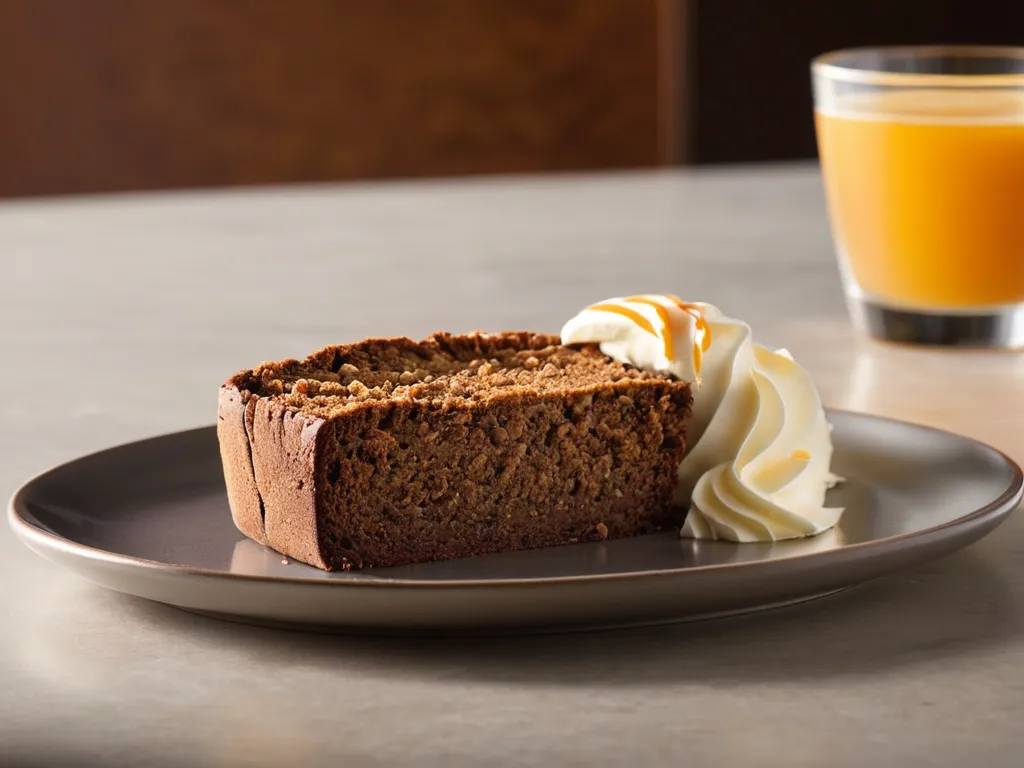
Cheesecake Factory Brown Bread
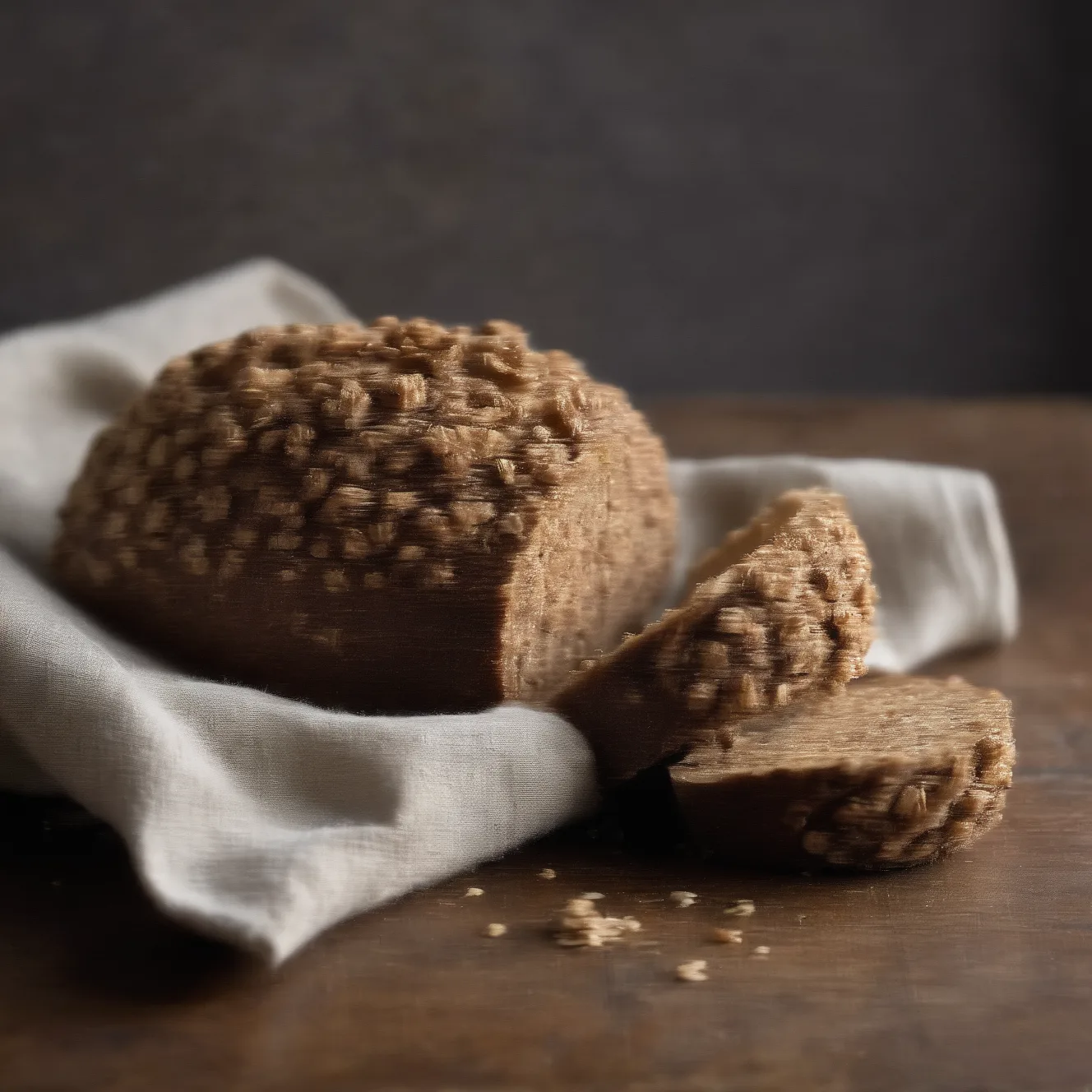
TL;DR: A whole wheat molasses loaf darkened with cocoa and espresso, with a rolled-oat topping that’s CF’s visual signature. Not pumpernickel — no rye. 20 minutes active, 2 hours rising, 30–35 minutes baking at 350°F. Two loaves for about $2.
The bread basket at the Cheesecake Factory is the best free thing in casual dining. It arrives before your appetizer — two types, one dark, one light — and somehow it’s always gone before the main course. The brown bread specifically has a cult following. It’s dense without being heavy, subtly sweet, soft in the center with a slightly firm crust, and has a depth of flavor that’s hard to place exactly until you know the secret: cocoa powder and instant espresso, neither of which you’ll taste individually, but both of which create a complexity that a plain wheat loaf doesn’t have.
The recipe replicates the restaurant version closely. The main differences from other copycat versions online: this uses a combination of bread flour, whole wheat flour, and all-purpose flour instead of all whole wheat (which gets too dense), and it uses dark molasses — not blackstrap, which is far too bitter.
What Makes This Bread Work
The Cheesecake Factory’s bread falls into a category that’s different from both sandwich bread and artisan sourdough. It’s closer to a soft dinner roll scaled up — tender crumb, slightly sweet, enough structure to hold together when you tear it but not so much that it’s chewy. Three things make it work:
The flour combination. All whole wheat flour produces a brick. All bread flour produces a tough, chewy loaf. The combination here — mostly whole wheat with bread and all-purpose flour — gives you a tender crumb with enough structure to stay in one piece.
The molasses-to-honey ratio. Dark molasses provides the base sweetness and that slight bitterness that keeps the bread from tasting like dessert. The honey softens the edge and adds a faint floral note. Equal amounts of each would be too sweet; all molasses would be too sharp.
Cocoa and espresso as colorants. This is the move most home bakers don’t know. The bread looks dark, and people assume pumpernickel — but there’s no rye flour, no sourdough process, nothing like that. The cocoa and espresso don’t add chocolate or coffee flavor at the quantities used — they create depth and color. You need both; neither alone produces the right shade.
The rolled oat topping. The oats pressed onto the top of each loaf before the second rise are CF’s visual signature. Most copycat recipes omit them, which produces bread that tastes right but looks like a plain wheat roll. Brush the shaped loaf with water, press the top into a plate of old-fashioned rolled oats, and the surface looks exactly like the restaurant bread.
Tips for Getting the Texture Right
Score the tops deeply. The slash isn’t just decorative — it controls where the bread expands. Without scoring, the loaf cracks along the sides, which ruins the look even if the bread tastes identical.
Cornmeal on the bottom. The restaurant version has a fine cornmeal coating on the base of each mini loaf. It adds a subtle crunch and prevents sticking. Don’t skip it — it’s part of the texture signature.
Butter while hot. The post-bake butter brush isn’t optional. It softens what would otherwise be a fairly firm crust and adds richness that you’d miss without it. Use real butter, not margarine.
Don’t under-rise. The dough needs to double in size on the first rise. If your kitchen is cold (below 70°F), it might take closer to 2 hours. Put the covered bowl somewhere warm — inside a turned-off oven with just the light on is a reliable trick.
Serving Suggestions
Serve warm, ideally within 30 minutes of baking. The Cheesecake Factory serves this alongside their lighter bread and small pats of butter. At home, options:
- Honey butter: Mix 4 tablespoons of softened salted butter with 1 tablespoon of honey. It mirrors what the restaurant does, essentially.
- With soup: The bread holds up well next to a tomato soup or butternut squash — its slight sweetness balances acidic or savory broths.
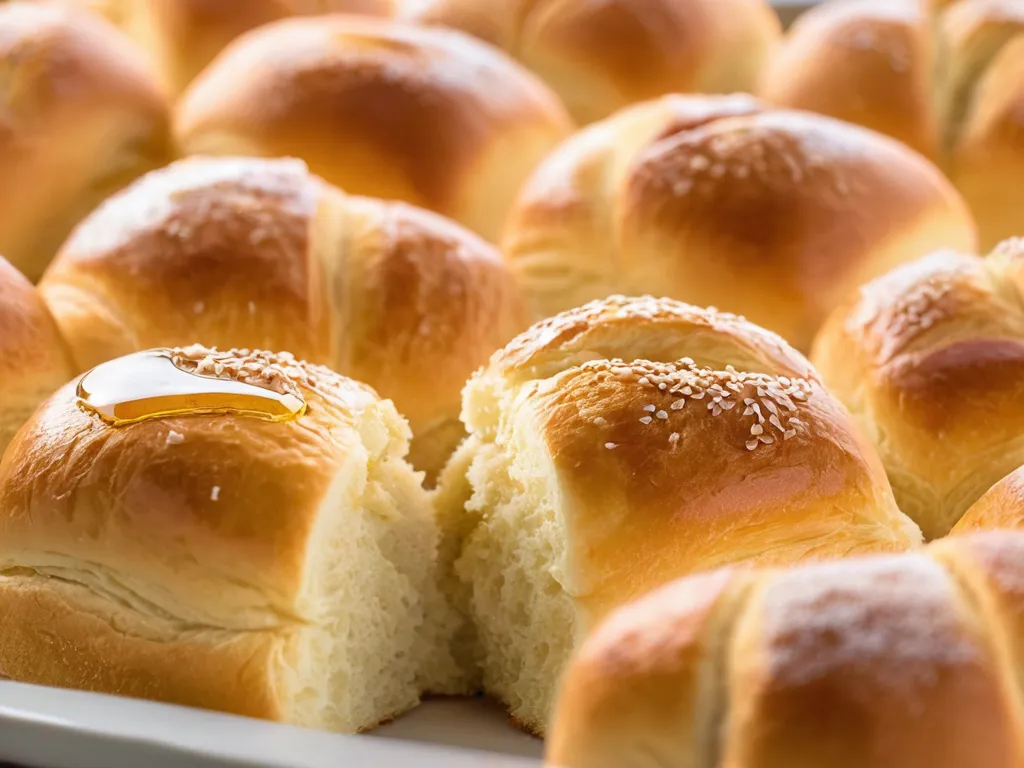
- As dinner rolls: Divide the dough into 12 small rolls instead of 2 loaves, shape them into rounds, and reduce baking time to 18–22 minutes.
Cost Breakdown
| Item | Restaurant | Homemade |
|---|---|---|
| One bread basket | ~$0 (included with $18–30 entrée) | ~$2 total |
| Two mini loaves | N/A | $2 in ingredients |
| Active time | 0 minutes | 20 minutes |
Two full loaves — the equivalent of multiple restaurant bread baskets — cost about $2 in ingredients. If you’re making a full Cheesecake Factory dinner at home, this bread completes the experience. Pair it with the Cheesecake Factory Louisiana Chicken Pasta or the Cheesecake Factory Chicken Madeira for a complete copycat dinner.
See all Cheesecake Factory copycat recipes →
Make-Ahead and Storage
Same day: The dough can be mixed, shaped after the first rise, and refrigerated overnight on the cornmeal-dusted pan (covered with plastic wrap). Pull it out 45 minutes before baking to complete the second rise.
Baked loaves: Keep at room temperature for 2 days, wrapped in foil. Warm in a 350°F oven for 8 minutes to revive. Freeze for up to 2 months — wrap in plastic, then foil. Reheat from frozen at 350°F for 15–18 minutes.
More Cheesecake Factory Recipes to Try
The brown bread is how every Cheesecake Factory meal starts — here’s what comes after it:
- Cheesecake Factory Avocado Egg Rolls — the crispy, avocado-stuffed appetizer with the sweet tamarind-cashew dipping sauce. Twelve rolls at home for less than the price of four at the table.
- Cheesecake Factory Sweet Corn Tamale Cakes — the starter plated with three sauces: salsa verde pool, pico de gallo, and a Southwestern drizzle. The masa-and-split-corn base is the technique most copycats miss.
- Cheesecake Factory Bang Bang Chicken — crispy chicken in the addictive spicy-sweet chili cream sauce. A shareable entrée that doubles as an appetizer.
- Cheesecake Factory Chicken Piccata — pounded chicken in a lemon-wine cream sauce with cremini mushrooms and capers over angel hair. The cream and mushrooms are what separates CF’s version from traditional Italian piccata.
- Cheesecake Factory Original Cheesecake — the dense, ultra-creamy New York-style cheesecake on a graham cracker crust that the whole restaurant is named after. Feeds ten for the price of one restaurant slice.
- Cheesecake Factory Oreo Cheesecake — a full chocolate-cookie cheesecake that feeds twelve for the price of one restaurant slice.