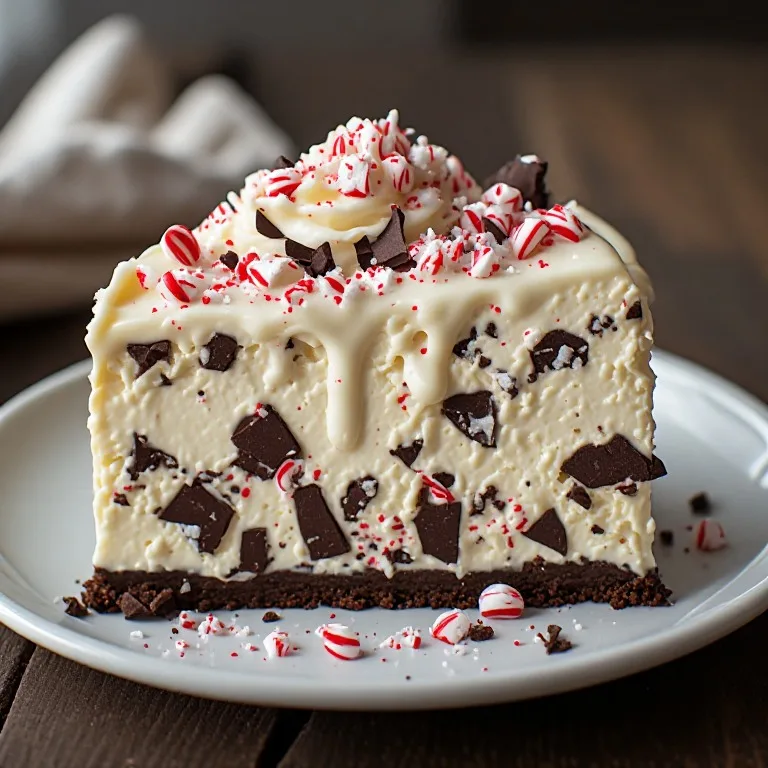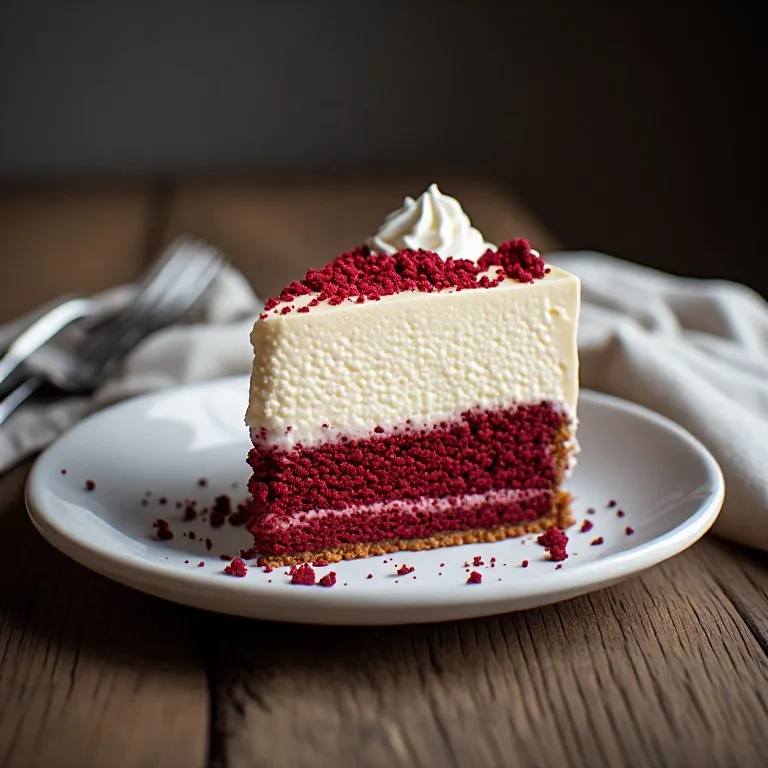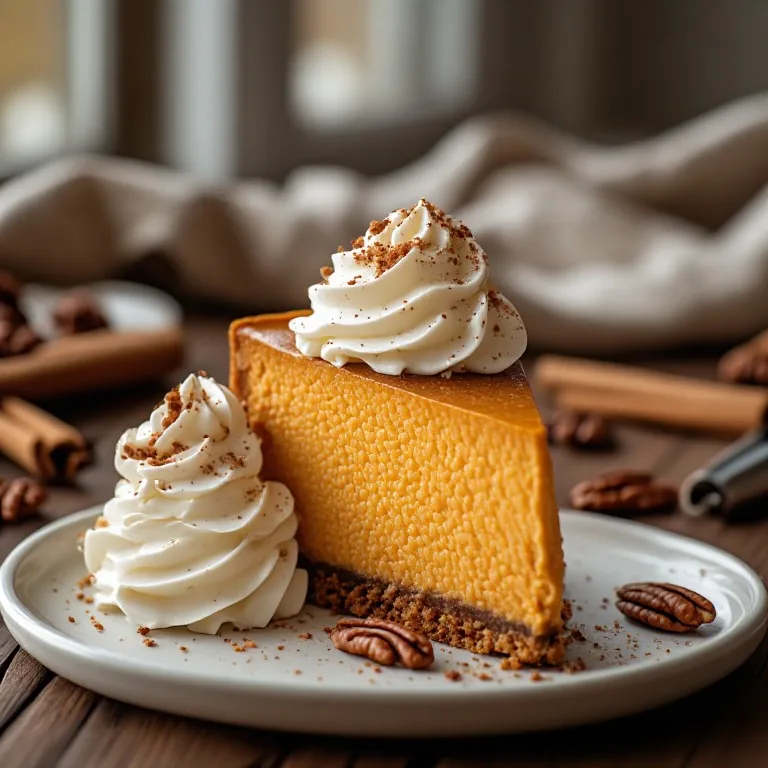
The Cheesecake Factory’s Oreo Dream Extreme Cheesecake is a chocolate-and-cookie lover’s fantasy. Layer upon layer of creamy cheesecake loaded with Oreo pieces, sitting on a crunchy Oreo cookie crust, and topped with whipped cream and chocolate. This version is a showstopper that tastes like it came straight from the restaurant.
The Secret
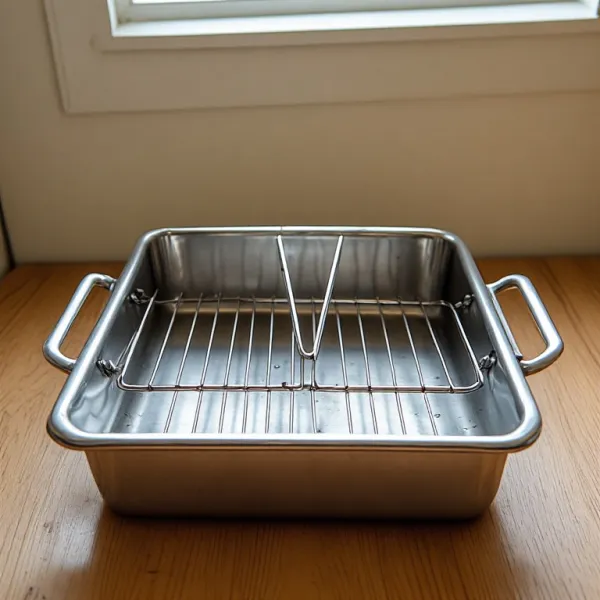
The water bath is the most important technique in this recipe. It creates a gentle, humid baking environment that cooks the cheesecake evenly and prevents the dreaded surface cracks. Cooling the cheesecake slowly in the turned-off oven with the door cracked prevents the rapid temperature change that causes the center to sink.
Pro Tips
- Every ingredient should be at room temperature before mixing. Cold cream cheese creates a lumpy batter.
- Do not open the oven door while the cheesecake is baking — temperature fluctuations cause cracking.
- The cheesecake needs at least 6 hours in the refrigerator to set properly. Overnight is even better.
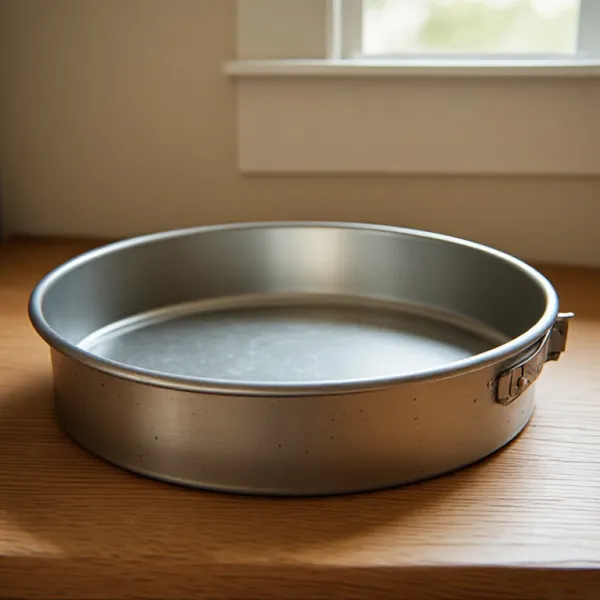
- Wrap the outside of the springform pan in aluminum foil before placing it in the water bath to prevent any water from seeping in.
- Run a knife around the edge of the pan before removing the ring to prevent sticking.
What Makes This Clone Accurate
The Cheesecake Factory slice is a New York-style cheesecake, and getting the texture right matters more than any topping. A few things carry the clone:
- Four full-fat cream cheese blocks. Thirty-two ounces of brick cream cheese in a single 9-inch pan is what gives the cake its restaurant height and its dense, almost fudgy body. Tub cream cheese or a reduced-fat swap thins the batter and you lose that tall, sliceable structure.
- Sour cream plus a little heavy cream. Sour cream adds the gentle tang that keeps the cake from tasting flatly sweet, and the splash of heavy cream smooths the crumb. Together they are the difference between a one-note sweet cake and the layered, slightly tangy richness of the real thing.
- A low, slow water-bath bake. At 325F in a humid water bath, the custard sets slowly and evenly. That is how you get a uniform, creamy interior all the way to the edge instead of a dry, overcooked ring around a wet center.
- Oreo crust plus folded-in chunks. The crust is whole Oreos — cookie and creme — crushed and bound with butter, pressed up the sides for that signature cookie wall. Chopping the remaining cookies into chunks and folding them in (rather than pulverizing them) keeps visible, chewy Oreo pieces suspended through the slice, exactly like the Oreo Dream Extreme.
The one honest difference from the restaurant: the menu version stacks chocolate cake layers and Oreo mousse into a towering dessert. This recipe delivers the core Oreo cheesecake — the part most people are actually chasing — in a format you can bake in one pan.
Common Mistakes and How to Fix Them
- Cracked top. Almost always too much air beaten in or too fast a cool-down. Beat on low once the eggs go in, stop as soon as each egg disappears, and let the cake cool in the turned-off oven with the door cracked for an hour before it hits the fridge.
- Sunken or wet center. The cake was pulled too early or baked without enough gentle heat. The center should jiggle like set gelatin — not slosh like liquid — when you take it out. It firms up fully in the fridge, so resist the urge to keep baking until the middle is solid.
- Lumpy batter. Cold cream cheese. Once it’s lumpy, no amount of mixing smooths it without beating in air (which then cracks the top). Bring all dairy and eggs to true room temperature first, and beat the cream cheese alone until completely smooth before adding anything else.
- Soggy or leaky crust. Water seeping into the springform. Wrap the outside of the pan in two layers of heavy-duty foil before setting it in the water bath, and pre-chill the crust while you make the filling so it firms up.
- Overmixing after the eggs. Every pass of the mixer after the eggs go in adds air that expands, then collapses and cracks. Switch to low speed, and fold the Oreo chunks in by hand with a spatula.
Storage, Make-Ahead and Substitutions
Chilling and storage. Give the cake at least 6 hours in the fridge, ideally overnight, before serving — it is still setting as it cools. Covered, it keeps 5 to 6 days refrigerated.
Make-ahead. This is an ideal do-ahead dessert. Bake and chill a day or two before you need it, and add the whipped cream and chocolate drizzle just before serving so the toppings stay fresh.
Freezing. Freeze the fully chilled cake whole or in slices, wrapped tightly in plastic and then foil, for up to 2 months. Thaw overnight in the refrigerator and top after thawing.
Substitutions. Swap the Oreo crust for a graham-cracker crust if you want less chocolate up front. Double Stuf Oreos work in a pinch but make the crust richer and the chunks softer — regular Oreos give the cleanest texture. For a lighter cake see the healthier tips above, but know that reduced-fat cream cheese and less sugar will give you a softer, less tall slice than the restaurant original.
For the plain version without the cookies, start from the Copycat Cheesecake Factory Original Cheesecake — same New York-style technique, no Oreos. For a seasonal spin on the same base, try the Cheesecake Factory Pumpkin Cheesecake.
More Cheesecake Factory Desserts to Try
The Oreo cheesecake is one of 30+ varieties on the Cheesecake Factory menu — here are two more worth baking at home:
- Copycat Cheesecake Factory Dulce de Leche Cheesecake — caramel-swirled, creamy, and feeds twelve for the price of one slice at the restaurant.
- Cheesecake Factory Lemon Raspberry Cheesecake — a bright, tangy lemon cheesecake with raspberry swirl on a graham cracker crust. A sharp contrast to the rich chocolate Oreo version.
- Cheesecake Factory Brown Bread — the molasses-honey loaf that arrives before the meal. Make it at home to turn any Cheesecake Factory night into a full spread.