Pin It

Copycat Dairy Queen Dilly Bar

Copycat Dairy Queen Dilly Bar
Jump to Recipe
Prep 20 min Cook 5 min Serves 8
Quick answer: Form vanilla ice cream into 3-inch discs about 1 inch thick, insert popsicle sticks, and freeze at least 2 hours until completely solid. Melt 2 cups semi-sweet chocolate chips with 2 tablespoons coconut oil until smooth, let cool to warm-to-the-touch (75–85°F). Working one bar at a time, dip each frozen disc in a single quick plunge, let excess drip for 2 seconds, and return to the freezer. The shell hardens in under 15 seconds on contact with the ice cream. Coconut oil — not butter, not shortening — is what creates the snapping chocolate shell.
Copycat Dairy Queen Dilly Bar

Copycat Dairy Queen Dilly Bar

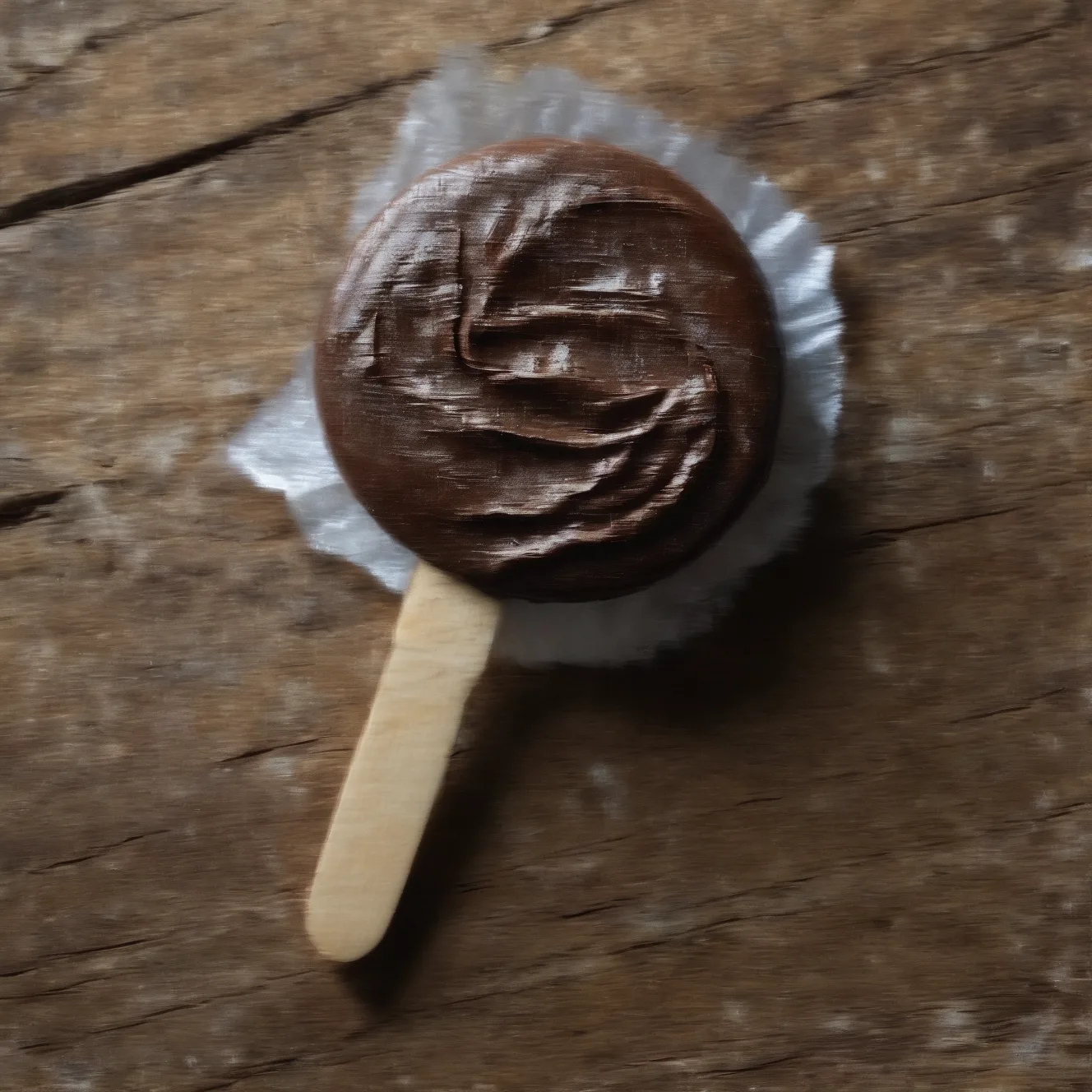
Make Dairy Queen Dilly Bars at home — vanilla ice cream discs in a crackly chocolate shell. The key is coconut oil at the right temperature and bars frozen rock-solid before you dip.

Medium Prep: 20 min Cook: 5 min Total: 25 min8 servings ~$2.45/serving
Prep20 min
Cook5 min
Total25 min
Servings
8
At home~$2.45/serving
vs
Restaurant~$11.02/serving
You save ~78%

Ingredients

Instructions

💡
Pro tip: This recipe tastes even better the next day. The flavors need time to meld together in the fridge.
❄️
Storage: Keeps in an airtight container in the fridge for up to 2 weeks. Freezer-friendly for up to 3 months.
~350-550 cal/serving · Rich & Indulgent🔥

The Story Behind the Recipe

Copycat Dairy Queen Dilly Bar (Magic Shell Science Explained)

Prep time: 20 min | Freeze time: 2 hr | Servings: 8 bars

In 1955, at a Dairy Queen in Moorhead, Minnesota, someone poured a swirl of soft-serve onto wax paper, stuck a medical tongue depressor in it, and dipped the whole thing in chocolate. Someone in the room said “Isn’t that a dilly?” — 1950s slang for something excellent — and Dairy Queen’s best-selling novelty was named.

The bars became so popular at that Moorhead location that they caused a regional tongue depressor shortage. Dairy Queen eventually standardized production and switched to popsicle sticks for the mass-market version. The Moorhead location — where owner Bob Litherland and his wife Phyllis invented the bar — still hand-makes Dilly Bars per the original Litherland recipe.

The home version requires understanding one thing: the chocolate shell is not simply melted chocolate. It is chocolate combined with coconut oil — a saturated fat that solidifies on contact with frozen ice cream. That science is what separates a Dilly Bar from a popsicle you dunked in hot fudge.

What DQ Actually Uses (vs. What Most Copycat Recipes Say)

The ice cream is not standard ice cream. Dairy Queen’s entire menu is built around proprietary soft-serve mix dispensed from machines. The FDA defines ice cream as requiring at least 10 percent milkfat; DQ’s soft-serve runs around 5 percent, which technically makes it a frozen dairy dessert rather than ice cream by federal standards. That lower-fat, softer-serve formula produces a lighter texture and a slightly different freeze point than premium hard ice cream.

At home, a full-fat premium vanilla ice cream (Häagen-Dazs or equivalent) softened briefly before forming is the best substitute. The home version is actually richer and creamier than DQ’s because of the higher milkfat — arguably an upgrade.

The coating uses coconut oil, not shortening or butter. DQ’s published ingredient list for the Dilly Bar chocolate coating reads: coconut oil, sugar, cocoa processed with alkali, corn starch, soy lecithin, salt, natural flavor. Coconut oil is what creates the magic shell effect. Butter and vegetable shortening cannot do this — they do not undergo the same sharp liquid-to-solid phase transition that makes the shell snap.

The Magic Shell Science

The chocolate shell hardens because coconut oil is one of the most saturated fats available in grocery stores — approximately 82–87 percent saturated fat. Saturated fats have a higher melting point and undergo a sharp phase transition: liquid above roughly 76°F (24°C), solid below it. The transition is rapid and clean, with no extended mushy middle stage.

When warm chocolate-coconut oil mixture (around 80°F) contacts ice cream frozen to 0–10°F, the coating drops 70+ degrees in a matter of seconds. The coconut oil locks solid. Because the chocolate crystals are suspended in that fat matrix, the entire thin coating sets at the same time — giving you a shell that snaps when bitten rather than one that pulls away in a pliable sheet.

Butter is roughly 80 percent fat by weight, but 15–20 percent of that weight is water and milk solids. Water prevents the shell from hardening cleanly and keeps it tacky at freezer temperatures. Vegetable oil (canola, sunflower, vegetable blend) is predominantly unsaturated fat with no sharp phase transition near freezing — it stays oily and never hardens into a true shell.

The ratio in this recipe — 1 tablespoon coconut oil per cup of chocolate chips — is the sweet spot between snap and workability. More oil makes the shell softer and less snappy. Less oil makes the shell thicker and more brittle, which causes it to crack off in large pieces rather than shatter at the bite line.

Coating Temperature: The Single Most Important Variable

If one step causes the most home Dilly Bar failures, it is dipping too-hot chocolate into ice cream that has not been frozen solid enough.

Too hot: Melted chocolate above roughly 90°F rapidly warms the ice cream’s surface on contact. That thin surface layer partially melts, then refreezes as the coating sets — but because the ice cream contracted slightly during the melt-refreeze cycle, the shell buckles, cracks, or peels away. Let the melted coating cool to 75–85°F before dipping. Five minutes off the heat is usually enough. A bowl that still feels hot to hold is still too hot.

Too cold: If the chocolate has started thickening noticeably — you can feel resistance when stirring — it will set before you complete the dip, leaving an uneven coating with drips locked mid-run. Reheat in 10-second microwave bursts until fluid again.

An instant-read thermometer removes all guesswork. Target 75–85°F.

The Dipping Vessel Matters

The bowl you melt your chocolate in is almost always too wide and shallow for proper dipping. When a 3-inch ice cream disc enters a wide bowl, it tilts against the edges, one side goes under while the other stays exposed, and the result is a bar with an uncoated stripe along the top.

Pour the melted chocolate into a tall, narrow glass or deep mug. At least 4 inches deep, just wide enough for the disc. Fill to at least 2.5 inches of depth so the bar can submerge completely in a single vertical plunge. Tilt the glass slightly as the disc enters, angling the bar so one edge leads — this allows air to escape along that edge instead of trapping under the center (trapped air = bare white spot on the finished bar).

Do not re-dip. A second plunge through already-cooling chocolate cracks the first layer as the bar’s surface warms between dips.

Flavor Variations

Cherry Dilly Bar. A longtime DQ variation and one of the brand’s most recognizable flavors alongside chocolate. The vanilla center stays the same. For the coating: melt 2 cups white chocolate chips with 2 tablespoons coconut oil, stir in 1 teaspoon cherry extract and red food coloring to a deep cherry red. The cherry shell is sweeter and more candy-like than the chocolate version, with a thin brittle coat that snaps similarly to the chocolate.

Butterscotch. Another longtime DQ Dilly Bar flavor. Use butterscotch chips (Nestlé or similar) in place of chocolate chips, same coconut oil ratio. The butterscotch shell is sweeter, amber-colored, and slightly less brittle than chocolate. Works best when the ice cream is extra-frozen (overnight) since butterscotch sets slightly slower than chocolate.

Dark chocolate shell. Replace semi-sweet chips with 70% dark chocolate. The shell sets slightly harder due to higher cocoa-solid concentration and snaps crisper. More bitter, less sweet — preferred by most adults once they try it. Reduce the added salt slightly since dark chocolate already contains more natural bitterness.

Heath Bar Dilly Bar. DQ’s own Heath variation. Mix crushed Heath bar bits into the chocolate coating before it cools completely, then dip. The toffee pieces stick to the outside of the shell and add caramel-toffee flavor and texture. Use 1/3 cup of crushed Heath bar per batch.

Strawberry shell. Melt white chocolate chips with coconut oil. Stir in 2 tablespoons dry strawberry Jell-O powder (dry only — do not prepare it) and a drop of red food coloring. The powder adds strawberry flavor without adding any liquid, which would seize the chocolate. The result is intensely sweet with a candy-strawberry flavor — closer to the Good Humor strawberry crunch bar experience than fresh strawberry.

Troubleshooting

Shell falls off in sheets. The ice cream disc was not frozen all the way through. A soft interior deforms slightly during dipping, and the shell cracks as the ice cream re-hardens. Re-freeze undipped bars for another 2 hours, ideally overnight.

Bare spots on the top of the disc. Air was trapped between the disc and the coating as the bar entered. Enter at an angle — one leading edge — so air escapes along the side rather than underneath.

Ice cream melts before the shell sets. The coating was too hot. Cool the chocolate further and work faster between dips. In a warm kitchen (above 75°F), hold each freshly dipped bar near the freezer door for 10 seconds immediately after dipping to accelerate shell set.

Chocolate seizes and turns grainy. Water contacted the melted chocolate. Even a single drop of water causes chocolate to seize into a grainy paste. Ensure all bowls, spoons, and the chocolate itself are completely dry. Coconut oil is anhydrous (water-free) — safe. Do not substitute with any water-based flavoring.

Shell is too thick and chewy instead of snapping. The bar was dipped slowly, or multiple passes were made in the coating. A thick shell still tastes good but loses the Dilly Bar’s signature shatter-on-bite quality. One dip, one motion, one second of submersion.

DQ Prices vs. Homemade

A standard chocolate Dilly Bar at Dairy Queen costs approximately $1.99–$2.99 in 2025 (prices vary by franchise location). DQ’s official nutrition data shows 220 calories, about 12g fat, and 24–25g carbs for one standard bar.

This recipe makes 8 bars using 1.5 quarts of premium vanilla ice cream ($6), 2 cups chocolate chips ($4), and 2 tablespoons coconut oil (~$0.30). Total: roughly $10.30 for 8 bars, or about $1.30 per bar. Premium chocolate and higher-fat ice cream make the homemade version richer than DQ’s commercial formula — a noticeable upgrade in taste even at a lower price per bar.

Storage

Once the shell is fully set (about 15 minutes after dipping), wrap each bar individually in plastic wrap and store in a zip-top freezer bag. They keep at peak quality for up to 1 week; still good for up to 2 weeks, though the chocolate may develop white bloom (cosmetic fat crystals — no flavor impact).

Unwrap directly from the freezer and eat immediately. The snapping shell softens to chewy within 3 minutes at room temperature.


Also from our frozen dessert collection: Copycat Dairy Queen Blizzard (the flip-test-passing version), Viral TikTok Strawberry Crunch Ice Cream Bars (Good Humor copycat, 4 ingredients), Copycat Wendy’s Chocolate Frosty (the chocolate AND vanilla blend), Viral TikTok Banana Ice Cream (dairy-free, one ingredient), and Viral TikTok Frozen Yogurt Bark.

Nutrition Facts

Per serving (8 servings)
Calories310
Total Fat19g
Total Carbs31g
Dietary Fiber2g
Sugars25g
Protein4g
Sodium90mg

* Estimated values based on standard recipe preparation. Actual values may vary.

🥗

Make It Healthier

Love Dairy Queen Dilly Bar but want a lighter version? Try these simple swaps:

  • Use dark chocolate (70% cacao or higher) instead of semi-sweet chips — fewer added sugars and more antioxidants per ounce.
  • Swap standard vanilla ice cream for a banana nice cream base (frozen bananas blended smooth): dairy-free, no added sugar, and it still forms a shapeable disc when frozen.
  • Reduce to 1.5 tablespoons coconut oil per 2 cups chips for a thinner, crispier shell — still sets fully but uses slightly less fat.
  • Use a no-sugar-added vanilla ice cream to cut carbs by roughly 25–30 percent.

Equipment You'll Need

Two baking sheets

One for forming and freezing the discs; one pre-chilled for receiving dipped bars

Tall glass or deep mug

At least 4 inches deep — submerges the disc in one clean plunge, which is critical for an even coating

1/2-cup measuring cup or large cookie scoop

For portioning uniform discs

Instant-read thermometer (optional but recommended)

Target 75–85°F for the coating. Below 70°F it sets too fast; above 90°F it melts the ice cream surface.

Microwave-safe bowl

For melting chocolate and coconut oil

Frequently Asked Questions

What makes the Dairy Queen Dilly Bar chocolate shell harden and snap?

Coconut oil. Coconut oil is a saturated fat with a melting point of roughly 76°F (24°C). Below that temperature it transitions sharply from liquid to solid — unlike butter or vegetable oil, which remain soft or liquid at freezer temperatures. When warm chocolate-coconut oil mixture contacts frozen ice cream (around 0–10°F), the coating drops below the coconut oil's melting point in seconds and snaps solid. The original DQ Dilly Bar chocolate coating lists coconut oil, sugar, Dutch-process cocoa, corn starch, soy lecithin, and salt as its ingredient list — coconut oil is what creates the shell. Butter does not work because its water content prevents a clean snap; vegetable oil does not work because its unsaturated fats never harden at freezer temperature.

What ice cream does Dairy Queen use in Dilly Bars?

DQ uses its proprietary soft-serve mix, not standard hard ice cream. The FDA defines ice cream as requiring at least 10 percent milkfat; DQ's soft-serve runs around 5 percent, which technically classifies it as a frozen dairy dessert. That lower-fat formula produces a lighter, softer texture than premium hard ice cream — and it is served at a specific dispensing temperature from a soft-serve machine, not scooped from a pint. At home, the closest substitute is a full-fat premium vanilla ice cream (Häagen-Dazs or similar) softened for exactly 8 minutes before forming discs. The homemade version is actually richer and creamier than DQ's bar because of the higher milkfat content.

Why does my chocolate shell crack off instead of staying on the bar?

Two causes. First: chocolate was too hot when you dipped. If the melted coating is above 90°F, it rapidly warms the ice cream's surface, which partially melts, refreezes, and contracts — pulling the shell away as it sets. Let the chocolate cool to 75–85°F before dipping (warm to touch, not hot). Second: the ice cream disc was not fully frozen through. A disc that is cold on the outside but still soft inside deforms slightly during dipping, and the shell cracks as the ice cream re-hardens underneath it. Two hours is the minimum freeze time; overnight is better. Freezing overnight eliminates almost all shell-adhesion problems.

What flavors of Dilly Bar does Dairy Queen make?

The standard chocolate Dilly Bar — vanilla soft-serve in a chocolate shell — is available at nearly every DQ. The Cherry Dilly Bar (vanilla center in a cherry-flavored shell) is also widely available and is one of the brand's longest-running variations. Other confirmed DQ flavors include Butterscotch, Heath Bar (chocolate coating with Heath candy embedded), and a Non-Dairy Chocolate version (coconut cream base). Limited seasonal flavors have included Mint Chocolate, Double Chocolate, and Red/White & Blue Star Kiss. The Moorhead, Minnesota location — where the Dilly Bar was invented in 1955 — still hand-makes its bars per the original Litherland recipes.

How do I get an even coating without bare spots?

The dipping vessel matters more than most recipes acknowledge. A wide, shallow bowl forces you to tilt and swirl the bar through the chocolate, increasing dip time and ice cream melt. Use a tall, narrow glass or deep mug — at least 4 inches deep, filled to at least 2.5 inches — so the disc can submerge in a single vertical plunge. Tilt the vessel slightly as the disc enters so air can escape along one edge rather than trapping under the center (trapped air = bare spots). Lift in a single smooth motion, allow excess to drip 2 seconds, place on cold parchment. Do not re-dip: a second plunge through already-cooling chocolate almost always cracks the first layer.

How long do homemade Dilly Bars keep in the freezer?

Up to 2 weeks well-wrapped. Once the chocolate shell is fully set (about 15 minutes after dipping), wrap each bar tightly in plastic wrap and store in a zip-top freezer bag. The chocolate shell protects the ice cream from freezer burn better than bare ice cream would. After 2 weeks the chocolate can develop white bloom — fat crystals migrating to the surface — and the ice cream may form ice crystals, especially if the freezer door is opened frequently. Bloom is cosmetic and does not affect flavor. For best texture and snap, eat within the first week.

Love this recipe? Share it!

Shop the tools

The right tools make all the difference. We earn a small commission if you buy through these links — at no extra cost to you.

Free PDF: our 12 most-wanted copycat recipes — instant download.

Ratings & Reviews

No ratings yet

Rate this recipe

Click a star to rate

Leave a Review

0/500

CS

Copycat Spices Test Kitchen

Every recipe on Copycat Spices is developed and tested in our home test kitchen. We reverse-engineer beloved restaurant dishes and refine each one until the flavors and the instructions work reliably for home cooks of all skill levels.

Learn more about our mission →