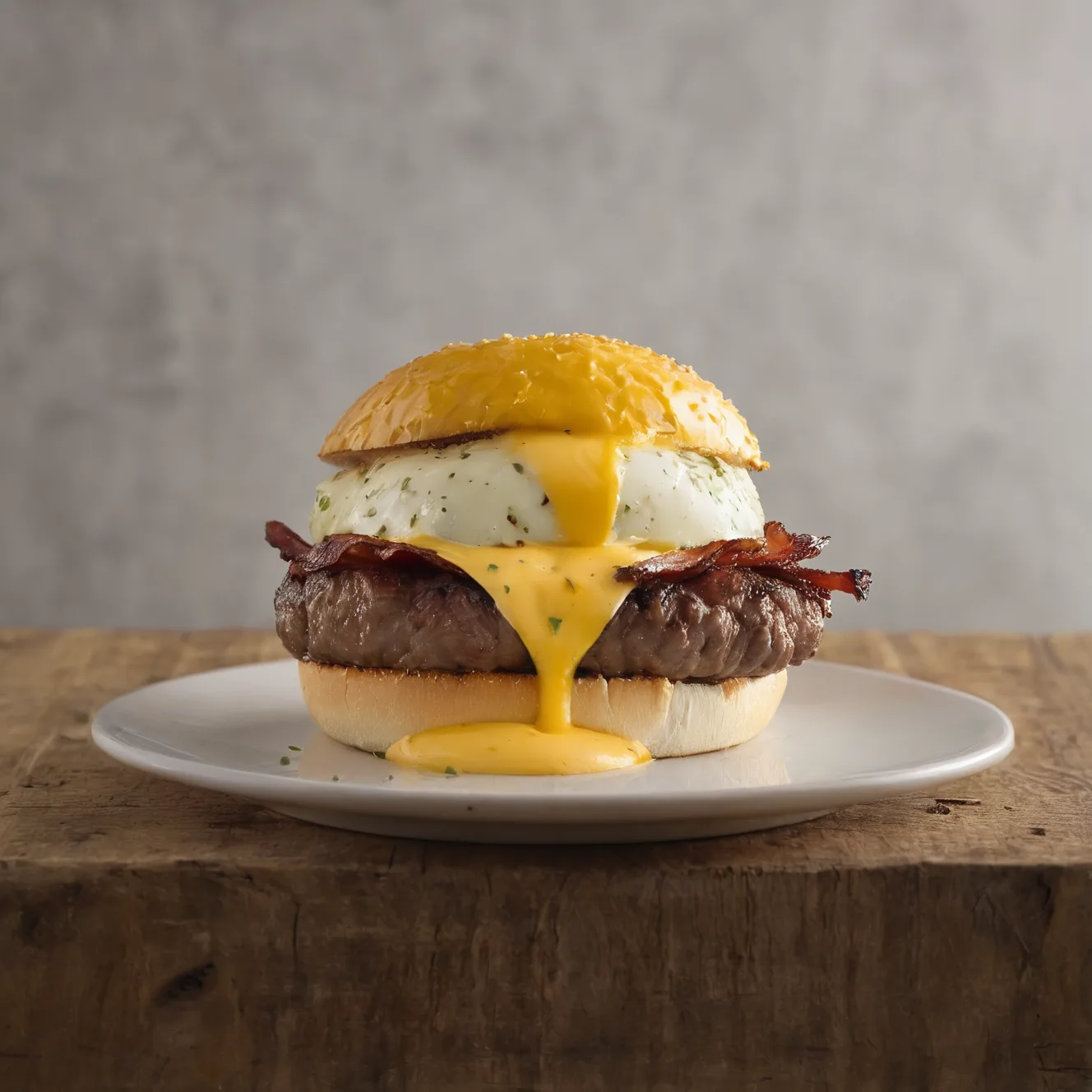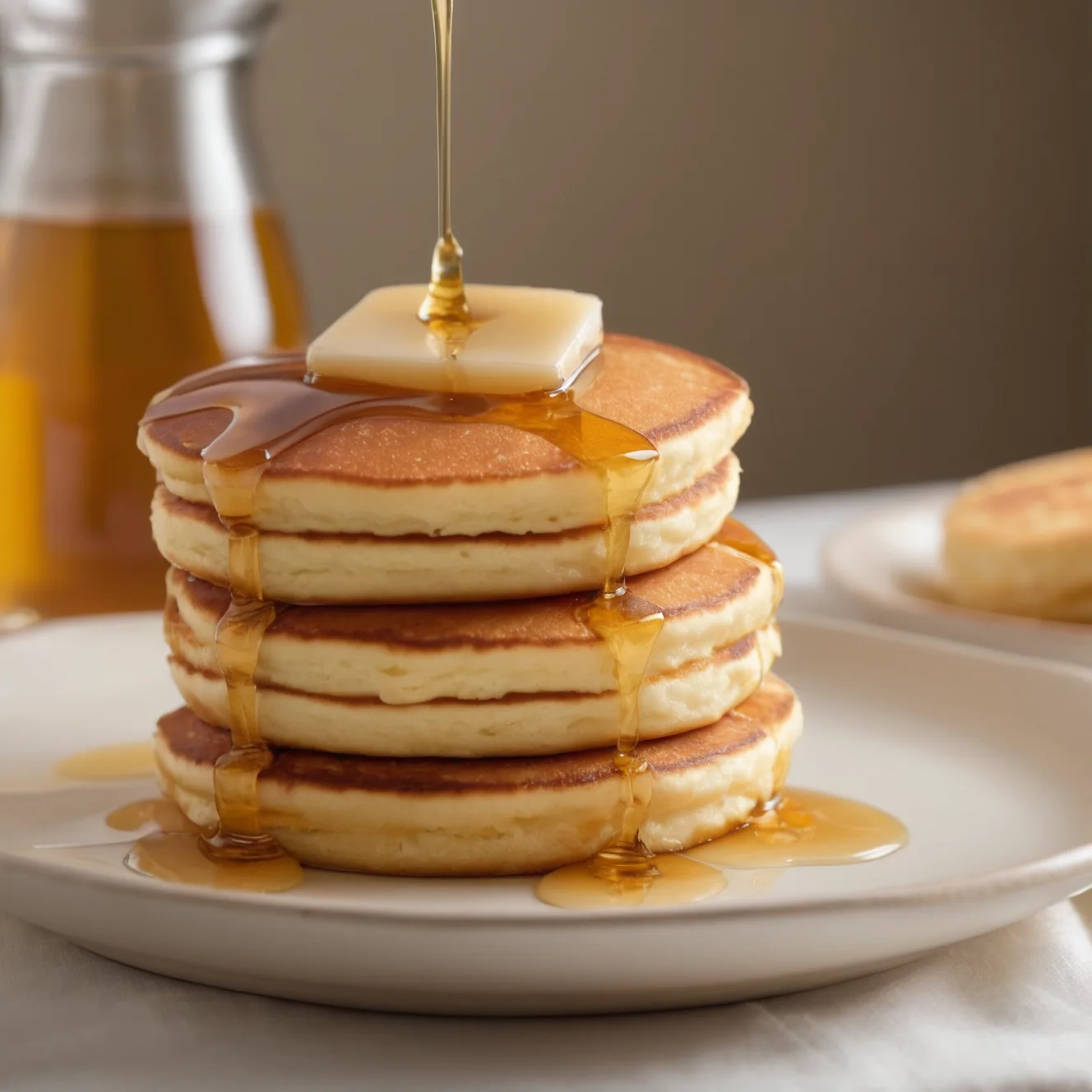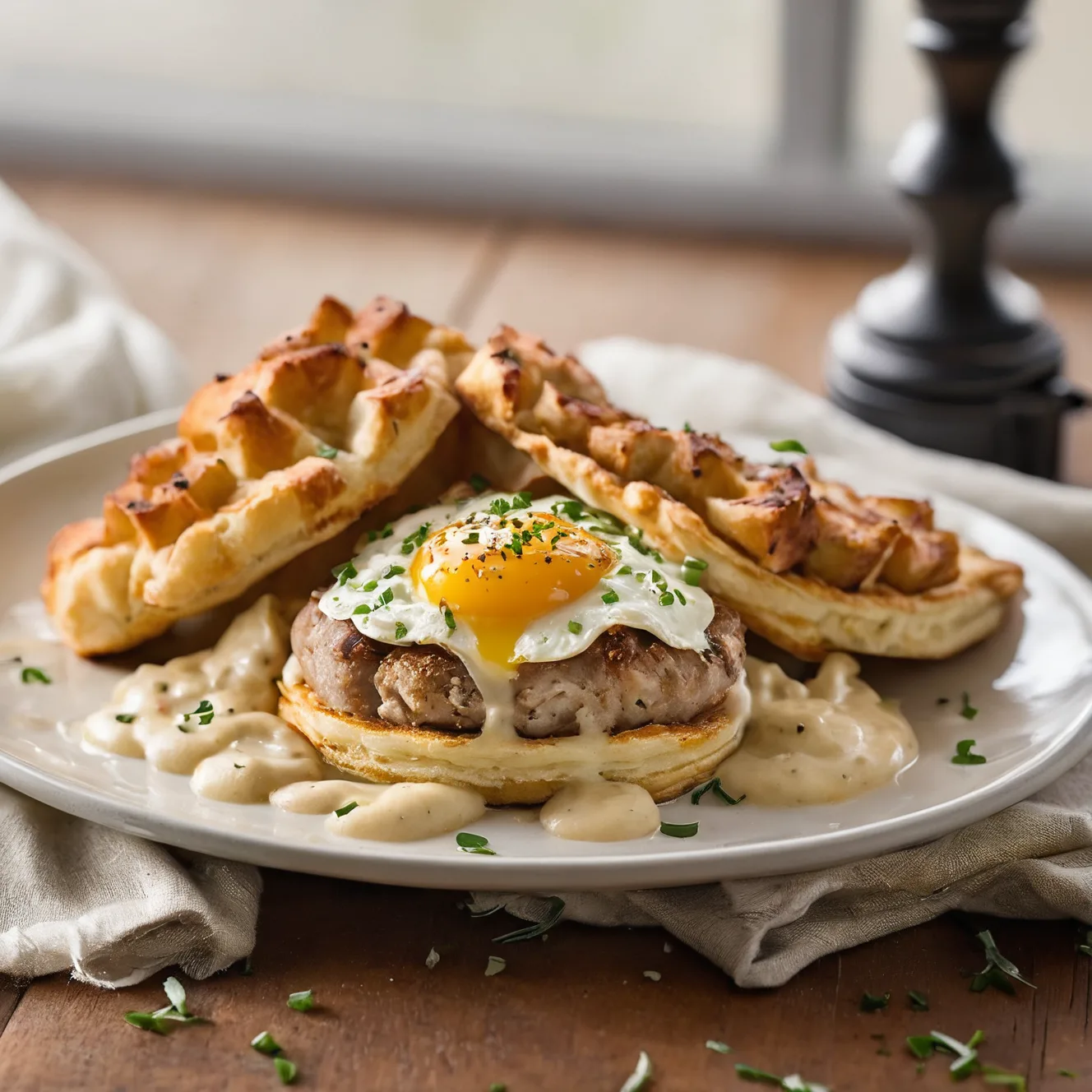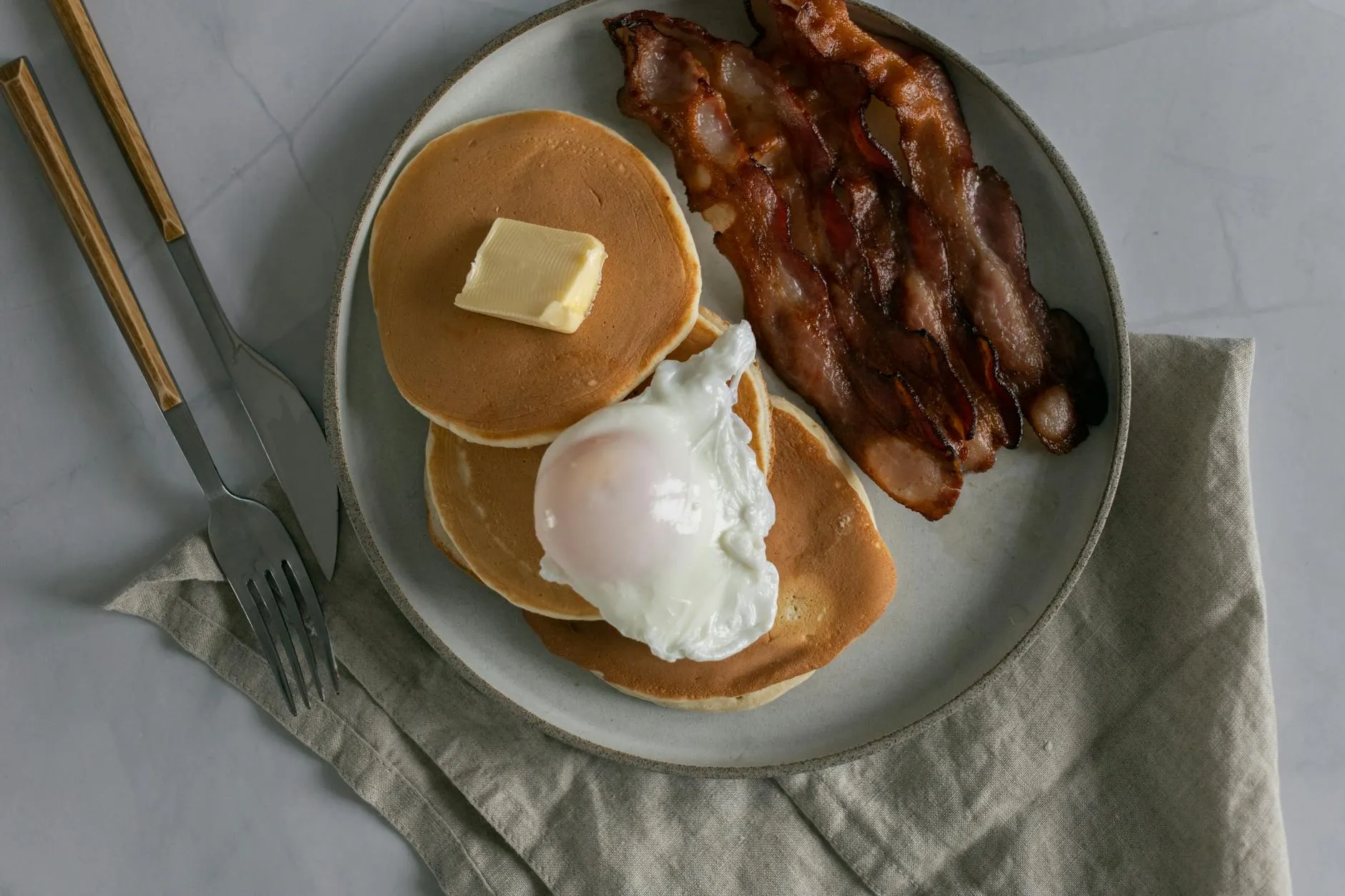
The Grand Slam has been on the Denny’s menu for nearly 50 years. Two buttermilk pancakes, two eggs, two strips of bacon, two sausage links — nothing complicated, nothing surprising. But as a home cook you’re competing with a diner that has been refining this plate since 1977, and there are a few things worth knowing before you start.
TL;DR
Use real buttermilk (not milk + vinegar). Stop mixing the batter at 10–12 strokes — lumpy is correct. Start bacon in a cold pan. Cook the eggs last, pull them early. Everything else is timing.
The Hank Aaron Origin Story
The Grand Slam debuted in 1977 at a Denny’s location in Atlanta, Georgia. The restaurant created the four-item breakfast as a tribute to Hank Aaron, who had played for the Atlanta Braves and broken Babe Ruth’s all-time home run record (finishing with 755 career home runs). A grand slam in baseball — hitting a home run with the bases loaded, scoring four runners — mapped cleanly to the four-component breakfast. The name stuck.
A competing story places the origin near Dodger Stadium in Los Angeles, but multiple sources including Denny’s own blog trace it to Atlanta. The Dodger Stadium version appears to be a persistent myth.
The dish became Denny’s signature — arguably the most well-known diner breakfast in the country — and it hasn’t changed structurally since 1977.
The 2016 Pancake Upgrade
If you made Denny’s pancakes at home before 2016 and noticed they didn’t match the restaurant, that’s because in July 2016 Denny’s switched from a dry powdered mix to a scratch recipe using fresh buttermilk, real eggs, and vanilla — mixed to order. The change cost franchisees an estimated $5 million more per year and was claimed to produce pancakes 50% fluffier than before. This is the recipe you’re replicating now.
The old stub recipe floating around the internet (flour + baking powder + milk + egg + melted butter) produces the pre-2016 pancake. This recipe uses the post-2016 ingredients.
The Buttermilk Science
Why buttermilk works in pancakes and milk doesn’t: Buttermilk is slightly acidic (pH ~4.5), and baking soda is a base. When they combine, they produce carbon dioxide bubbles immediately — before the pancake even hits the griddle. This is called a cold leavening reaction, and it gives you lift from the moment batter hits heat. Regular milk doesn’t trigger this reaction, so you lose a significant fraction of the rise. Additionally, buttermilk’s lactic acid tenderizes the gluten strands in the flour, producing a more delicate crumb.
Why the milk + vinegar substitute doesn’t work as well: Buttermilk substitutes made from milk + white vinegar or lemon juice produce acid but lack buttermilk’s natural proteins and sugars. The reaction fires, but the final texture is slightly denser and the flavor is flatter. For a once-a-year breakfast, the substitute is fine. For a recipe you’re making weekly, buy real buttermilk — a quart is roughly $2–3 and keeps for two weeks.
Why the batter should be lumpy: Stirring until smooth develops gluten in the flour. Developed gluten makes pancakes dense and rubbery. A lumpy batter means you’ve stopped before the gluten network fully formed. Those lumps hydrate and smooth out during the 5-minute rest.
The Four Components
Buttermilk Pancakes
The 325°F griddle temperature is specific: hotter than that (350°F+) browns the outside before the inside cooks through; cooler takes too long and produces a pale exterior. A cast iron griddle holds temperature better than nonstick and produces better browning. Test the temperature with a drop of water — it should dance and evaporate immediately.
The tell for flipping: bubbles should form across the entire surface, not just around the edges, and the rim of the pancake should look matte rather than glossy. If you flip too early, you get an underdone center. If you flip too late, the second side gets minimal color.
Eggs: All Seven Styles
Denny’s cooks eggs any style to order. The scrambled version is standard, but knowing how to execute the alternatives makes the home version as flexible as the restaurant.
Scrambled: Medium-low heat, large curd, pull off early. The goal is glossy, not dry — once they look done, they’re overcooked. They finish cooking on the plate.
Over-easy: Butter in a nonstick skillet over medium heat. Crack egg in gently. Cook until white is fully set with no translucent spots (~2 minutes). Flip with a thin spatula and cook 20–30 seconds. Yolk should still run when broken.
Over-medium: Same as over-easy but 45–60 seconds after flipping. Yolk is jammy, not fully set.
Over-hard: Same process, 1.5–2 minutes after flipping. Yolk is fully set and dry.
Sunny-side up: Butter, medium-low heat, crack egg in gently. Cover the skillet with a lid for 1–2 minutes to steam the top white without flipping. Yolk stays intact and runny.
Poached: Bring 3 inches of water to a bare simmer. Add a splash of white vinegar (helps the white coagulate cleanly). Create a gentle swirl with a spoon. Crack the egg into a small cup, then lower the cup to the water surface and slip the egg in. Cook 3 minutes for a runny yolk, 4 minutes for a set yolk. Remove with a slotted spoon.
Scrambled with cheese: The most requested off-menu variation — whisk 2 tablespoons shredded cheddar into the egg mixture before cooking. American cheese works too (melts more evenly).
Bacon
Applewood-smoked thick-cut bacon is the closest match to Denny’s current bacon. Wright Brand, Boar’s Head, and Niman Ranch are widely available options. The cold-start method described in the instructions produces the most consistent crispiness — start the bacon in a cold pan, bring the heat up together.
Alternate method for cooking large batches: spread strips on a rimmed baking sheet at 400°F for 18–22 minutes. The bacon comes out perfectly flat (no curling), evenly crispy, and you can cook all 8 strips at once without watching them.
Sausage Links
Jimmy Dean Original pork links are the standard copycat choice — mild flavor, accessible anywhere, and similar fat content to Denny’s all-pork links. Roll them continuously in the skillet over medium heat for even browning. The 160°F internal temperature is the USDA minimum for ground pork.
Timing Strategy
This is the piece most home cooks get wrong. Everything hot simultaneously requires a specific sequence:
- Bacon (10 min) → hold in 200°F oven
- Sausage (8 min) → hold in 200°F oven with bacon
- Mix batter and rest it (5 min passive while sausage cooks)
- Pancakes (3–4 min per batch) → hold in oven stacked; don’t cover tightly or they steam and go limp
- Eggs (2 min) → plate immediately
Total active cooking time: about 30 minutes. The oven is your staging area — it keeps the early-finish items warm without drying them out.
Build Your Own Grand Slam
Denny’s Build Your Own Grand Slam lets you pick any 4 items from 14+ options for approximately $10.99: buttermilk pancakes, eggs any style, bacon strips, sausage links, turkey bacon, hash browns, toast, oatmeal, and seasonal fruit. At home, the flexibility costs less — swap freely. Common upgrades:
Add hash browns: Shred one medium russet potato (about 8 oz), spread on a clean towel, twist tightly to wring out as much moisture as possible. Season with salt and pepper. Fry in 1 tablespoon butter over medium-high heat, pressing down with a spatula to form a flat patty, 4–5 minutes per side until golden and crispy.
Turkey bacon: Shorter cook time (about 4 minutes total) at medium heat. Doesn’t generate rendered fat for the sausage, so cook sausage separately with a light coat of oil.
Whole-grain pancakes: Replace half the all-purpose flour with whole wheat flour. The texture is slightly denser but the earthy flavor complements the bacon and eggs well.
Variations
Lemon ricotta pancakes: Fold ½ cup whole-milk ricotta and the zest of 1 lemon into the finished batter. The ricotta steam-pockets during cooking and produces an impossibly light interior. The lemon zest cuts through the richness of the rest of the plate.
Blueberry pancakes: Scatter 8–10 fresh blueberries onto each pancake immediately after pouring batter. Don’t mix into the batter — suspended berries break down and color the batter purple.
Bourbon-vanilla maple syrup: Warm ½ cup real maple syrup gently in a small pan. Stir in 1 tablespoon bourbon and scrape in the seeds of ½ vanilla bean. Remove from heat after 1 minute; the alcohol cooks off, leaving just the smoky depth.
Cost Breakdown
| Ingredient | Quantity | Approx. cost |
|---|---|---|
| All-purpose flour | 1½ cups | $0.22 |
| Buttermilk | 1¼ cups | $0.45 |
| Eggs (9 total) | 9 large | $2.25 |
| Thick-cut bacon | 8 strips | $2.75 |
| Breakfast sausage links | 8 links | $1.75 |
| Butter, vanilla, sugar, leavener | misc | $0.60 |
| Total for 4 Grand Slams | ~$8.00 |
Denny’s Original Grand Slam is approximately $11.99 per person (four orders = ~$47.96 before coffee and tip). The home version feeds four for under $10 — about 80% savings.
Related Diner Breakfast Copycats
For the hash brown component, the Waffle House hash browns page covers the smothered/covered/chunked technique in full detail, which also applies to Denny’s-style hash browns. The IHOP pancakes copycat uses a slightly different formula (more butter, a different fat ratio) if you want to compare both diner pancake approaches. To round out a full diner spread, the Waffle House waffles copycat covers the cornstarch-and-egg-white method for a crispy Southern-style waffle. And for a more elevated version of the same breakfast format, IHOP stuffed French toast covers the cream cheese filling technique.