


Pin It

Cheesecake Factory Four Cheese Pasta

Cheesecake Factory Four Cheese Pasta
Jump to Recipe
Prep 10 min Cook 20 min Serves 4
Quick answer: Cheesecake Factory Four Cheese Pasta is penne in marinara sauce — a tomato-based pasta dish, not a cream sauce — with four cheeses melted in: mozzarella, ricotta, Romano, and Parmesan, finished with fresh basil. The restaurant describes it as 'Penne Pasta, Mozzarella, Ricotta, Romano and Parmesan Cheeses, Marinara Sauce and Fresh Basil.' Most copycat recipes treat it like an alfredo or cream sauce dish; that is the wrong direction. A dinner serving at CF is 1,280 calories with approximately 4,110mg sodium, priced around $22.95. It is still on the 2026 Cheesecake Factory menu.

Shop the tools

Gear matched to this recipe. These are Amazon affiliate links — we may earn a small commission if you buy, at no extra cost to you.

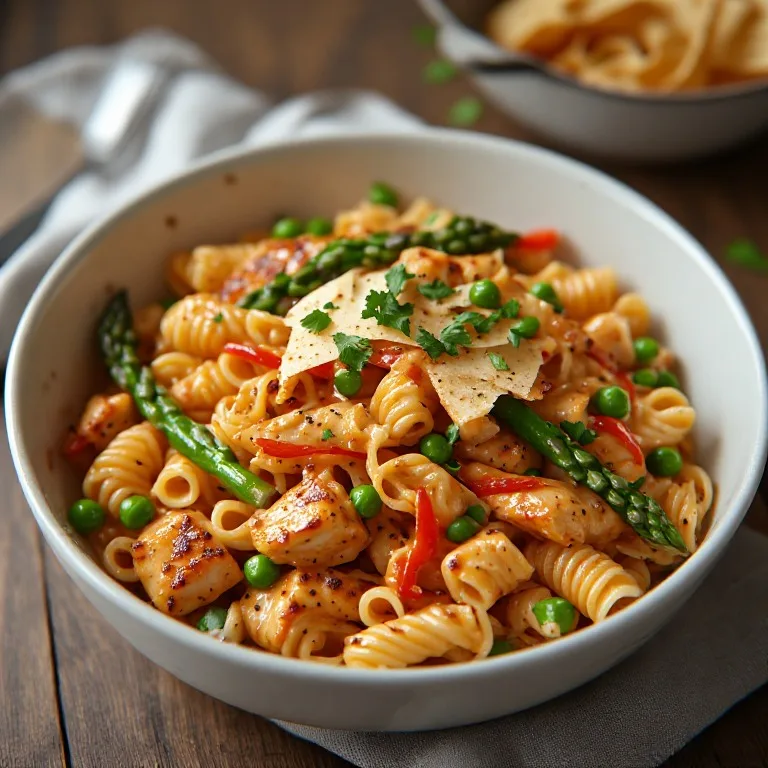
As an Amazon Associate, Copycat Spices earns from qualifying purchases. Product images are generic illustrations, not the exact item listed.

Cheesecake Factory Four Cheese Pasta

The Cheesecake Factory's Four Cheese Pasta is penne in marinara sauce with mozzarella, ricotta, Romano, and Parmesan — not a cream sauce. Here's the accurate copycat with the real cheese order.

Easy Prep: 10 min Cook: 20 min Total: 30 min4 servings ~$4.20/serving
Prep10 min
Cook20 min
Total30 min
Servings
4
At home~$4.20/serving
vs
Restaurant~$18.90/serving
You save ~78%

The Story Behind the Recipe

The Cheesecake Factory's Four Cheese Pasta is penne in marinara sauce with mozzarella, ricotta, Romano, and Parmesan — not a cream sauce. Here's the accurate copycat with the real cheese order.

Nutrition Facts

Per serving (4 servings)
Calories1280
Total Fat62g
Total Carbs132g
Dietary Fiber11g
Sugars23g
Protein49g
Sodium4110mg

* Estimated values based on standard recipe preparation. Actual values may vary.

Ingredients

Instructions

💡
Pro tip: This recipe tastes even better the next day. The flavors need time to meld together in the fridge.
❄️
Storage: Keeps in an airtight container in the fridge for up to 2 weeks. Freezer-friendly for up to 3 months.
🎃 Free Halloween cookbook — download now The Copycat Halloween Cookbook A ready-made, photo-illustrated PDF of our best halloween copycat recipes — free to download, no building required. Pay what you want to support if you love it.

Free PDF — instant download. We'll also send new seasonal copycat recipes now and then; unsubscribe anytime. Or just download it →

Copycat Cheesecake Factory Four Cheese Pasta

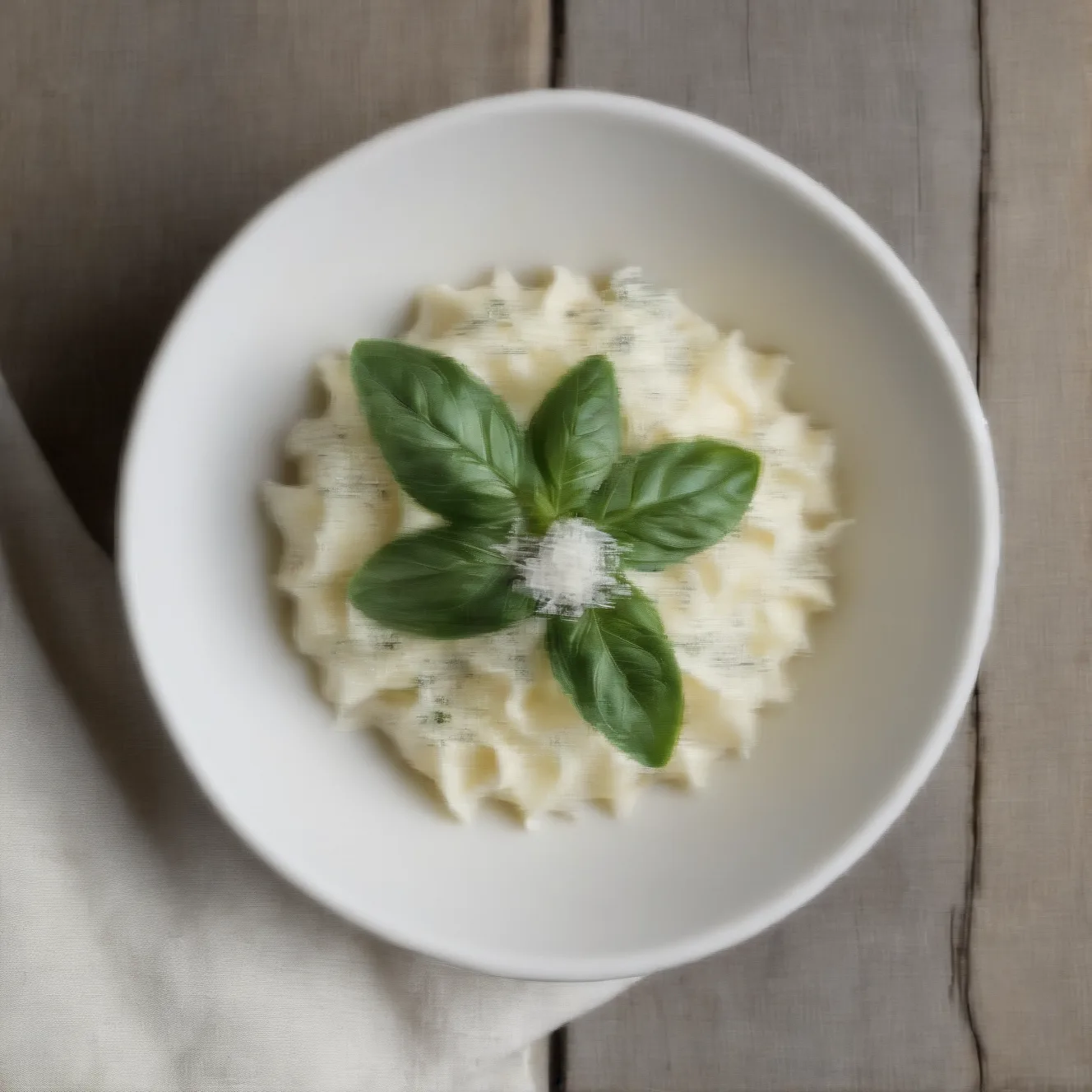
The Cheesecake Factory’s Four Cheese Pasta is officially described on their menu as “Penne Pasta, Mozzarella, Ricotta, Romano and Parmesan Cheeses, Marinara Sauce and Fresh Basil.” That sentence contains the most important fact for making this dish correctly at home: the sauce is marinara, not cream.

Most copycat recipes online treat this as an alfredo-style dish or a pure cream sauce, which produces a result that tastes nothing like the restaurant. The CF version is a tomato pasta — rich, yes, but the richness comes from four cheeses melted into the marinara, not from heavy cream.

Why the Sauce Matters More Than the Cheese

The Cheesecake Factory has several cream-based pasta dishes: Pasta Carbonara, Pasta Da Vinci, Shrimp Scampi, and Louisiana Chicken Pasta all use cream as the sauce base. Four Cheese Pasta is deliberately different. It is the menu’s answer for someone who wants the indulgence of multiple melted cheeses without the fat-forward richness of heavy cream. The tomato base keeps the dish brighter and slightly more acidic — the cheeses round and enrich it, but the flavor foundation is still recognizably Italian-American tomato pasta.

The marinara quality matters here. Because the tomato sauce is the base, not a background note, a good-quality jarred marinara (Rao’s, Victoria, Muir Glen) produces a noticeably better result than a thin, sugary one. Look for a marinara with no added sugar in the ingredient list.

The Four Cheeses: What Each One Does
CheeseRole
MozzarellaMelt and stretch; the glue that makes the sauce cling to the pasta
RicottaCreamy, slightly sweet dollops; the textural contrast in the finished bowl
ParmesanSalty, nutty depth; dissolves completely into the sauce
Pecorino RomanoSharp, pungent edge; more aggressive than Parmesan, rounds out the tomato

The ricotta is the most important to handle correctly. Do not fully stir it in. The restaurant version has visible white streaks and dollops of ricotta alongside the tomato-cheese sauce. When you get a bite that is mostly ricotta, the dish tastes different — sweeter, creamier, more delicate — and that contrast is the point. Stir half of it gently into the hot pasta so some integrates into the sauce, then dollop the rest on top after plating.

On fresh-grating: Pre-shredded mozzarella contains anti-caking agents (usually potato starch or cellulose) that prevent clean melting. Shredded fresh from a block produces a noticeably smoother sauce. For Romano and Parmesan, a Microplane or fine grater produces a powder that melts nearly instantly into the warm marinara.

The Pasta Shape and Why It Matters

The Cheesecake Factory uses penne — the standard hollow, angled-cut tube pasta. The hollow center traps marinara and cheese inside the tube, so you get a concentrated hit of sauce in every forkful even when the outer coating has been absorbed. Rigatoni and ziti work as substitutes for the same reason: both are hollow and ridged, designed for thick, clingy sauces.

Avoid smooth pasta shapes here. Farfalle, linguine, spaghetti, and angel hair are all designed for lighter oil-based or thinner cream sauces that coat a flat surface. A thick cheese-marinara sauce on smooth pasta produces an unbalanced plate where the sauce pools at the bottom rather than distributing evenly.

Cost Comparison: Home vs. Restaurant
Cheesecake FactoryHomemade (4 servings)
Dinner (pasta only)~$22.95—
With chicken add-on~$27–29—
Full batch (4 plates)~$91.80~$15–20
Per serving~$22.95~$4–5
Four Cheese vs. Other CF Pasta Dishes

The most useful comparison is not cheese count — it is sauce type:

Four Cheese PastaLouisiana ChickenPasta CarbonaraPasta Da Vinci
Sauce baseMarinara (tomato)Cajun creamEgg-and-creamMadeira mushroom cream
Protein includedOptional (chicken add)ChickenBaconChicken
Heat levelNoneMedium–spicyNoneNone
Who it’s forCheese lover wanting tomato brightnessSpice/Cajun fansBacon/egg richness seekersSavory/umami fans

Evelyn’s Favorite Pasta is the other tomato-adjacent CF pasta — lighter, olive-oil-tossed rigatoni with roasted eggplant, broccoli, artichoke, and kalamata olives; no cream and no meat.

Adding Chicken

The Cheesecake Factory offers a chicken add-on, and it works well at home. Pan-sear a boneless chicken breast in olive oil over medium-high heat until 165°F internal (5–6 minutes per side for a standard breast). Let rest 5 minutes, slice on the bias, and fan the slices over the plated pasta. Season simply — salt, pepper, garlic powder — so it complements rather than competes with the four-cheese tomato sauce.

Storage and Reheating

Fridge: Up to 3 days. The penne will absorb the sauce as it cools, so the leftovers will be denser and drier than the original. This is normal; see reheating note.

Reheat: Add 2–3 tablespoons of warm marinara or a splash of water per serving to a skillet on medium-low. Add the pasta and toss until the sauce loosens and the cheese re-melts. Avoid the microwave — the ricotta can become grainy and the mozzarella separates from the sauce.

Freeze: Not ideal — ricotta and mozzarella both change texture after freezing, and the tomato sauce may water out. Best eaten within 3 days.

More Cheesecake Factory Pasta Recipes

See all Cheesecake Factory copycat recipes →

🥗

Make It Healthier

Love Cheesecake Factory Four Cheese Pasta but want a lighter version? Try these simple swaps:

  • ✓The sodium in this dish is very high (4,110mg at CF) mostly from the marinara and Romano. Use a reduced-sodium jarred marinara and reduce the Romano to 2 tablespoons — you will still get the sharp bite but with meaningfully less sodium.
  • ✓Use 12 oz penne instead of 16 oz per batch. The sauce-to-pasta ratio is better and each serving saves about 150 calories.
  • ✓Use part-skim ricotta and part-skim mozzarella; the flavor difference is minimal because the Romano and Parmesan carry the savory character.
  • ✓Make the pasta one of three dishes in a meal — a half-portion of Four Cheese Pasta plus a salad and an appetizer is roughly 650 calories total.

Frequently Asked Questions

What are the four cheeses in Cheesecake Factory Four Cheese Pasta?

The four cheeses, per the official Cheesecake Factory menu description, are mozzarella, ricotta, Romano, and Parmesan. Each has a distinct role: mozzarella provides melt and stretch; ricotta adds a creamy, slightly sweet richness in visible dollops; Parmesan brings salty, nutty depth; and Pecorino Romano contributes a sharper, more pungent edge. The cheeses are combined with a marinara sauce — not a cream sauce — to create a rich tomato-cheese pasta that is very different from an alfredo.

Is Cheesecake Factory Four Cheese Pasta a cream sauce or tomato sauce?

Tomato sauce — specifically marinara. The official CF menu description reads 'Penne Pasta, Mozzarella, Ricotta, Romano and Parmesan Cheeses, Marinara Sauce and Fresh Basil.' Many home cooks and even several copycat recipe sites treat this as a cream pasta or alfredo-style dish, which is incorrect. The sauce is marinara enriched by four melted cheeses, which gives it a much richer, thicker consistency than plain marinara — but the base is unmistakably tomato, and the dish is quite different in character from the cream-based CF pastas like Pasta Carbonara or Pasta Da Vinci.

What pasta shape does Cheesecake Factory use for Four Cheese Pasta?

Penne — specifically the standard tube-shaped penne. The official CF menu description names it directly. Penne works well in this dish because the hollow center traps marinara and cheese inside the tube, while the ridged exterior holds the sauce on the outside. Rigatoni or ziti are the best substitutes; both share the hollow, ridged design. Avoid smooth pasta shapes like farfalle, spaghetti, or linguine — they do not hold a thick cheese-marinara sauce as effectively.

How many calories are in Cheesecake Factory Four Cheese Pasta?

A full dinner serving at the Cheesecake Factory is approximately 1,280 calories, with around 62g fat, 132g carbs, 49g protein, and 4,110mg sodium — about 179% of the daily sodium value. The sodium figure is notably high, a result of the marinara and the four cheeses (particularly the Romano, which is one of the saltiest aged cheeses). The lunch portion is approximately 950 calories. The home version of this recipe runs roughly 650–750 calories per serving with a typical 4-serving yield.

Is Cheesecake Factory Four Cheese Pasta still on the menu?

Yes. Four Cheese Pasta remained on the Cheesecake Factory menu through the 2025 overhaul that cut 13 items (including Bistro Shrimp Pasta, White Chicken Chili, and Spicy Cashew Chicken). It is listed on the current 2026 CF pasta menu and the lunch favorites menu. You can add chicken for an additional charge.

What is the difference between Cheesecake Factory Four Cheese Pasta and their cream-based pastas?

Four Cheese Pasta is tomato-based; the Cheesecake Factory's other pasta dishes are cream-based. Louisiana Chicken Pasta uses a Cajun cream sauce. Pasta Carbonara uses an egg-and-cream sauce. Pasta Da Vinci uses a Madeira mushroom cream sauce. Shrimp Scampi uses a roasted garlic cream sauce. Only Four Cheese Pasta and Evelyn's Favorite Pasta (spinach, tomato) use a tomato-based sauce. If you want the richest and most straightforwardly comforting option without Cajun spice or cream richness, Four Cheese Pasta is that dish — it is cozy, mild, and deeply satisfying because of the four cheeses, not because of cream.

How do I keep the ricotta from clumping or making the sauce grainy?

The ricotta is meant to be partially integrated, not fully dissolved. Add it in two ways: half stirred in to enrich the sauce (stir gently on low heat for 30 seconds), and the other half dolloped on top after plating. This gives you bites of pure ricotta richness alongside the tomato-cheese sauce — which is the restaurant's textural intent. If you fully blitz the ricotta into the sauce, the dish becomes flat and uniform. If you add it too quickly over high heat, the protein can separate and turn grainy; add it off heat or on the lowest setting.

Love this recipe? Share it!

Free PDF: our 12 most-wanted copycat recipes — instant download.

Made it? Buy us a coffee

Every recipe here is free, with no paywalls. If this one was a hit at your table, a small tip keeps new copycats coming.

$

Cheesecake Factory is a trademark of its owner, used here only to describe the dish this recipe recreates. This is an independent copycat written in our own words — Copycat Spices is not affiliated with, endorsed by or sponsored by Cheesecake Factory.

Ratings & Reviews

—
No ratings yet

Rate this recipe

Click a star to rate

Leave a Review

0/500

CS

Copycat Spices Editorial

Researched + fact-checked. Every recipe on Copycat Spices is built from published sources — official ingredient lists, brand-published recipes, interviews and food-science references — and fact-checked before it goes live, then written as clear, step-by-step instructions for home cooks of all skill levels.

Learn more about our mission →