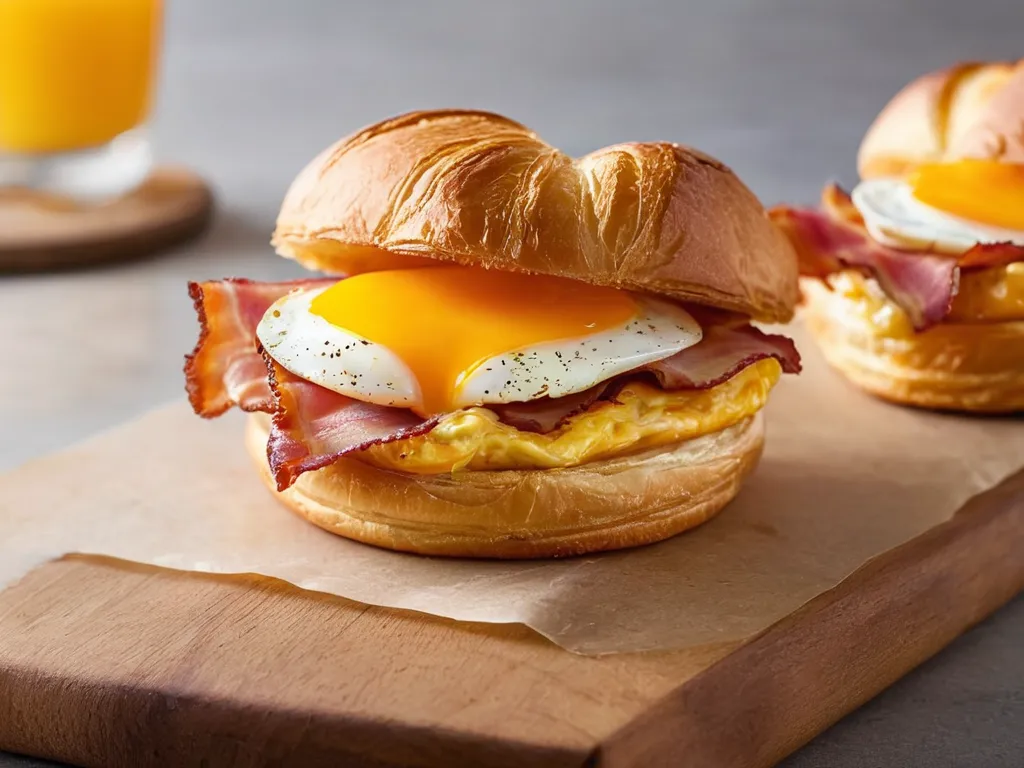
Copycat Dunkin’ Bacon Egg and Cheese
Prep time: 5 min Cook time: 12 min Servings: 4
The Dunkin’ bacon egg and cheese on a croissant is the benchmark for drive-through breakfast sandwiches. It is not trying to be fancy. It is buttery, salty, melty, and portable. You eat it with one hand while the other hand holds your iced coffee, and it hits every single time.
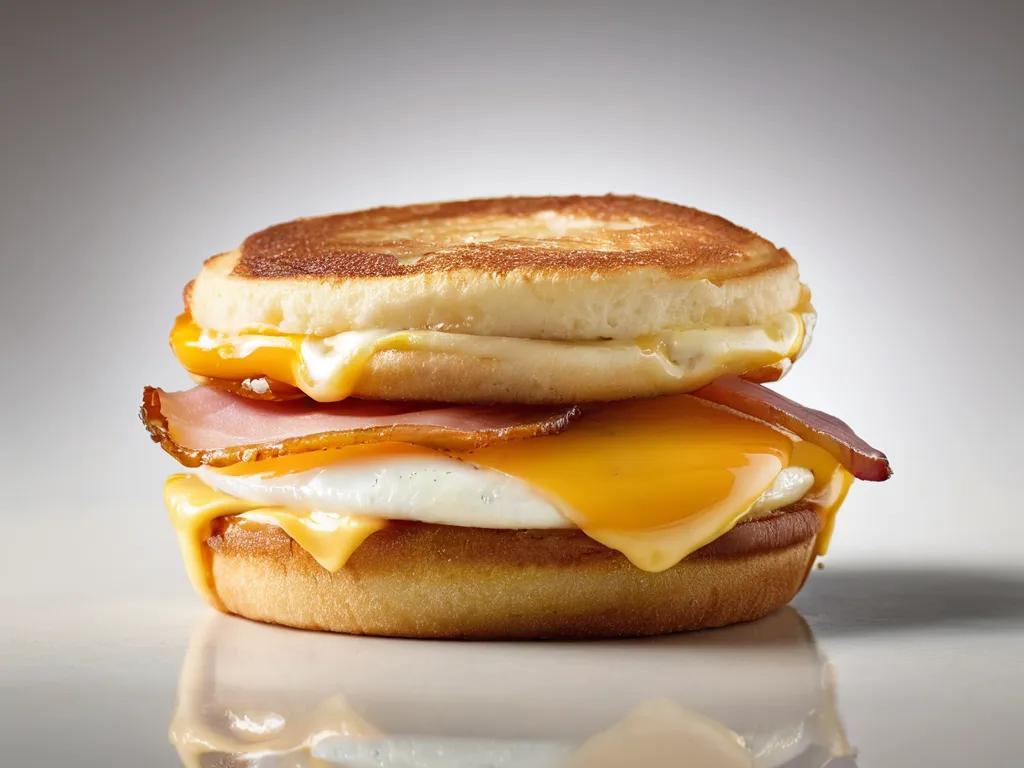
This recipe recreates that exact sandwich. Flaky croissant, round egg cooked flat, two strips of crispy bacon, and a slice of American cheese that melts into everything. The whole thing takes about 12 minutes, which is faster than sitting in the Dunkin’ drive-through line during the morning rush.
Make four at once. Eat one now, wrap the rest for the week. Your mornings just got cheaper and faster.
Why Make It at Home?
A bacon egg and cheese on a croissant at Dunkin’ costs $5.59 in most markets. Making four at home costs about $6.00 total, breaking down to $1.50 per sandwich. That saves you $4.09 per sandwich, or roughly $16 every time you make a batch of four.
If this is your go-to weekday breakfast, the savings add up to over $80 per month. And the homemade version uses real butter and thick-cut bacon instead of the pre-cooked, reheated components Dunkin’ uses behind the counter.
What Makes Dunkin’s Bacon Egg and Cheese So Good
It is the croissant that separates this from every other fast-food breakfast sandwich. A croissant has layers of laminated dough and butter that create a flaky, rich exterior and a soft, almost steamy interior. When you bite through the croissant and hit melted cheese, then egg, then bacon, the textures layer in a way that a flat English muffin or a stiff bagel cannot replicate.
American cheese is a deliberate choice, not a shortcut. It melts smoother and more uniformly than cheddar, swiss, or any other cheese. When a slice of American cheese hits a hot egg on a warm croissant, it turns into a creamy sauce that binds the sandwich together. This is not the place for artisanal cheese. American cheese does a specific job here and does it perfectly.
The egg at Dunkin’ is cooked flat and round, almost like a thin omelet without any fillings. It is not scrambled, not fried with crispy edges, not poached. It is neutral and mild, which lets the bacon and cheese do the heavy lifting on flavor. The egg’s role is texture and protein, and the flat shape ensures every bite includes all the layers.
Tips & Variations
-
Use frozen croissants for the best texture. Brands like Trader Joe’s or Pillsbury frozen croissant dough produce bakery-quality results. Refrigerated crescent rolls work in a pinch but are denser and less flaky.
-
Cook eggs and bacon simultaneously. Put the bacon in the oven first, then start the eggs in a skillet. Both finish in about the same amount of time, so everything is hot when you assemble.
-
Add a hash brown patty. Dunkin’ does not do this, but a crispy hash brown inside the sandwich adds a crunch layer that makes it substantially more filling.
-
Try pepper jack for heat. Swap the American cheese for pepper jack if you want a spicy kick. It melts nearly as well and adds a jalapeño bite that cuts through the richness of the croissant.
-
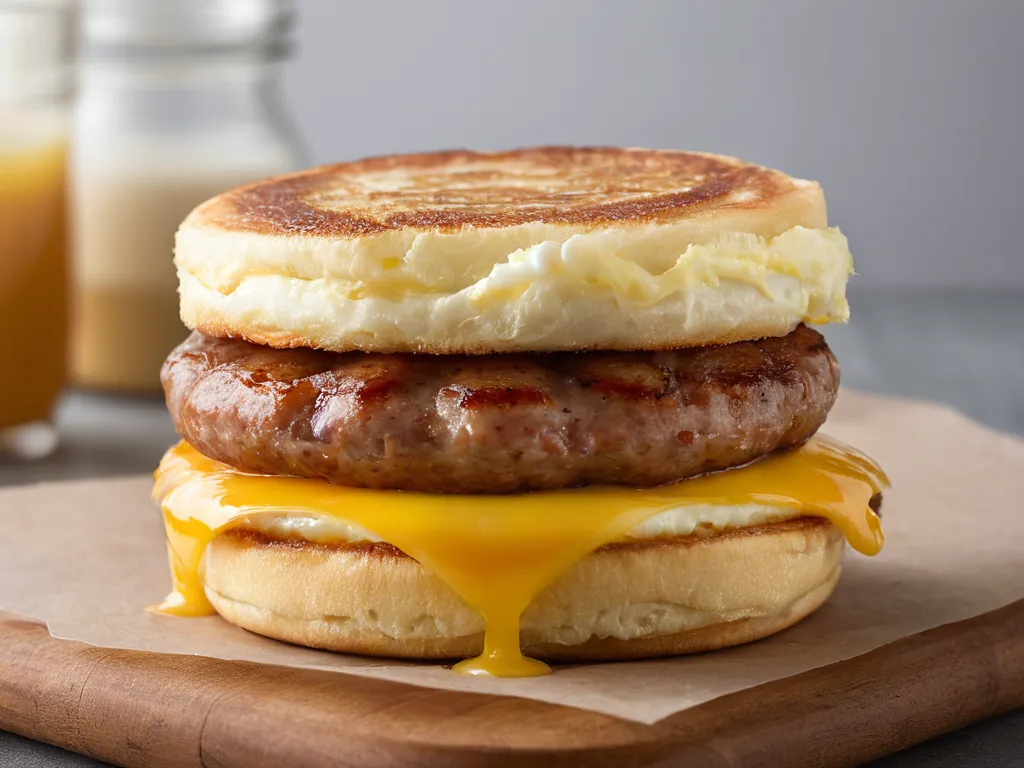
Make it a sausage version. Replace the bacon with a breakfast sausage patty. Cook the sausage in the skillet first, then use the rendered fat to cook the eggs for extra flavor.
Storage & Reheating
Wrap assembled sandwiches individually in parchment paper, then aluminum foil. Refrigerate for up to 3 days or freeze for up to 6 weeks. Label them with the date so you know what you are grabbing in the morning.
To reheat from the fridge, remove the foil and microwave in the parchment for 45-60 seconds. For a better result, unwrap completely and heat in a 350°F oven or toaster oven for 8-10 minutes until the croissant re-crisps and the cheese re-melts. From frozen, microwave for 90 seconds to 2 minutes, flipping halfway through. The oven method takes 12-15 minutes from frozen but produces a noticeably better texture. Either way, let the sandwich rest for a full minute after heating so the interior temperature evens out and the cheese finishes melting.
More Dunkin’ Copycat Recipes
- Dunkin’ Glazed Donuts — light yeasted ring donuts with a thin, shiny vanilla glaze; ready in two rises and a quick fry.
- Dunkin’ Munchkins — bite-size donut holes glazed, sugared, or chocolate-dipped; perfect alongside a morning sandwich.
- Dunkin’ Iced Coffee — the chain’s double-strength cold brew base over ice, with your choice of sweetener and milk.
See all Dunkin’ copycat recipes →