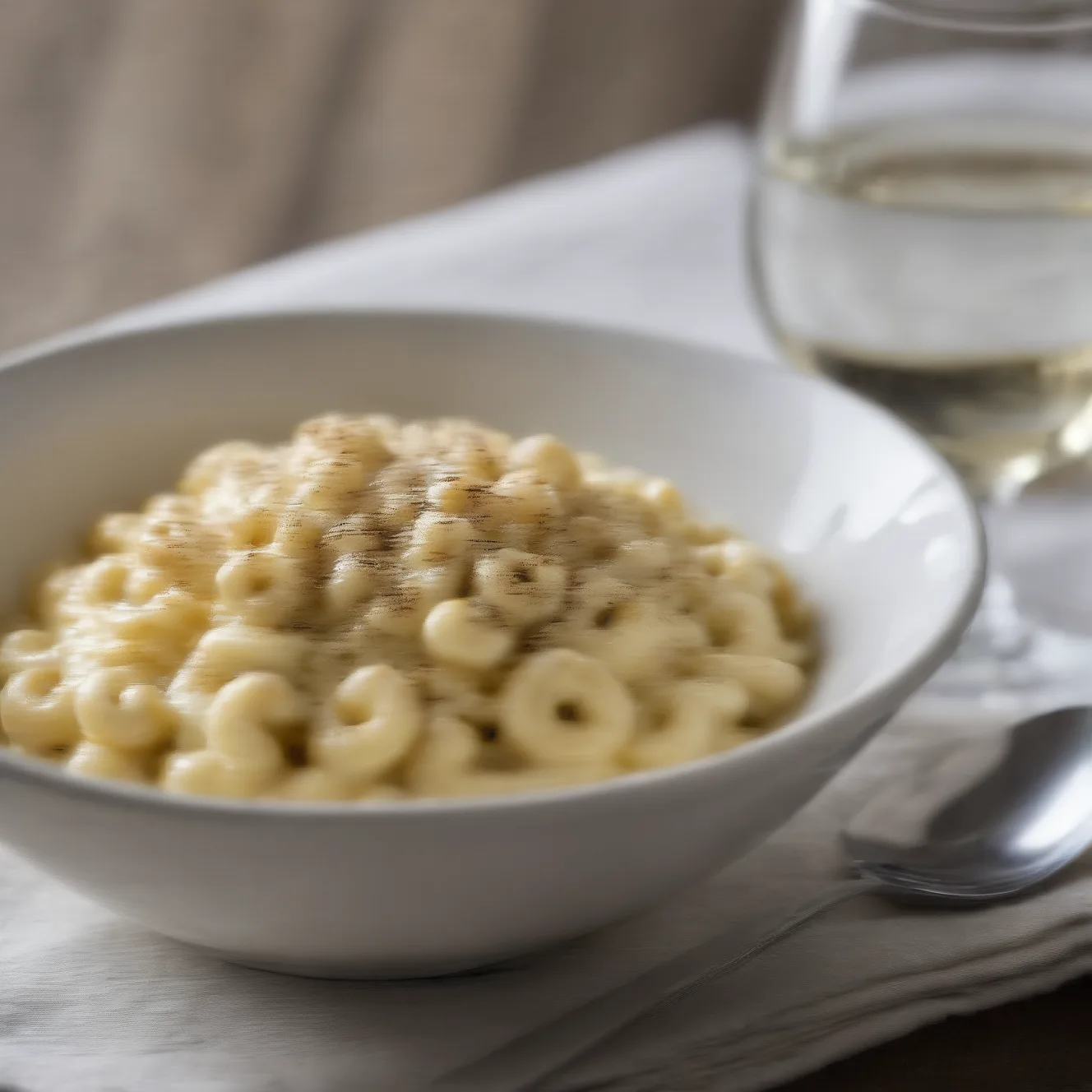
Copycat Noodles & Company Wisconsin Mac
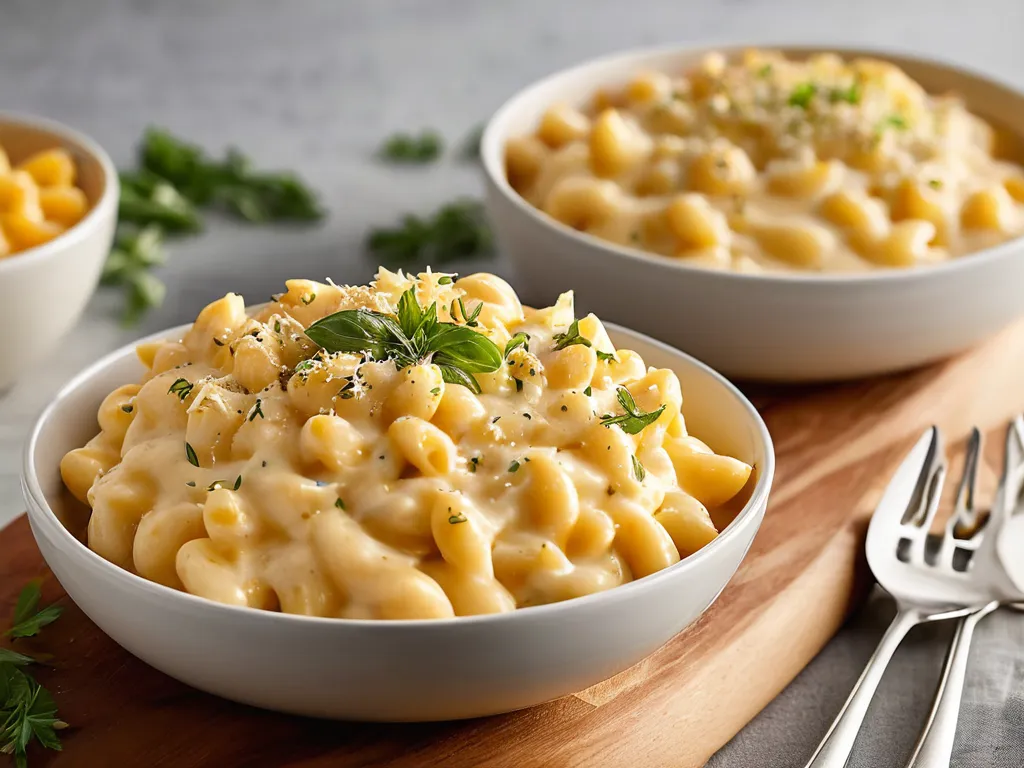
Wisconsin Mac is one of Noodles & Company’s original menu items — on the menu since the chain opened in 1995 — and it remains one of its best-selling dishes. The formula is not complicated: elbow macaroni, a roux-based white cheddar and Monterey Jack sauce, and a layer of shredded Colby-Jack on top. What makes it different from typical homemade mac is consistency — N&C’s sauce is reliably glossy and smooth, not grainy or broken.
The two techniques that produce that consistency are the same ones most home recipes skip: starting with room-temperature dairy, and adding cheese completely off heat.
TL;DR
Boil elbow macaroni (elbows, not cavatappi — that’s a different N&C dish) one minute less than al dente. Build a roux with butter and flour, whisk in room-temperature half-and-half until thickened, then remove from heat before adding white cheddar and Monterey Jack in stages. Season with salt, pepper, garlic powder, and nutmeg. Combine with pasta, adjusting consistency with pasta water. Top each bowl with shredded Colby-Jack and serve immediately. Official N&C nutrition for a regular bowl: 980 cal / 42g protein / 1,560mg sodium.
Elbow Macaroni, Not Cavatappi
First, the pasta — a common point of confusion. Noodles & Company’s Wisconsin Mac is made with elbow macaroni; the company describes it as “premium elbow noodles” in its own 2024 announcement of the “even cheesier” recipe update. People often assume it’s cavatappi because the corkscrew is N&C’s signature shape — it’s the pasta in their Pesto Cavatappi, and it shows up across the menu — but the mac uses elbows.
Cavatappi isn’t a wrong choice at home: the ridges and curl hold more sauce than elbows, and plenty of cooks prefer it. It’s just an upgrade you’re choosing, not what the restaurant serves.
Why “Wisconsin”?
Wisconsin produces more cheddar than any other state in the US, and white cheddar is its most recognizable style. Unlike yellow cheddar (which gets its color from annatto, a natural dye), white cheddar is uncolored and tends to have a slightly sharper, more complex flavor at the same age level. N&C’s “Wisconsin Mac” name signals that the sauce is built around real white cheddar, not a processed cheese product.
The chain was founded in 1995 in Boulder, Colorado — not Wisconsin — but the name stuck as a shorthand for “serious cheddar sauce.” N&C updated the formula in 2024, adding 50% more cheese sauce to every bowl in what it billed as the “even cheesier” version.
Sauce Science: Why Half-and-Half, Not Heavy Cream
Tested copycat recipes and N&C’s own description converge on half-and-half as the sauce base — not heavy cream, not whole milk alone. Heavy cream produces a richer sauce but a slightly heavier texture; milk alone can make the sauce too loose and more likely to break. Half-and-half hits the midpoint: creamy but still flowing, with enough fat to support the cheese without weighing down the pasta.
The roux technique matters because it provides stability. Roux-based sauces hold together at serving temperature without breaking into separate fat and liquid phases the way some “shortcut” mac sauces do. The trade-off is the 5–7 minutes of whisking — it cannot be rushed.
The Cheese-Adding Step
This is where most batches go wrong. Cheddar contains casein proteins that seize and clump when they hit high heat rapidly. The result is gritty, grainy sauce with visible fat separation — the cheese melted but didn’t emulsify.
The fix is simple: pull the pan completely off the burner before adding any cheese. The residual heat in the sauce is enough to melt both cheeses smoothly, and the lower temperature lets the fat and protein emulsify instead of separate. Add the cheese in three or four additions, stirring each until you can see no unmelted shreds before adding the next.
The same problem applies to pre-shredded cheese. Anti-caking agents (usually cellulose or potato starch) coat each shred and physically block them from melting cleanly. Buy a block of white cheddar and Monterey Jack and grate it yourself.
Temperature Shock and Room-Temperature Dairy
Cold dairy added to a hot roux causes the flour to set unevenly before it can hydrate — you get a sauce with lumps that never fully smooth out even with vigorous whisking. Take the half-and-half out of the refrigerator 20–30 minutes before you need it. This small step eliminates most lumping problems without any technique change.
Protein Add-Ons
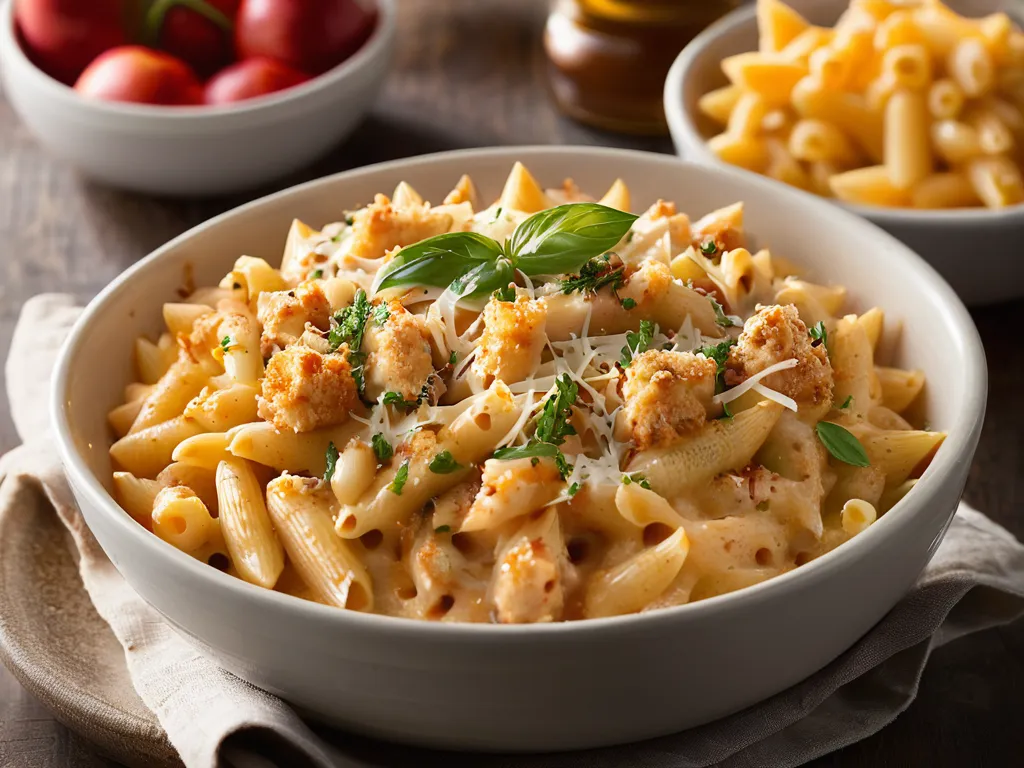
Noodles & Company offers grilled chicken, Parmesan-crusted chicken, marinated steak, sautéed shrimp, oven-roasted meatballs, and seasoned tofu over Wisconsin Mac. At home:
- Chicken: Pound boneless thighs thin, season with garlic powder, paprika, and salt, sear in oil over medium-high 4–5 minutes per side until 165°F. Thighs hold up better than breasts when stirred into hot sauce.
- Shrimp: Season, sear in butter 2–3 minutes per side. Add to the finished bowl, not into the sauce — the residual heat is enough to warm them through without overcooking.
- Meatballs: Brown in a skillet or bake at 400°F from frozen. N&C uses oven-roasted beef meatballs; a standard Italian-seasoned recipe or store-bought works fine.
Variations
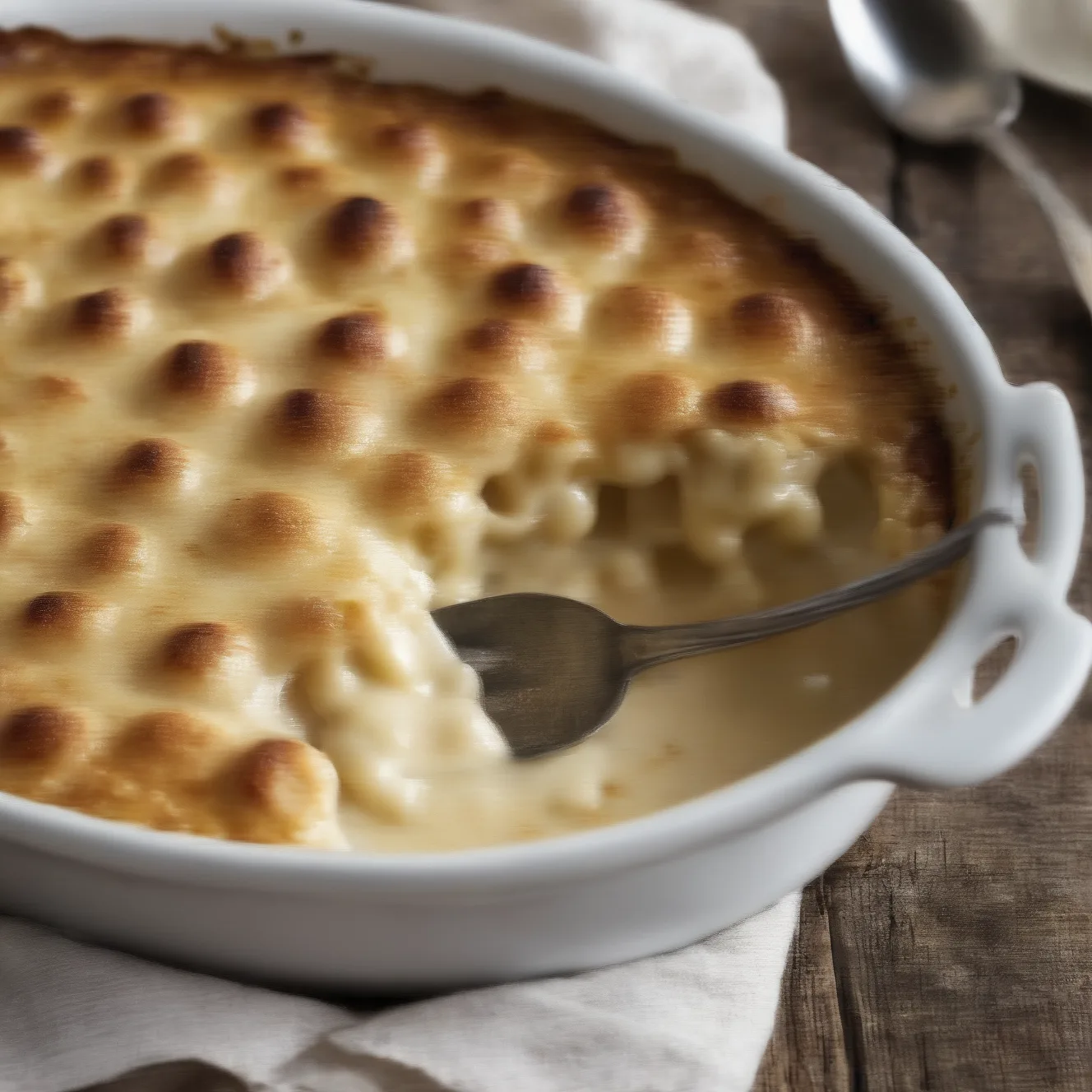
Parmesan-Crusted Top: Stir the pasta into the sauce, transfer to an oven-safe dish, add the Colby-Jack topping, scatter ¼ cup of grated Parmesan over that, and broil 3–4 minutes until the top is golden and slightly crisp. The broiled Parmesan layer adds a textural contrast that makes a big difference.
Spicy Chorizo Mac: Brown ½ lb fresh Mexican chorizo in a skillet, breaking it up. Drain the fat. Add it to the finished sauce before combining with pasta. The chorizo fat colors the sauce orange and adds paprika heat against the mellow white cheddar.
Truffle Mac: Drizzle 1 teaspoon of truffle oil over each bowl before serving. Do not add the oil to the sauce itself — heat destroys truffle’s volatile aroma compounds; it needs to go on at the last second. N&C has offered a Truffle Mac as a seasonal item; this replicates the basic idea.
Storage and Reheating
Mac and cheese does not hold well. The pasta continues absorbing sauce after cooking, so leftovers will be much thicker than the fresh version. Refrigerate in an airtight container for up to 3 days.
To reheat: add a splash of half-and-half or milk (not water) to the container, stir to loosen, and microwave in 30-second intervals, stirring between each. Or reheat gently in a saucepan over low heat with a few tablespoons of half-and-half, stirring constantly. The sauce will not return to its original smoothness fully, but it will be close.
This mac does not freeze well — the sauce separates on thaw and the pasta becomes mushy.
Cost Comparison
A regular bowl of Noodles & Company Wisconsin Mac costs approximately $8.50–10 depending on location. Adding a protein topping runs another $2.50–4. This recipe makes four regular-bowl-sized servings for roughly $8–10 total in ingredients: elbows ($1.50), half-and-half ($2), white cheddar ($3.50), Monterey Jack ($2). Under $2.50 per serving, versus nearly $10 at the restaurant.
Other Mac and Cheese Copycats
If you’re comparing chain mac and cheese versions:
- Copycat Panera Mac and Cheese — shells in a white cheddar sauce, baked under Parmesan; a different texture entirely from Wisconsin Mac
- Copycat Chick-fil-A Mac and Cheese — a baked casserole style with a crispy cheese top; Chick-fil-A uses a blend including Romano and Parmesan alongside cheddar
- Copycat Applebee’s Four-Cheese Mac — mozzarella, white cheddar, smoked Gouda, and Parmesan; richer and more layered than Wisconsin Mac
- Copycat KFC Mac and Cheese — fast-food style, processed-cheese base; sharply different from the scratch sauce approach here