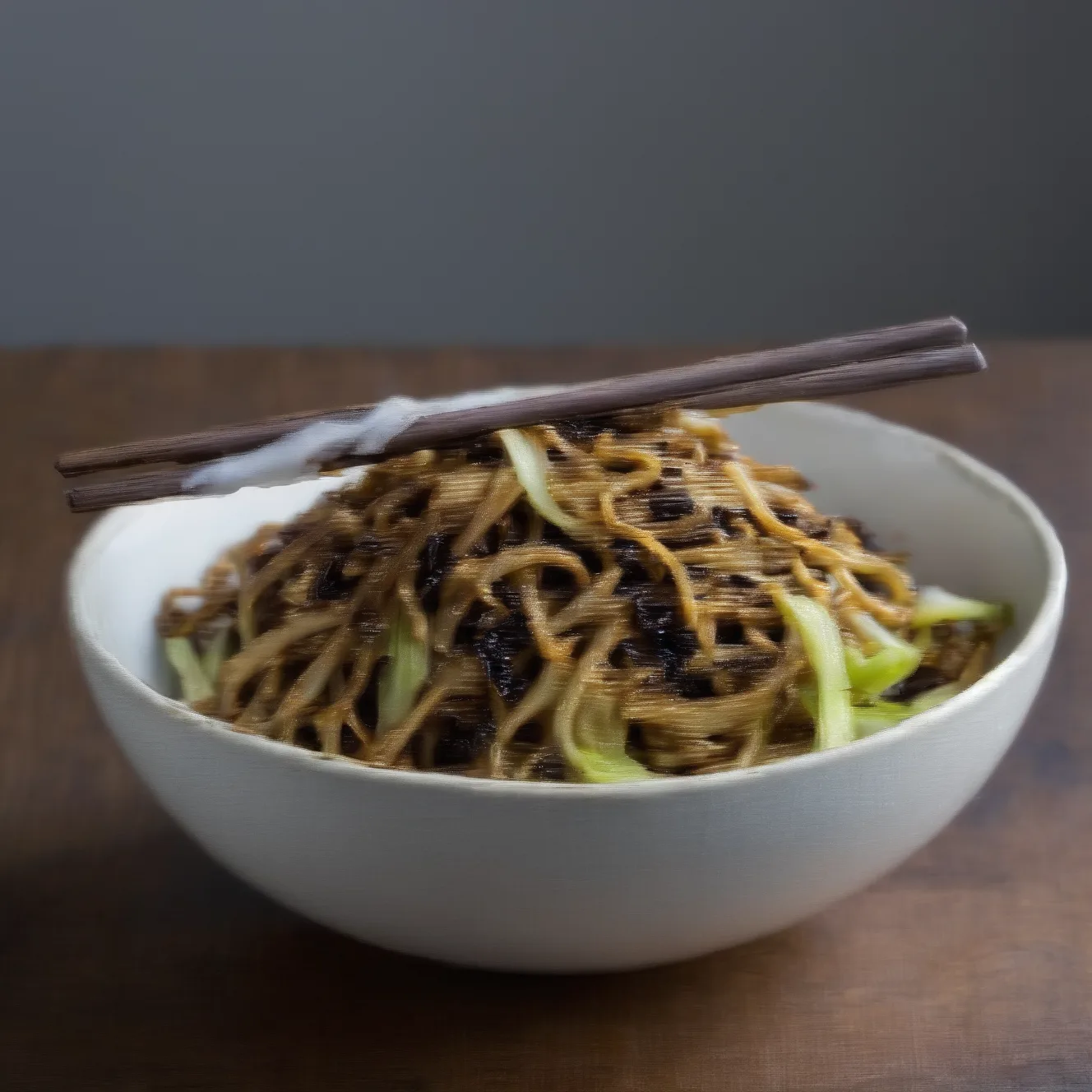
Copycat Panda Express Chow Mein
Prep time: 10 minutes | Cook time: 12 minutes | Servings: 4
Panda Express Chow Mein is one of the most-ordered sides in the United States — a companion to orange chicken in hundreds of millions of combo meals. The dish is intentionally simple: wheat noodles, three vegetables, and a soy-sesame sauce. That simplicity is precisely where home cooks go wrong. They treat it like a regular stir-fry and end up with steamed, mushy noodles instead of the slightly charred, glossy strands the restaurant produces.
The gap between takeout chow mein and a great home version is almost entirely technique, not ingredients.
What Actually Goes into Panda’s Chow Mein
Before building a copycat, it helps to know what Panda Express actually puts in the dish. Their published ingredient list is: wheat noodles, green cabbage, white onion, celery, soybean oil, soy sauce, sugar, sesame oil, salt. That is the complete list. No oyster sauce, no garlic, no ginger — and no animal products.
This means the restaurant version is a fully plant-based dish by ingredient. Panda does not label it vegan only because of shared cooking surfaces with meat. At home, our recipe adds optional oyster sauce for an umami boost — which technically departs from Panda’s formula but makes for a richer result. Skip it for a strict copycat or a certified plant-based version.
Choosing the Right Noodles
Panda Express uses proprietary wheat noodles made exclusively for the chain. The best home substitute is fresh yakisoba noodles from the refrigerated section of an Asian grocery store or well-stocked supermarket. They share the same chuka-soba wheat construction, springy texture, and chew as Panda’s noodles.
- Fresh yakisoba (best): No pre-boiling. Pull the noodles apart gently by hand and add directly to the hot wok.
- Dried lo mein or chuka soba (good backup): Cook to al dente, drain, rinse with cold water, and spread on a paper towel for 5 minutes to remove surface moisture. Wet noodles kill wok hei.
- Rice stick noodles (gluten-free swap): Medium-width rice stick noodles work but produce a softer texture with less char potential.
Vegetable Prep — the Cuts Matter
Panda uses exactly three vegetables in Chow Mein: green cabbage, celery, and white onion. The cuts:
- Celery: Sliced on a sharp diagonal bias, ¼-inch thick. The angled cut increases surface area for browning and exposes the interior so it cooks at the right speed.
- Cabbage: Thin strips, about ⅛-inch wide — not chunks. Thin strips wilt at the correct rate. Chunks take too long and release excess water.
- Onion: Thin half-moons. They caramelize faster than wedges or rough chops.
Rough ratio by volume: approximately equal amounts of celery and cabbage, with about half as much onion. Cabbage provides most of the bulk; celery provides the crunch and the characteristic bite of Panda’s version.
Add the celery to the wok 30 seconds before the cabbage and onion. Celery is denser and needs the head start to finish at the same tenderness.
Wok Hei at Home
The single biggest difference between restaurant chow mein and most home versions is wok hei — the “breath of the wok,” the subtly smoky, caramelized coating that comes from cooking over extreme heat. Commercial woks generate heat that home stoves cannot match. But you can get close:
- Use the right pan. A seasoned carbon steel wok or a 12-inch cast iron skillet holds heat far better than thin stainless or non-stick. Never use non-stick at these temperatures — the coating degrades and the pan cannot get hot enough anyway.
- Preheat until near-smoking. Heat the empty pan over maximum heat for 60 to 90 seconds before adding oil. Add the oil and wait another 20 to 30 seconds until it shimmers and just begins to smoke. Food added before this point drops the pan temperature and immediately starts steaming instead of frying.
- Cook in one batch — or two if needed. For a 12-inch pan, this recipe is one batch. For a 10-inch pan or smaller wok, cook in two separate batches. Overcrowding is the leading cause of soggy noodles at home.
- Dry the noodles before they go in. Surface moisture on fresh yakisoba or post-boil dried noodles steams the pan the moment noodles hit it. A 5-minute rest on paper towels after loosening (fresh) or draining (dried) makes a real difference.
- Let them sit before tossing. Once noodles hit the pan, press them lightly against the surface and leave them for 10 to 15 seconds. Then toss. Press again. Toss again. Repeat 4 to 5 times. That pause is where char forms. Constant stirring prevents it.
- Add the sauce last. Sauce added too early drops pan temperature and causes the noodles to steam in the liquid. Pour in one fast addition in the final 60 to 90 seconds and toss to coat.
Dietary and Allergen Notes
Panda Express Chow Mein contains wheat and soy but no egg, dairy, peanuts, tree nuts, or shellfish based on the published ingredient list. Cross-contamination is possible in the restaurant due to shared cooking equipment.
The home recipe is vegetarian as written. Omit the optional oyster sauce for a fully plant-based version. To make it gluten-free, use rice stick noodles and tamari or coconut aminos in place of soy sauce.
Calories: Home vs. Restaurant
One standard 11-ounce Panda Express side is 600 calories, largely because the restaurant uses significantly more oil than a home cook does. This recipe, using 2 tablespoons of oil across four servings, comes in closer to 420 calories per serving — and lets you cut sodium by more than a third with low-sodium soy sauce.
| Per serving | Panda Express (11 oz side) | This home recipe |
|---|---|---|
| Calories | 600 | 420 |
| Carbs | 94 g | 62 g |
| Protein | 15 g | 13 g |
| Fat | 23 g | 14 g |
| Sodium | ~1,000 mg | 960 mg (640 mg with low-sodium soy) |
The home version is lighter on calories and fat mostly because you control the oil. Match the restaurant’s richer mouthfeel by using the full 2 tablespoons of oil; drop to 1 tablespoon for the leanest result.
Troubleshooting
Noodles came out soggy. Three possible causes: the pan was not hot enough (oil must shimmer and just smoke before noodles go in), the pan was overcrowded (cook in batches for pans under 12 inches), or the noodles were wet. Fix one of these first.
No char at all. You stirred too constantly. Add noodles, press them gently to the pan surface, wait 10 to 15 seconds, then toss. Repeat. The sitting creates char; constant stirring erases it.
Too salty. Soy sauce brands vary widely in sodium. Start with 1½ tablespoons and taste before adding more. Already oversalted? Add a pinch of sugar and a few drops of rice vinegar to rebalance.
Noodles stuck in a clump. Fresh yakisoba can be tightly clumped in the package. Pull them apart completely before cooking — running them under a brief warm-water rinse, then drying on paper towels, also works.
Build a Panda Bowl at Home
Chow mein pairs with any Panda Express protein. From lightest to most indulgent:
- String Bean Chicken Breast — the cleanest pairing; crisp green beans echo the chow mein’s vegetable crunch with grilled chicken
- Orange Chicken — the classic; the sweet-tangy glaze contrasts cleanly with the savory, dry-wok noodles
- Kung Pao Chicken — heat and peanuts add another texture dimension
- Honey Walnut Shrimp — creamy mayo sauce is a rich contrast to the dry noodles
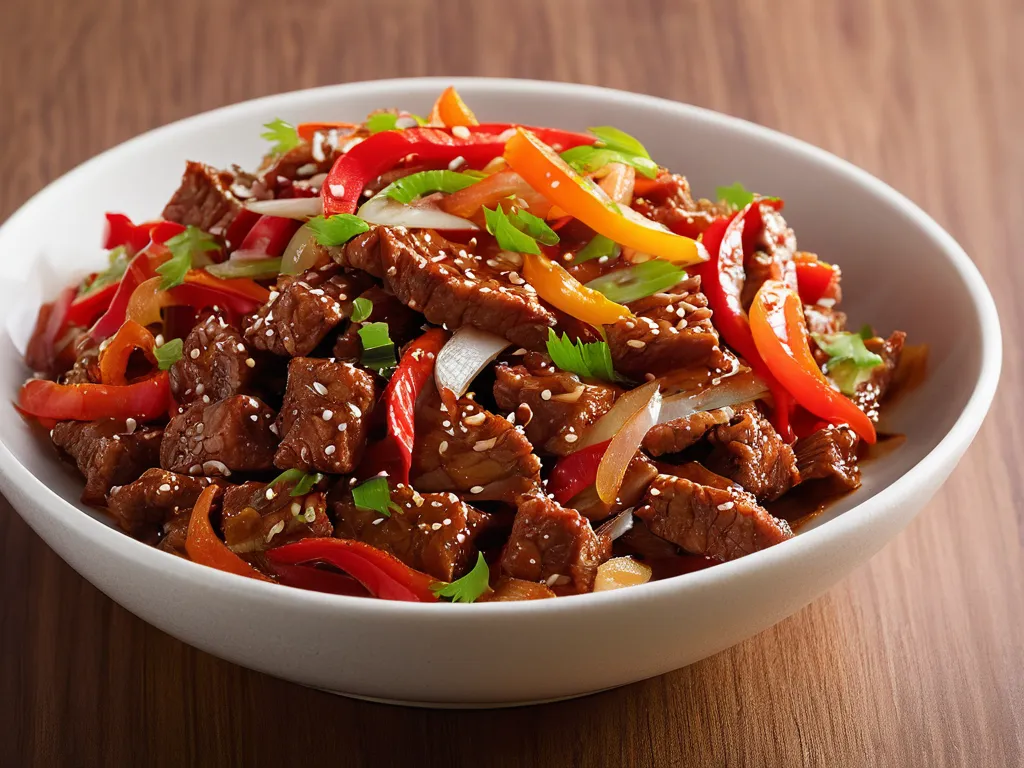
- Beijing Beef — sweet-tangy crispy beef, richer than orange chicken, same structural contrast
Cost Breakdown
A standalone side of Panda Express Chow Mein runs approximately $3.40 to $4.50 depending on location (it is included at no extra cost in bowl and plate combos). This recipe makes four servings for about $6 total — roughly $1.50 per serving — using 14 oz fresh yakisoba (around $2.50), cabbage and celery (around $1.25 combined), and pantry sauce ingredients.
More Panda Express Copycat Recipes
- Panda Express Orange Chicken — the #1 item Panda sells by a wide margin; crispy fried chicken pieces in a tangy orange-chili glaze
- Panda Express Fried Rice — the other essential side; day-old rice wok-fried with eggs and soy sauce for under $1.25 a serving
- Panda Express Beijing Beef — crispy flank steak strips in a sweet-tangy sauce with bell peppers and onions
- Panda Express Kung Pao Chicken — spicy wok stir-fry with dried chilies, roasted peanuts, and zucchini
- Panda Express Broccoli Beef — tender sliced beef and broccoli in a savory ginger-soy sauce
- Panda Express Honey Sesame Chicken — crispy chicken glazed in a lighter honey sesame sauce
- Panda Express String Bean Chicken Breast — the most-ordered healthy option; grilled chicken with crisp green beans in ginger soy
- Panda Express Honey Walnut Shrimp — crispy shrimp in a sweet creamy mayo sauce with glazed walnuts
- Panda Express Cream Cheese Rangoon — cream cheese and green onion in wonton wrappers; no crab, which is how Panda actually makes them
See all Panda Express copycat recipes →