Pin It

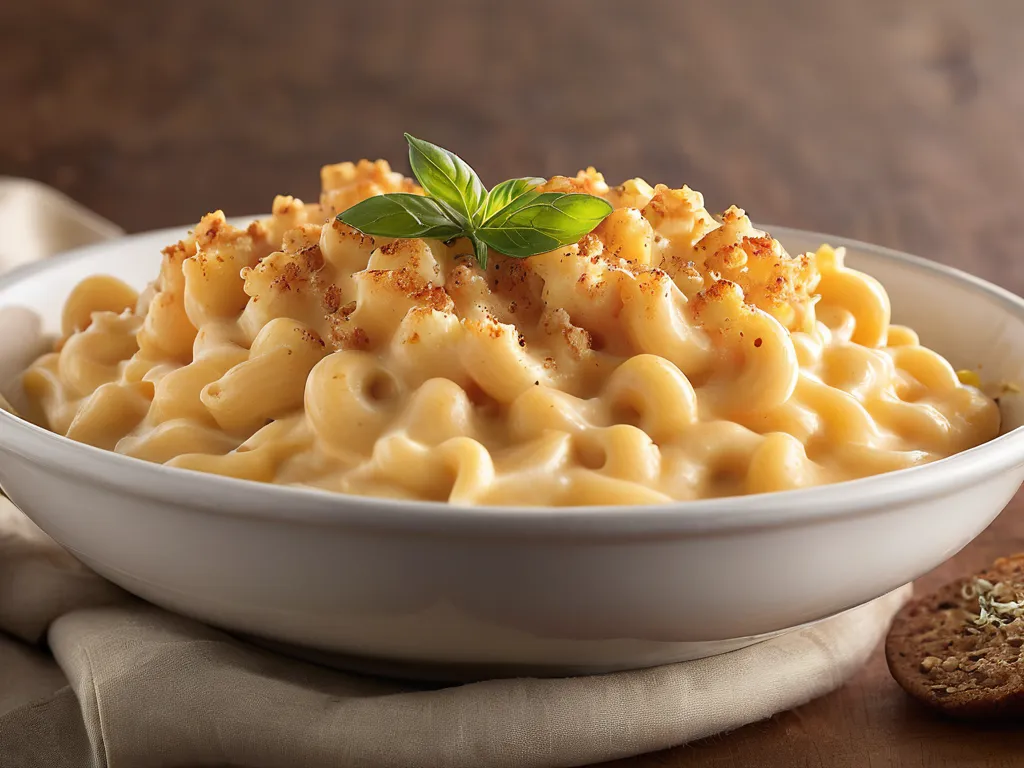
Copycat Boston Market Mac and Cheese

Copycat Boston Market Mac and Cheese
Jump to Recipe
Prep 10 min Cook 20 min Serves 6
Quick answer: Boston Market's mac and cheese is a stovetop-style creamy mac built on a base of pasteurized process American cheese and process Monterey Jack — not just cheddar. The process cheese melts into a glossy, stable emulsion that stays smooth and doesn't turn grainy or oily. The key fixes the stub version gets wrong: use American cheese (deli-sliced or Velveeta) as the primary cheese, add sharp cheddar for flavor, use half-and-half instead of whole milk (the restaurant product uses half-and-half too), and take the pot fully off the heat before the cheese goes in. The restaurant side contains about 280 calories and 1,050mg of sodium per serving. This copycat makes 6 generous servings in 30 minutes, reheats well with a splash of milk, and costs about $0.90 per serving at home.
Copycat Boston Market Mac and Cheese

Copycat Boston Market Mac and Cheese

Boston Market's mac and cheese is built on a base of American cheese, not just cheddar — that's why it stays silky and never gets grainy. This copycat nails the stovetop sauce in 30 minutes. Includes the processed-cheese science, a fast food mac comparison, troubleshooting table, and FAQ.

Easy Prep: 10 min Cook: 20 min Total: 30 min6 servings ~$3.85/serving
Prep10 min
Cook20 min
Total30 min
Servings
6
At home~$3.85/serving
vs
Restaurant~$17.32/serving
You save ~78%

Ingredients

Instructions

💡
Pro tip: This recipe tastes even better the next day. The flavors need time to meld together in the fridge.
❄️
Storage: Keeps in an airtight container in the fridge for up to 2 weeks. Freezer-friendly for up to 3 months.
~250-450 cal/serving · Rich & Indulgent🔥

The Story Behind the Recipe

Copycat Boston Market Mac and Cheese

Prep: 10 min | Cook: 20 min | Servings: 6

Boston Market mac and cheese has always been the quiet star of the menu — not the headliner like the rotisserie chicken, but the side dish people came back for, the one that made a chain that was technically a fast-food restaurant feel more like a home kitchen. The sauce is smooth and glossy, the kind that flows around the noodles rather than gelling into a solid mass, and it has a depth of flavor that ordinary roux-and-cheddar mac cannot match.

The reason is simple, and it is what the stub recipe gets wrong: Boston Market does not build their sauce from natural cheddar alone. Their product uses pasteurized processed American cheese as the primary base. American cheese is not an inferior ingredient — it contains emulsifying salts (sodium citrate or sodium phosphate) that keep the fat and proteins bound together at high temperatures. A sauce built on American cheese stays glossy and smooth; a sauce built on natural aged cheddar alone will often break into a greasy, grainy mess if the heat is too high or the sauce is held for more than a few minutes.

One more thing worth noting: Boston Market, founded as Boston Chicken in Newton, Massachusetts in 1985, has collapsed from a peak of more than 1,200 restaurants to about two dozen nationwide (more than 90 percent closed after 2022). The last restaurant in the state where the chain was born — in Worcester — closed in March 2025. This mac and cheese recipe exists not only because it is faster and cheaper to make at home, but because the restaurant may no longer be an option at all.

What Boston Market Actually Puts in the Sauce

The published ingredient list for the Boston Market retail line (Boston Market At Home) leads with enriched macaroni, water, and half-and-half (milk and cream), followed by pasteurized process colored American cheese and pasteurized process Monterey Jack cheese, plus a “cheese flavor” blend, modified food starch, canola oil, and spices. The three-cheese variant adds a cheddar club cheese and a Romano cheese blend. Two things stand out: the base is process cheese, not natural cheddar, and the liquid is half-and-half rather than milk — both of which this recipe copies directly. A small amount of acid (the dry mustard here, or a splash of vinegar) does the same brightening job the spice blend does in the commercial product: it keeps the cheese flavor from tasting flat and one-dimensional.

This recipe simplifies the formula for home cooks while preserving what matters:

  • American cheese (base): The emulsifying foundation. Buy it at the deli counter in a block or as thick-cut slices — avoid the individually-wrapped Kraft singles, which contain too much additional starch and produce a sauce that is more plastic than creamy. Eight slices of deli American is about 8 oz.
  • Sharp cheddar (flavor): Natural sharp cheddar adds the pronounced cheese flavor that processed cheese lacks. One cup (4 oz) is enough to give the sauce bite without risking the stability of the emulsion.
  • Parmesan (depth): A small amount of Parmesan approximates the umami depth of the Romano and cheese-flavor blend in the commercial product.
  • Dry mustard (amplifier): One of the few well-documented food chemistry secrets: dry mustard powder at a small quantity does not taste like mustard — it amplifies the perception of cheddar flavor. The mechanism involves sulfur compounds reacting with the fat-soluble flavor molecules in aged cheese.
  • Turmeric (color): A tiny pinch gives the sauce its characteristic golden tone without affecting flavor at all. This is why the Boston Market sauce looks richer than it is — the turmeric tints the cream base the same yellow that high-fat butterfat would produce.
  • Half-and-half (richness): More fat than whole milk, less viscous than heavy cream. The half-and-half produces a sauce with the right balance of richness and pourable consistency.
The Processed-Cheese Principle

Understanding why American cheese belongs in a mac and cheese sauce is the difference between a recipe that holds together and one that falls apart the moment it cools or reheats.

Natural aged cheese — sharp cheddar, aged Gruyère, raw milk Comté — is delicious and complex, but it is structurally unstable in sauces above about 150°F. The proteins in aged cheese form a tight network when heated, and that network squeezes out fat. You end up with clumps of stringy protein and pools of orange grease. That is not a technique failure; it is the physics of aged cheese at high temperature.

Processed cheese was invented to solve exactly this problem. The emulsifying salts added during processing — sodium citrate is the most common — coat the fat globules and prevent them from clumping. The result is a cheese that melts into a smooth, homogeneous sauce and stays that way across a range of temperatures, even when cooled and reheated. It is the reason every diner-style mac and cheese, every queso from a restaurant, and every cheese dip that stays smooth through a full football game is built on a processed-cheese base.

You can replicate the same effect without buying Velveeta by adding a pinch of sodium citrate to any natural-cheese sauce — sodium citrate is available at restaurant supply stores and online. This recipe uses deli American cheese instead, which achieves the same result with a product you can buy at any grocery store.

The Off-Heat Rule

The second critical variable — and the one that wrecks more homemade mac and cheese than any wrong ingredient — is heat during cheese addition.

Cheese added to a sauce still sitting over a direct flame continues to heat past the protein-tightening threshold. The American cheese in this recipe buys you more heat tolerance, but it is not infinite. The correct technique:

  1. Pull the pot completely off the heat source.
  2. Move it to a cold burner or a trivet on the counter.
  3. Wait 30 seconds.
  4. Add the American cheese first, in pieces, stirring continuously.
  5. Once the American cheese is fully melted and the sauce is smooth, add the cheddar in small additions.

The residual heat in the sauce and the pot itself is sufficient to melt all the cheese without reaching the temperature where even the processed cheese begins to break. This is the technique used in every professional kitchen that produces stable cheese sauces — not willpower or luck, just physics.

Fast Food Mac and Cheese: How They Compare
Boston MarketKFCChick-fil-APanera
Cheese baseAmerican + cheddarCheddar + AmericanParmesan, cheddar, Romano + AmericanWhite cheddar + American
Sauce styleStovetop, looseDense, starchyBroiled top, slightly bakedExtra thick, creamy
FinishGlossy, pourableSets firm, gels slightlyBrowned/crispy topThick, coat-the-spoon
Flavor profileMild, classic, comfortingMild, slightly gummySharper, more complexRich, tangy
Calories per side~280~320~440~510
Sodium per side~1,050mg~760mg~1,250mg~1,080mg

Boston Market’s differentiator is the ratio of sauce to pasta: the sauce is looser and more abundant than KFC’s, which means you taste more cheese per bite. Chick-fil-A’s is the most restaurant-ambitious of the three (and the highest calorie), with the broiled top and the sharper triple-cheese flavor. See the full Chick-fil-A mac and cheese copycat if the baked-top style appeals more.

Troubleshooting
ProblemLikely causeFix
Sauce is grainy or curdledAdded cheese over direct heatTake pot fully off heat; if already broken, add 2 tbsp evaporated milk and stir vigorously
Sauce is too thickNatural sauce thickeningStir in whole milk or half-and-half, 1 tbsp at a time, over very low heat
Sauce is too thinRoux cooked too brieflyCombine pasta and sauce and let sit 2 min — pasta absorbs liquid quickly
Pasta is mushyOvercooked before sauce stagePull pasta 1 full minute early next time; it finishes in the sauce
Sauce tastes flatNeeds acid or saltAdd 1 tsp Dijon or a small squeeze of lemon; taste and add salt
Sauce separated overnightToo much heat during reheatingReheat on very low with a splash of milk; whisk constantly; never let it boil
Orange oil poolingToo much natural cheese, overheatedReduce natural cheddar by 1/4 cup; American cheese should be the dominant base
Variations

Extra-Creamy Version: Replace the 2 cups half-and-half with 1.5 cups half-and-half and 1/2 cup heavy cream. Increase the American cheese to 10 oz and reduce the flour by 1 teaspoon. The result is richer and thicker — closer to a restaurant queso than a mac, but excellent.

Loaded Mac: After combining the pasta and sauce, fold in 1/2 cup cooked crumbled bacon and 2 tablespoons sliced scallions. Transfer to a baking dish, top with 1/4 cup panko breadcrumbs tossed in melted butter, and broil for 2–3 minutes until golden. This bridges the stovetop/baked divide.

Three-Pepper Mac: Add 1/4 teaspoon cayenne, 1/4 teaspoon smoked paprika, and 1 tablespoon diced pickled jalapeño to the cheese sauce. Serve alongside Boston Market rotisserie chicken for a home version of the Boston Market combo plate.

White Cheddar Version: Replace the deli American with 6 oz of white American cheese (same product, no food coloring) and the sharp cheddar with white sharp cheddar. Omit the turmeric. The flavor is identical; the appearance is pale ivory rather than golden — closer to the Panera palette.

Lobster Mac Upgrade: After combining pasta and sauce, fold in 4 oz cooked lobster meat (chopped) and 1 tablespoon unsalted butter. The Boston Market base is mild enough that the lobster reads clearly without competing with the cheese. See also the Capital Grille lobster mac and cheese for the full restaurant version.

Make-Ahead and Reheating

Mac and cheese is best right off the stove, but it reheats well with the right approach.

Store: If possible, refrigerate the cheese sauce and pasta separately — pasta left in sauce overnight absorbs it all and becomes dense. In a sealed container, each keeps for 4 days.

Reheat on the stovetop (best): Combine the pasta and sauce in a saucepan over low heat. Add a splash of whole milk or half-and-half and stir constantly until the sauce loosens and the pasta is heated through. Do not let it boil — boiling breaks the emulsion. Serve immediately.

Reheat in the microwave (acceptable): Add a tablespoon of milk to the portion, cover loosely with a paper towel, and heat in 30-second intervals, stirring between each. Two to three intervals is usually enough for a single serving.

Freeze: The sauce alone freezes well for up to 2 months in a sealed container. Thaw overnight in the refrigerator and reheat on the stovetop with a splash of fresh milk. The cooked pasta does not freeze well — the texture turns mealy. Make fresh pasta when you thaw the sauce.

Cost Comparison

At a Boston Market restaurant (in the markets where one still exists), the individual mac and cheese side runs approximately $4.50–5.50 for a 6 oz serving. The frozen retail version (Boston Market At Home, sold at Walmart and grocery stores) costs approximately $3.00–3.50 for a 14 oz portion — better value, but not the same texture as fresh.

This recipe makes 6 generous servings — each significantly larger than the restaurant side — for a total ingredient cost of approximately $5.50–7.00, or about $0.90–1.15 per serving. The dominant costs are the cheese ($3–4 for American and cheddar) and the half-and-half ($1.50 for a small container). A pound of elbow macaroni runs under $2. The cost advantage compounds with portion size: each serving here is roughly twice the size of the restaurant side at one-fifth the price.


For the full Boston Market comfort food experience at home, the copycat rotisserie chicken pairs with this mac and cheese exactly as the original combo plate did — herb-seasoned roasted chicken alongside the golden, creamy sauce. For more fast-food mac comparisons, the KFC mac and cheese copycat covers the denser, starchier version that is Boston Market’s closest competitor.

Nutrition Facts

Per serving (6 servings)
Calories490
Total Fat20g
Total Carbs55g
Dietary Fiber2g
Sugars5g
Protein22g
Sodium980mg

* Estimated values based on standard recipe preparation. Actual values may vary.

🥗

Make It Healthier

Love Boston Market Mac and Cheese but want a lighter version? Try these simple swaps:

  • Use 2% milk in place of half-and-half — the sauce will be thinner but still creamy; increase the flour by 1 teaspoon to compensate.
  • Swap whole wheat elbow macaroni for standard — adds 3–4g of fiber per serving without changing the texture noticeably.
  • Reduce the cheddar from 1 cup to 1/2 cup — the American cheese carries most of the sauce structure, and the flavor reduction is minor.
  • Serve the mac as a side (3/4 cup) rather than a main — the restaurant's actual side serving is about 6 oz and 270 calories.

Equipment You'll Need

Large pot or 4-qt saucepan

For building the roux and cheese sauce; heavy-bottomed holds heat more evenly

Whisk

For a smooth roux and lump-free béchamel

Cold burner or trivet

To move the pot completely off direct heat before adding cheese

Frequently Asked Questions

What cheese does Boston Market actually use in their mac and cheese?

Boston Market's mac and cheese is built on a base of pasteurized processed cheese — specifically American cheese and, in some product versions, processed Monterey Jack cheese. The restaurant's product uses processed cheese spread as the primary binding cheese, with additional cheddar and Romano for flavor. Processed cheese melts into a stable, glossy emulsion; natural cheddar alone can break into a greasy, grainy mess at higher temperatures. This recipe replicates that texture by using deli American cheese as the base, with sharp cheddar and a small amount of Parmesan for depth.

Is Boston Market mac and cheese baked or stovetop?

Boston Market mac and cheese is a stovetop-style sauced mac — there is no baked crust, no breadcrumb topping, and no oven step. The sauce is a roux-based béchamel with cheese melted in off the heat, then tossed with the cooked pasta immediately before serving. This is a different style from the broiled mac at Chick-fil-A (which gets a browned, slightly crispy top) or a baked casserole-style mac. The Boston Market version is looser, glossier, and creamier — it coats each noodle rather than setting up around them.

What are the nutrition facts for Boston Market mac and cheese?

The Boston Market restaurant side contains approximately 280 calories, 11g fat, 33g carbs, 10g protein, and about 1,050mg sodium per standard serving (about 210g, roughly 7 oz). This is lower than the Chick-fil-A mac and cheese (440 calories per serving) or Panera mac and cheese (510 calories per cup). The sodium is high relative to calories because of the processed cheese base. This copycat recipe runs higher — about 490 calories per serving — because it uses generous amounts of real cheese and half-and-half.

Why does homemade mac and cheese sometimes turn grainy or oily?

Grainy or greasy mac and cheese is almost always caused by one of three things: adding cheese to liquid that is still over direct heat, using only aged natural cheese without any emulsifying agent, or overheating the sauce after the cheese is in. Natural aged cheddar contains proteins that tighten and squeeze out fat when exposed to high heat — the fat separates, the proteins clump, and you get a broken sauce. The fix: add a processed cheese element (American cheese or Velveeta), take the pot fully off the heat before adding any cheese, and add the cheese in small handfuls while stirring continuously. If the sauce still breaks, a teaspoon of sodium citrate or a splash of evaporated milk stabilizes it.

Can I make Boston Market mac and cheese ahead of time?

Yes, with one adjustment: mac and cheese thickens as it sits because the pasta absorbs the sauce. Store the pasta and sauce separately if possible — keep the sauce in one container and the cooked pasta in another, then combine and reheat over low heat. If you've already combined them, reheat on the stovetop over low heat and stir in whole milk or half-and-half, one tablespoon at a time, until the sauce loosens back to its original texture. Microwave reheating works too — add a splash of milk, cover loosely, and heat in 30-second intervals, stirring between each. Do not let the mac boil during reheating; high heat breaks the cheese sauce.

How is Boston Market mac and cheese different from KFC or Chick-fil-A?

The main differences are texture and finish. Boston Market's is the loosest and creamiest of the three — a flowing sauce that coats each noodle without gelling around them. KFC's mac and cheese is noticeably denser and starchier, with a thicker sauce that sets up more firmly. Chick-fil-A's is a three-cheese blend (Parmesan, cheddar, Romano plus American) with a broiled top that gives it a slightly baked, browned finish — it's the most restaurant-casual of the three, with a sharper flavor. Boston Market's is the most neutral and comforting, the most classic diner-style mac.

Is Boston Market still open?

Boston Market has been in severe decline. The chain operated more than 1,200 locations at its peak in the late 1990s. After filing Chapter 11 bankruptcy in 1998, being acquired by McDonald's in 2000, and changing hands several times, more than 90 percent of its locations closed after 2022, leaving about two dozen restaurants nationwide as of mid-2026. The last Boston Market in Massachusetts — the state where the chain was founded as Boston Chicken in Newton in 1985 — closed in Worcester in March 2025. The frozen/retail line (Boston Market At Home, sold in grocery stores) continues where the restaurant no longer can.

Love this recipe? Share it!

Shop the tools

The right tools make all the difference. We earn a small commission if you buy through these links — at no extra cost to you.

Free PDF: our 12 most-wanted copycat recipes — instant download.

Ratings & Reviews

No ratings yet

Rate this recipe

Click a star to rate

Leave a Review

0/500

CS

Copycat Spices Test Kitchen

Every recipe on Copycat Spices is developed and tested in our home test kitchen. We reverse-engineer beloved restaurant dishes and refine each one until the flavors and the instructions work reliably for home cooks of all skill levels.

Learn more about our mission →