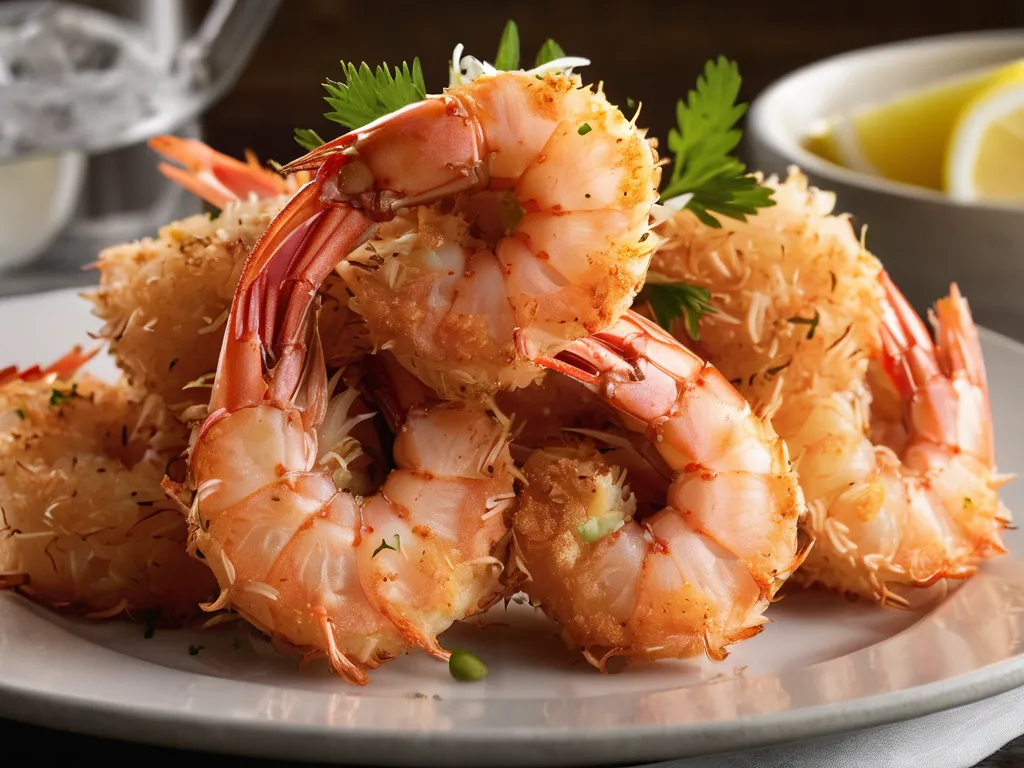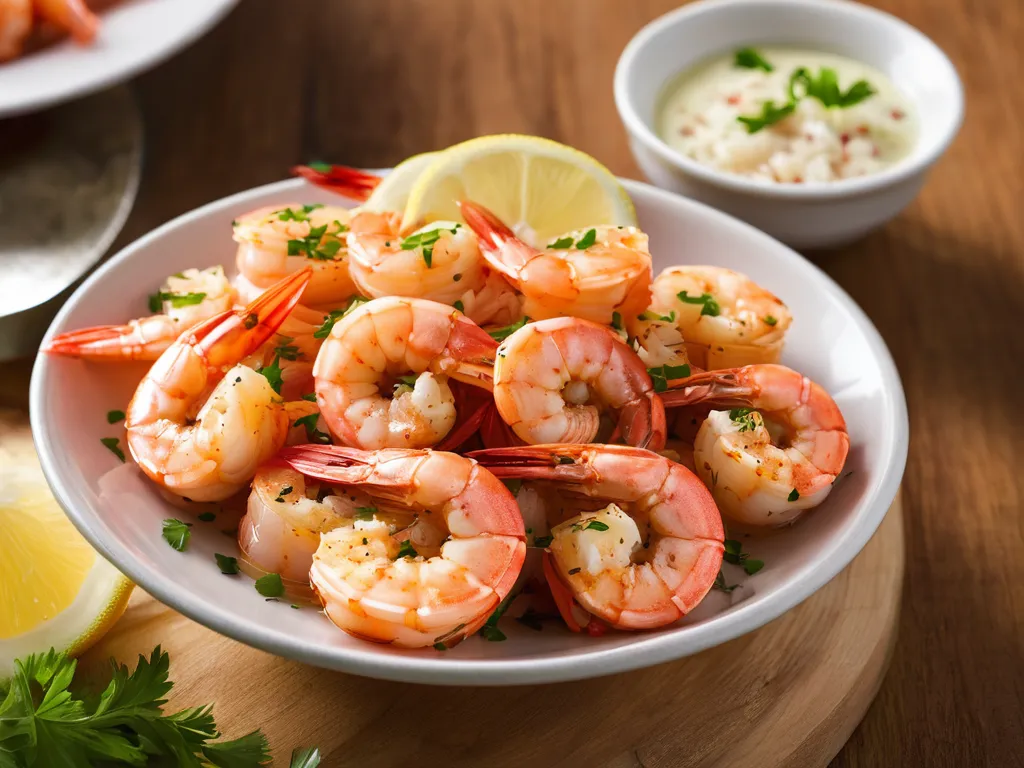
Red Lobster’s garlic shrimp is the dish people forget to replicate at home because it lives in the shadow of the chain’s famous shrimp scampi. But the garlic shrimp — sautéed shrimp in a concentrated garlic butter sauce, no pasta required — is faster, more versatile, and in many ways the truer expression of what makes Red Lobster’s shrimp preparation work. The shrimp, the garlic, the butter, the lemon — concentrated on the plate, with no pasta in the way.
This is a 15-minute recipe that requires exactly one pan. Served with Red Lobster’s Cheddar Bay Biscuits and a simple salad, it is an accurate recreation of the restaurant experience at roughly a quarter of the cost.
The dish appears on Red Lobster’s menu under “Biscuits & Extras” as a side or add-on, separate from their full Shrimp Scampi pasta entree. Red Lobster seasons the shrimp with Old Bay before cooking — a distinctly American touch that sets their version apart from Italian-style scampi — and finishes with grated Parmesan, something traditional Italian scampi never uses. Both of those details are included here.
What Makes This Different from Shrimp Scampi
The question comes up constantly: is garlic shrimp just shrimp scampi without the pasta? Close, but not exactly. The two dishes share a garlic butter foundation, but they diverge at the sauce.
Red Lobster’s shrimp scampi uses dry white wine as a primary component — the wine simmers and reduces into the butter, creating a thinner, more acidic sauce built to coat linguine and be absorbed into pasta water. The garlic shrimp sauce is butter-forward and more concentrated, with lemon juice providing brightness instead of wine providing structure. Without a pound of pasta pulling at the sauce, the butter adheres directly to each shrimp in a glossy, clingy coating that is richer per bite.
The result is a different eating experience: scampi is a pasta dish that happens to have shrimp; garlic shrimp is a shrimp dish that happens to have a butter sauce.
The Technique That Makes It Work
There are two moments in this recipe where most home cooks go wrong, and both involve heat management.
Searing the shrimp
Shrimp release a significant amount of liquid as they cook. If that liquid hits the pan faster than it evaporates — which happens when the pan is not hot enough, or the shrimp are too wet, or too many are added at once — the shrimp steam in their own moisture instead of searing against the pan surface. The result is soft, rubbery shrimp with a grey exterior instead of a lightly caramelized pink-and-gold crust.
Three things prevent this: a large pan (12 inches minimum), a dry surface on every shrimp, and restraint about how many go in at once. If you have 1.5 pounds of shrimp and only a 10-inch skillet, cook in two batches. Crowding the pan to save time costs you texture.
Cooking the garlic
Garlic shifts from raw and pungent to sweet and nutty at around 150°F to 160°F — the ideal window for garlic butter sauce. Around 280°F it begins to brown through the Maillard reaction; push much past 325°F and it turns bitter and acrid. After removing the seared shrimp from the pan, the residual heat will be too high for garlic if you add it immediately. Reduce the heat to medium, add the remaining butter, wait for the foaming to settle slightly, then add the garlic. Stir constantly. At medium heat, the garlic takes 60 to 90 full seconds to turn golden and fragrant — much slower than it feels in a hot pan. If it’s browning in under 30 seconds, pull the pan off the burner for a moment.
Choosing the Right Shrimp
Size matters more for garlic shrimp than for almost any other shrimp preparation, because the shrimp themselves are the entire dish. Use 21/25 count (large) shrimp for the correct balance of sear time to doneness. Smaller shrimp (31/40 or above) cook through before they develop any surface color. Larger shrimp (16/20 or below) require more time to cook through, which means you need to lower the heat and sacrifice the sear.
Peeled and deveined shrimp save prep time and are sold at every grocery store; the tails can be left on for presentation or removed for convenience. If you’re serving this as a shared appetizer, tails-on makes for easier eating at the table. If you’re building it into a bowl or tacos, tails-off is cleaner.
On frozen vs. fresh: most “fresh” shrimp at grocery stores was frozen on the boat and thawed for the display case. Buying frozen and thawing yourself — overnight in the refrigerator, or under cold running water — gives you shrimp at peak quality and texture. Whatever you buy, dry it thoroughly before cooking.
How Red Lobster Serves It
The restaurant plates garlic shrimp as part of combination platters and “Create Your Own” shrimp combinations, alongside their legendary biscuits. The biscuits are not an afterthought — they function as the vehicle for soaking up the remaining garlic butter, which is arguably the best part of the plate.
At home, the shrimp pair well with:
- Cheddar Bay Biscuits — the Red Lobster biscuit copycat takes 20 minutes and completes the experience
- Steamed white rice — the garlic butter sauce absorbs into rice better than almost any other grain
- Crusty bread — a sliced baguette turns this into a shareable appetizer
- Caesar salad — the rich butter sauce balances well against a sharp, tangy dressing
- Shrimp tacos — toss the cooked shrimp into warm corn tortillas with shredded cabbage, avocado, and lime crema for a fast weeknight meal
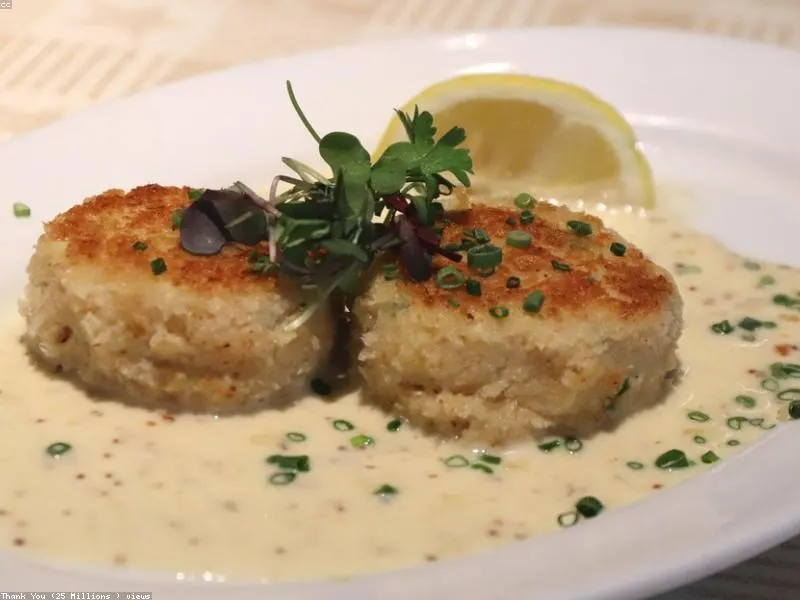
If you want to build a full Red Lobster-style meal at home, start with these garlic shrimp as an appetizer, serve crab cakes or lobster bisque as the main, and finish with the biscuits throughout. Total cost for four people: well under $40.
Red Lobster’s Endless Shrimp and What Happened Next
Garlic shrimp has been one of the rotating options in Red Lobster’s Endless Shrimp promotion, which launched in 2004 as a limited summer event. For nearly two decades it ran as a seasonal promotion — one price for unlimited refills on shrimp preparations including garlic shrimp, fried shrimp, and wood-grilled options.
In 2023, Red Lobster made Endless Shrimp a permanent, all-day, every-day menu item for $20. The decision was catastrophic: customer volume spiked far above what they priced for, the promotion generated an $11 million loss in a single quarter, and it contributed directly to the company’s May 2024 bankruptcy filing. Red Lobster emerged from bankruptcy reorganization later in 2024 with new ownership and new management. In April 2026, they brought Endless Shrimp back — this time as a limited-time promotion only, not a permanent fixture.
This history matters for home cooks in a practical way: it is evidence that the garlic shrimp is genuinely popular enough to drive demand at scale. People want it. Making it at home — for a fraction of the restaurant price, on your timeline, with better-quality shrimp — is the logical conclusion.
Variations Worth Trying
Herb garlic shrimp — Add 1 tablespoon of fresh thyme leaves and 1 tablespoon of finely chopped chives to the garlic butter. The thyme adds an earthy, slightly floral dimension that works especially well if you’re serving over rice.
Spicy garlic shrimp — Double the red pepper flakes and add 1/2 teaspoon of smoked paprika to the shrimp seasoning before searing. The paprika builds a slightly smoky crust and deepens the heat from the pepper flakes.
Oven-baked, restaurant-style — This mirrors how Red Lobster’s kitchen actually prepares the side. Toss the raw seasoned shrimp with the melted garlic butter in an oven-safe dish, then bake at 400°F for 8 to 10 minutes until just opaque, broiling for the final 1 to 2 minutes to brown the tops. You sacrifice some of the stovetop sear, but it’s hands-off and easy to scale up for a crowd.
Garlic shrimp over polenta — Pour soft, stone-ground polenta into wide bowls and ladle the shrimp and all their sauce on top. The polenta absorbs the butter the same way pasta would, but the dish becomes heartier and more distinctive.
Storage and Reheating
Garlic shrimp is best eaten immediately — shrimp texture degrades noticeably in the refrigerator, and the garlic butter sauce solidifies when cold. That said, leftovers will keep for up to 2 days covered in the refrigerator.
To reheat: warm a small skillet over medium-low heat, add a thin slick of butter or olive oil, and toss the shrimp for 90 seconds until warmed through. Do not microwave — it turns the shrimp rubbery and drives off the garlic aroma. Add a fresh squeeze of lemon after reheating to restore brightness.
For best results, slightly undercook the shrimp on the first pass if you plan to eat leftovers — they will finish to the correct texture when reheated.