Copycat Red Lobster Lobster Bisque
Prep time: 20 min | Cook time: 40 min | Servings: 4
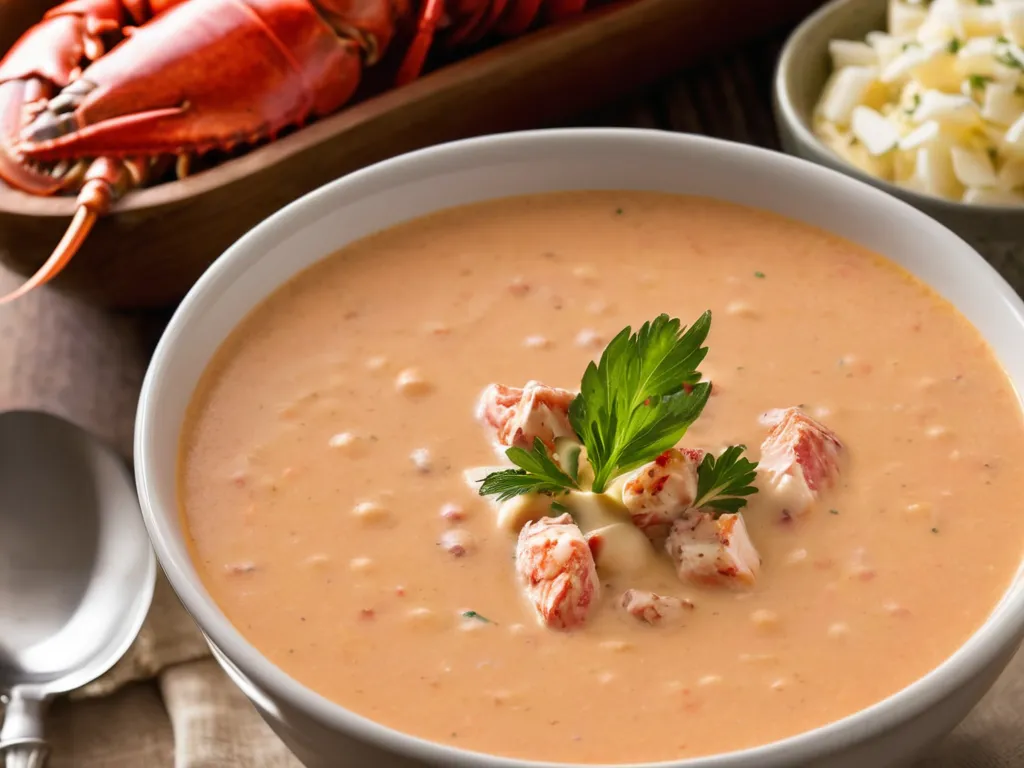
Red Lobster’s lobster bisque is the quiet star of their menu. While most people walk in for the Cheddar Bay Biscuits or a shrimp platter, the bisque is the dish that shows up on nearly every table as a starter. Thick, coral-colored, completely smooth except for the lobster chunks, with a flavor that tastes more like a French bistro than a chain restaurant. It arrives at around $7.49 to $9.61 for a 12-oz bowl with oyster crackers — not outrageous, but steep when you can replicate it at home for about $6 per serving.
Making lobster bisque from scratch sounds intimidating. It is not. The process is building a soup in four distinct stages: cook lobster, make stock from the shells, build a roux base with aromatics and sherry, then blend and finish with cream. The shell stock is the only technique that separates this from any other creamy soup — and it takes just 15 minutes of hands-off simmering.
Why the Shell Stock Is the Whole Point
Most home bisque recipes call for seafood stock from a carton. That stock produces a decent soup, but it lacks the intensity that makes Red Lobster’s version stand out. The shells of cooked lobster tails — the part most people throw directly in the trash — are loaded with flavor compounds that only release when simmered in liquid.
After the lobster tails are cooked, the shells go back into the same boiling water for 15 minutes. In that time, the water pulls out everything the shells have left: the oceanic briny depth, the faint sweetness, the reddish color that turns the bisque coral rather than pale cream. The result is a stock that smells unmistakably like lobster — not fishy, but sweet and oceanic. No commercial seafood stock replicates this, because it is made from the specific shells of the lobster you are about to eat.
Keep a freezer bag for lobster shells. Every time you eat lobster at home, add the shells to it. When you have enough, simmer them for a deeply concentrated stock that makes this bisque extraordinary.
What Makes Red Lobster’s Version Distinctive
The texture is the first thing you notice — not a drop of texture from vegetables. No onion bits, no celery strings. This requires two things: cooking the mirepoix until the vegetables are genuinely soft and dissolving (not just translucent), and blending thoroughly enough to eliminate every fibrous strand. The strainer step afterward catches what the blender misses.
The sherry is the flavor signature. Classic lobster bisque always includes a fortified wine, and dry sherry is the correct choice at Red Lobster and in French-style bisque. It does not make the soup taste boozy — the alcohol cooks off during simmering. What remains is a warm, slightly nutty depth that you cannot get from wine alone. Cream sherry is too sweet; cooking sherry has too much added salt; dry vermouth is a workable substitute if dry sherry is unavailable.
The tomato paste gives the bisque its color and its faint acidity. Two tablespoons, cooked until brick-red before the flour goes in, pulls the flavor away from raw tomato toward something almost savory and complex. It is also what balances the heavy cream — without that acidity, a cream-heavy soup tastes flat and one-dimensional.
Cost Comparison
A cup of lobster bisque at Red Lobster costs $5.99; a 12-oz bowl runs $7.49 to $9.61 depending on location. This recipe makes four generous bowls for roughly $24 total in ingredients (two lobster tails at $12–14, plus pantry staples), or about $6 per bowl. If you pair it with a batch of Cheddar Bay Biscuits — which adds another $3 in ingredients and 20 minutes of work — you have a complete Red Lobster starter course for about $9 per person versus $15–18 at the restaurant.
Variations Worth Trying
Cognac bisque — Replace the dry sherry with 3 tablespoons of cognac or brandy, added after the roux and cooked down for 90 seconds. Cognac gives the bisque a warmer, richer tone. This is actually closer to some classic French bisque preparations than sherry is.
Corn and lobster bisque — After blending, stir in 1 cup of fresh or frozen corn kernels along with the lobster. The corn adds sweetness and some textural contrast against the smooth bisque. A summer variation that works exceptionally well.
Tarragon-heavy — Double the fresh tarragon to 2 tablespoons. Tarragon and lobster have a classic affinity — the anise-like sweetness amplifies the lobster’s natural flavor in the same way vanilla amplifies chocolate.
Ultra-luxe version — Replace 1/4 cup of the heavy cream with 2 tablespoons of crème fraîche stirred in off the heat. Crème fraîche adds a subtle tang that brightens the entire bisque and gives the texture a slightly silkier mouthfeel.
Storage and Reheating
Lobster bisque keeps well in the refrigerator for up to 3 days in a sealed container. For best results, store it without the lobster chunks if possible — the lobster stays tender when added fresh at serving time rather than sitting in the hot bisque overnight.
To freeze: cool the bisque completely and freeze in airtight containers for up to 2 months. Freeze the base before adding the cream and lobster if you want maximum flexibility — the base freezes better than the finished cream-enriched soup.
To reheat: pour into a saucepan over medium-low heat and stir frequently until warmed through. Do not bring it to a boil — boiling cream-based soups causes them to break and turn grainy. If the bisque thickened overnight, thin it with a splash of seafood stock or whole milk. A fresh squeeze of lemon juice after reheating restores the brightness that heat tends to dull.
Pair It With
- Red Lobster Cheddar Bay Biscuits — the only bread that belongs next to this bisque; use them to mop up the bowl
- Red Lobster Garlic Shrimp — serve as the main course after the bisque for a complete Red Lobster dinner at home
- Red Lobster Shrimp Scampi — another hearty seafood pairing if you want the full multi-course experience
- Red Lobster Clam Chowder — the chunky alternative for days when smooth bisque isn’t what you want
See all Red Lobster copycat recipes →