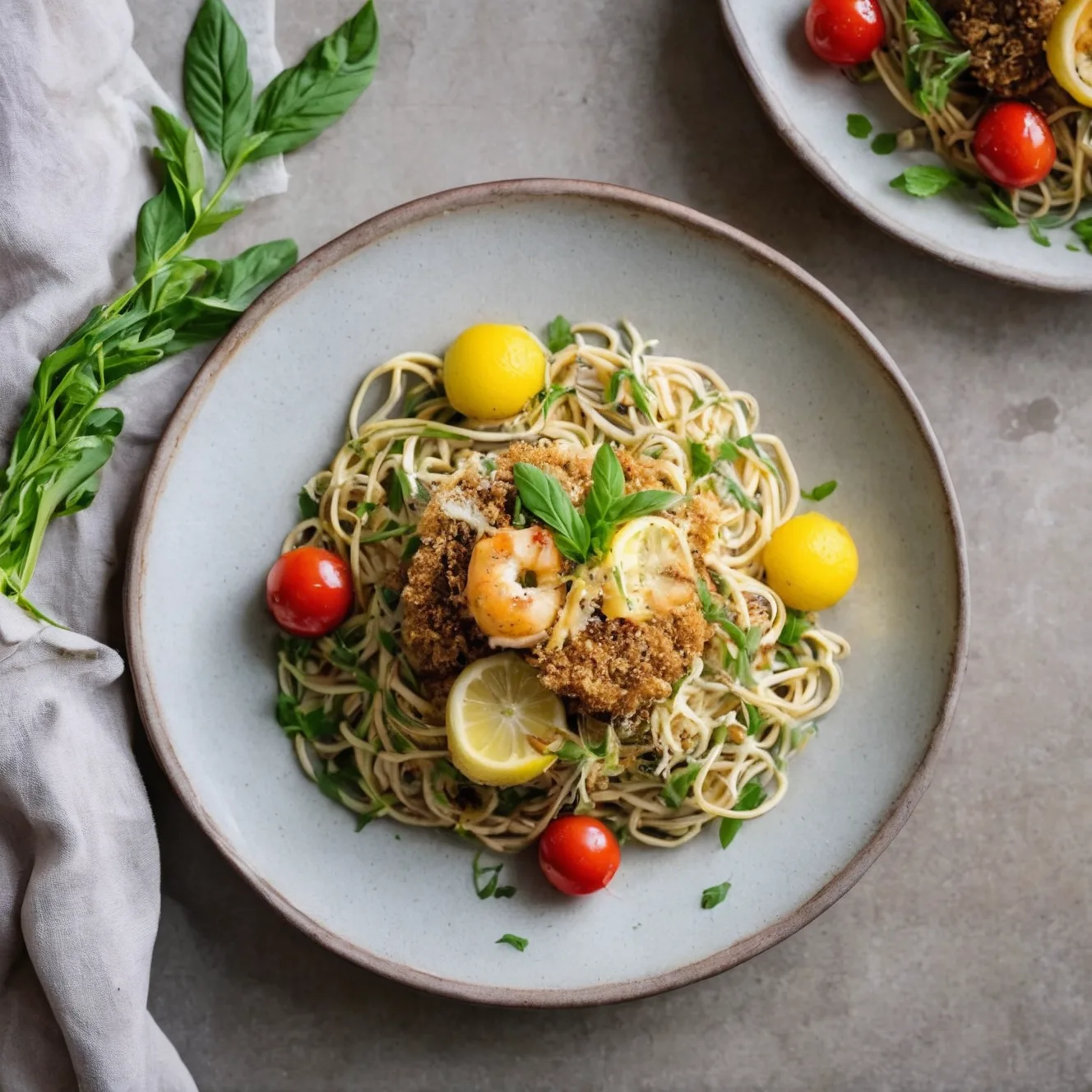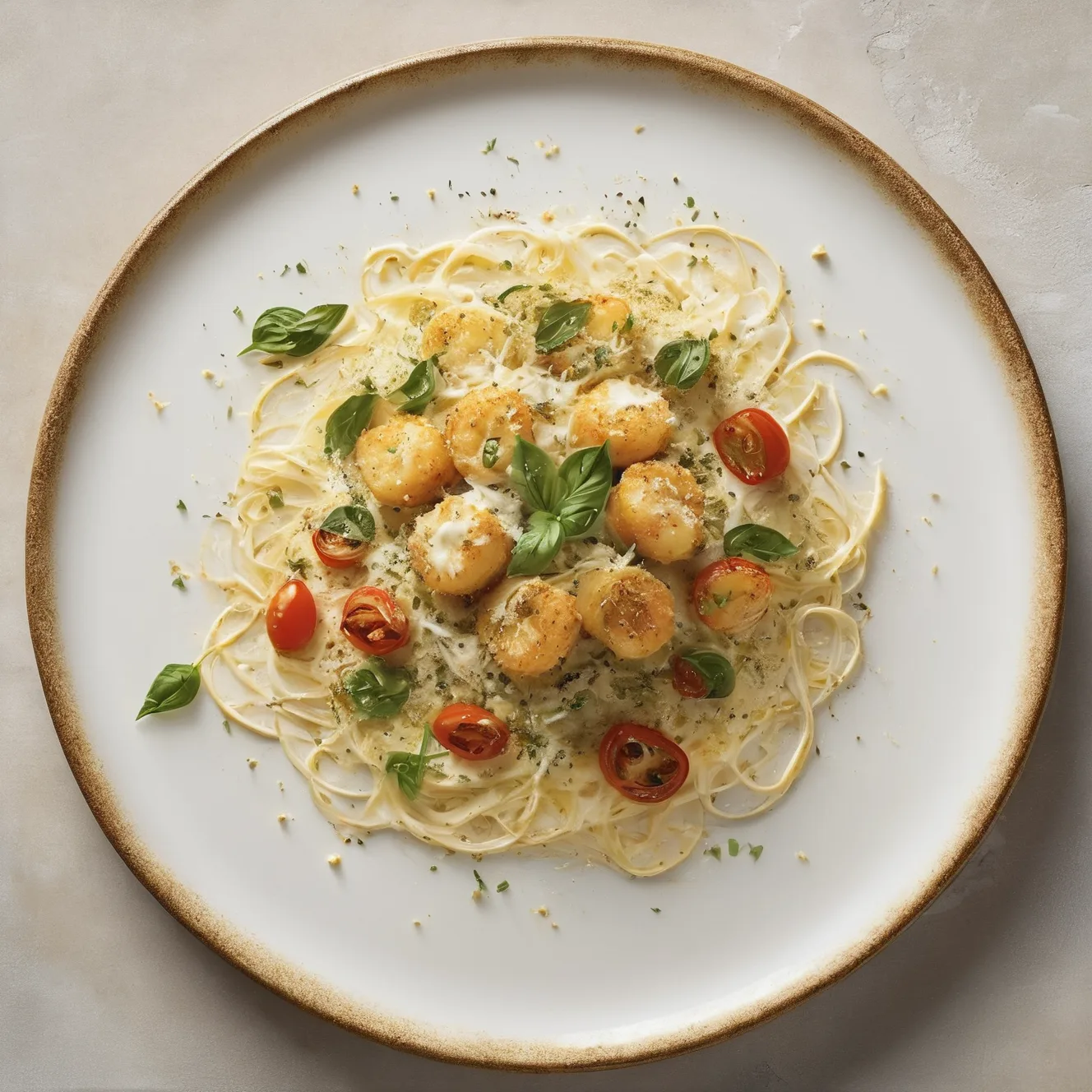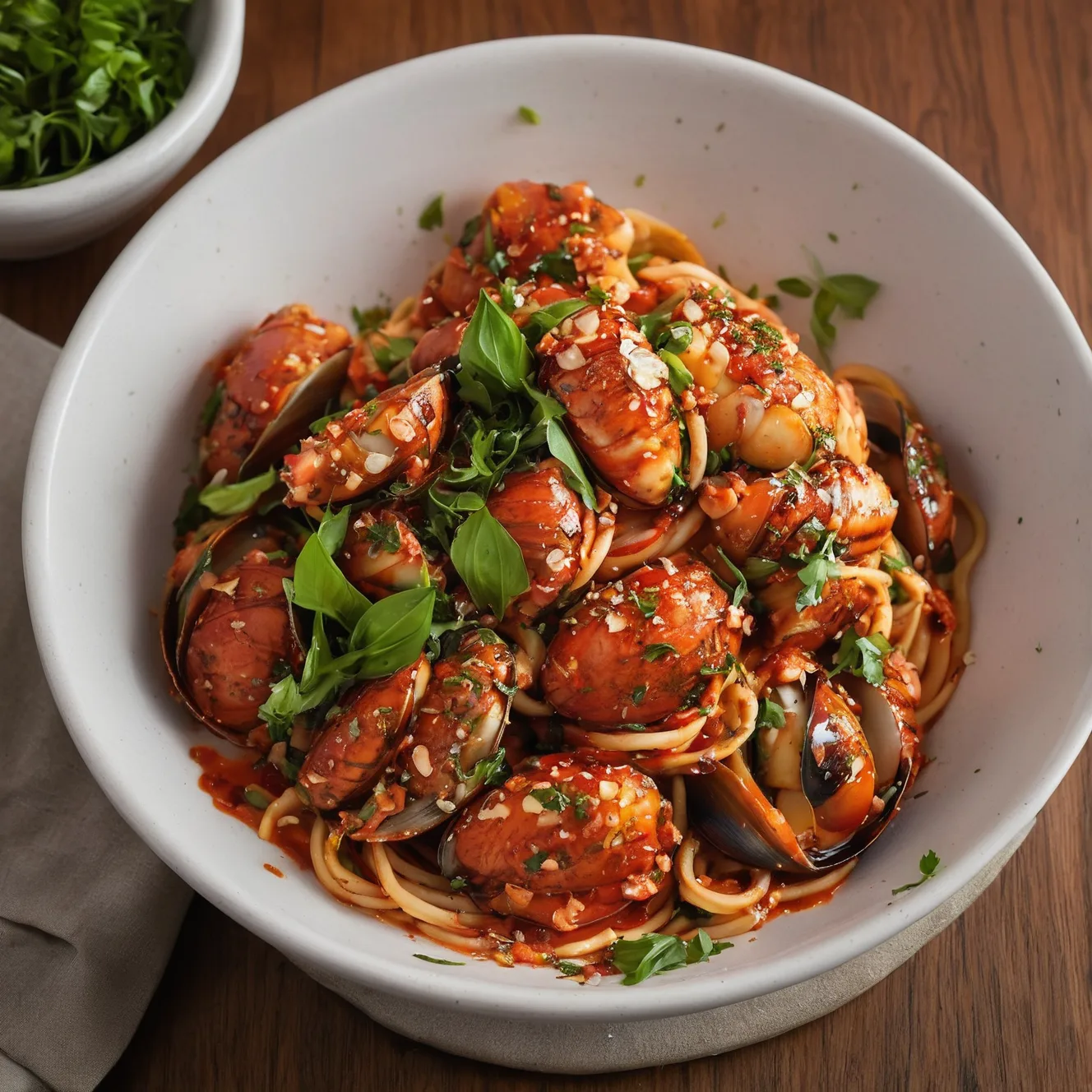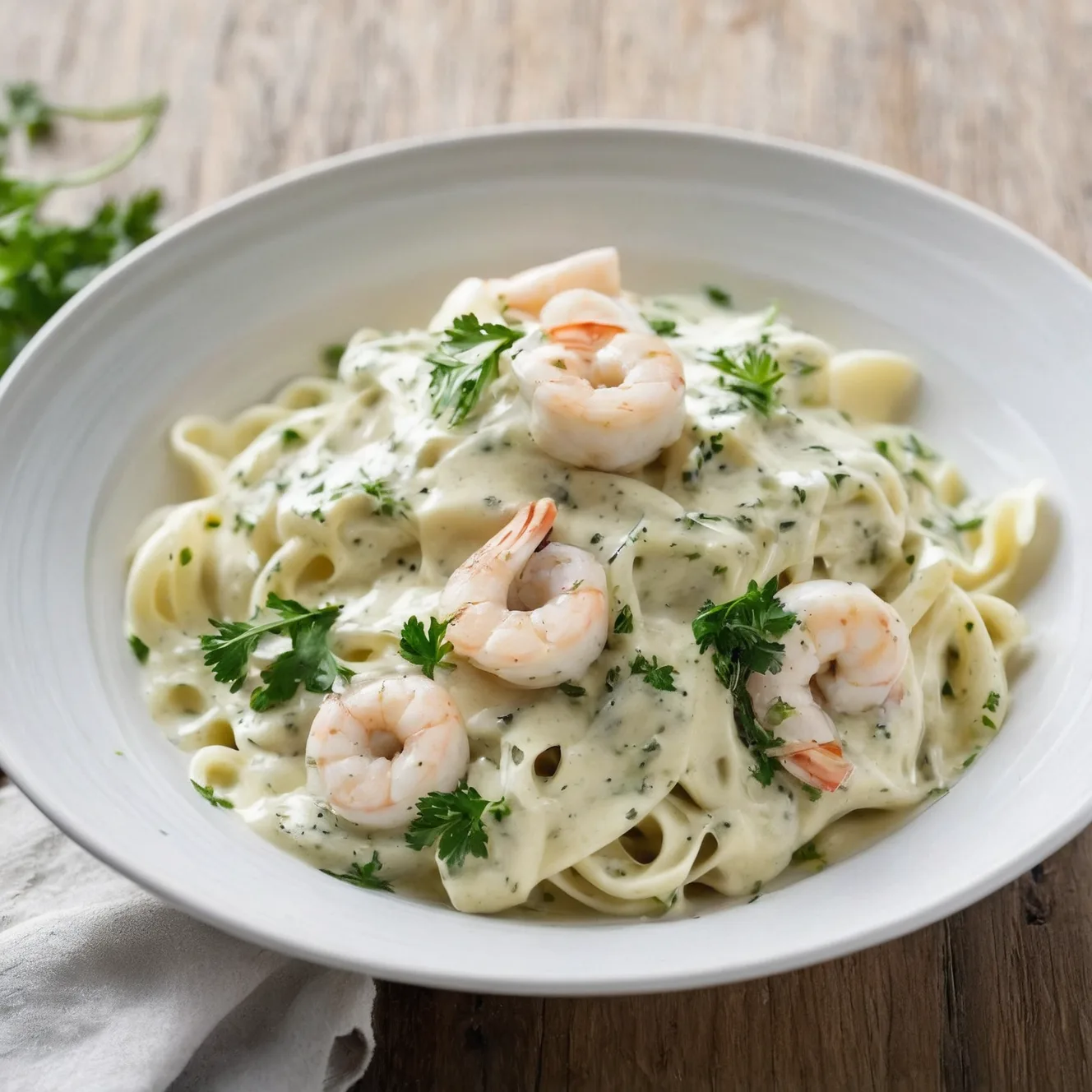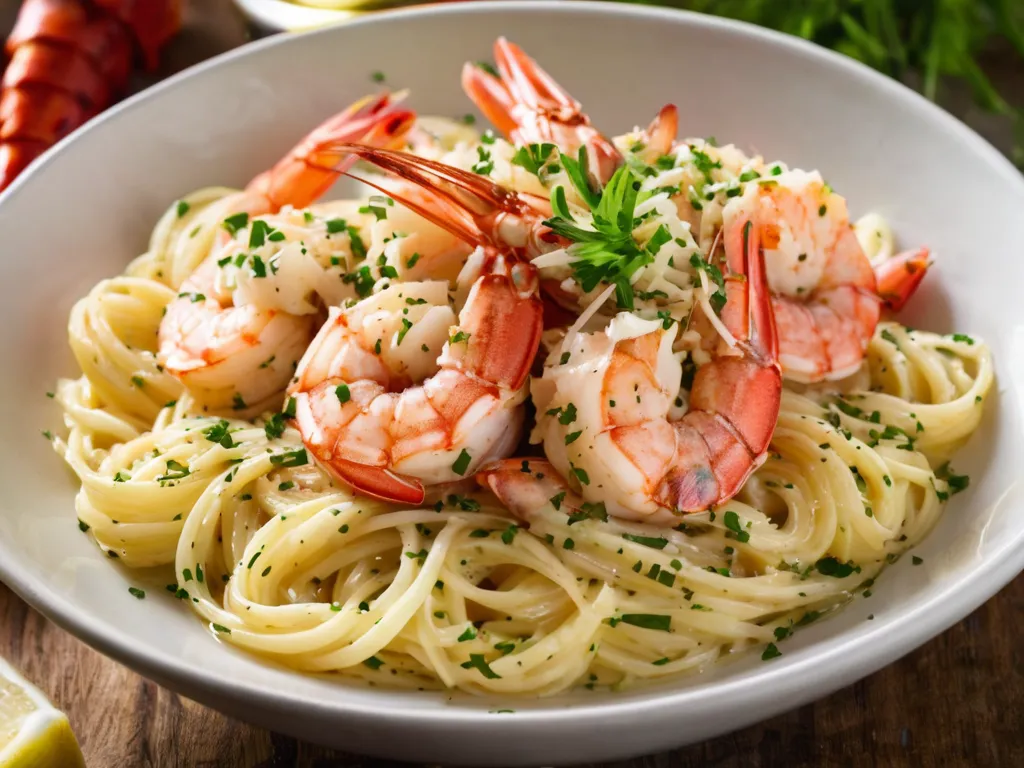
Copycat Red Lobster Shrimp Scampi
Prep time: 10 min Cook time: 12 min Servings: 4
Red Lobster’s shrimp scampi is one of those dishes that tastes like it took an hour to make but comes together in minutes. Plump shrimp swimming in a garlicky, buttery white wine sauce, tangled up with al dente linguine, and hit with a bright squeeze of lemon at the end. It is simple, it is satisfying, and it is one of the easiest restaurant dishes to replicate at home with perfect accuracy.
The technique is all about timing and restraint. Sear the shrimp fast and hot, build a quick pan sauce, toss with pasta, and get it on the plate. Scampi is not a dish that sits well — the pasta absorbs the sauce quickly, and the shrimp tighten up if they overcook. Working efficiently from start to finish is what separates a great scampi from an average one.
The ingredient list is short on purpose. Shrimp scampi is a showcase for good shrimp, real butter, fresh garlic, and decent wine. Every component pulls its weight, so use the best quality you can find. This is not the dish to make with pre-minced jarred garlic or cooking wine from a dusty bottle.
Why Make It at Home?
Red Lobster’s shrimp scampi entree costs $22 to $26 depending on your location. Making this at home costs about $9 to $10 for four full servings, and each serving is larger than what the restaurant plates. You are feeding four people for less than the price of a single restaurant entree. Even buying wild-caught shrimp at a premium, you stay well under $15 total. The rest of the ingredients — pasta, butter, garlic, wine, lemon — cost almost nothing per serving.
What Makes Red Lobster’s Shrimp Scampi So Good
Red Lobster nails the garlic-to-butter ratio. The sauce is not shy about either ingredient. Sliced garlic rather than minced gives the dish pockets of concentrated garlic flavor and a better visual presentation. The garlic slices toast slightly in the butter, developing a nuttier, sweeter flavor than raw garlic would contribute.
The white wine reduction is the foundation of the sauce. As the wine cooks down, its acidity concentrates and its sugars caramelize slightly, creating a savory-sweet base that balances the richness of the butter. The alcohol evaporates, leaving behind complex flavor. A dry Sauvignon Blanc or Pinot Grigio works perfectly here. Stay away from anything oaky or sweet.
Pasta water is the unsung hero. That starchy, salty water emulsifies with the butter and wine to create a sauce that clings to the linguine instead of pooling at the bottom of the plate. Without it, you end up with greasy butter sitting on top of dry noodles. A quarter cup is enough to bring the sauce together, but keep extra on hand in case you need to loosen it.
Tips & Variations
- Pat the shrimp completely dry. Wet shrimp steam instead of searing. Paper towels on both sides, pressing firmly, removes enough surface moisture for a proper caramelized exterior.
- Cook the garlic low and slow. Golden garlic is sweet and nutty. Burnt garlic is bitter and acrid. There is no recovery from burnt garlic — if it goes too dark, start over with fresh cloves.
- Use the biggest skillet you own. Crowding shrimp in a small pan drops the temperature and causes them to release liquid and steam. A 12-inch skillet gives each shrimp enough room to sear properly.
- Add cherry tomatoes. Halve a cup of cherry tomatoes and toss them in with the garlic for a fresher, brighter version that adds color and a touch of sweetness.
- Skip the pasta entirely. Serve the shrimp and sauce over crusty bread or alongside steamed rice for a lighter meal with the same flavor profile.
Storage & Reheating
Shrimp scampi is best eaten immediately, but leftovers will keep in the refrigerator for up to 2 days. The pasta will absorb much of the sauce overnight, so expect a drier texture when reheated.
Reheat in a skillet over medium-low heat with a splash of chicken broth or pasta water and a small pat of butter. Stir gently for 2 to 3 minutes until warmed through. The added liquid rehydrates the pasta and recreates the saucy consistency. Add a fresh squeeze of lemon and a sprinkle of parsley after reheating to restore brightness. Do not microwave — it toughens the shrimp and makes the pasta gummy.