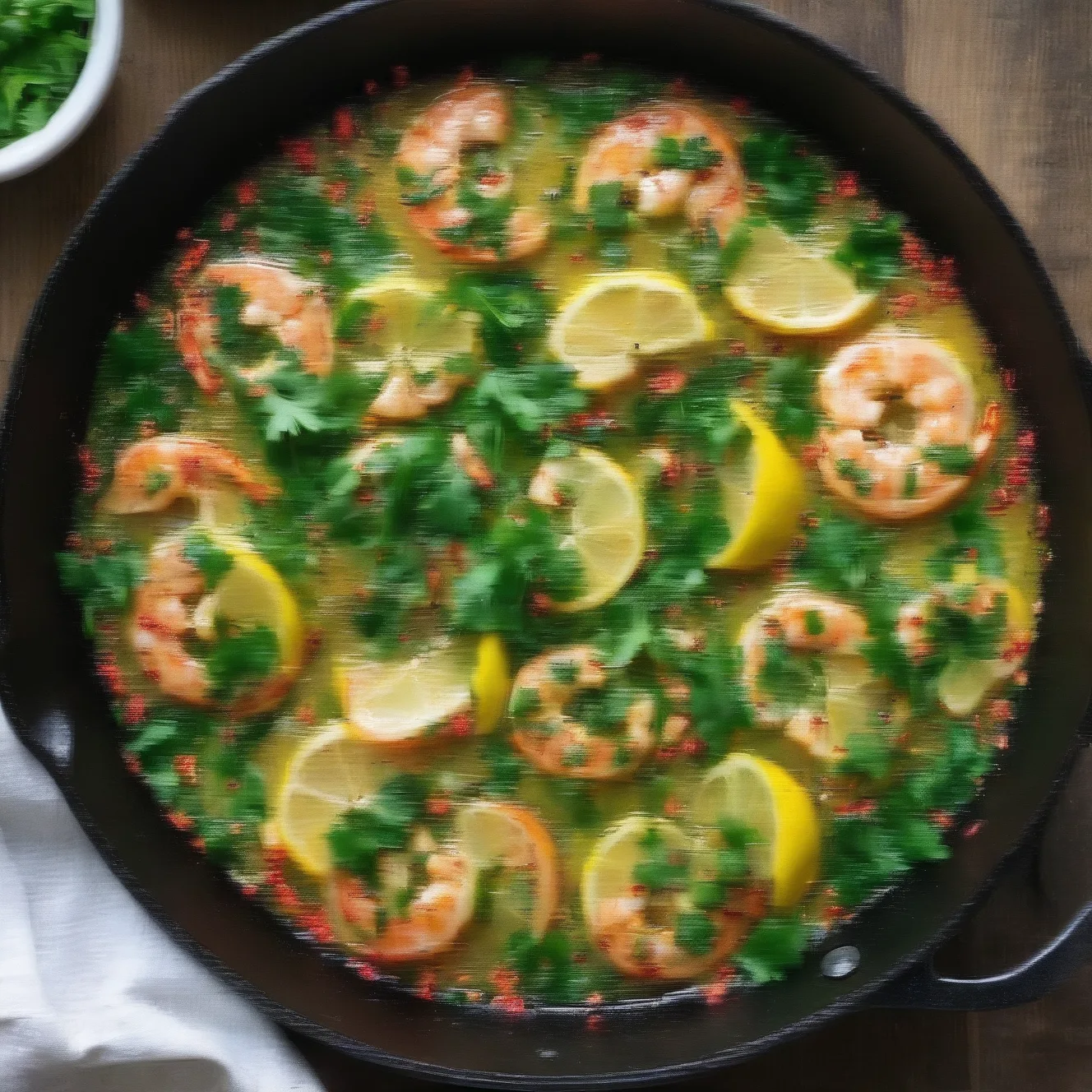
Garlic Butter Shrimp
Prep: 5 min | Cook: 8 min | Serves: 4 | Cost: ~$12–16 vs. $18–26 at a restaurant
Garlic butter shrimp has spent years in TikTok’s top-performing food content for a reason that any cook can understand the moment they watch it: the sizzle of shrimp hitting a hot buttery pan, the close-up of thin garlic slices turning golden at the edges, the glossy sauce bubbling up around the shrimp. It photographs and films like something complicated. It is not. From cutting board to plate: 10 minutes.
The reason this recipe breaks out of the noise isn’t novelty — garlic butter shrimp has been in Italian-American cooking for decades. It’s that TikTok creators found the specific camera angle and audio combination that communicates “achievable” and “impressive” at the same time. The result is a dish that home cooks feel confident making on a Tuesday night.
The two technique moves that make the real difference:
- Remove the shrimp before building the sauce. This prevents overcooking while the garlic toasts and the wine reduces.
- Slice the garlic instead of mincing it. Thin slices toast into crispy golden chips that stay on the shrimp rather than dissolving. The flavor is nuttier and more nuanced.
TL;DR:
- Pat shrimp completely dry — wet shrimp steam instead of sear
- 21/25 count (large) shrimp, 2–3 min per side, C-shape = done, remove immediately
- Sliced garlic (not minced) toasted 60–90 seconds in butter — watch closely, it burns fast
- Deglaze with white wine + lemon, reduce by half, mount with cold butter off heat
- 10 minutes total, ~$3–4 per serving at home vs. $18–26 for shrimp pasta at a restaurant
Choosing Your Shrimp
Size matters. The number on shrimp packaging tells you how many shrimp are in a pound. Bigger number = smaller shrimp.
- 21/25 count (sold as “large” or “jumbo” depending on the store — labeling varies widely): The right choice for garlic butter shrimp. Big enough to develop a proper sear on the outside while staying juicy inside. Holds up to the garlic butter sauce without getting lost in it.
- 16/20 count (extra large or super jumbo): Works, but the thicker shrimp may need a slightly longer cook time at reduced heat to cook through without burning the garlic. Cut them in half if using.
- 31/40 count (medium at most stores): Too small for this dish. They overcook in the time it takes to get a sear, and they get overwhelmed by the garlic butter rather than complementing it.
Fresh vs. frozen. Counterintuitively, frozen shrimp is usually the better choice at a grocery store. Most shrimp sold in the US was frozen at sea shortly after harvest. “Fresh” shrimp at most fish counters was previously frozen and thawed for display — you’re buying someone else’s defrost. Buy IQF (individually quick frozen) shrimp and thaw it yourself for better control over freshness and texture. Thaw overnight in the refrigerator in a colander set over a bowl, or under cold running water for 15–20 minutes. Dry thoroughly before cooking.
Peeled and deveined. Buy them this way. The “vein” is the shrimp’s digestive tract — it doesn’t affect flavor meaningfully at this size, but the texture difference when it’s removed is worth it, and deveined shrimp are available at virtually every grocery store. Tails on vs. off: tails on looks better for photographs and presentation; tails off is more practical for pasta and rice dishes where you want to eat everything without fishing around the plate.
Why Patting Dry Is Non-Negotiable
The Maillard browning reaction — the chemical process that creates the golden sear — begins above about 280°F. Water boils at 212°F. If there is moisture on the surface of your shrimp when it hits the pan, all of the pan’s heat goes toward evaporating that water first. The surface stays at 212°F until the moisture is gone, by which point the pan has cooled and the shrimp has cooked through without developing any browning. The result: gray, steam-cooked shrimp with no crust, sitting in diluted butter rather than a proper sauce.
Pat every surface of every shrimp with paper towels before cooking. This is the single most important prep step in the recipe.
The Garlic Question: Sliced vs. Minced
Thin garlic slices and minced garlic behave completely differently in hot butter.
Sliced garlic releases its flavor gradually as the pieces toast. The result: golden, nutty, fragrant chips that stay intact and adhere to the shrimp in the sauce. The flavor is mellow and aromatic rather than sharp. This is the look in the viral TikTok videos — you can see the garlic pieces, golden and slightly curled, coating each shrimp.
Minced garlic releases its sulfur compounds immediately and intensely. It browns and burns in seconds at high heat. In a garlic butter sauce, minced garlic often creates an aggressive, sometimes bitter garlic punch rather than the nuanced background note you’re going for. It also disappears into the sauce invisibly.
Use sliced garlic. Slice each clove about 1/8 inch thick — thin enough to cook through and crisp up, thick enough to stay intact. Cut across the clove, not lengthwise.
At What Temperature Does Garlic Burn?
Garlic starts browning through the Maillard reaction at around 280–325°F — and once it crosses into burning, it turns acrid and bitter almost immediately. A shrimp searing pan runs 400°F or higher. Add garlic at searing temperature and it scorches in seconds.
After removing the shrimp:
- Reduce heat to medium
- Add 1 tablespoon butter (the cold butter will briefly drop the pan temperature)
- Wait for the butter to melt and stop foaming — this signals the pan is at a stable, manageable temperature
- Add the garlic slices
- Stir or swirl constantly for 60–90 seconds
If your garlic is browning in under 30 seconds, pull the pan off the burner for 10 seconds and continue. You want golden and fragrant, not brown and smoking.
Building the Pan Sauce
After the garlic is golden, the sauce comes together in three steps:
Deglaze. White wine goes in first. It hits the hot pan and immediately boils, releasing the steam that picks up the fond (the browned bits stuck to the bottom of the pan) and incorporating it into the sauce. Use a wooden spoon to scrape those bits up — they’re concentrated garlic-shrimp flavor. Add the lemon juice and red pepper flakes at the same time.
Reduce. Simmer over medium heat for 60–90 seconds until the wine is reduced by about half and the sauce smells bright and slightly thick. The alcohol cooks off, leaving the fruity acidity and body.
Mount with butter. Pull the pan completely off the heat. Add the remaining 2 tablespoons cold butter and swirl or stir until fully melted. The cold butter emulsifies with the reduced wine and lemon to create a glossy, coating sauce — the same French technique (monter au beurre, or butter mounting) used in professional kitchens to finish pan sauces. If you add butter over active heat, it breaks and you get grease floating on liquid rather than a cohesive sauce.
Serving Options
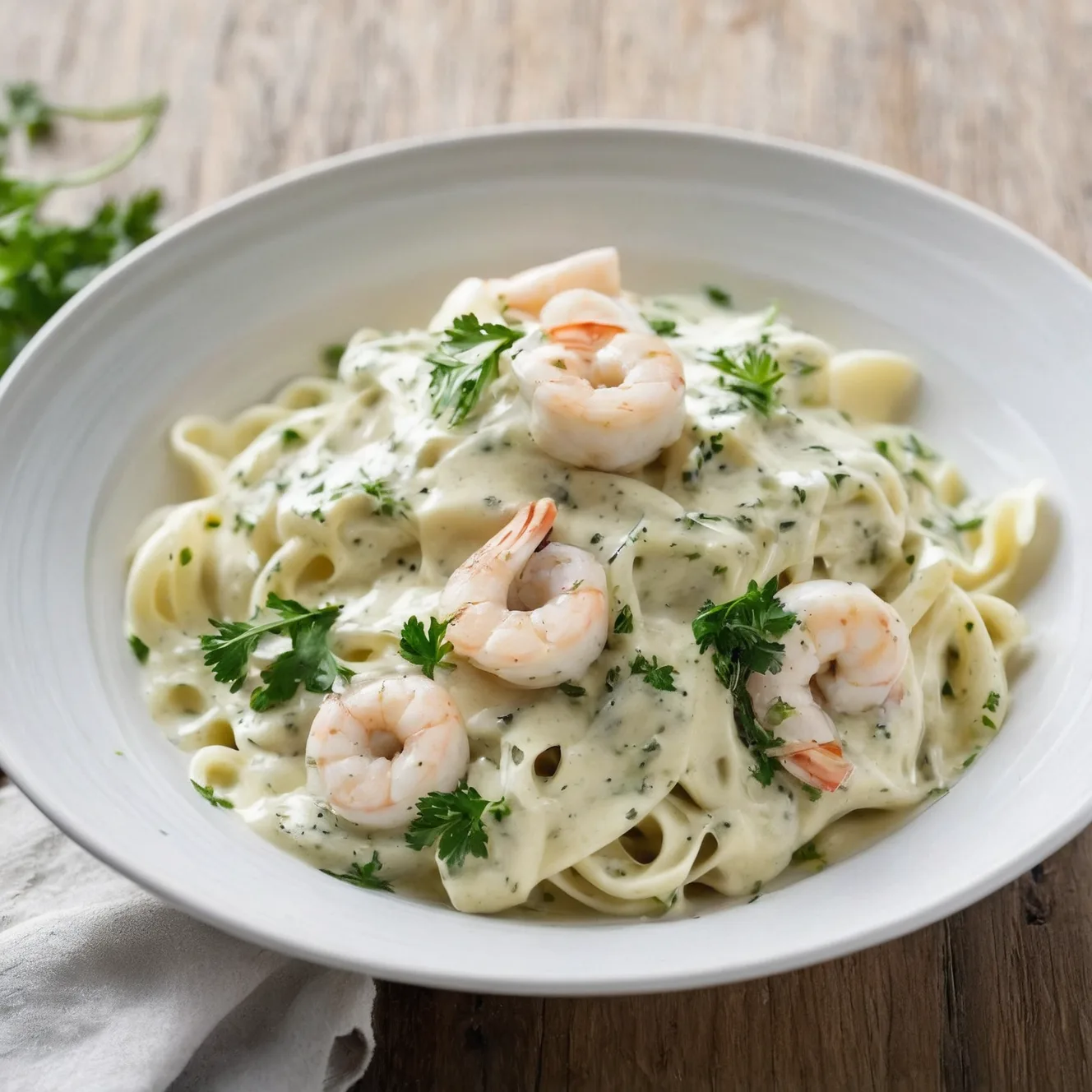
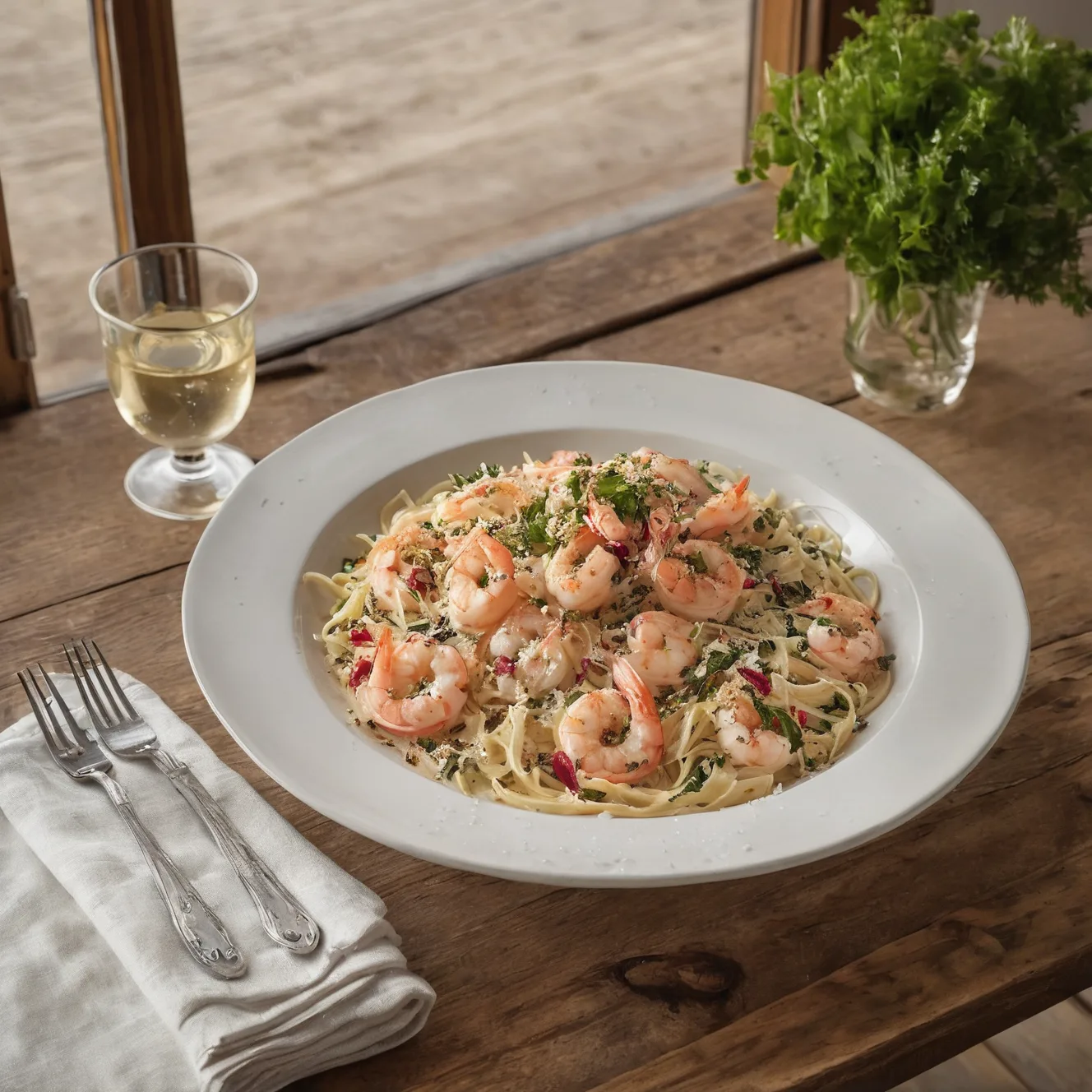
Over linguine or spaghetti: Before draining your pasta, scoop out 1/4 cup of pasta water. Toss the hot drained pasta directly in the pan with the shrimp and sauce, adding pasta water tablespoon by tablespoon until the sauce coats every strand. The starch in pasta water is an emulsifier that helps the butter and wine stay bound.
Over white rice: Medium-grain white rice works best — it absorbs the garlic butter pooling at the bottom of the bowl. The shrimp-to-rice ratio works well at a 1/4 cup dry rice per person.
With crusty bread: The simplest option and arguably the most satisfying. Tear a baguette or sourdough, toast it briefly, and soak up the sauce directly. This is the serving style that performs best in TikTok videos — the bread makes the sauce visible in a way a pasta twirl doesn’t.
As an appetizer: Serve in a shallow bowl with a baguette on the side. The same recipe serves 6–8 as a shared starter instead of 4 as a main.
Variations
Lemon-herb. Replace the red pepper flakes with 1 tablespoon fresh thyme leaves and 2 teaspoons capers. Add a teaspoon of lemon zest with the lemon juice. Lighter, more Mediterranean.
Cajun garlic shrimp. Season shrimp with 1 teaspoon Cajun seasoning before searing. Use chicken broth instead of white wine. Finish with 1/4 teaspoon smoked paprika and a squeeze of hot sauce.
Asian-style garlic shrimp. Replace butter and white wine with 2 tablespoons neutral oil, 2 tablespoons oyster sauce, 1 tablespoon soy sauce, and 1 teaspoon sesame oil. The garlic technique stays the same. Finish with thinly sliced scallions and sesame seeds. Serve over steamed rice.
Garlic shrimp and grits. Prepare the base recipe, then serve the shrimp and sauce over a bowl of creamy stone-ground grits. Add 1/2 cup diced andouille sausage to the pan after searing the shrimp for a more substantial meal.
No-wine version. Replace white wine with low-sodium chicken broth plus an extra tablespoon of lemon juice for acidity. The flavor is slightly cleaner and less complex, but still excellent.
Cost Breakdown
A garlic shrimp pasta at a mid-range Italian restaurant runs $18–26. The same dish at home:
| Ingredient | Approximate cost |
|---|---|
| 1 lb large shrimp (21/25) | $8–12 |
| 4 tbsp butter | ~$0.50 |
| White wine (1/4 cup) | ~$0.75 |
| Garlic, lemon, herbs | ~$1.00 |
| Pasta (12 oz) | ~$1.50 |
| Total for 4 servings | ~$12–16 |
| Per serving | ~$3–4 |
Storage and Reheating
Garlic butter shrimp is best eaten immediately. Shrimp continues to cook from carryover heat and becomes progressively more rubbery as it sits. If you have leftovers:
- Refrigerate in an airtight container for up to 2 days.
- Reheat over medium-low heat in a pan with a splash of water or broth, stirring gently, for about 2 minutes. Do not microwave on high — it will rubberize the shrimp instantly. Microwave at 50% power for 60-second intervals if you must.
- Do not freeze cooked shrimp — the texture degrades completely on thawing.
If you want to prep ahead, sear the shrimp 80% through (still slightly translucent in the center), refrigerate, and finish in the sauce when reheating. The carryover heat during reheating will complete the cook.
More Garlic Butter and Shrimp Recipes
If you liked this version, these are worth exploring next:
- Copycat Red Lobster Garlic Shrimp — the restaurant version, made without wine and finished with Parmesan
- Copycat Red Lobster Shrimp Scampi — classic scampi with linguine, closer to the Italian original
- Viral TikTok Coconut Shrimp — the crispy, sweet, golden-fried version that also dominated food TikTok
- Viral TikTok Garlic Confit — slow-cooked garlic in olive oil that becomes the world’s most versatile condiment, including for shrimp dishes