
Starbucks Chai Tea Latte
Prep: 5 min | Make concentrate: 15 min | Serves: 4 | Cost: ~$1.50 per cup vs. $5.50+ at Starbucks
A Starbucks Chai Tea Latte is, at its core, a very specific thing: a branded chai concentrate (closely based on Tazo Classic Chai) mixed with steamed milk. That’s it. No whole spices simmered to order. No fresh ginger pressed to order. Just concentrate, steamed milk, and a cinnamon dust.
That’s not a criticism — the result is consistent, approachable, and genuinely good. But knowing how it’s made tells you two things: (1) you can copy it almost exactly by buying Tazo Classic Chai Tea Latte Concentrate and steaming milk at home, and (2) you can build something better from scratch by using whole spices, because the homemade concentrate will be fresher and more complex than anything that ships in a carton.
This guide covers both.
- Starbucks uses a proprietary chai concentrate (Tazo-based formula) + steamed milk; buy Tazo Classic Chai Tea Latte Concentrate at the grocery store to copy it exactly
- From scratch: simmer cardamom, cloves, cinnamon, and ginger in black tea for 10 minutes, steep the tea, sweeten, then mix 1:1 with steamed milk
- Grande at Starbucks (2026 formula, with classic syrup) = ~190 cal / 31g sugar / ~95mg caffeine; no classic syrup = ~110 cal / 11g sugar
- Dirty chai = same drink + 1 espresso shot (~170mg total caffeine)
- Oat milk is the best non-dairy substitution for chai
The Starbucks Method: What Actually Happens
When you order a chai latte at Starbucks, the barista fills the cup to a marked line with chai concentrate from a carton (the Starbucks proprietary version, based on the same formula as Tazo Classic). They then steam your milk of choice and pour it on top.
The pump counts (Tall = 3 pumps, Grande = 4 pumps, Venti hot = 5 pumps, Venti iced = 6 pumps) refer to pumps from a concentrate dispenser — each pump is about 0.75 oz. For a Grande, that’s roughly 3 oz of concentrate to about 10 oz of steamed milk.
If you want to exactly replicate this at home: buy Tazo Classic Chai Tea Latte Concentrate (the large carton, found in grocery stores near the coffee and tea aisle). Use 3–4 oz per 10 oz of steamed 2% milk. That’s the Starbucks taste, straight.
The From-Scratch Method: What Makes It Better
The recipe above uses whole spices simmered for 10 minutes plus a separate tea steep. This produces a concentrate with:
- Brighter cardamom — whole pods release their aromatic oils slowly; ground cardamom is sharper but flatter
- Fresher ginger — fresh ginger has a clean, slightly floral heat that dried ginger can’t replicate
- Fully adjustable sweetness — you decide how much; the grocery Tazo carton is pre-sweetened at a fixed level (the Starbucks in-store 2026 formula uses a lightly sweetened concentrate + separate classic syrup, making in-store sweetness adjustable too)
- No artificial preservatives — the commercial concentrate has a shelf life measured in months; your homemade version lasts one week refrigerated
The tradeoff: it takes 15 minutes and some prep. For daily use, make a large batch and refrigerate it — it keeps for a week, so one 15-minute cooking session covers seven mornings.
The critical technique: simmer the whole spices first (10 minutes, before adding the tea), then add the tea bags and steep off heat (5 minutes exactly). Boiling the tea bags produces bitterness; steeping off heat produces clean tea flavor. The spices need the longer simmer; the tea does not.
Steaming Milk Without an Espresso Machine
The Starbucks version uses a commercial steam wand to stretch and heat milk to about 150–160°F with a velvety microfoam. You can get close without equipment:
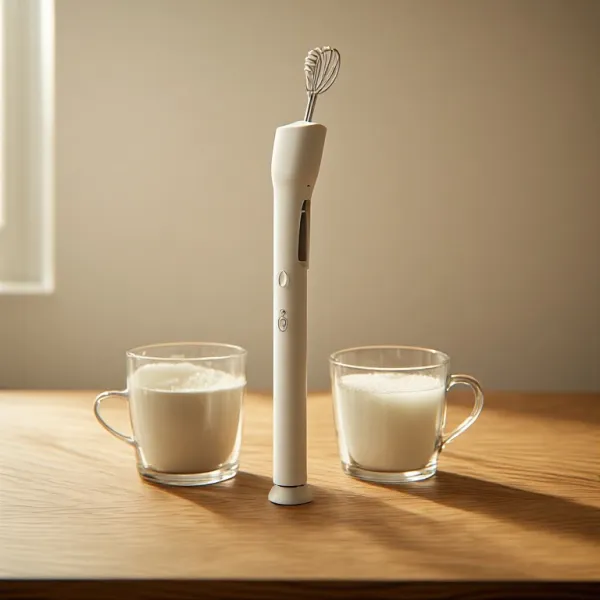
Handheld electric frother (~$10): Heat the milk on the stovetop to about 150°F (hot, but not scalded — your finger should be comfortable for about 2 seconds). Submerge the frother just below the surface and run it for 20–30 seconds, tilting the cup to roll the milk and incorporate air. Best option if you want proper foam.
Mason jar method: Heat the milk first (stovetop or microwave, ~150°F). Pour into a mason jar, fill only halfway, seal tightly, and shake vigorously for 30–45 seconds. The foam is larger-bubbled than frother foam but still gives the drink a creamy top.
Microwave method (fastest): Put cold milk in a mason jar, seal it, shake for 30 seconds, then microwave for 30–45 seconds (do not seal while microwaving). The microwave sets the foam. This is the fastest but the foam is coarser.
All three work. The frother gives the best texture; the mason jar method requires no extra equipment.
Pump Count and Sweetness Customization
The concentrate-to-milk ratio is where most customization happens:
| Pump Count | Sweetness Profile | Recommended For |
|---|---|---|
| 2 pumps (Grande) | Lightly spiced, barely sweet | Cutting sugar, “not-too-sweet” preference |
| 3 pumps (Tall standard / Grande light) | Balanced, moderate sweetness | First-time chai drinkers |
| 4 pumps (Grande standard) | Sweet and spiced, the classic Starbucks level | Most regular chai latte orders |
| 5–6 pumps (Grande extra) | Very sweet, concentrate-forward | Strong chai flavor seekers |
When making the scratch version at home, adjust sugar in the concentrate to taste: start with 1 tablespoon for a less-sweet concentrate, or go up to 3 tablespoons to match the standard Starbucks sweetness.
The Dirty Chai
A dirty chai latte adds one or two shots of espresso to the standard chai latte. The result: more caffeine (about 170mg with one shot, ~245mg with two), a coffee bitterness that cuts the concentrate’s sweetness, and a darker, richer flavor with the spiced chai backdrop.
To make one at home:
- Prepare the chai concentrate and steam the milk
- Pull a single espresso shot (or use 1–2 tablespoons of strong moka pot coffee)
- Add the espresso to the bottom of the mug, then pour the chai concentrate, then the steamed milk
The espresso sinks and creates layers — stir before drinking, or leave it layered for visual effect. Double-shot dirty chai is common among people who want the flavor of chai with a caffeine kick equivalent to a regular coffee drink.
Popular Customizations at Starbucks
These are all orderable at the counter or via the Starbucks app — baristas know them on sight.
Half-sweet chai: Ask for 2 pumps of classic syrup instead of the standard 4 in a Grande. Spice intensity stays the same (the concentrate is unchanged); only the added sweetness drops. In the 2026 formula this cuts sugar from ~31g to ~21g — each pump of classic syrup is about 5g of sugar and 20 calories.
Brown Sugar Oat Milk Chai: Ask for oat milk and add 1 pump of brown sugar syrup. The brown sugar adds a soft caramel note that rounds out the cinnamon and cardamom edges. Order it as “Chai Tea Latte, oat milk, one pump brown sugar syrup.” Widely popular on TikTok; it’s the chai equivalent of the Brown Sugar Oat Milk Shaken Espresso build.
Cinnamon Oat Milk Chai: Oat milk instead of 2%, with a heavy cinnamon dusting on top (ask for “extra cinnamon powder”). Simpler than the brown sugar version but just as popular.
Upside-down chai: The barista pours milk first, then concentrate on top. Visually distinct — the chai sinks slowly into the milk — and gives the first sip a more concentrate-forward, spiced punch before you stir. Purely aesthetic once mixed.
Iced dirty chai: Iced Chai Tea Latte with one shot of espresso added. Order as “Iced Chai Tea Latte, one shot of espresso.” Caffeine: roughly 150–170mg (95mg from chai + 75mg from the shot). Two shots brings it to about 245mg — close to a double-shot latte.
Extra chai pumps: Adding a fifth or sixth pump of concentrate to a Grande intensifies the spice. In the 2026 formula the concentrate carries only a hint of honey, so extra concentrate adds mostly spice, not sugar — if you also want it sweeter, add classic syrup pumps (about 5g sugar and 20 calories each). Common among people who find the standard build too mild.
To replicate any of these at home: for the brown sugar version, stir 1 teaspoon of light brown sugar into the chai concentrate before combining with milk. For the dirty version, pull an espresso shot and add it before the steamed milk. For the upside-down effect, pour your milk into the mug first, then gently pour the concentrate in a slow stream so it settles.
Iced Chai Tea Latte
Same concentrate, no heat required:
- Fill a glass with ice
- Pour 4–6 oz cold chai concentrate over the ice
- Pour cold milk (no steaming) over the top — about 6–8 oz for a 16-oz glass
- Stir and garnish with a pinch of ground cinnamon
The iced version dilutes slightly as the ice melts, so use slightly more concentrate (or a smaller amount of ice). Oat milk is particularly good iced — the cold version doesn’t foam but the oat flavor integrates cleanly with the spices.
Brown sugar iced chai: Add 1–2 pumps of brown sugar syrup (or 1 tablespoon of light brown sugar stirred into warm concentrate before chilling). This is a popular Starbucks customization — the brown sugar adds a caramel-adjacent sweetness that rounds out the spice.
Milk Options and How They Change the Drink
| Milk | Texture | Flavor Impact | Foam Quality |
|---|---|---|---|
| Whole milk | Richest, creamiest | Neutral, adds body | Excellent |
| 2% milk (Starbucks default) | Slightly lighter | Neutral | Very good |
| Oat milk (Barista) | Creamy, light body | Slightly sweet, oat flavor pairs well with spices | Good |
| Almond milk | Thin | Mild nuttiness, can taste watery with chai | Fair |
| Coconut milk | Medium body | Sweet, tropical — can clash with ginger | Good |
| Soy milk | Medium-full body | Slight beany note that disappears in strong chai | Good |
Oat milk is the most popular non-dairy substitution at Starbucks for chai specifically because its natural sweetness and mild flavor don’t compete with the spice blend.
Starbucks vs. Homemade: Nutrition Comparison
Starbucks reformulated the chai latte in 2026: the concentrate now uses honey as the base sweetener, with additional sweetness from separately-added classic syrup. This makes the in-store version significantly lighter than the pre-2026 formula.
| Starbucks Grande (2026 formula, classic syrup) | Starbucks Grande (no classic syrup) | Homemade (whole milk, this recipe) | Homemade (oat milk) | |
|---|---|---|---|---|
| Calories | ~190 | ~110 | ~210 | ~180 |
| Carbs | ~33g | ~13g | ~30g | ~28g |
| Sugar | ~31g | ~11g | ~25g | ~20g |
| Fat | ~4.5g | ~4.5g | ~7g | ~5g |
| Protein | ~8g | ~8g | ~8g | ~4g |
| Caffeine | ~95mg | ~95mg | ~60–90mg* | ~60–90mg* |
*Depends on how long you steep the black tea; more time = more caffeine.
The pre-2026 Starbucks formula (what most copycat recipes are approximating) ran about 240 cal / 42g sugar. If you’re using grocery-store Tazo Classic Chai Concentrate, expect results closer to that older figure — the Tazo retail carton is still pre-sweetened and hasn’t changed. The 2026 in-store reformulation only applies to Starbucks cafes.
Storing the Concentrate
Make a large batch and refrigerate it. The from-scratch concentrate keeps for up to 1 week in an airtight container. For longer storage, freeze the concentrate in ice cube trays, then transfer to a freezer bag — it keeps for up to 3 months frozen. Thaw cubes in the fridge overnight or microwave for 30 seconds. When you want a chai latte, just heat the concentrate and milk separately and combine.
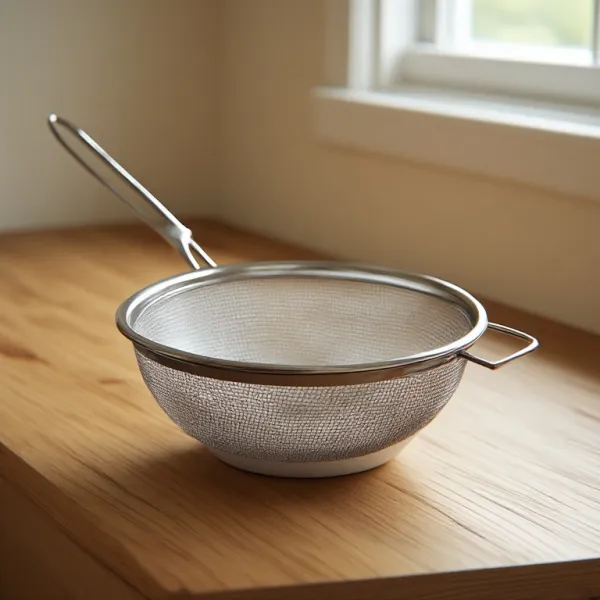
Cold brew chai (no heat required): Combine 2 cups cold water with the whole spices (no simmering) and 4 black tea bags in a jar. Seal and refrigerate for 8–12 hours. Strain. This produces a slightly different, smoother concentrate — the cold extraction is less astringent than the hot method, and the spice flavor is subtler. Good for iced chai.
For a lower-caffeine Starbucks tea latte, the London Fog Tea Latte is the same format (tea + steamed milk) but built on Earl Grey with vanilla syrup instead of spiced concentrate — 40mg caffeine vs. the chai’s 95mg. For another warming Starbucks tea drink with a spice element, see the Starbucks Medicine Ball (Honey Citrus Mint Tea) — lemon tea, peach juice, mint, and honey in one cup. For the cold side of the Starbucks tea lineup, the Starbucks Iced Peach Green Tea Lemonade uses the same build-your-own-concentrate approach with green tea. Or for Starbucks espresso drinks, see the Starbucks Caramel Macchiato copycat and the Brown Sugar Oat Milk Shaken Espresso.
See all Starbucks copycat recipes →