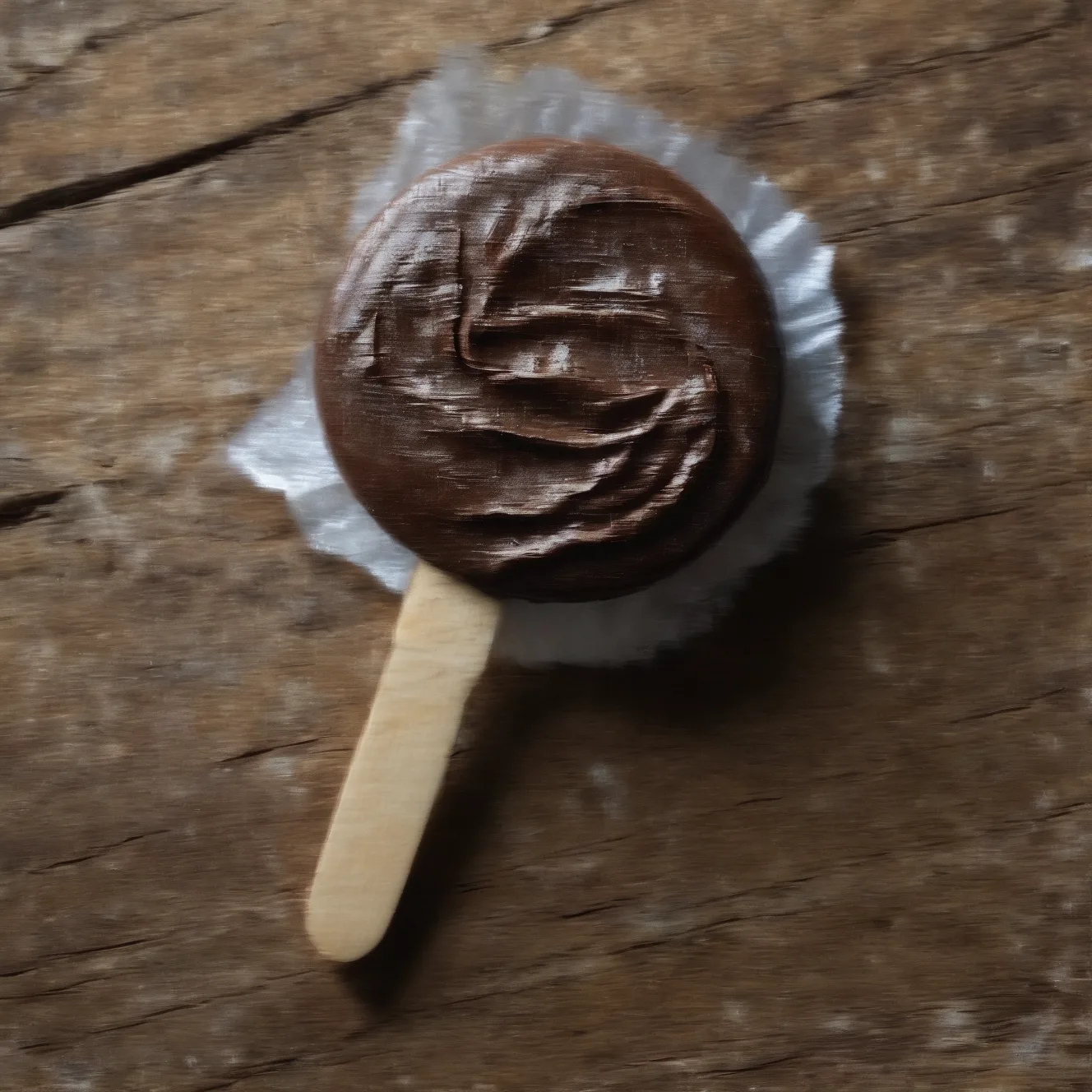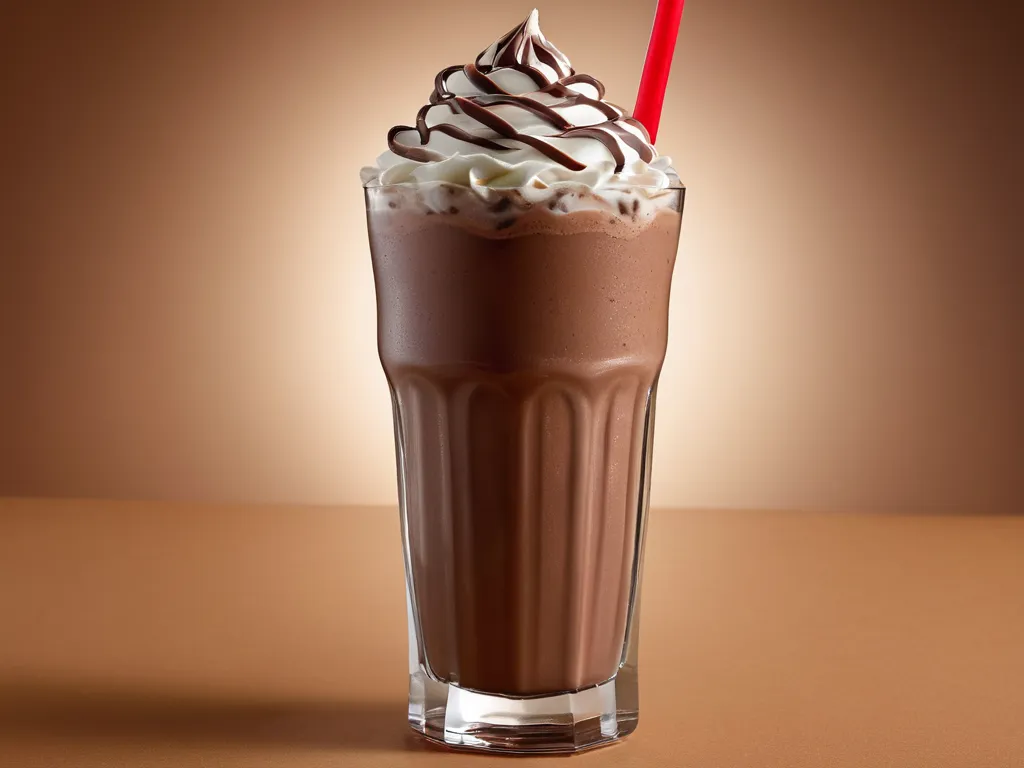
Copycat Wendy’s Chocolate Frosty
Prep time: 5 minutes | Serves: 2 (blender method) or 6-8 (make-ahead) Cost at home: Under $1.50 per serving
The Wendy’s Chocolate Frosty is one of the most recognized items in American fast food — a thick, cold, chocolate-adjacent dessert that has been on the menu since the day Wendy’s opened in 1969. It is not a milkshake. It is not soft-serve ice cream. It occupies a specific, intentional texture zone between the two, and that texture is part of what makes it worth replicating at home.
The two things most copycat recipes miss: (1) It is chocolate-vanilla, not pure chocolate; (2) it uses Dutch-process cocoa, not regular cocoa powder. Both matter.
Why the Frosty Is Chocolate-Vanilla
Dave Thomas, Wendy’s founder, asked Fred Kappus of the Kappus Company to help design a frozen dessert for the original Wendy’s menu in 1969. The story Wendy’s tells is this: Thomas saw how Kappus’s company used vanilla widely in ice cream mixing because vanilla smooths chocolate, altering the flavor into a more malt-like taste. Thomas also specifically wanted a dessert that would not overpower his burger and fries — he was building a dining system where the components worked together, and a sharply chocolate shake would fight the savory elements.
The result: a chocolate-vanilla hybrid where the vanilla quiets the chocolate into a rounder, softer, almost nostalgic taste that reads as “chocolate” but with none of the sharpness or bitterness you get from a purely chocolate frozen dessert.
Wendy’s official ingredient list confirms: Natural Vanilla Flavor is present alongside the cocoa. That vanilla is not a footnote — it is structurally part of what the Frosty tastes like.
The Official Ingredient List and What Each Does
Wendy’s discloses the Chocolate Frosty ingredients as: Milk, Sugar, Corn Syrup, Cream, Whey, Nonfat Dry Milk, Cocoa (Processed With Alkali), Guar Gum, Mono And Diglycerides, Cellulose Gum, Natural Vanilla Flavor, Carrageenan, Calcium Sulfate, Sodium Citrate, Dextrose, Vitamin A Palmitate.
A few of these are doing significant work:
Cocoa (Processed With Alkali) — Dutch-process cocoa. The alkali treatment neutralizes cocoa’s natural acidity. Dutch-process cocoa has a darker color, smoother chocolate flavor, and less bitterness than natural cocoa. If your copycat recipe calls for “unsweetened cocoa powder” without specifying, it is probably using natural cocoa — the result will taste sharper and slightly more acidic than a Wendy’s Frosty. Use Hershey’s Special Dark (a Dutch-process blend, widely available in the baking aisle, brown label) instead of regular Hershey’s (the round tin with the orange label, which is natural process).
Corn Syrup. Corn syrup serves two roles: it lowers the freezing point of the mixture (preventing the Frosty from freezing rock-solid) and it adds viscosity (contributing to that thick, slow-pour texture). Most home recipes omit corn syrup and compensate with extra cream or ice cream. For Method 2 (make-ahead), adding 1 tablespoon of corn syrup to the base noticeably improves the final texture.
Guar Gum, Cellulose Gum, Carrageenan. This trio of stabilizers is what gives the Frosty its specific consistency — thicker than a milkshake, smoother than a hand-scooped ice cream. They bind water molecules, slowing ice crystal formation and maintaining the smooth texture through repeated freeze-thaw cycles. You cannot replicate these at home exactly, but Method 1 (blender from chocolate ice cream) comes close because commercial ice cream already uses stabilizers.
No eggs. A Frosty is not a custard. No yolk, no cook step. The richness comes from the dairy fat, not from egg proteins. This makes it simpler to replicate at home than a French-style ice cream.
The Texture Question: Why It Is Not a Milkshake
A standard milkshake is made by blending hard ice cream with milk until drinkable. The result has a relatively thin consistency with air incorporated by the vigorous blending.
A Frosty is made in a soft-serve machine, which freezes a liquid base while churning it at a controlled rate. The machine adds air gradually — less air than a shake, more uniformly distributed. The result is denser than a shake and colder-feeling because the ice crystals are smaller and more even.
At home, the single biggest mistake is over-blending. If you blend chocolate ice cream with milk for 30 seconds, you get a milkshake. If you blend for 10-15 seconds, stopping while it is still almost too thick to pour, you get something much closer to a Frosty. Blend time is the critical variable.
Method 1: Blender (Most Authentic; 5 Minutes)
This is the fastest method and produces the most Frosty-like texture because you start from commercial ice cream, which already has the right fat, sugar, and stabilizer profile. The Dutch-process cocoa and vanilla are the upgrades that move it from “chocolate milkshake” to “Frosty.”
Soften the ice cream first. Leave 2 cups of chocolate ice cream at room temperature for 5-8 minutes, or microwave in 15-second intervals. You want it just soft enough that you can press a spoon through the edge — the center should still be very cold. Do not melt it.
Blend minimally. Add the softened ice cream, 1/3 cup whole milk, 1.5 tablespoons Dutch-process cocoa, 1/2 teaspoon vanilla, and a pinch of salt to a blender. Blend on medium for 10-15 seconds. Stop immediately. The mixture should be extremely thick — barely pourable, like a very dense soft-serve.
Serve immediately. The blender method does not hold. Pour into glasses and eat within 5 minutes; after that, it melts at the edges while staying frozen in the center.
Thickness adjustment: If it’s too thick to come out of the blender, add 1 tablespoon of milk and blend 3 more seconds. If it comes out too thin (you over-blended), freeze for 20 minutes before serving.
Method 2: Make-Ahead Freeze (For a Crowd)
The make-ahead method stores for up to 2 weeks in the freezer and serves 6-8 people from one batch. The condensed milk prevents the characteristic rock-solid freeze you get from putting something with high water content in a home freezer. The corn syrup addition (not in the original stub) improves the texture significantly.
The most important step is the cocoa dissolution: sift the Dutch-process cocoa into the condensed milk and whisk for a full 2 minutes before adding anything else. Incompletely dissolved cocoa produces grainy spots in the final texture. The mixture should look like a uniform chocolate sauce before the cream is folded in.
After freezing, the final texture is closer to a frozen mousse than a Frosty — it is denser and less cold-feeling than the blender method because of the whipped cream. Both are good; they are different. For the most accurate Frosty texture, use Method 1.
Dipping Fries in a Frosty
This is a genuinely good combination, and Wendy’s has acknowledged it publicly. The reason it works: the salt-fat-sweet triad creates a flavor-contrast loop that neither element achieves alone. A hot, salty fry against cold, smooth Frosty is roughly the same principle as salted caramel — salt amplifies sweetness, and sweetness makes the salt more interesting.
The specific reason this works better with a Frosty than with a pure chocolate shake: the vanilla-softened, non-aggressive chocolate of the Frosty does not clash with the savory potato flavor. A sharply acidic natural-cocoa chocolate flavor would fight with the potato; the Dutch-process, vanilla-rounded Frosty does not. Dave Thomas, perhaps without knowing the food science terminology, built a dessert calibrated for exactly this use.
For best results at home: make the fries as hot and salty as possible (fresh out of the oven or fryer, seasoned immediately), and serve the Frosty very cold. Temperature contrast is most of what you’re after.
Chocolate vs. Vanilla Frosty
Wendy’s Vanilla Frosty became a permanent menu item in October 2006. The vanilla version uses the same dairy base but replaces the Dutch-process cocoa with more vanilla flavoring. It is whiter/paler, slightly sweeter-tasting, and feels colder because without cocoa fat, the texture is icier.
At home (blender method): 2 cups vanilla ice cream + 1/3 cup whole milk + 1 teaspoon vanilla extract + 1 tablespoon corn syrup. Blend 10-15 seconds. The vanilla version is harder to improve meaningfully over what a Wendy’s Frosty actually tastes like, because the vanilla ice cream starting point is already very close.
At home (make-ahead): Use the same condensed milk base, omit the cocoa powder entirely, and increase vanilla to 1 teaspoon. The resulting texture is identical; the flavor profile is lighter.
Sizes and Calories
| Size | Calories | Fat | Carbs | Protein | Sodium |
|---|---|---|---|---|---|
| Frosty Jr. | 200 | 5g | 33g | 6g | 90mg |
| Small | 350 | 9g | 58g | 10g | 150mg |
| Medium | 470 | 12g | 79g | 13g | 210mg |
| Large | 590 | 15g | 80g | 15g | 290mg |
Figures are current Wendy’s U.S. nutritional data. The home blender method in this recipe yields about two servings of roughly 380 calories each — close to a small — because you start from full-fat ice cream.
History: The Frosty’s 1969 Origin
Wendy’s opened on November 15, 1969, in Columbus, Ohio. The Chocolate Frosty was on the original menu. Fred Kappus, whose family company supplied soft-serve equipment, suggested the concept after seeing ice cream machines labeled “SECRET FORMULA, FROSTED MALTED” at a Cleveland racetrack. The vanilla-in-chocolate combination was already a convention among commercial ice cream manufacturers; vanilla smooths chocolate into something more crowd-pleasing and less aggressive.
Dave Thomas’s insight was to apply this to a fast-food context where the dessert needed to complement — not compete with — a burger and fries. A Frosty is calibrated food design: mild enough to eat alongside a savory main, satisfying enough to stand alone.
The Frosty has stayed on the menu without interruption since 1969. Wendy’s has introduced seasonal and limited-edition variants (Strawberry Frosty, Peppermint Frosty, etc.) but the Chocolate Frosty and Vanilla Frosty are the permanent year-round pair.
More Wendy’s Copycat Recipes
- Copycat Wendy’s Frosty (Vanilla) — the vanilla version, same two methods; useful for comparison or making a swirl
- Copycat Wendy’s Chili — the tomato-beef chili that has been on the menu since 1969 alongside the Frosty; made with two types of beans, green bell pepper, and a spice blend that takes 90 minutes and is worth every minute
- Copycat Wendy’s Baconator — the double-patty burger with six strips of bacon; the Frosty for dipping fries is its rightful partner
- Copycat Wendy’s Spicy Chicken Sandwich — the original fast-food spicy chicken sandwich (1996), before the category existed
See all Wendy’s copycat recipes →