Pin It

Copycat Wingstop Lemon Pepper Seasoning

Copycat Wingstop Lemon Pepper Seasoning
Jump to Recipe
Prep 30 min Cook 0 min Serves 16
Copycat Wingstop Lemon Pepper Seasoning

Copycat Wingstop Lemon Pepper Seasoning

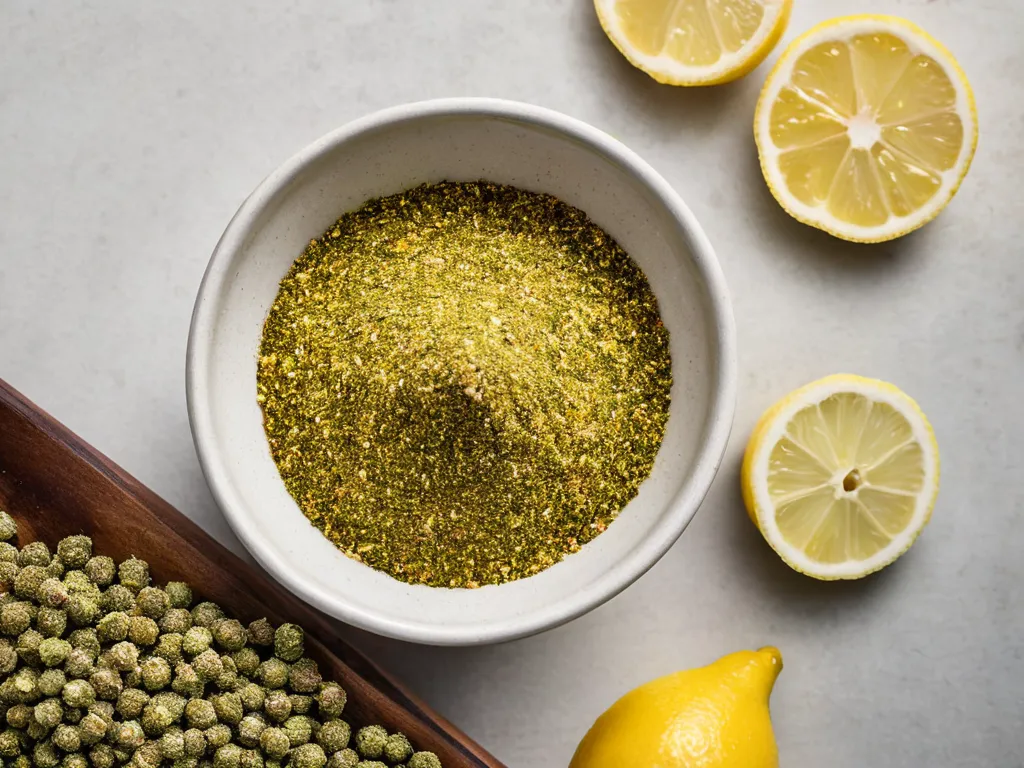
Most lemon pepper seasonings taste like lemon and black pepper and nothing else. Wingstop's is different β€” citric acid for sharpness, a touch of onion powder and salt for depth, and crucially, real lemon powder made from dried peel. Here's how to make the dry rub from scratch.

Medium Prep: 30 min Cook: 0 min Total: 30 min16 servings ~$2.45/serving
Prep30 min
Cook0 min
Total30 min
Servings
16
At home~$2.45/serving
vs
Restaurant~$11.02/serving
You save ~78%

Ingredients

Instructions

💡
Pro tip: This recipe tastes even better the next day. The flavors need time to meld together in the fridge.
❄️
Storage: Keeps in an airtight container in the fridge for up to 2 weeks. Freezer-friendly for up to 3 months.
~300-500 cal/serving

The Story Behind the Recipe

Copycat Wingstop Lemon Pepper Seasoning

Prep time: 30 minutes (mostly hands-off drying time)
Yield: About 4–5 tablespoons (enough for 3–4 batches of wings)

Wingstop’s Lemon Pepper is their best-selling flavor nationwide β€” and not because it’s complicated. It’s popular because it’s done right: a coarser-ground pepper that delivers actual heat, lemon powder made from real dehydrated zest (not lemon oil), and citric acid that gives it a sharpness no store-bought bottle can match.

Most copycat recipes skip the homemade lemon powder step and reach for McCormick Lemon Pepper off the shelf. That shortcut produces something that tastes generically citrusy. This recipe makes the real dry rub from scratch, and the difference is immediately apparent: brighter, more natural lemon flavor with genuine peppery bite.

TL;DR

Dry lemon peel at 200Β°F for 20–25 min β†’ grind into powder β†’ mix with black pepper, salt, citric acid, onion powder. That’s the full recipe. The citric acid and homemade lemon powder are what separate it from the store-bought version.

The Secret: Real Lemon Powder

Commercial lemon pepper seasonings use lemon oil or artificial lemon flavoring β€” they’re shelf-stable and consistent, but the flavor peaks at a certain intensity and doesn’t have the aromatic complexity of actual lemon zest.

Making lemon powder at home takes 30 minutes of mostly hands-off time (peeling + oven drying). The process:

  1. Peel the zest β€” the outer yellow layer only, not the bitter white pith
  2. Dry it slowly at 200Β°F until it snaps rather than bends
  3. Grind it fine in a spice grinder

The resulting powder is intensely citrusy, slightly floral, and bright yellow. Combined with citric acid (which adds sharpness), coarse black pepper (which adds heat), and a little onion powder (which adds savory depth), you get a seasoning that tastes like the real thing.

Ingredient Notes

Lemons: 4 lemons yield about 2 tablespoons of lemon powder after drying and grinding β€” roughly a 6:1 reduction in volume. Use regular grocery-store lemons; Meyer lemons are sweeter and less bright, so they’re not the right call here.

Black pepper: Freshly ground matters. Pre-ground pepper loses its volatile oils within weeks of grinding, leaving flat, dusty heat instead of sharp, aromatic pepper flavor. Use a medium-coarse grind β€” not fine powder, not cracked. If you only have pre-ground, use it, but know it’s the biggest gap from the real thing.

Citric acid: This is the key ingredient most recipes omit. It’s the white powder used in canning, candy-making, and home brewing β€” not the same as vitamin C (ascorbic acid). Find it at any homebrew supply store, most natural food stores, or online for $4–6. A single purchase will last years and makes a noticeable difference in the final flavor.

Turmeric: A tiny pinch (1/4 teaspoon) gives the seasoning its characteristic warm yellow-orange color without adding any noticeable flavor at this quantity. Skip it if you don’t have it β€” the seasoning tastes the same either way.

How to Use It

On wings (the Wingstop method):
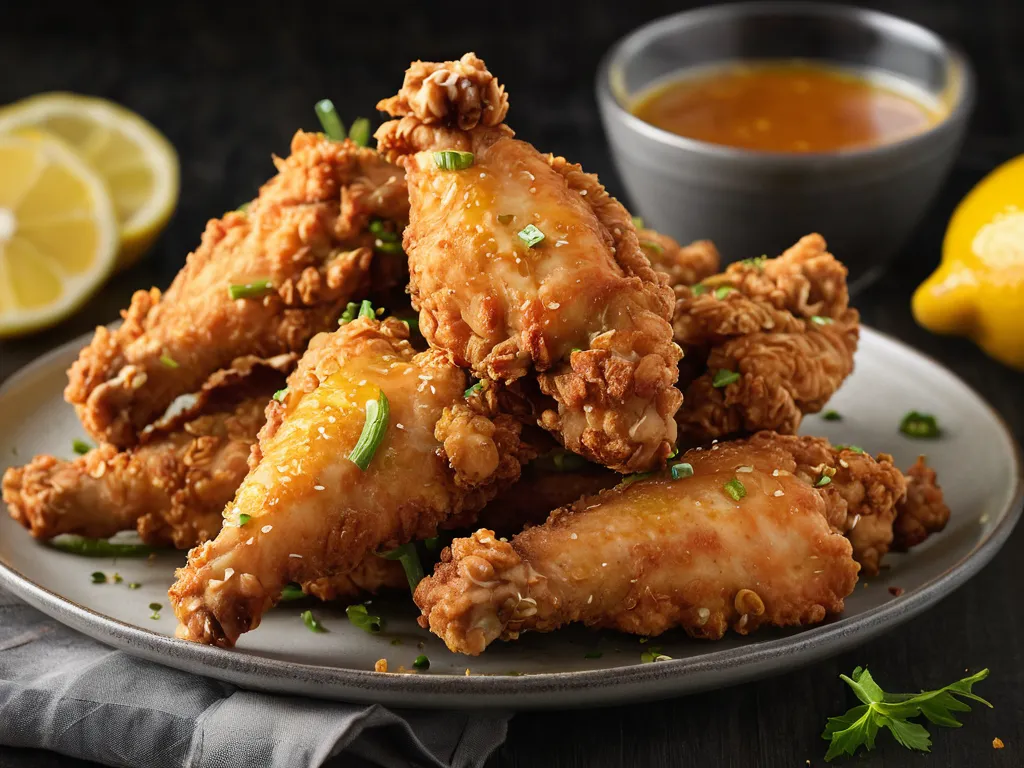
Fry or air-fry wings to 165Β°F. Toss in 2 tablespoons melted butter while hot. Add 1.5 tablespoons of seasoning per pound of wings and toss to coat. Serve immediately. See the full wing recipe: Wingstop Lemon Pepper Wings.

As a general seasoning:

  • Grilled or baked chicken: rub on before cooking, 1 teaspoon per 6 oz breast
  • Roasted vegetables: toss with olive oil and 1–2 teaspoons before roasting
  • Pasta or rice: finish with 1/2 teaspoon per serving as a table seasoning
  • Popcorn: 1 teaspoon with melted butter
Why the Butter Toss Matters

Wingstop’s lemon pepper wings are technically a dry-rub style, but they’re never just dusted with seasoning. They’re tossed in a small amount of melted butter first β€” which is why they glisten and why the seasoning clings evenly to every inch of surface. Plain dry-rubbed wings look dull and the seasoning slides off.

The butter also rounds out the citric acid’s sharpness, creating the slightly rich, bright-and-savory balance that makes these wings different from a plain lemon chicken rub. Don’t skip the butter toss if you’re making wings.

Storage

Store in a sealed glass jar away from heat and direct light. The lemon powder fades after about 3 months as the volatile citrus compounds oxidize. The full batch makes 4–5 tablespoons of seasoning β€” enough for roughly 3–4 sessions of wing-making. Make a fresh batch every couple of months for the best flavor.

Complete the Wingstop Experience at Home

The seasoning is step one β€” here’s how to build the full lemon pepper wing spread at home:

  • Wingstop Lemon Pepper Wings β€” the complete wing recipe that uses this dry rub: crispy fried, tossed in lemon pepper butter, and ready in 45 minutes.
  • Copycat Wingstop Ranch β€” the thick, cultishly popular ranch dipping sauce that Wingstop brings with every order. Full-fat mayo, real buttermilk, done.

See all Wingstop copycat recipes β†’

Nutrition Facts

Per serving (16 servings)
Calories5
Total Fat0g
Total Carbs1g
Dietary Fiber0g
Sugars0g
Protein0g
Sodium370mg

* Estimated values based on standard recipe preparation. Actual values may vary.

πŸ₯—

Make It Healthier

Love Wingstop Lemon Pepper Seasoning but want a lighter version? Try these simple swaps:

  • βœ“Reduce the salt to 1/2 tablespoon if you're watching sodium β€” the lemon and pepper still carry the flavor.
  • βœ“This is a pure spice blend with no sugar or fat, so it's already diet-friendly as a seasoning.
  • βœ“Use as a dry rub on grilled or baked chicken (not fried) to save calories while keeping the flavor.

Equipment You'll Need

Spice grinder or clean coffee grinder

The only way to turn dried lemon peel into a fine powder β€” a blender works but produces a coarser result

Fine-mesh strainer

For sifting out the larger lemon peel pieces that didn't fully grind

Baking sheet

For drying the lemon peel in the oven at 200Β°F

Airtight glass jar

For storing the finished seasoning away from moisture

Frequently Asked Questions

What makes Wingstop lemon pepper different from store-bought lemon pepper seasoning?

Three things separate Wingstop's lemon pepper from the McCormick bottle. First, Wingstop uses real lemon powder made from dehydrated lemon peel β€” not lemon oil or artificial flavoring β€” which gives a brighter, more natural citrus flavor. Second, they use a coarser-grind black pepper that delivers distinct peppery heat rather than background spice. Third, citric acid is added separately to amp up the sharpness beyond what dried peel alone provides. Most store-bought lemon pepper is just black pepper + lemon flavor + salt; this recipe has actual depth.

Do I really need citric acid, or can I skip it?

You can skip it, but the seasoning will taste noticeably flatter β€” less punchy, more like regular lemon zest. Citric acid is what provides the sharp, almost acidic bite you notice when you eat Wingstop's lemon pepper wings. It's inexpensive (under $5 for a jar that lasts years), available on Amazon and at homebrew/canning stores, and worth having for this recipe. If you skip it, compensate by doubling the dried lemon peel and adding an extra pinch of salt.

Can I use store-bought lemon pepper seasoning as a shortcut in this recipe?

Yes, but it won't taste as close to Wingstop's. If you're in a hurry: use 3 tablespoons store-bought lemon pepper (Lawry's or McCormick), add 1/2 teaspoon citric acid, 1/4 teaspoon onion powder, and a tiny pinch of turmeric to mimic the color. This gets you 75% of the way there in under 2 minutes. The main limitation is store-bought lemon pepper uses lemon oil or artificial flavor β€” less bright, slightly chemical tasting at high quantities.

How do I use this lemon pepper seasoning on wings the Wingstop way?

Wingstop's lemon pepper wings are technically a dry-rub style but tossed in melted clarified butter before the rub is applied β€” that's why they glisten. The correct technique: fry or air-fry the wings until crispy (165Β°F internal). Toss in 2 tablespoons melted butter while still hot. Immediately add 1.5 tablespoons of the lemon pepper seasoning per pound of wings and toss until every piece is coated. The butter helps the dry rub adhere without making the wings soggy. Serve immediately β€” they lose crispness as they sit.

How long does homemade lemon pepper seasoning last?

Up to 3 months in a sealed jar stored away from heat and direct light. The lemon powder is the limiting factor β€” it starts to fade and lose brightness after about 3 months. The black pepper and salt stay fresh much longer. If your seasoning starts to smell more like dust than lemon, it's time to make a fresh batch. One batch (4 lemons' worth of peel) makes about 4–5 tablespoons of seasoning, enough for 3–4 large batches of wings.

Love this recipe? Share it!

Shop the tools

The right tools make all the difference. We earn a small commission if you buy through these links β€” at no extra cost to you.

Free PDF: our 12 most-wanted copycat recipes β€” instant download.

Ratings & Reviews

β€”
No ratings yet

Rate this recipe

Click a star to rate

Leave a Review

0/500

CS

Copycat Spices Test Kitchen

Every recipe on Copycat Spices is developed and tested in our home test kitchen. We reverse-engineer beloved restaurant dishes and refine each one until the flavors and the instructions work reliably for home cooks of all skill levels.

Learn more about our mission →