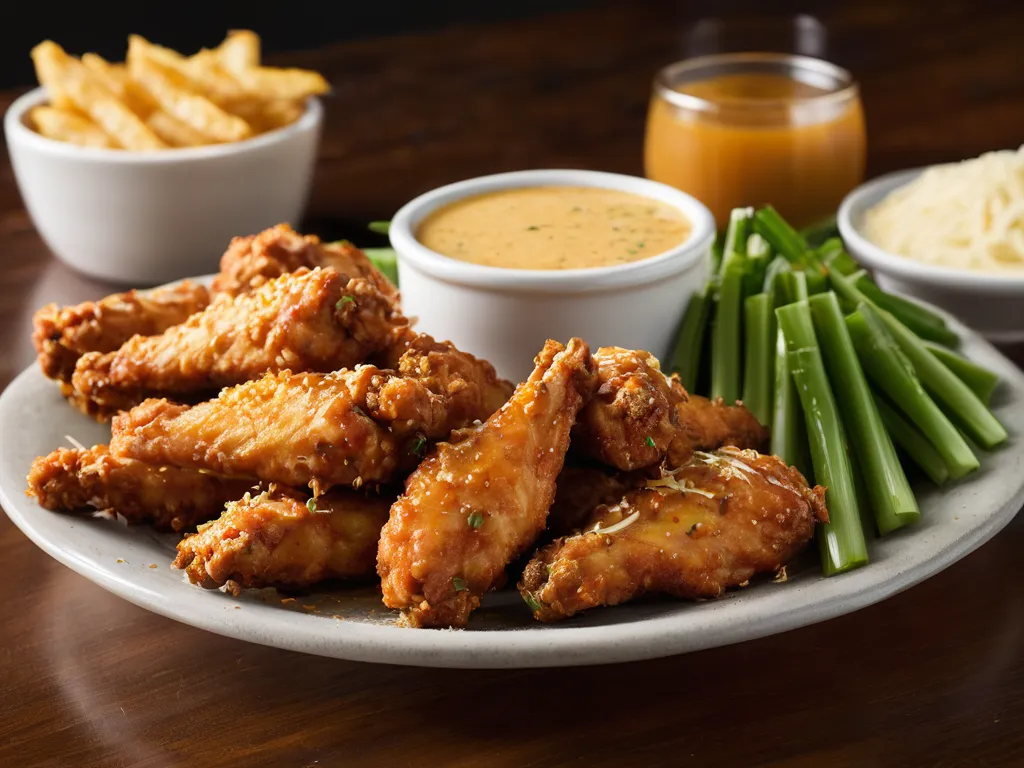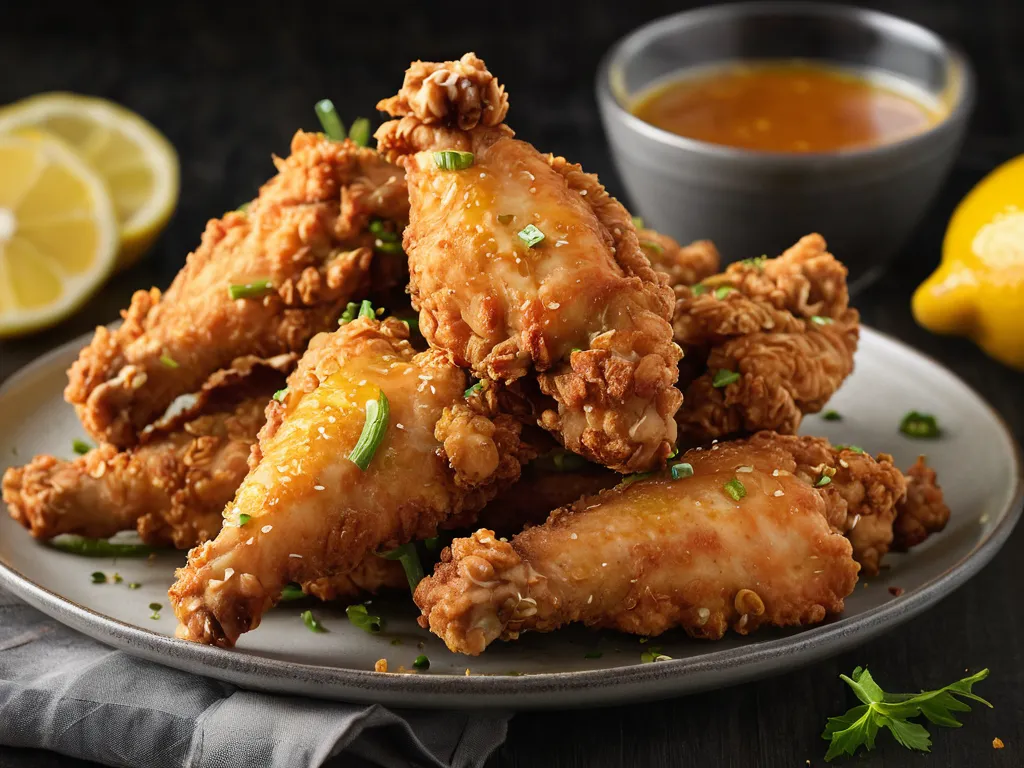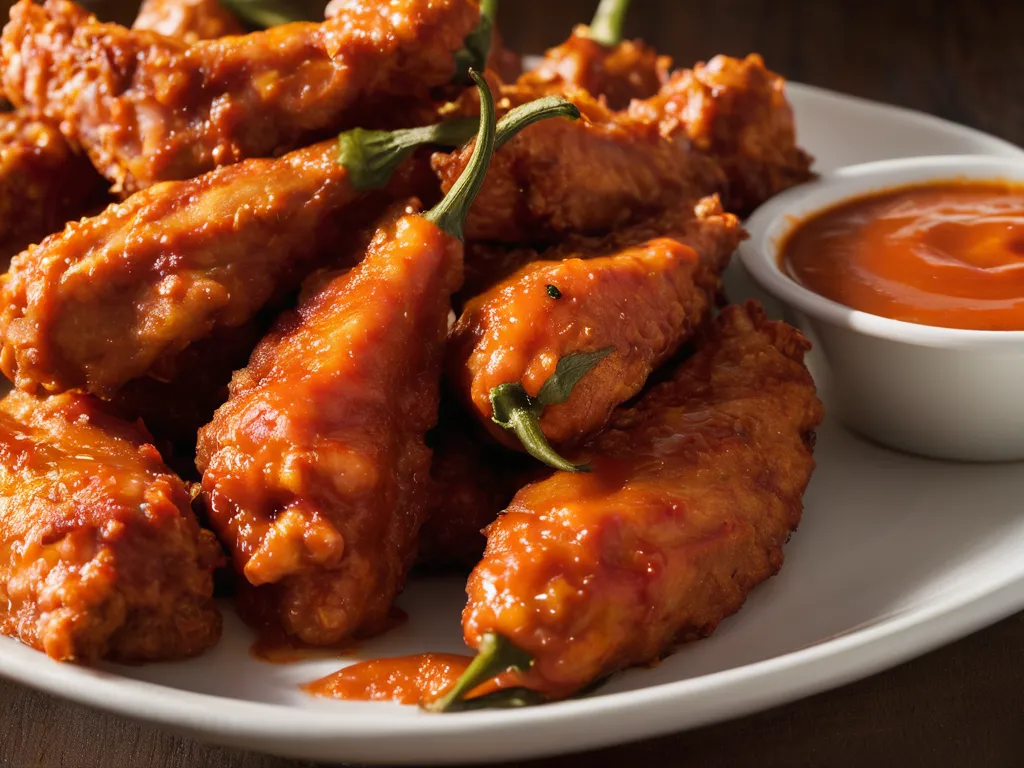
Wingstop’s Atomic wings are the chain’s maximum — five flames on the menu’s heat scale, the only flavor at that top tier, one above Mango Habanero’s four. If Mango Habanero is the last speed bump before the guardrail, Atomic is past it.
The difference isn’t just more pepper. Mango Habanero works by layering sweetness in front of the heat — real mango, honey, and habanero in a balanced sequence. Atomic removes the sweetness almost entirely. Wingstop describes it as “strong chili pepper as the primary taste element, a slight tang with a hint of sweetness.” The heat arrives immediately, the tang comes from vinegar, and the sweetness is a background note from the chipotle and a teaspoon of brown sugar — not fruit, not honey. No countdown. No delay.
Atomic vs. Mango Habanero: One Level, Completely Different Experience
When people who eat Mango Habanero consider stepping up, they often assume Atomic is just “the same sauce turned up.” It isn’t.
Mango Habanero is a flavor-first sauce — the mango sweetness lands at first bite, the heat builds 15–30 seconds later, and then the mango resurfaces between bites. That sequence is what makes it addictive rather than just punishing.
Atomic eliminates the sequence. There is no fruit on the front end, no sugar coating to absorb the first wave of capsaicin, and no sweetness to reset between bites. The result is a compounding burn — each wing adds to the previous one rather than clearing it. Wingstop intended this. If you haven’t had Mango Habanero and found it manageable, Atomic is not the starting point.
Why There’s No Buffer
Capsaicin — the molecule that creates heat — is oil-soluble. When sugar and fruit are present in a sauce, they create a temporary barrier at the tongue’s heat receptors, buying a few seconds before capsaicin makes contact. The fat in butter also slows the spread. Mango Habanero uses all three: mango, honey, and butter.
Atomic has the butter. The “hint of sweetness” from brown sugar is too small to act as a barrier. The result is direct receptor contact from the first second. The chipotle and allspice in the sauce add depth and smokiness but do nothing to interrupt the heat. This is by design — Atomic was built to be the chain’s hardest standard option, and the removal of any sweetness buffer is what puts it a full tier above Mango Habanero on Wingstop’s heat scale.
Why Make It at Home?
| Wingstop | Homemade | |
|---|---|---|
| 10 classic wings | ~$14–18 | ~$10 for 16–18 wings |
| Sauce | Proprietary formula | Habanero + chipotle + jalapeño + tomato base |
| Heat control | Fixed (Level 5) | Adjustable — skip ghost pepper or add it |
| Crust | Double-fried | Double-fried (same method) |
| Wait time | 15–20 minutes | 15–20 minutes fry time |
The copycat sauce uses the same pepper combination that third-party reverse-engineers consistently identify in the real sauce — habanero, jalapeño, and chipotle — along with the earthy allspice note that distinguishes the Atomic’s depth from a plain cayenne hot sauce.
The Pepper Combination
Three peppers do different things in this sauce:
Habanero provides the primary, immediate, fruity-but-punishing heat. It’s the main capsaicin driver — habaneros run roughly 100,000–350,000 Scoville Heat Units, 12 to 140 times hotter than a jalapeño. One minced habanero in this volume of sauce delivers serious heat without making the sauce unworkable.
Jalapeño adds a middle layer — a slightly grassy, sharp heat that sits between the tomato-hot sauce base and the habanero spike. It fills out the heat profile so it doesn’t feel like one dimensional pure capsaicin.
Chipotle in adobo adds smokiness and a slightly earthy sweetness that explains the “hint of sweetness” in Wingstop’s description — it’s not sugar forward, it’s chipotle. The adobo sauce also thickens the base slightly and contributes acidity.
Allspice is the ingredient most copycat recipes miss. A quarter teaspoon adds a warm, faintly clove-like depth that prevents the sauce from tasting like nothing but hot. It’s the element that makes people describe Atomic as having “flavor” rather than just heat.
The Double-Fry Is Not Optional
A single fry cooks the wings and gives a moderately crisp exterior. A double fry — with a 2–3 minute rest between passes — creates a different result: a hard, crackling shell that audibly shatters at the bite and holds up to a wet sauce for 10–15 minutes rather than going soft within 2.
The rest period between fries lets steam escape from the first fry. When the wings go back into 375°F oil, there’s no residual moisture left to prevent the crust from fully hardening. The crust that comes out of the second fry handles a wet sauce without absorbing it — the sauce coats, it doesn’t soak.
Toss in the sauce immediately after the second fry. Hot wings hold sauce through fat adhesion and heat — cold wings reject sauce and let it pool on the plate.
Heat Level Guide
- Full recipe (1 habanero + 1 jalapeño + 1 chipotle) → Closest to restaurant Atomic; genuine sustained burn; compounding heat across the plate
- Full recipe + ½ tsp ghost pepper powder → Above restaurant level; not for the undecided; have dairy on the table before the first wing
- Seeded habanero + 1 jalapeño + 1 chipotle → 30–40% less intense; still clearly hot, more manageable for people who want flavor without the maximum burn
- 1 jalapeño + 1 chipotle, no habanero → Medium-hot Buffalo territory; the sauce profile (tang, smoke, allspice) is there but the peak heat is gone
Cooling Strategies
Dairy is the only effective counter. The casein protein in milk, ranch dressing, sour cream, and blue cheese binds directly to capsaicin molecules and removes them from heat receptors — it’s a chemical neutralization, not a sensory distraction. Water spreads capsaicin. Beer provides brief relief but the alcohol fades quickly. Bread absorbs capsaicin-laced saliva temporarily. Have your dipping sauce on the table before you start, not as an afterthought.
The standard Wingstop pairing is ranch. Our Copycat Wingstop Ranch has the full-fat buttermilk-heavy profile — it’s thick enough to coat and hold against the Atomic heat.
Air Fryer Method
Add 1 teaspoon of baking powder to the flour coating before tossing the wings — it reacts at high heat to create small bubbles in the crust that approximate a fried texture. Arrange in a single layer and air fry at 400°F for 22–24 minutes, flipping once at 12 minutes, until deeply golden and the skin has pulled away from the tips. Toss immediately in the warm Atomic sauce. You get about 85% of the double-fry crunch without the oil.
Storage
The sauce keeps refrigerated in an airtight jar for up to 2 weeks and reheats cleanly — warm over low heat, add a teaspoon of water if it’s thickened. The wings themselves don’t store well; the crust softens in the refrigerator. Make only what you’ll eat.
More from the Wingstop Menu at Home
- Wingstop Mango Habanero Wings — the Level 4 counterpart: sweet mango up front, habanero 15 seconds later; start here if Atomic is your first Wingstop heat adventure
- Wingstop Lemon Pepper Wings — the chain’s all-time best seller; a dry-rub butter-toss technique that wins on flavor, not heat
- Copycat Wingstop Ranch — the thick buttermilk-forward ranch that makes surviving Atomic possible; make it before the wings
See all Wingstop copycat recipes →