Dairy Queen Copycat Recipes
Dairy Queen's Blizzards, Dilly Bars, and signature soft serve are American dessert icons. Our copycats cover the Blizzard technique, chocolate-shell Dilly Bars, and how to get DQ-style soft serve texture at home.
2 recipes
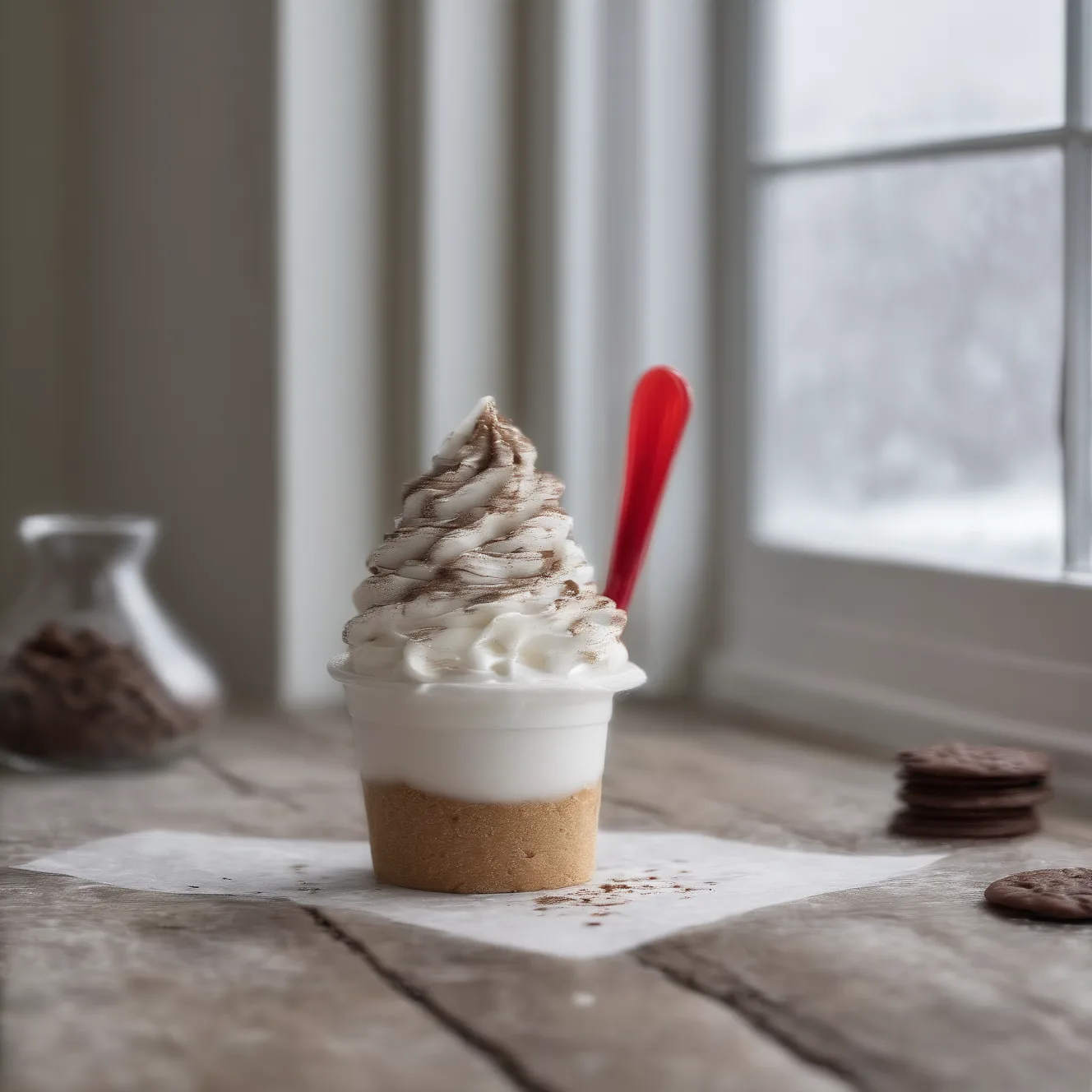
Dairy Queen was founded in 1940 in Joliet, Illinois. J.F. McCullough developed the soft-serve formula in 1938 by discovering that ice cream mix was most flavorful at 23°F (a few degrees above hard-serve temperature), and Sherb Noble opened the first Dairy Queen store to sell it. Soft serve — the foundation of every DQ product — has about 5% milkfat compared to 10%+ for hard-serve ice cream, and is served at a higher temperature than scooped ice cream. That's what gives it the softer, creamier, lighter mouthfeel. The Blizzard was introduced in 1985: a thick soft-serve blended with mix-ins, famously served upside-down to demonstrate consistency. The Dilly Bar — chocolate-coated vanilla soft serve on a flat stick — has been on the menu since 1955. The classic swirl cone (vanilla soft serve in a sugar cone with the signature curl at the top) is the most copied DQ item for home cooks, though true soft serve requires a commercial machine. Our Dairy Queen copycats cover the Blizzard, Dilly Bar, and Soft Serve technique.
Frequently Asked Questions
Can I make DQ-style soft serve at home without a machine?
Close to it, but not exact. The best home method: blend 2 cups heavy cream, 1/2 cup whole milk, 1/3 cup sugar, and 2 tsp vanilla until the sugar dissolves. Freeze in a shallow container, stirring every 30 minutes for 2–3 hours until it reaches a thick, scoopable consistency. The result is richer than DQ (higher milkfat) but the technique mimics the soft texture. A $50 countertop ice cream maker gives a better result closer to the real thing.
How do I make a Blizzard at home?
The Blizzard technique is about proportion: you need thick (almost frozen) soft serve, not loose ice cream, or the mix-ins sink. Start with very firm vanilla ice cream (or homemade soft serve, frozen an extra 30 minutes): 2 heaping scoops, 2–3 tbsp whole milk, and your mix-ins blended on low speed for 10–15 seconds. The goal is chunky mix-ins embedded in thick ice cream, not a smooth shake. Oreo Blizzard: 4 Oreo cookies crushed coarse. Reese's: 2 Reese's cups broken into pieces. Flip the cup upside down to test — if it holds, consistency is right.
What's the difference between a DQ Dilly Bar and a regular chocolate-dipped bar?
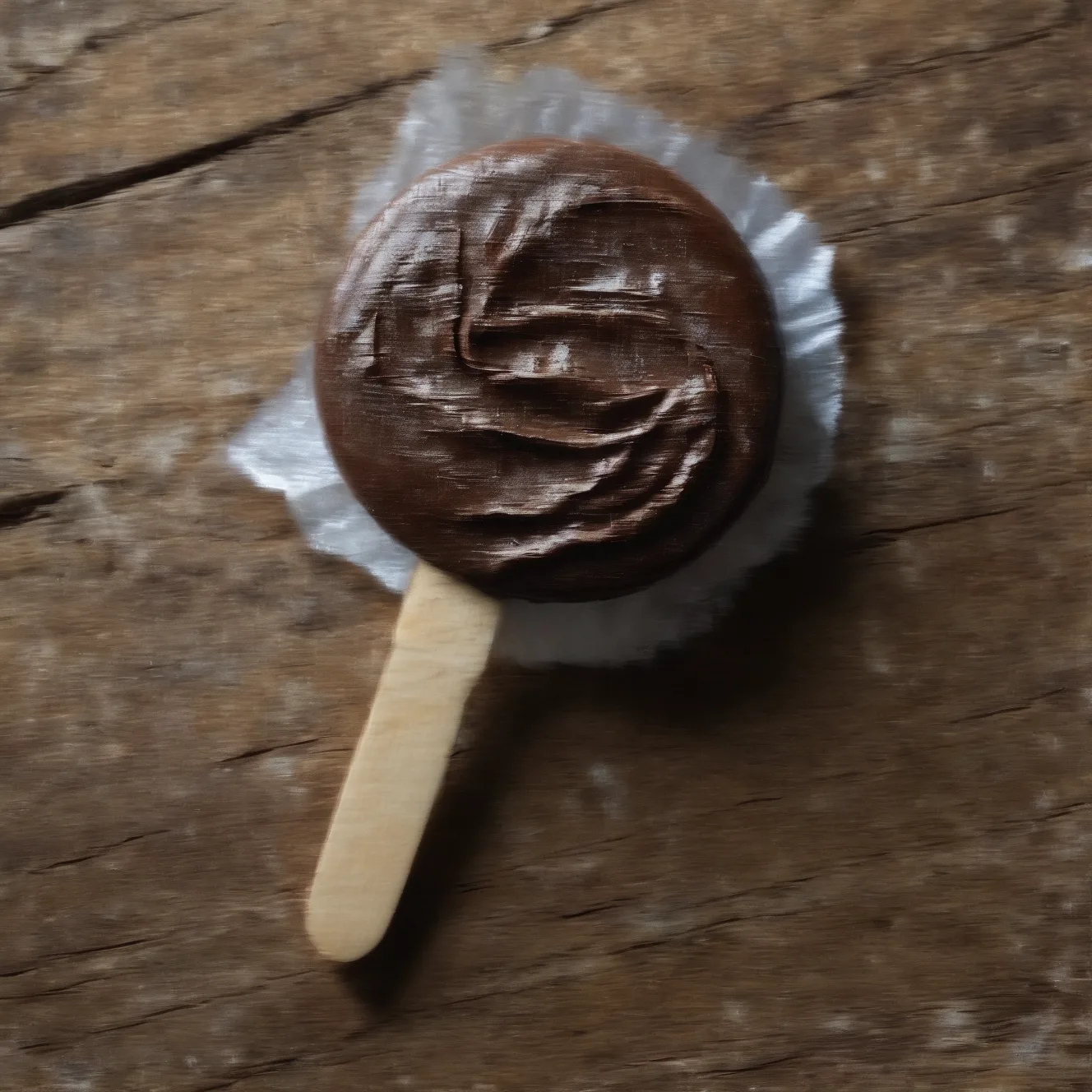
The Dilly Bar is a flat disc of soft serve (about 3 inches in diameter, 1 inch thick) dipped in a chocolate coating that contains coconut oil — that's what makes the chocolate shell crack instead of staying soft. The flat-stick shape is distinctive and practical: it freezes evenly on the stick. At home: pour soft serve or vanilla ice cream into disc molds (or a muffin tin lined with plastic wrap), freeze until solid, insert sticks, dip in chocolate melted with 1 tsp coconut oil per 1/4 cup chocolate. The coconut oil is the key to the snap.
What is Dairy Queen's 'Soft Serve' actually made of?
Commercial DQ soft serve mix is a proprietary blend of skim milk, sugar, cream, corn syrup, whey, and various stabilizers (carrageenan, guar gum) that allow it to be served at 23°F without becoming rock-hard. The stabilizers are what home cooks can't easily replicate — they prevent ice crystals from forming at that soft-serve temperature. At home, adding 1 tsp xanthan gum and 1/4 tsp locust bean gum to your base mixture before freezing mimics the stabilizer effect and gives a creamier, more uniform texture.