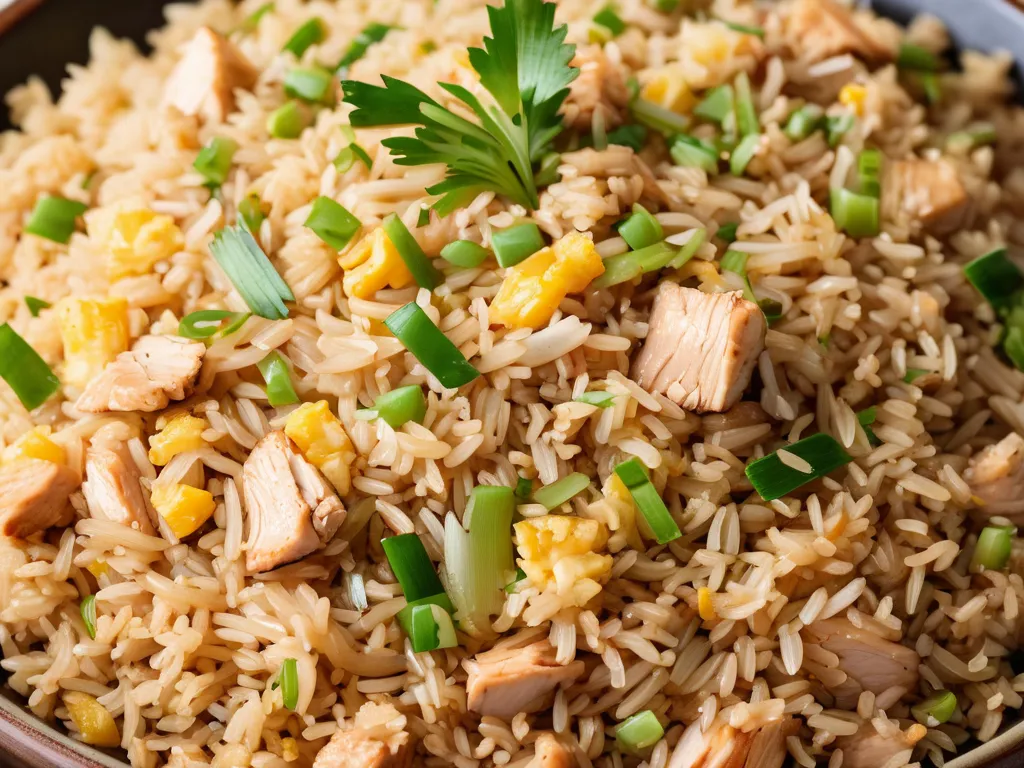
Benihana Fried Rice
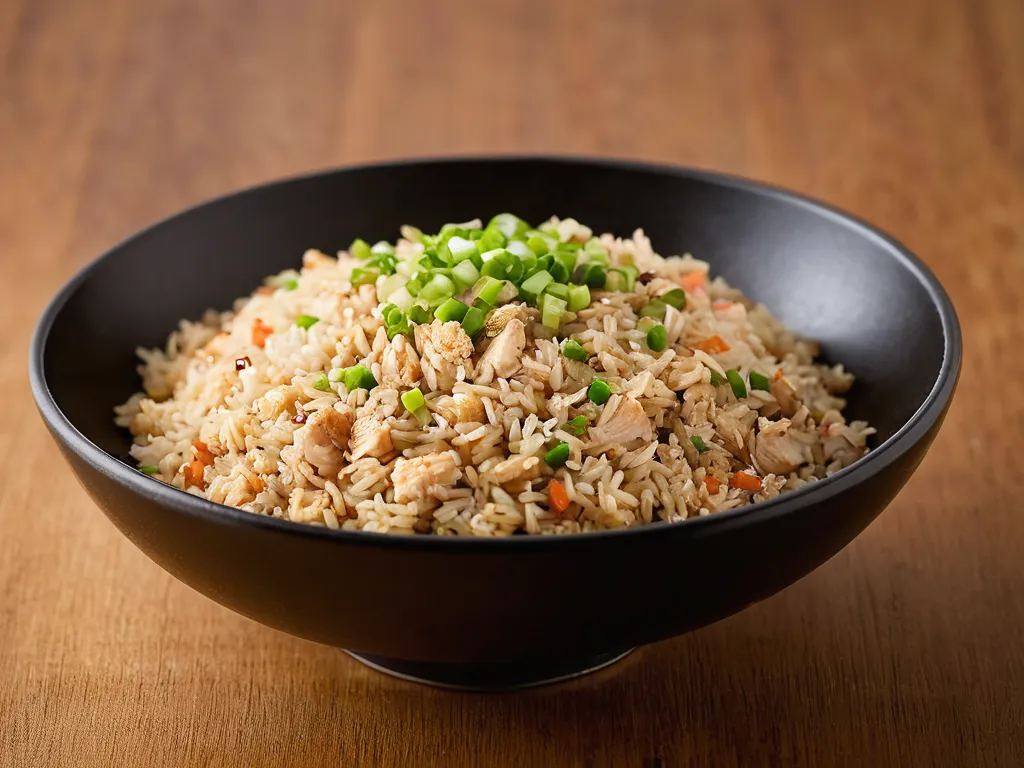
The fried rice at Benihana is technically a side dish. In practice, it is the dish people keep thinking about on the drive home — golden, slightly crispy in spots, butter-rich, and fragrant with garlic and soy sauce. The chef makes it right in front of you on a flat iron griddle at table heat, and the show is entertaining, but the technique is simpler than the performance suggests.
Three things separate this from standard fried rice: butter instead of oil, cold day-old rice, and a flat griddle. You can replicate all three at home.
TL;DR
Cook protein in butter, set aside. Brown garlic in butter until golden. Add cold day-old rice, press flat, let it sear 60 seconds before tossing. Repeat the press-sear-toss cycle 3–4 times. Drizzle soy sauce onto the hot pan surface to caramelize, fold in egg and protein. Finish with sesame oil and green onions. Serve immediately.
Hibachi or Teppanyaki? What’s Actually on That Grill
Benihana calls itself a “hibachi” restaurant, but the cooking surface is actually a teppanyaki grill — a large, flat iron griddle. The word “teppanyaki” comes from teppan (iron plate) and yaki (grilled or broiled). The flat surface is what allows the chef to spread rice into a thin layer for browning, scramble eggs in the cleared space, and toss shrimp tails into a chef’s hat.
A true hibachi is a small, portable cast-iron bowl or grate designed for tabletop grilling over charcoal — the kind used in Japan to grill individual skewers. The two tools produce fundamentally different cooking: a hibachi’s open grate lets fat drip and create flame; a teppanyaki’s solid flat surface pools fat and creates a searing base. Benihana’s fried rice is a teppanyaki dish. American usage conflated the terms decades ago, and the “hibachi restaurant” label stuck.
At home, the closest equivalent is a large cast-iron skillet or flat griddle — the flat, solid cooking surface is the critical factor. A wok’s curved sides reduce rice contact area, causing steam to build instead of sear.
The Butter Secret
Most Asian fried rice recipes use vegetable oil, peanut oil, or sesame oil. Benihana uses butter — a generous amount of it — and that is the defining flavor difference.
Butter contains water, milk solids, and fat. When butter hits a hot surface, the water evaporates, and the milk solids begin to brown through the Maillard reaction: proteins and sugars reacting at around 250–300°F to produce hundreds of flavor compounds — nutty, toasty, slightly caramel. This is why clarified brown butter has a more complex flavor than plain melted butter, and it is exactly what happens at Benihana’s griddle. The browned butter solids become part of the base layer that the rice absorbs.
Vegetable oil cannot do this. It has no milk solids to brown, so it adds fat and prevents sticking, but contributes almost no flavor. The difference in taste between fried rice cooked in butter and fried rice cooked in vegetable oil is not subtle.
The other advantage: butter’s fat carries garlic flavor exceptionally well. Garlic cooked in butter develops a different, softer, more complex character than garlic cooked in neutral oil — the fat picks up aromatic compounds from the garlic that then distribute evenly through every grain of rice.
Day-Old Rice: Why Cold Rice Fries
Fresh rice is full of water. Its starch is fully hydrated and gelatinized — each grain is swollen, tender, and ready to stick to everything it touches. When you add fresh hot rice to a hot pan, the surface moisture creates steam that makes the grains clump and turn gummy rather than toast.
Day-old refrigerated rice has gone through starch retrogradation: the amylose chains that make rice sticky realign overnight into a firmer, more crystalline structure, and the surface of each grain loses moisture. The result is individual dry grains that behave like small pieces of food in a pan rather than a wet mass. Each grain can make direct contact with the hot butter and develop some color before it sticks to its neighbors.
The practical rule: cook plain, unseasoned white rice the day before. Spread it in a thin layer on a sheet pan or large plate and refrigerate uncovered — the exposed surface dries faster. The next day, break up any clumps with your fingers before adding to the hot pan.
If you need fried rice now and only have fresh rice, spread it on a sheet pan and microwave in 30-second bursts until the surface looks matte and dry, then let it cool completely. This is not ideal but produces better results than adding fresh hot rice directly to the pan.
The Garlic Timing
Garlic cooked in butter passes through three stages:
- Raw (pale, sharp): Just softened, still pungent and vegetal — too raw for this recipe.
- Golden (sweet, nutty): Lightly browned, fragrant, flavor rounded and mellow — the target.
- Dark (burnt, bitter): Past golden, acrid — ruins the butter.
The window between golden and dark is about 30 seconds over high heat. Watch the garlic, not the timer. When it turns light gold and smells like roasted garlic rather than raw, add the rice immediately. The rice’s cold surface stops the garlic from continuing to cook.
The Egg Well Method
Benihana chefs crack eggs directly onto the hot griddle with theatrical precision. At home the same outcome requires no egg-cracking showmanship — just timing and space management:
Push the hot rice to one side of the pan to expose a clear area of hot metal. Crack the eggs directly onto that surface. Immediately break the yolks with the spatula and scramble in a quick, choppy motion for 20–30 seconds. The egg should be mostly set but still soft — slightly underdone, because it continues cooking when folded into the hot rice. Chop the scrambled egg into bite-size pieces and fold into the rice all at once.
Two notes: the hot surface means the egg sets very fast; 20–30 seconds is not an exaggeration. And do not add the egg to the rice while it’s still liquidy — it will coat the grains and make them gummy rather than producing distinct egg pieces.
The Soy Sauce Method: On the Surface, Not Over the Rice
Most home fried rice instructions say to add soy sauce over the rice from a bottle. The Benihana approach — and the correct technique for this style — is to drizzle the soy sauce onto the hot cooking surface, letting it hit the steel and sizzle.
When liquid soy sauce hits a surface above 300°F, the water content boils off instantly, and the remaining amino acids and sugars reduce and begin to caramelize. By the time you toss the rice through it, you’re coating the grains in slightly concentrated, slightly caramelized soy glaze rather than raw soy sauce. The difference is subtle but real: more depth, less saltiness, slightly sweeter.
Practical limit: this technique works on dry, un-crowded rice. If the pan is overloaded with steam, the soy sauce doesn’t caramelize — it just dissolves into moisture. Keep the heat high and the rice in a thin layer.
Protein Variations
The fried rice is the same for every protein; only the cooking time changes.
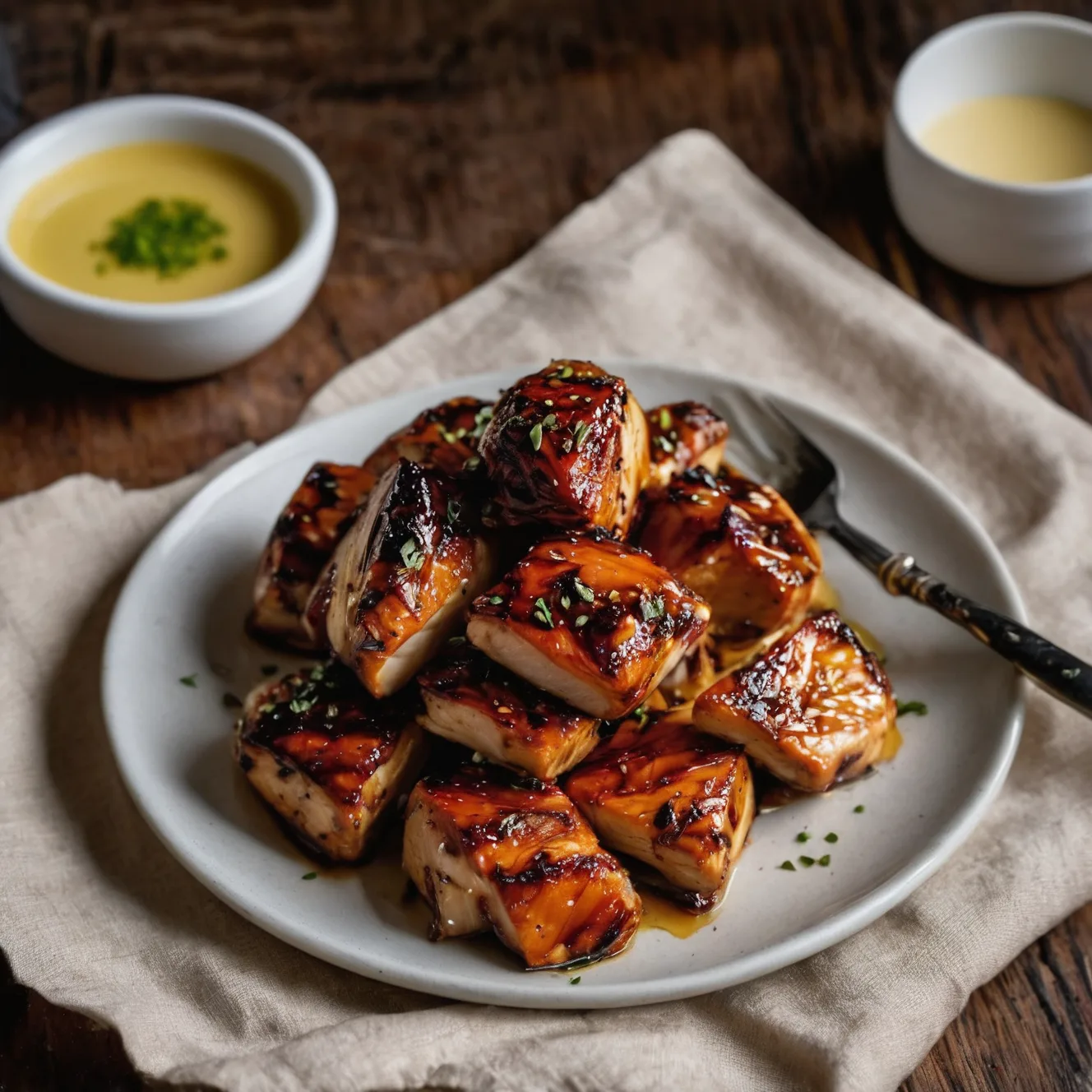
Chicken thigh (not breast): Thighs have more fat and stay juicy at high heat. Breast dries out fast. Dice small — pieces about 3/4 inch — for the most surface area to brown. Cook 4–5 minutes until lightly caramelized on the outside.
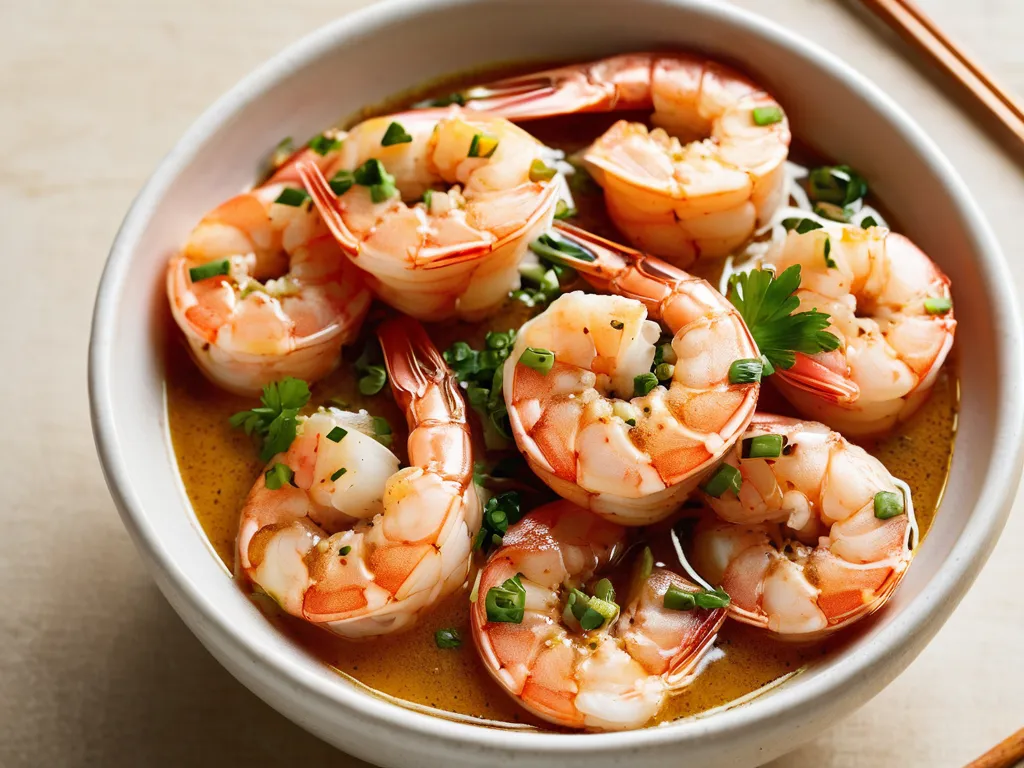
Shrimp: The fastest protein. Medium shrimp (31–40 count) need only 45–60 seconds per side in hot butter. Season with salt. Remove the moment they turn opaque and pink — overcooked shrimp turn rubbery within seconds. For the garlic butter shrimp version, see Copycat Benihana Garlic Butter Shrimp.
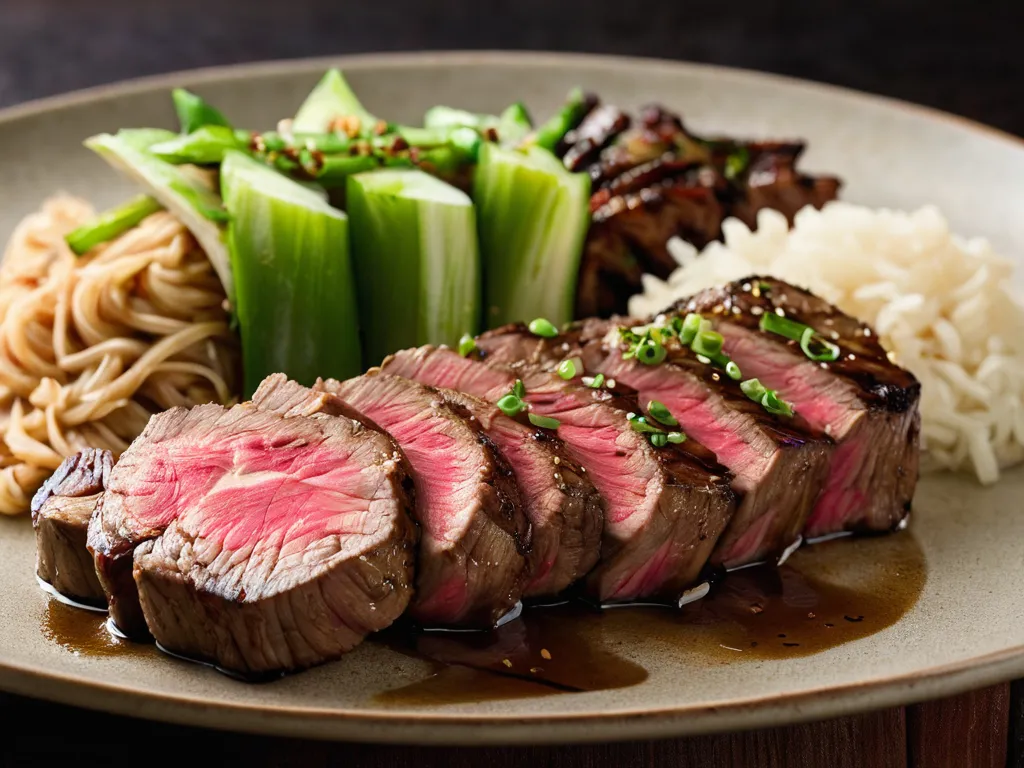
Sirloin or ribeye steak: Thinly slice against the grain, 1/4-inch thick. High heat, butter, 90 seconds per side maximum. The steak cooks in the time it takes to get good color. For the full steak guide, see Copycat Benihana Hibachi Steak.
Tofu: Press an extra-firm block for 30 minutes, cube into 3/4-inch pieces, pat completely dry. Cook in butter over high heat for 4–5 minutes until golden and slightly crisped on the surface. Season with soy sauce during cooking.
Combination (surf and turf): Cook the steak first, remove. Cook the shrimp in the same pan with remaining butter, remove. Build the fried rice with both proteins returned at the end. This mirrors Benihana’s combo plates.
Yum Yum Sauce
Yum Yum sauce is the pink-orange creamy dipping sauce that comes with Benihana meals — the one poured into small ramekins at the table, ideal for dipping shrimp tails and spooning over fried rice. It is mayo-based, slightly sweet, mildly garlicky, and a different flavor dimension from the soy-butter rice.
The full recipe is at Copycat Benihana Yum Yum Sauce. Quick version: 1 cup mayonnaise, 1 tablespoon tomato paste, 1 tablespoon melted butter, 1 teaspoon garlic powder, 1/2 teaspoon paprika, 2 teaspoons sugar, 2–3 tablespoons water to thin to pourable consistency. Mix and refrigerate for 30 minutes before serving. Make it while the rice cooks the day before — it improves overnight.
Cost Comparison
| Home | Benihana | |
|---|---|---|
| Fried rice (4 servings) | ~$3 | $8–10 per serving at table |
| Chicken fried rice dinner for 2 | ~$8–10 total | $55–75 with soup, salad, entree |
| Shrimp addition | ~$4 extra | $12–18 extra per person |
The math is stark. The fried rice at Benihana is a side dish priced per person; you are primarily paying for the experience of having it cooked in front of you. At home, you control the butter ratio, protein quantity, and garlic intensity — and you can make twice as much for the same price as one side at the restaurant.
Storage and Reheating
Refrigerate in an airtight container for up to 4 days. The butter solidifies when cold, so the rice needs direct heat rather than a microwave to revive properly.
Reheat in a skillet over medium-high heat with a small pat of butter. Spread flat, let the bottom crisp for 2 minutes without touching, then toss and serve. This restores the texture better than any other method. Microwave works if speed is the priority but softens the crust.
Freezes well for up to 2 months. Freeze in single-serving portions in flat bags or containers. Reheat directly from frozen in a hot skillet with a splash of water and a pat of butter; the water creates brief steam that thaws the rice quickly before the butter can brown it again.
See also: Copycat Benihana Yum Yum Sauce — the pink dipping sauce served at the table; Copycat Benihana Hibachi Steak — sirloin or ribeye with garlic butter and the teppanyaki sear technique; Copycat Benihana Garlic Butter Shrimp — the surf half of the surf-and-turf combo; Copycat Benihana Chicken Fried Rice — the chicken-specific version of this dish; Copycat Panda Express Fried Rice — the Chinese-American style comparison; Viral TikTok Egg Fried Rice — simpler egg-only version for a quick weeknight base.