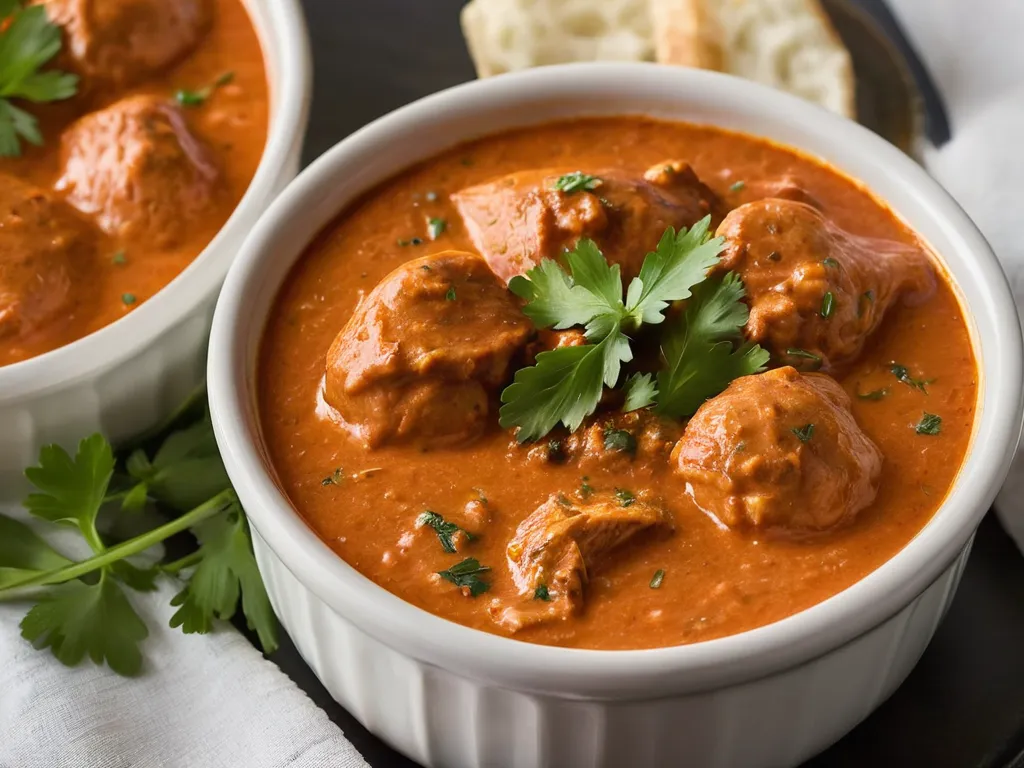
Butter chicken looks intimidating — most people assume the restaurant version requires obscure techniques or a tandoor oven. TikTok changed that assumption. Hundreds of videos showing this dish coming together in a single pan in 15–20 minutes, with that deep orange sauce and falling-apart tender chicken, went massively viral across 2022–2024. The honest answer is that they’re right: a genuinely good version is achievable on a weeknight, with one pan, without any special equipment.
The catch is that most 15-minute versions cut corners that matter and keep corners that don’t. This guide explains which shortcuts actually work (crushed tomatoes instead of fresh; thighs instead of marinade), which ones hurt the final dish (skipping kasuri methi; under-cooking the onions), and exactly why the restaurant version tastes the way it does.
Where Butter Chicken Comes From
The standard account of butter chicken’s origin goes back to Moti Mahal restaurant in Daryaganj, Delhi, in the 1950s. Kundan Lal Gujral — who had opened the original Moti Mahal in Peshawar in 1920 before the 1947 partition divided the subcontinent — is credited with creating the dish by necessity: unsold tandoori chicken leftover from the day was added to a warm tomato-butter sauce to soften it and make it sellable the next morning, since no refrigeration existed.
The resulting dish — tender chicken in a lightly spiced tomato sauce enriched with butter and cream — was an immediate hit and eventually spread worldwide. It is now almost certainly the most exported Indian restaurant dish on the planet.
This origin story is contested. In January 2024, the Gujral family’s Moti Mahal Delux filed suit in the Delhi High Court — seeking roughly Rs 2 crore (about $240,000) in damages — against the owners of the Daryaganj restaurant chain, who trace their claim through Kundan Lal Jaggi, a business partner of Gujral’s at the original Moti Mahal. Both families say their grandfather invented it. The dishes are real; the courtroom is also real.
The Three Things Home Versions Usually Get Wrong
1. Skipping kasuri methi. Kasuri methi is dried fenugreek leaves, and it’s the single ingredient that makes butter chicken taste like the restaurant. It provides an earthy, faintly bitter, aromatic quality that bridges the sweetness of the tomato-cream sauce with the spices. You cannot replicate it with any Western substitute. It’s cheap, keeps for months, and is available at Indian grocery stores or online. Add it at the end of cooking and crush the dried leaves between your palms first to release the oils. If you make one change from the stub recipes floating around online, make it this one.
2. Not cooking the onions long enough. The instruction says “cook onion until softened.” Many people cook the onion for 3–4 minutes until it’s translucent and call it done. Golden brown onions — 6–7 minutes at medium heat, almost amber at the edges — create the sweet, complex base that carries the whole sauce. Undercooked onions leave a sharp, raw quality in the background of the dish even after all the other ingredients are added. The butter-oil combination (not butter alone) gives you the flavor of butter without the risk of scorching during those 7 minutes.
3. Using regular chili powder instead of Kashmiri. The distinctive deep orange-red color of restaurant butter chicken doesn’t come from tomatoes alone. Kashmiri red chili powder has a specific deep crimson color and mild, fruity heat. It adds color without making the dish spicy. If you use regular American chili powder, the sauce comes out brownish and tastes completely different. If you can’t find Kashmiri chili, combine ¾ of the called amount in regular chili powder with a pinch of sweet paprika — not ideal, but closer than chili powder alone.
The Spice Architecture
Traditional butter chicken uses a specific layered spice structure. The quick version here uses the same spices in a compressed timeline:
Garam masala (1.5 tsp total) is a blend of warming spices — cardamom, cinnamon, cloves, black pepper, coriander, cumin — and acts as the backbone of the flavor. Different brands have different ratios; use one you like.
Kashmiri red chili powder (2 tsp total, split between chicken and sauce) provides color and mild heat. The beautiful deep orange in a good butter chicken is almost entirely from this.
Ground coriander (1 tsp) and ground cumin (½ tsp) are added individually because garam masala blends don’t always have enough of each — coriander is earthy and citrusy, cumin is warm and slightly smoky, and both help the sauce’s complexity.
Turmeric (¼ tsp) contributes a background earthiness and a hint of color. It’s a trace amount — enough to register, not enough to dominate.
Honey (1 tsp) is the balancer. The crushed tomatoes are acidic. The cream adds richness. The honey ties them together and gives the sauce the mild sweetness that’s a hallmark of murgh makhani. Don’t skip it, and don’t add too much — 1 teaspoon is enough.
Shortcuts That Work vs. Shortcuts That Don’t
Works: Crushed tomatoes instead of fresh. Restaurant butter chicken often uses fresh tomatoes, charred or blanched and then puréed. On a weeknight, a 28-oz can of crushed tomatoes is essentially the same thing — the tomatoes are already cooked and concentrated. The sauce needs to simmer anyway to reduce, and the flavor difference from canned vs. fresh here is minimal.
Works: Chicken thighs without a marinade. Authentic murgh makhani uses chicken that has been marinated in spiced yogurt for 8–48 hours and then cooked in a tandoor at very high heat. On a weeknight, boneless thighs seasoned and seared in a hot pan get you 85% of the way there. The missing 15% is the char and smoke from the tandoor, which no home stove can replicate — and which the cream sauce largely compensates for anyway. Thighs also hold up far better than breasts in a simmering sauce.
Doesn’t work: Skipping the spice-blooming step. Many quick recipes add spices directly to the tomatoes without blooming them first in the oil. Blooming — cooking the ground spices in fat for 30–60 seconds before adding liquid — activates fat-soluble flavor compounds and transforms raw spice flavor into something integrated and round. The 30-second difference is significant. Watch the pan (spices burn fast), but don’t skip it.
Doesn’t work: Too much cream. A butter chicken sauce should be richly flavored but not heavy. More than ½ cup of cream for this recipe makes the sauce thick and cloying, masking the spices. The tomato should still come through. ½ cup is the ceiling; you can go as low as ⅓ cup and still get the creamy quality.
The Instant Pot Version
Pressure cooking is genuinely faster here (though not by as much as you’d think once you count build-up time). Use the sauté function to cook the onions and bloom the spices — don’t skip these steps even in the Instant Pot, because pressure cooking doesn’t develop the same fond as stovetop. Add the tomatoes and chicken, seal, and pressure cook on High for 6 minutes followed by a 10-minute natural release. Open, switch back to sauté, stir in the cream and kasuri methi, and simmer 2–3 minutes to reduce the sauce slightly (it comes out thinner from the pressure cooker). Total elapsed time from start to serving: about 30 minutes including pressure build-up.
The Dairy-Free Version
Replace the heavy cream with an equal amount of full-fat canned coconut cream and use a neutral oil instead of butter for the sauté. The resulting sauce is virtually identical in richness and texture, with a very mild coconut undertone that disappears into the spices once the kasuri methi goes in. Use light coconut milk and the sauce will be too thin. The dairy-free version reheats even better than the cream version — it doesn’t separate when warmed gently.
Cost: Home vs. Restaurant
A single serving of butter chicken at an Indian restaurant in a US city typically runs $18–24. This recipe makes four generous servings for $14–18 in total ingredients — roughly $3.50–4.50 per serving. Add basmati rice and naan and the per-person cost stays well under $7. The leftovers reheat beautifully and are, by universal TikTok consensus, even better on day two.
Storage and Reheating
Store leftover butter chicken in an airtight container for up to 4 days in the fridge. The sauce thickens considerably when cold — that’s normal and it’s fine. Reheat on the stovetop over medium-low heat with a splash of water or cream to loosen the sauce, stirring occasionally. Alternatively, reheat in the microwave in 90-second intervals, stirring between each. The dish freezes well for up to 3 months — portion it into single-serving containers and thaw overnight in the fridge before reheating. Do not freeze with rice already mixed in; the rice becomes waterlogged.
Serve Alongside
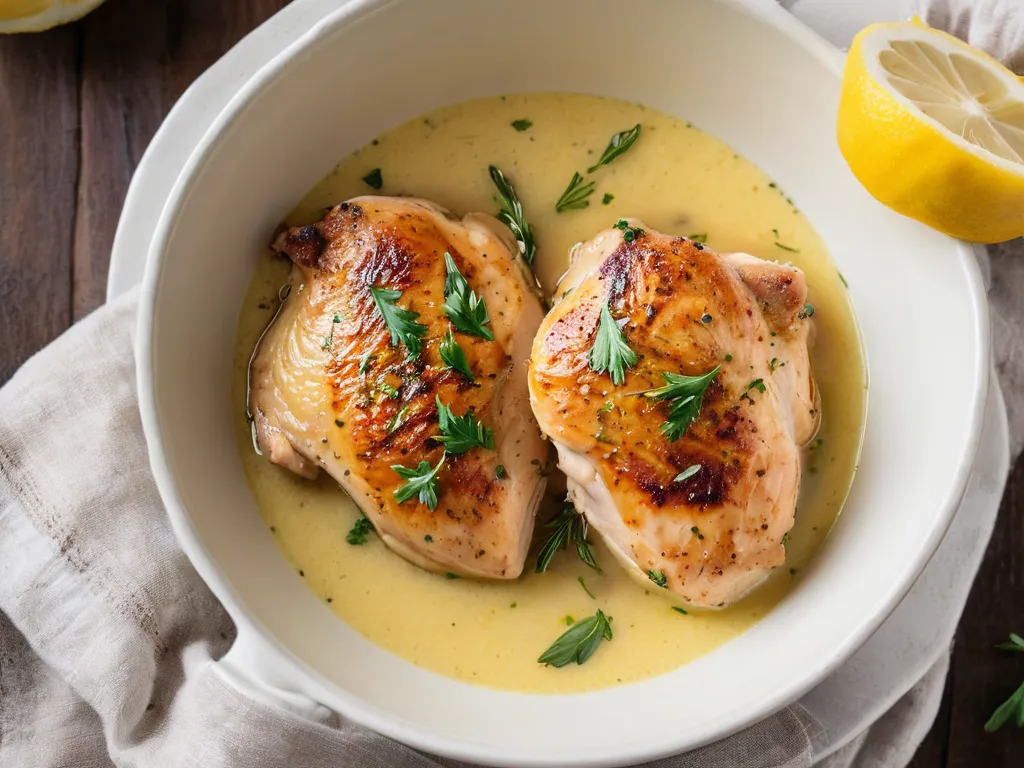
For a full weeknight Indian spread, this pairs well with TikTok viral egg fried rice or a simple basmati pilaf, plus lemon butter chicken if you want a second protein on the table. If you have crack chicken fans in the house, the butter chicken does the same job — rich, savory, over carbs — with an entirely different flavor profile worth the variety.