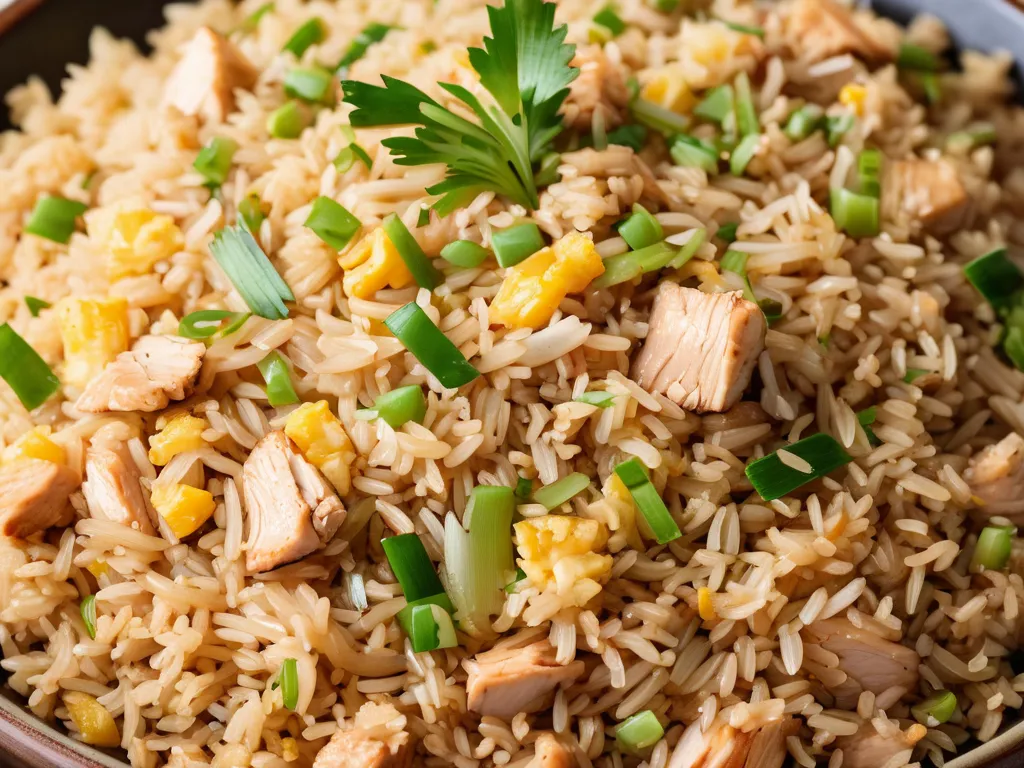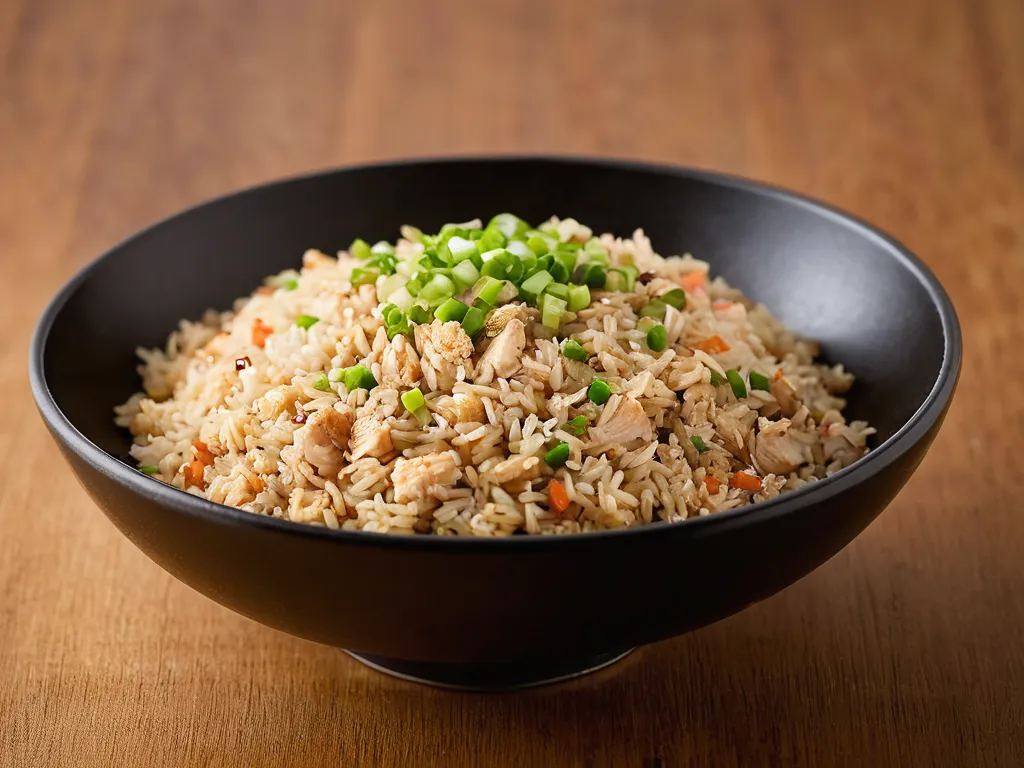
Copycat Benihana Chicken Fried Rice
Prep time: 10 min Cook time: 15 min Servings: 4
Benihana’s chicken fried rice is the dish that makes the teppanyaki experience. The chef cooks it right in front of you on a flat steel griddle, tossing rice into the air, cracking eggs with theatrical precision, and seasoning with soy sauce that sizzles and steams on contact. The result is deceptively simple — rice, eggs, butter, garlic, soy sauce, and a few vegetables — but the flavor is bigger than the ingredient list suggests.
The secret is butter and heat. While most Asian fried rice recipes use vegetable oil, Benihana leans hard on butter, which gives the rice a rich, toasty flavor that is distinctly Japanese-American teppanyaki. The garlic gets cooked directly in that butter until fragrant, and the soy sauce hits the hot surface and reduces into a concentrated glaze that coats every grain.
This recipe works on any flat cooking surface. A large cast iron skillet, a flat griddle, or even a well-seasoned carbon steel pan will get you there. You do not need a commercial teppanyaki grill — you need high heat, cold rice, and butter.
Why Make It at Home?
A Benihana dinner for two with chicken fried rice, a protein entree, soup, and salad runs $50-$70 before drinks and tip. The fried rice alone, if ordered as a side, is roughly $8-$10 per serving at the table. This recipe makes four servings for about $6 total — $1.50 per plate. Even if you factor in the full cost of a chicken entree at home, you are spending a fraction of the Benihana bill.
The home version also gives you unlimited fried rice. At Benihana, the chef makes one batch for the table, and when it is gone, it is gone. At home, double the recipe and have leftover fried rice for lunch the next two days. The cost of the second batch is negligible since rice, eggs, and frozen vegetables are among the cheapest foods in the store.
What Makes Benihana’s Chicken Fried Rice So Good
Butter is the defining ingredient. Benihana uses a generous amount of butter on the flat grill, which serves two purposes: it prevents sticking and it adds a dairy richness that vegetable oil cannot replicate. The butter solids brown on the hot steel, creating a nutty, caramelized base layer that the rice absorbs. This is the flavor people cannot quite identify when they eat Benihana fried rice for the first time — it tastes richer and more complex than standard fried rice, and butter is the reason.
Garlic plays a larger role here than in Chinese-style fried rice. Benihana chefs cook minced garlic directly in the butter until it turns golden, then add the rice on top. The garlic infuses the fat, which means every grain of rice picks up garlic flavor during the frying process. It is not a subtle addition — you should be able to smell the garlic from across the room.
The cooking technique matters as much as the ingredients. Teppanyaki chefs press the rice flat against the hot griddle and leave it undisturbed long enough to develop a crust on the bottom layer. Then they flip and repeat. This press-and-flip method creates a mix of textures: some grains are toasted and chewy, others are soft, and the ones that touched the griddle longest have a faint crunch. That textural variety is what makes each bite interesting.
Tips & Variations
- Use short-grain rice. Benihana uses Japanese short-grain rice, which has a slightly sticky quality that holds together when pressed against the griddle. Long-grain rice works but produces a drier, less cohesive result.
- Get the surface ripping hot. Before adding butter, heat your skillet for a full 3 minutes over high heat. The butter should foam and brown within seconds of hitting the pan. If it just melts quietly, the pan is not hot enough.
- Season with soy sauce on the griddle, not in a bowl. Pouring soy sauce directly onto the hot cooking surface allows it to reduce and caramelize before it coats the rice. This concentrates the flavor and prevents soggy rice.
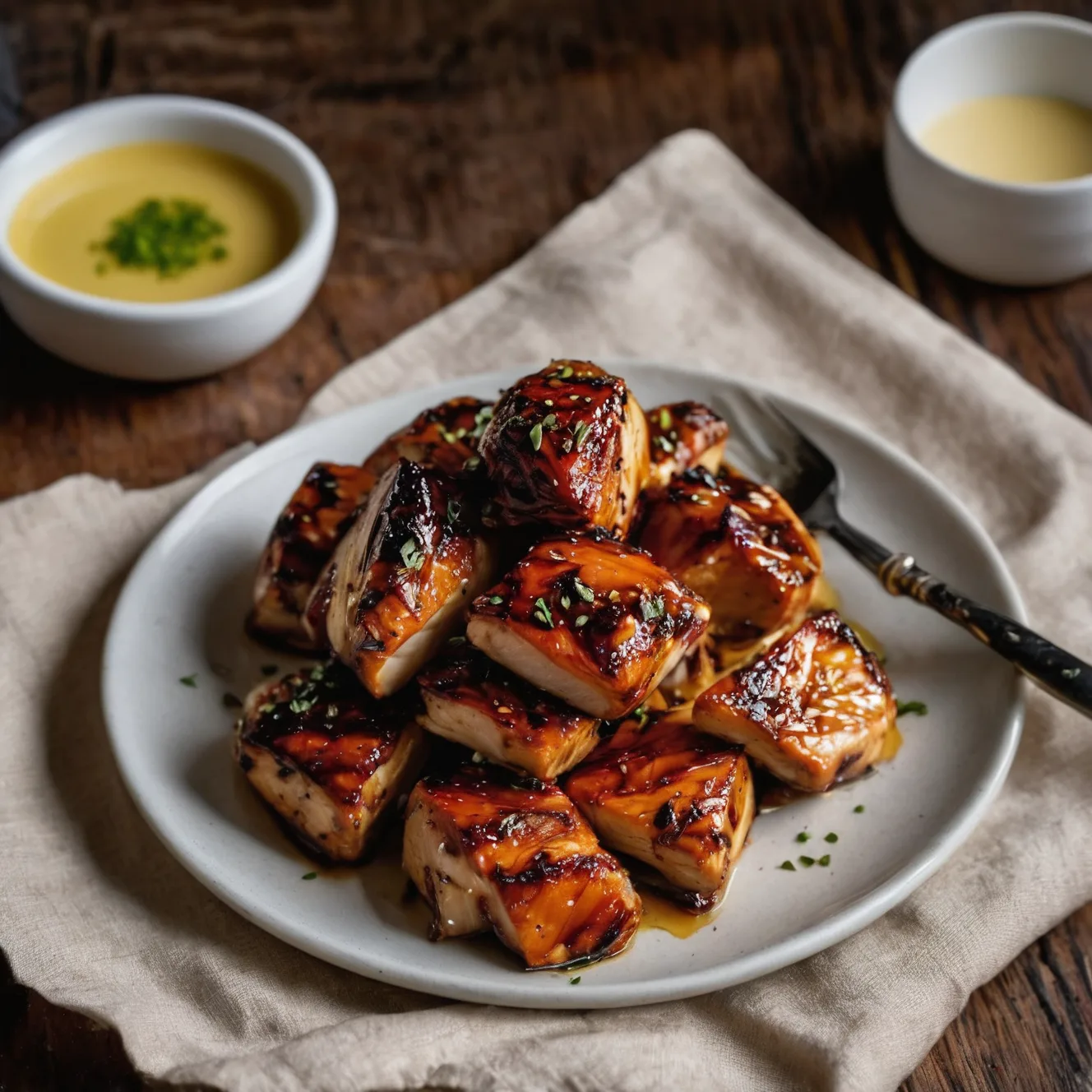
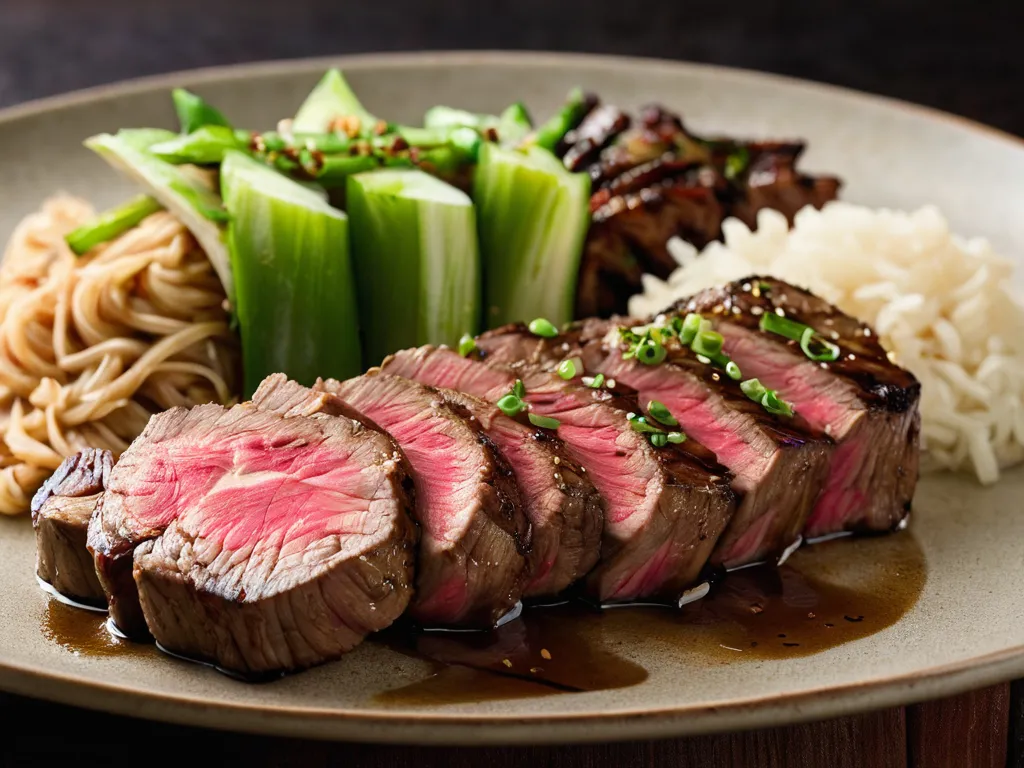
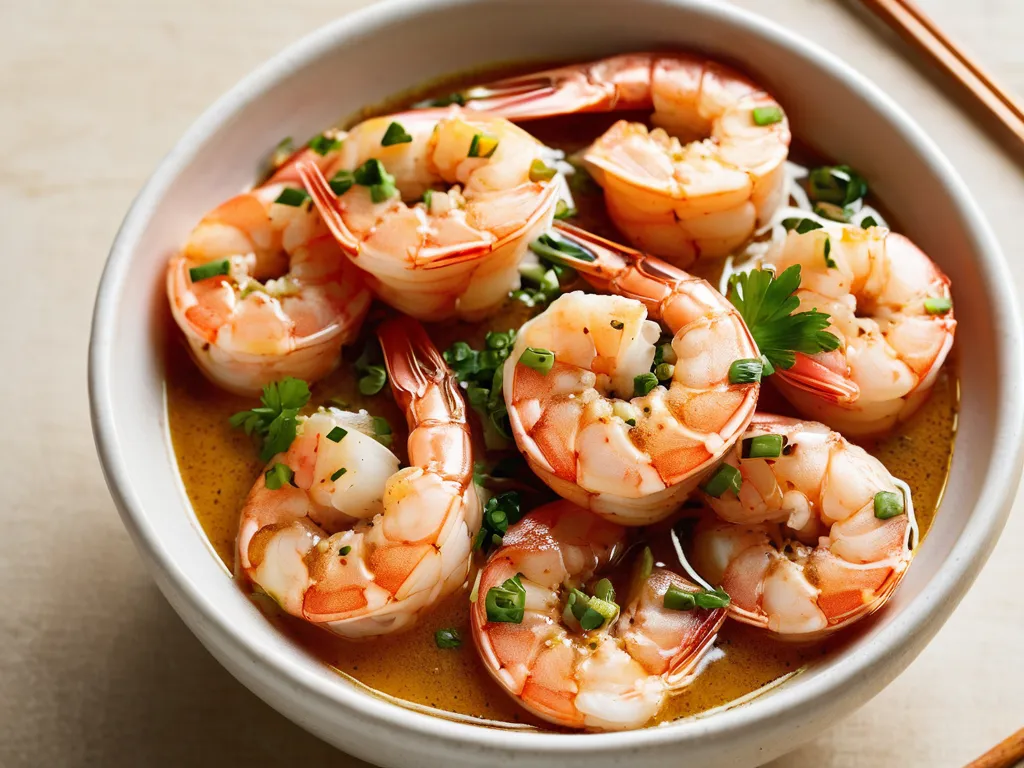
- Add shrimp or steak. Dice and cook the protein first, just like the chicken, then set it aside and return it at the end. Benihana offers multiple protein options with their fried rice.
- Finish with a squeeze of lemon. Not traditional, but a few drops of lemon juice added at the very end brightens the dish and cuts through the butter richness.
Storage & Reheating
Benihana-style fried rice stores well in the refrigerator for up to 4 days. The butter solidifies when cold, which means the rice needs a hot pan to revive it properly.
Reheat in a skillet over medium-high heat with a small pat of butter. Spread the rice flat and let the bottom crisp for 2 minutes before tossing. This restores the textural contrast that makes the dish special. Microwave reheating works but melts the butter without browning it, so you lose the toasty quality. This fried rice freezes well for up to 2 months — portion it into individual containers, freeze flat, and reheat directly from frozen in a hot skillet with a splash of water and a pat of butter.