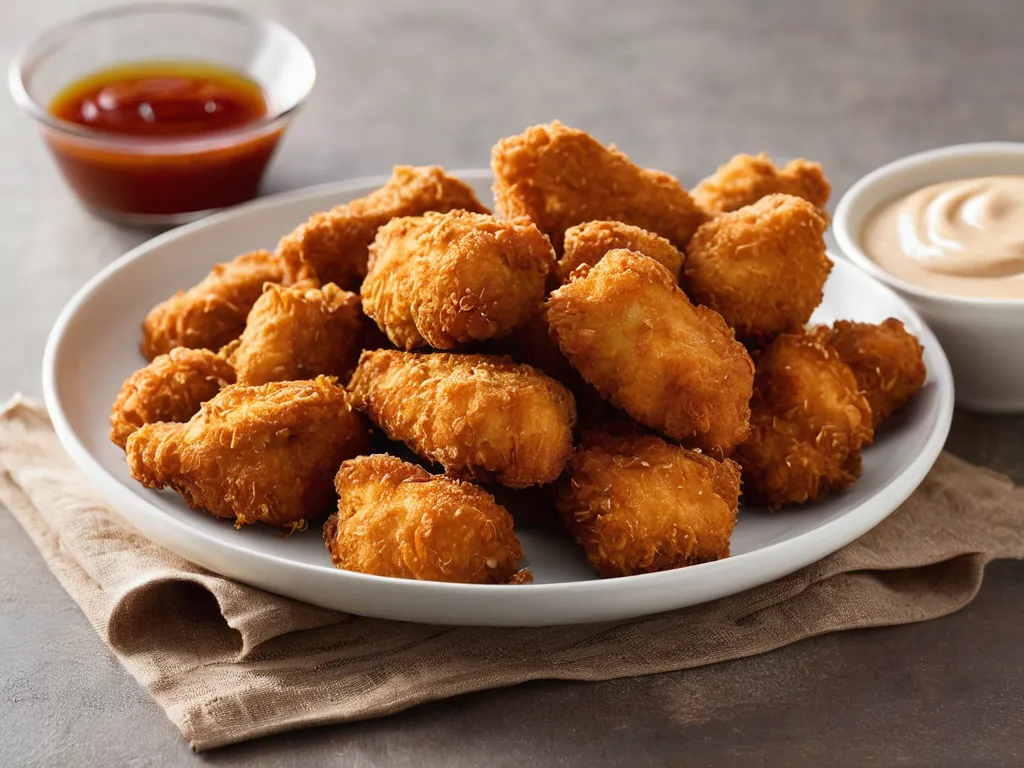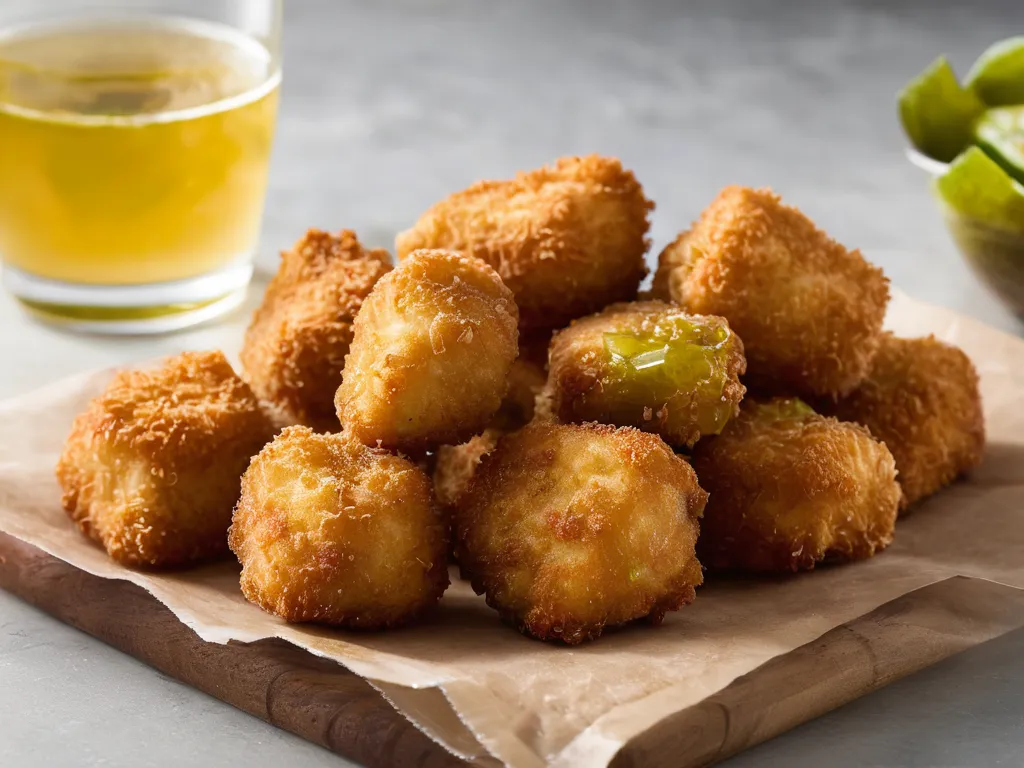
Chick-fil-A nuggets have a devoted following for a reason: the coating is craggy and grease-free in a way that most fried chicken never achieves, and the meat inside stays genuinely juicy. Both results come from specific techniques — not mystery ingredients. This recipe nails them at home.
Why This Recipe Works
Three things separate a good CFA copycat from a mediocre one:
The pickle juice brine does two jobs. Pickle juice is diluted acetic acid. That acid starts breaking down chicken muscle proteins in as little as an hour, resulting in noticeably more tender meat. It also carries salt deep into the flesh, so the chicken tastes seasoned throughout — not just on the surface. Most home fries skip the brine and wonder why their nuggets feel rubbery next to the real thing.
Powdered sugar in the coating. This one surprises people. Powdered sugar accelerates Maillard browning at lower oil temperatures, which means the crust turns deep golden before the interior overcooks. It also adds a barely-there sweetness that rounds out the salty, savory coating — the same way CFA’s official ingredient list includes “sugar” in the breading. Don’t sub regular sugar; powdered sugar disperses evenly without grittiness.
The double-dredge builds structure. Flour → brine → flour creates two bonded layers. The first coat of flour absorbs moisture from the brine liquid and forms the adhesive for the second, thicker coat. That second coat develops the irregular craggy surface during frying — the bumps and peaks that become extra-crispy bits. A single dredge produces a flat, smooth coating that softens within minutes of leaving the oil.
Cost vs. the Drive-Thru
| Home batch | Chick-fil-A | |
|---|---|---|
| 8-count equivalent | ~$2.50 | ~$5–6 |
| 12-count equivalent | ~$3.50 | ~$7–9 |
| 30-count equivalent | ~$7 | ~$16–19 |
| Per nugget | ~$0.25–0.33 | ~$0.55–0.70 |
One full 1-lb batch yields about 20 nuggets. That 20-count would cost $12–16 at Chick-fil-A; the home version costs about $6.50 in ingredients. The bigger win is freshness — the coating on a home-fried batch has never sat under a heat lamp.
Air Fryer Method
The air fryer produces genuinely crispy nuggets with less mess and fewer calories than deep-frying. The texture is slightly different (paler crust, less craggy surface) but the flavor is nearly identical and the crunch holds through the whole meal.
Prep is the same as deep-frying: cut, brine 1–4 hours, double-dredge, rest 5 minutes on a wire rack.
- Spray generously on all sides. The oil spray is what enables browning — use cooking spray or brush with neutral oil until the nuggets look visibly shiny. Dry dredged nuggets won’t brown.
- Air fry at 400°F for 10–12 minutes. Arrange in a single layer; no stacking. Flip at the 5–6 minute mark.
- Pull at 165°F internal temperature. Going higher dries out the meat.
Don’t overcrowd the basket. Nuggets stacked on top of each other steam instead of crisp. Cook in two batches if needed; keep the first batch warm on a wire rack in a 200°F oven.
The air fryer runs roughly 20–30% fewer calories per serving compared to deep-fried because less oil is absorbed. If you’re making these regularly, the air fryer is the practical choice — same flavor, half the cleanup.
Dipping Sauces
Chick-fil-A’s sauces are half the reason the nuggets work. You need more than one option on the table.
CFA Sauce — the chain’s signature, a honey-mustard-BBQ blend invented in the 1980s. Our Chick-fil-A sauce copycat takes 5 minutes: honey, Dijon, yellow mustard, barbecue sauce, and mayonnaise. Deceptively close to the original.
Polynesian Sauce — sweet, tangy, slightly fruity. DIY: 2 tablespoons sweet-and-sour sauce + 2 tablespoons apricot jam, stirred. Add more apricot for sweetness, more sweet-and-sour for tang.
Honey Mustard — simple: 2 parts yellow mustard, 1 part honey, 1 part mayonnaise. Stir.
Zesty Buffalo — mix 3 tablespoons Frank’s RedHot with 1 tablespoon melted butter and 1/2 teaspoon honey. Classic heat with the sweetness that keeps people going back.
Ranch — any quality buttermilk ranch works. CFA’s version is close to Hidden Valley restaurant-style, available bottled.
Variations
Spicy: Add 1 teaspoon cayenne and 1 teaspoon hot sauce to the brine; add 1/2 teaspoon cayenne to the flour. The heat builds as you eat — start there and increase next time if you want more fire. For the full method, see our spicy Chick-fil-A nuggets recipe.
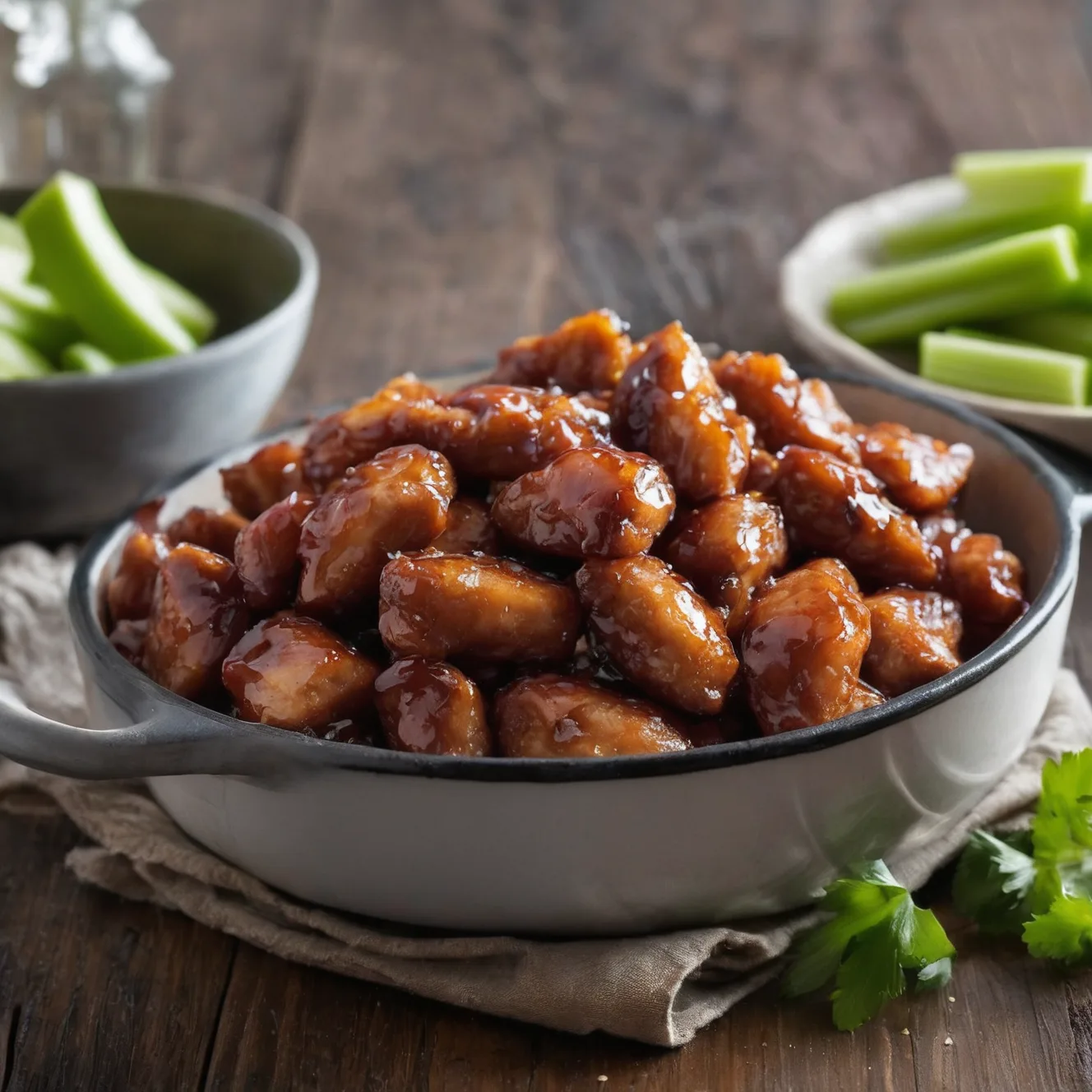
Buffalo: Follow the standard recipe, then toss the finished nuggets in buffalo sauce (3 parts Frank’s + 1 part melted butter) right out of the fryer while still hot. Serve with blue cheese and celery. Best eaten within 15 minutes — the sauce softens the coating over time.
Grilled (Chick-fil-A style): Skip the flour coating entirely. Marinate in pickle juice brine for 1–2 hours, then grill or pan-sear on medium-high for 3–4 minutes per side. CFA’s Grilled Nuggets are 130 calories per 8-count versus 250 for fried, with 25g protein — a dramatically different nutritional profile for nearly identical flavor.
Buttermilk brine: Sub buttermilk for the milk + egg. Lactic acid is a milder tenderizer than acetic acid — the result is a softer, less tangy bite. Try both versions to find which texture you prefer.
Pro Tips
Oil temperature is everything. Check with a thermometer before the first batch. Oil below 325°F soaks into the coating before it sets — greasy nuggets. Oil above 375°F browns the outside before the chicken cooks through. Hold 350°F by frying in batches of 6–8 and giving the oil 30 seconds between rounds to recover temperature.
Don’t skip the wire rack rest. Five minutes on a rack after dredging lets the coating hydrate and bond. Skip this and the coating slides off in the oil, leaving naked patches on the surface.
Brine time matters. One hour is the minimum. Two to four hours is ideal. Past 8 hours the acidity starts to make the texture mealy — don’t brine overnight.
Pat the chicken before dredging. After brining, shake off excess liquid but don’t rinse. Slightly damp helps the first flour layer grip; soaking wet makes the coating gummy.
Storage and Reheating
Fridge: Up to 4 days in an airtight container. The coating softens as moisture migrates from the chicken into it — expect less crunch after overnight storage.
Best reheat: Air fryer at 375°F for 4–5 minutes, or oven at 425°F on a wire rack for 6–8 minutes. Both restore meaningful crunch. Microwave produces a rubbery exterior — works in a pinch but doesn’t recover texture.
Freeze uncooked for make-ahead: Double-dredge the nuggets, spread on a parchment-lined baking sheet, freeze until solid (2–3 hours), then transfer to a zip-lock bag. Keeps up to 3 months. Fry from frozen at 350°F for 5–6 minutes. The coating freezes well and results are nearly identical to fresh. Don’t freeze brined-but-undredged nuggets — the extended acid exposure makes the texture mushy.
Serving Ideas
The non-negotiable pairing is Chick-fil-A sauce — that honey-mustard-BBQ blend was built for these nuggets. Add waffle fries and pickles for the full meal.
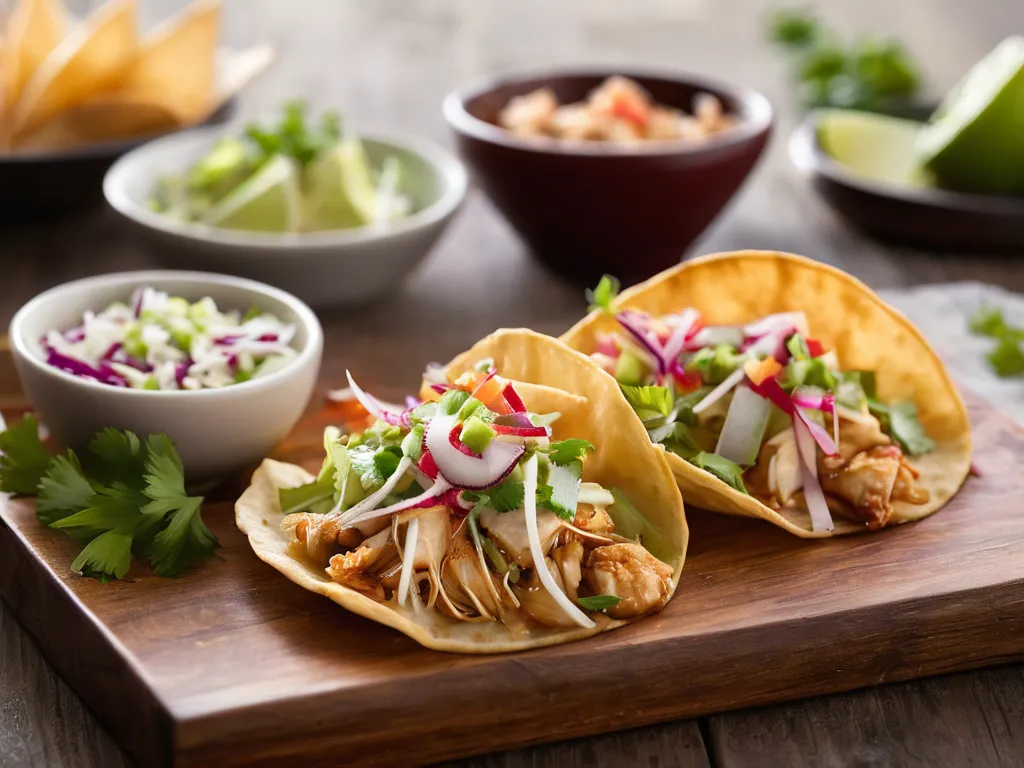
Beyond the classic plate: chopped over a romaine salad with honey mustard dressing, stuffed into a flour tortilla with coleslaw, served over rice with sliced cucumber and CFA sauce, used as a nacho topping with shredded cheese and jalapeños, or arranged on a board with four dipping sauces for a group.
Nutrition: Home vs. Restaurant
Official Chick-fil-A 8-count nuggets: 250 calories, 27g protein, 11g fat, 11g carbs. That lower count comes from commercial pressure frying, which seals the crust fast and reduces oil absorption. Home open-frying runs roughly 350–450 calories per 5-piece serving. The air fryer method closes most of that gap.
More Chick-fil-A Recipes to Try
The nuggets are the snack — add these to round out the meal:
- Copycat Chick-fil-A Chicken Sandwich — the same pickle-juice brine applied to a full breast on a toasted butter bun.
- Chick-fil-A Waffle Fries — the essential side. Double-fried to stay crispy all the way through the meal.
- Chick-fil-A Sauce — the dipping sauce the nuggets were made for. Takes 5 minutes to mix.
- Spicy Chick-fil-A Nuggets — the cayenne-and-hot-sauce version for anyone who wants real heat.
See all Chick-fil-A copycat recipes →