
Boston Market Rotisserie Chicken
Prep time: 15 minutes (plus 30 minutes resting at room temp) Cook time: 75 minutes Servings: 6 servings
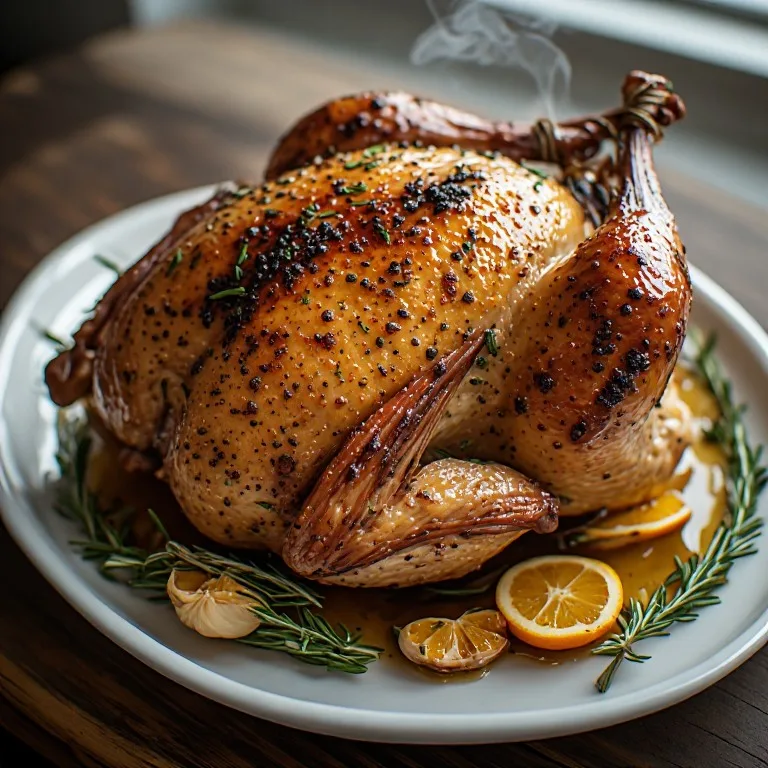
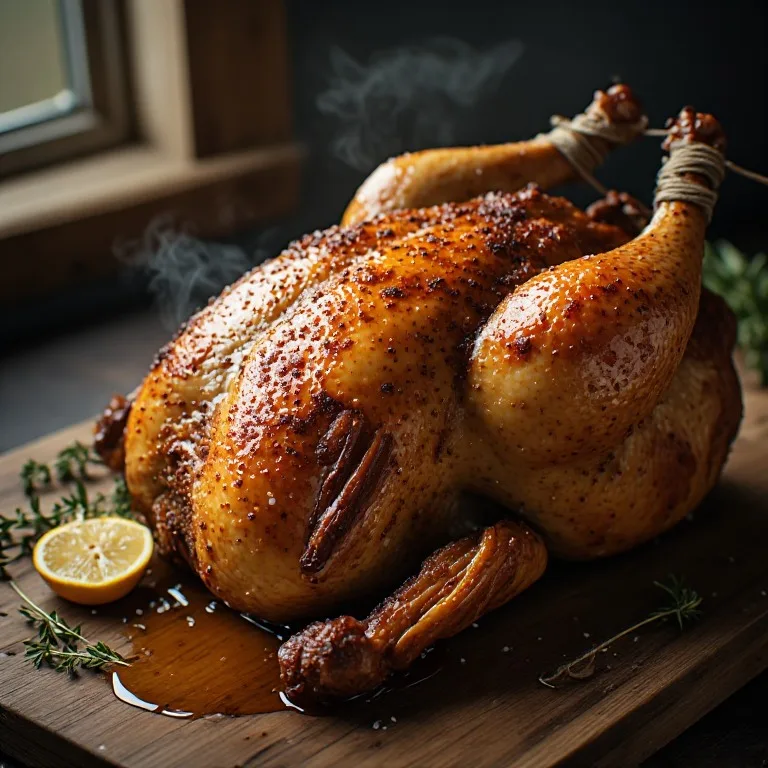
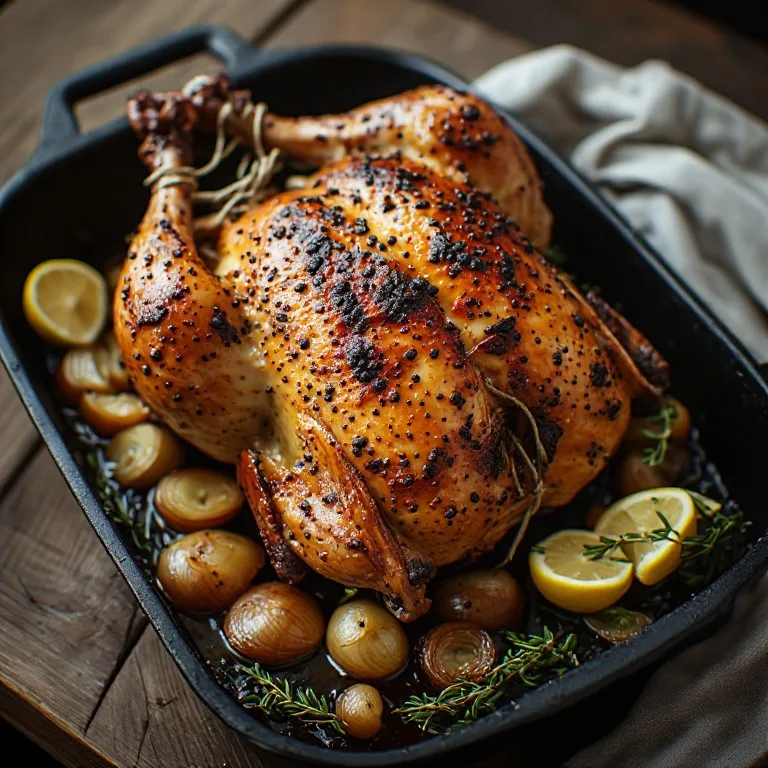
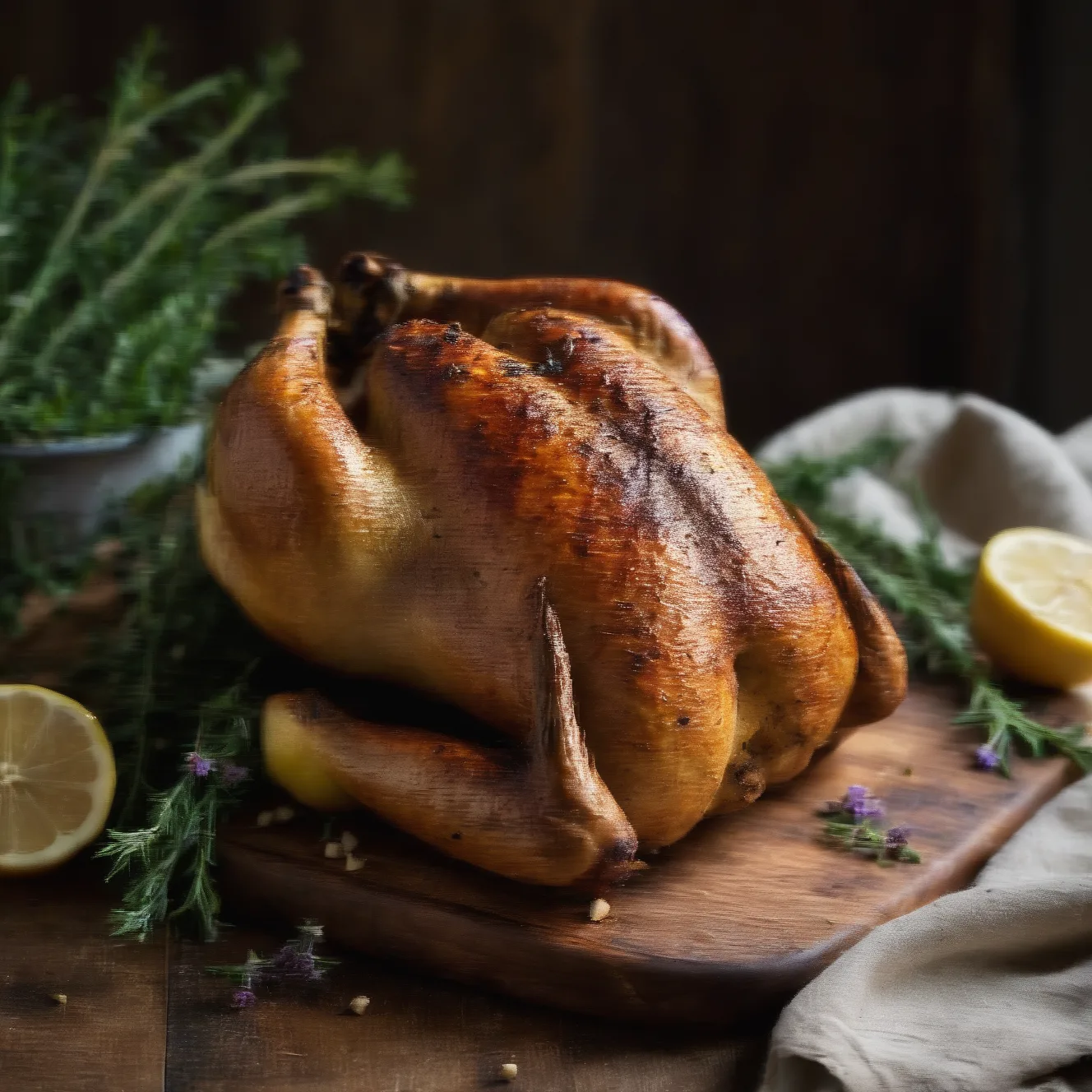
Boston Market built its entire brand around rotisserie chicken, and for good reason. Done right, it’s simple, comforting, and better than most things you can order at a sit-down restaurant. The chicken is seasoned with a straightforward herb-and-spice blend, then roasted until the skin turns golden and crackly while the meat stays impossibly juicy.
This oven-roasted version mimics the rotisserie effect by starting at high heat to crisp the skin, then dropping the temperature to cook the meat through gently. The lemon and garlic in the cavity steam from the inside and give the meat a subtle flavor.
It also earns a place in November. For a small Thanksgiving it’s a lower-stress stand-in for a turkey. For a big one, it’s an easy second main. Two birds feed a table of 12.
Why This Copycat Works
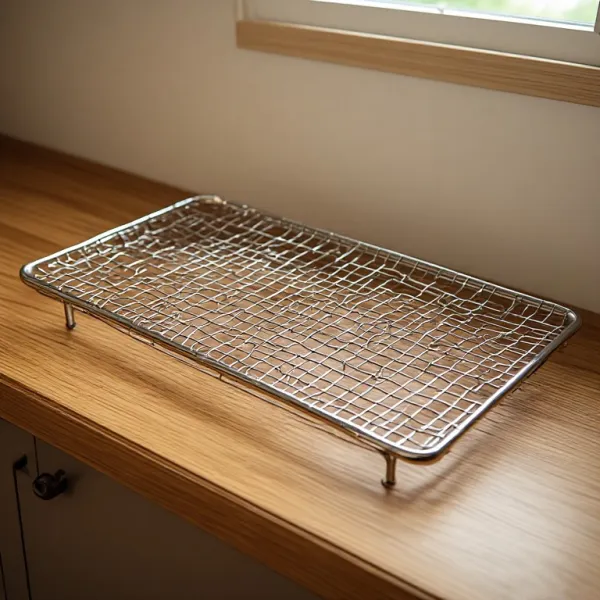
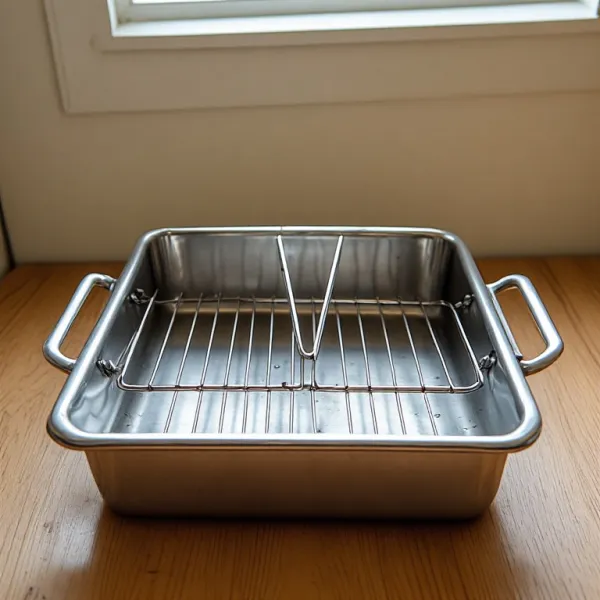
A rack stands in for the spit. A real rotisserie turns the chicken so hot air and rendering fat hit every side evenly. Setting the bird on a wire rack above the roasting pan gets you most of the way there. Air reaches the underside, and the bottom skin doesn’t sit in juices and turn soggy.
Two temperatures, two jobs. Twenty minutes at 425°F starts rendering the fat under the skin and sets the color. Dropping to 375°F for the rest lets the thighs reach temperature without drying out the breast. One temperature can’t do both well.
Paprika does the color work. Boston Market’s chicken has a deep, even golden-brown color. Paprika in the rub (plus the olive oil) gives a home oven that rotisserie color, and it adds a mild, sweet flavor without any heat.
Seasoning under the skin. Rub on the skin flavors the skin. Rub under the skin, on the breast and thighs, flavors the meat. The copycat does both, which is why the meat tastes seasoned all the way through and not just at the surface.
Keys to Perfect Roast Chicken
- Dry the skin obsessively. Moisture is the enemy of crispy skin. Pat it dry, then let it air-dry in the fridge, uncovered, for a few hours if you have time. The drier the skin, the crispier it gets.
- Season under the skin. Seasoning on top of the skin flavors the skin. Seasoning under the skin flavors the meat. Do both.
- Don’t skip the rest. Cut into a chicken straight from the oven and the juices run out onto the cutting board instead of staying in the meat. Fifteen minutes of resting makes a big difference.
Your Thanksgiving Timeline
The day before: Pat the chicken dry and apply the full seasoning blend (salt included) all over and under the skin. Set it on a rack over a plate and refrigerate it uncovered overnight. This is a dry brine, and it’s the biggest single upgrade to this recipe.
Morning of: Nothing to do. Leave the chicken in the fridge. Prep your sides.
About 2 hours before dinner: Take the chicken out and let it sit at room temperature for 30 minutes. Rub it with olive oil, stuff the lemon halves and garlic into the cavity, and tie the legs together.
About 1.5 hours before dinner: Roast at 425°F for 20 minutes, then at 375°F for 50–60 minutes, until the thickest part of the thigh reads 165°F.
While it rests (15 minutes): This is the moment to finish the sides. Pour the pan juices into a measuring cup, skim the fat, and use the juices for gravy or drizzle them over the carved meat. With the oven free, raise it to 375°F and bake rolls.
Cooking alongside a turkey? If your oven fits both, you can roast the chicken with the turkey at the turkey’s lower temperature. It will take noticeably longer than 75 minutes, so rely on the thermometer. Give the chicken 5–10 minutes at 425°F on its own once the turkey comes out to re-crisp the skin.
Scale It for 12
Plan on two chickens for 12 people when there’s a full spread of sides. Roasting time per bird stays about the same. You’re not cooking one giant thing, just two normal ones in the same oven.
| Ingredient | 1 chicken (serves 6) | 2 chickens (serves 12) |
|---|---|---|
| Whole chicken (4–5 lb) | 1 | 2 |
| Olive oil | 2 tablespoons | 4 tablespoons |
| Kosher salt | 1 tablespoon | 2 tablespoons |
| Black pepper | 1 teaspoon | 2 teaspoons |
| Paprika | 1 teaspoon | 2 teaspoons |
| Garlic powder | 1 teaspoon | 2 teaspoons |
| Onion powder | 1/2 teaspoon | 1 teaspoon |
| Dried thyme | 1/2 teaspoon | 1 teaspoon |
| Dried rosemary, crushed | 1/2 teaspoon | 1 teaspoon |
| Cayenne pepper | 1/4 teaspoon | 1/2 teaspoon |
| Lemon | 1 | 2 |
| Garlic cloves, smashed | 4 | 8 |
Two-bird logistics: Use one large roasting pan with a rack if both birds fit with an inch or two of space between them. Otherwise use two rimmed sheet pans fitted with cooling racks, on the same oven rack if possible. Crowding traps steam and softens the skin. If you have to use two oven racks, swap the pans halfway through. Check the thigh of each bird separately, because they won’t finish at exactly the same moment.
Storage and Reheating
Refrigerator: Refrigerate leftovers within 2 hours. Carved meat keeps 3–4 days in an airtight container.
Reheating: Put the pieces in a baking dish, add a few tablespoons of broth, cover with foil, and warm at 350°F until heated through, about 15–20 minutes for a dish of pieces. Uncover for the last few minutes if you want to re-crisp the skin.
Freezer: Pull the meat off the bone and freeze it in bags with the air pressed out for up to about 3 months. It’s ideal for soups, pot pies and chicken salad. Thaw it in the refrigerator.
Don’t throw out the carcass. Simmer it with an onion, a carrot and a celery stalk in water for 2–3 hours for a rich stock. It’s useful for the Thanksgiving gravy or next week’s soup.
Common Mistakes
- Roasting a wet bird. Any water left on the skin has to steam off before browning can start. Pat it dry, then pat it dry again.
- Skipping the rack. A chicken sitting flat in the pan stews in its own juices, and the underside comes out pale and flabby.
- Guessing doneness. Cooking times vary with bird size and oven. An instant-read thermometer in the thickest part of the thigh, not touching bone, is the only reliable test. Pull it at 165°F.
- Carving right away. Give it the full 15 minutes under loose foil. Tenting tightly traps steam and softens the skin you worked for.
- Under-salting. A tablespoon of kosher salt for a 4–5 lb bird looks like a lot. It isn’t. Most of it seasons the meat, not just the surface.
Boston Market vs. Homemade
A whole rotisserie chicken at Boston Market typically costs more than a raw whole chicken from the grocery store, which runs about $6–9, and the seasonings are pantry staples. The home version is cheaper, and you control the seasoning and the doneness. At Thanksgiving scale, two home-roasted birds for 12 cost a fraction of a catered holiday main.
Complete the Boston Market Plate
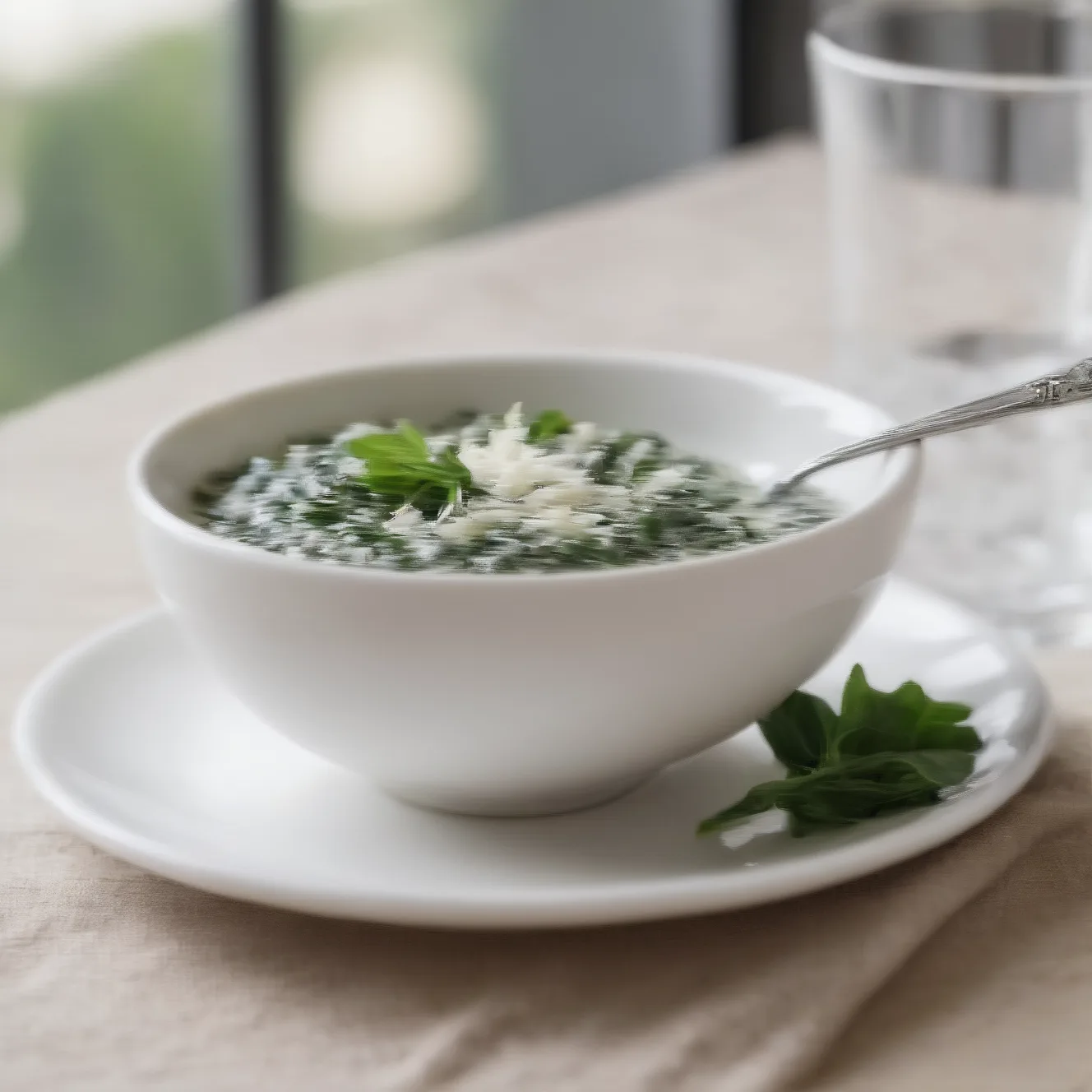
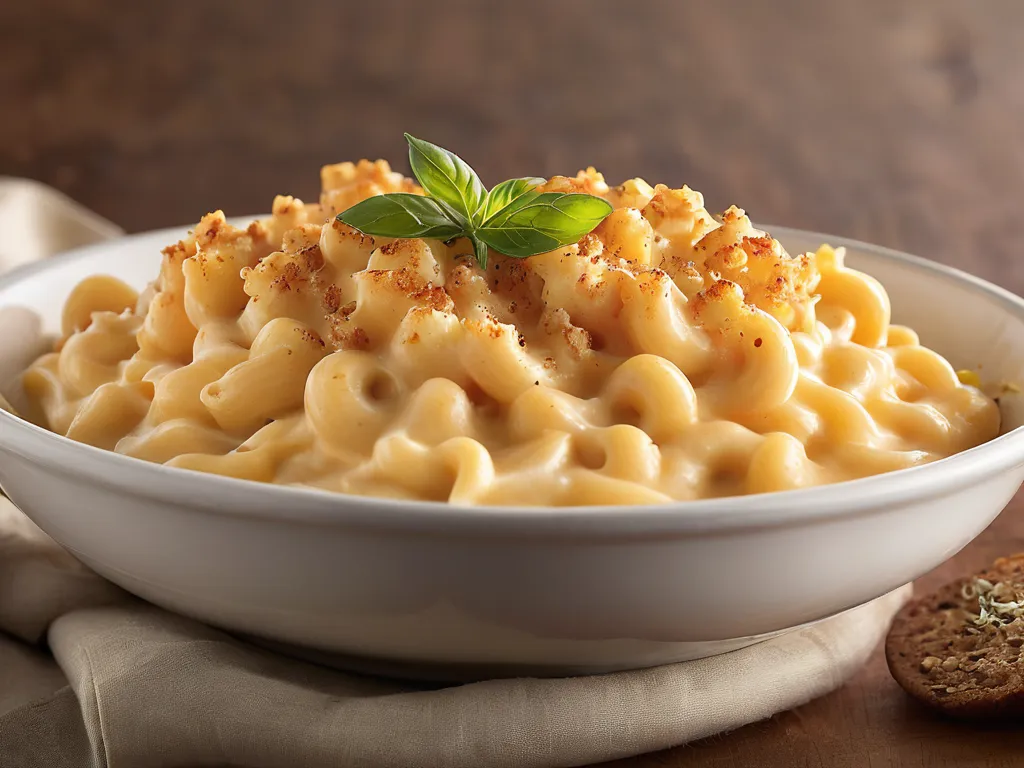
Boston Market’s sides are half the appeal, so round out the meal with Boston Market Mac and Cheese and Boston Market Creamed Spinach. For a full holiday table, add Golden Corral Yeast Rolls, Bob Evans Mashed Potatoes, and Cracker Barrel Cornbread Dressing.