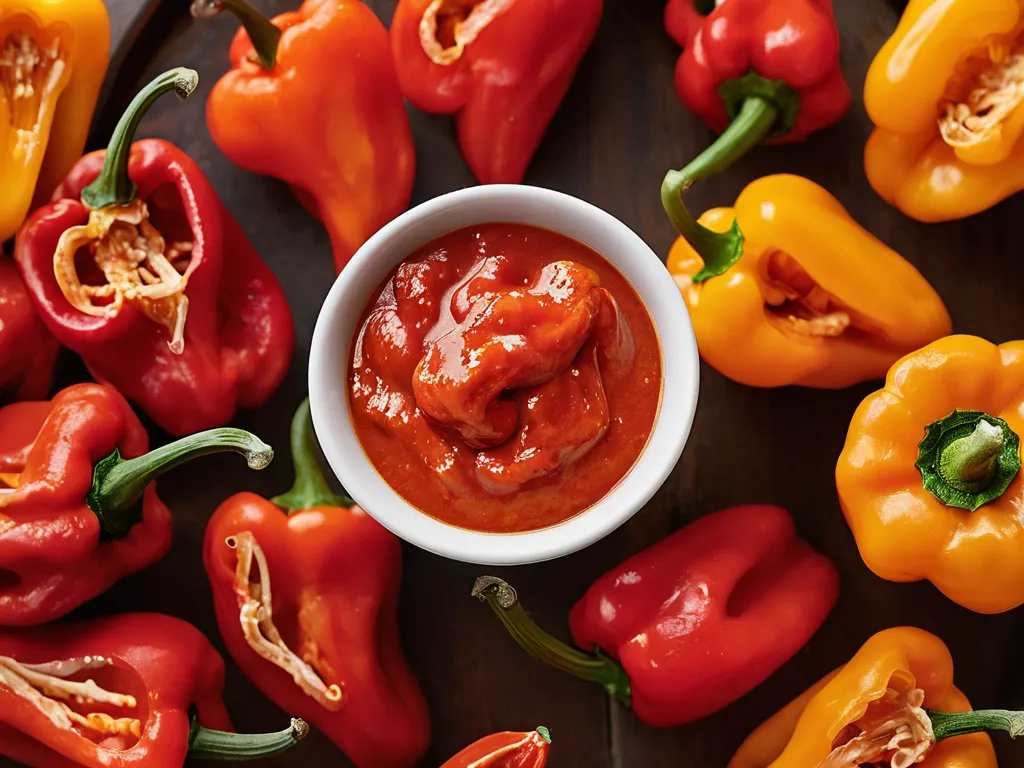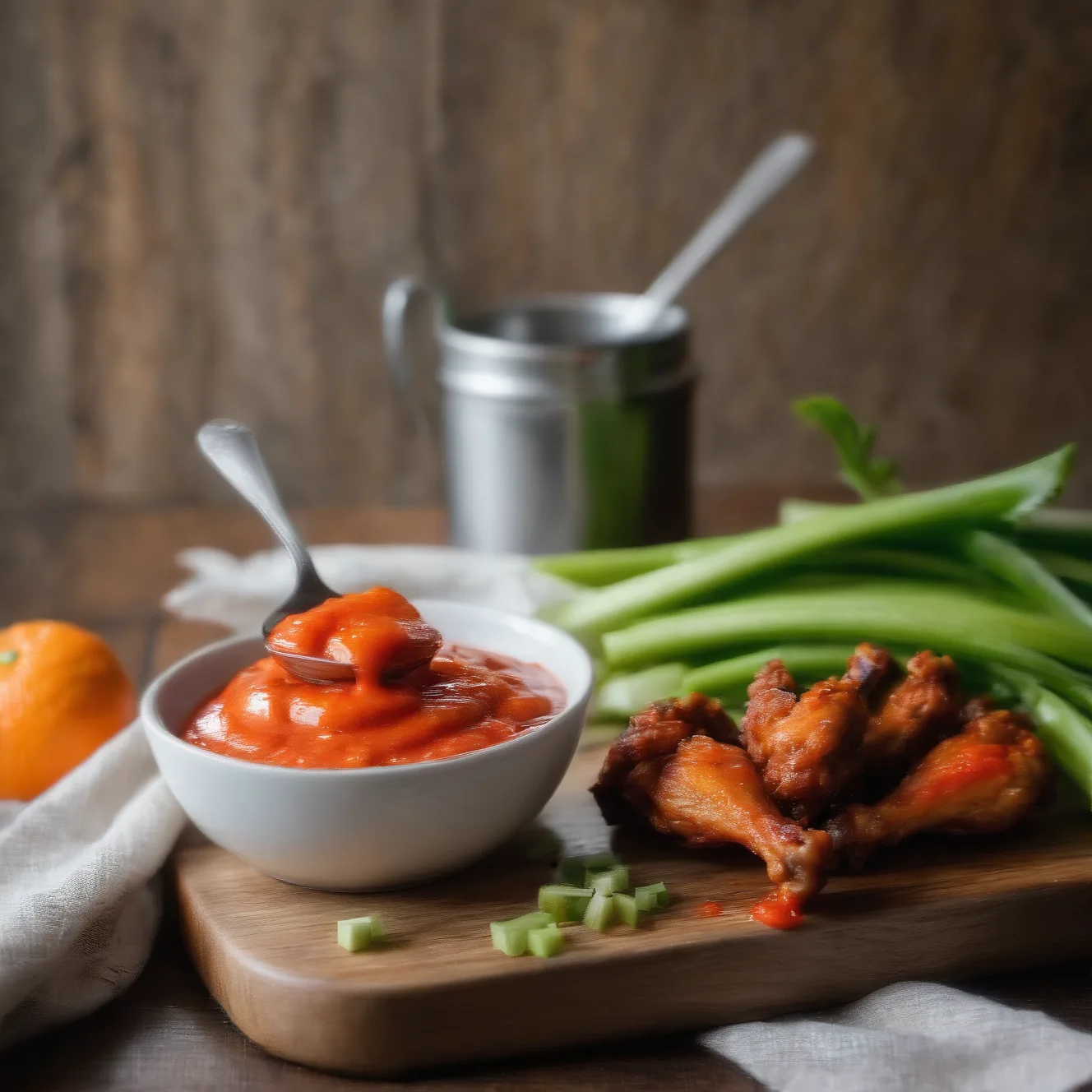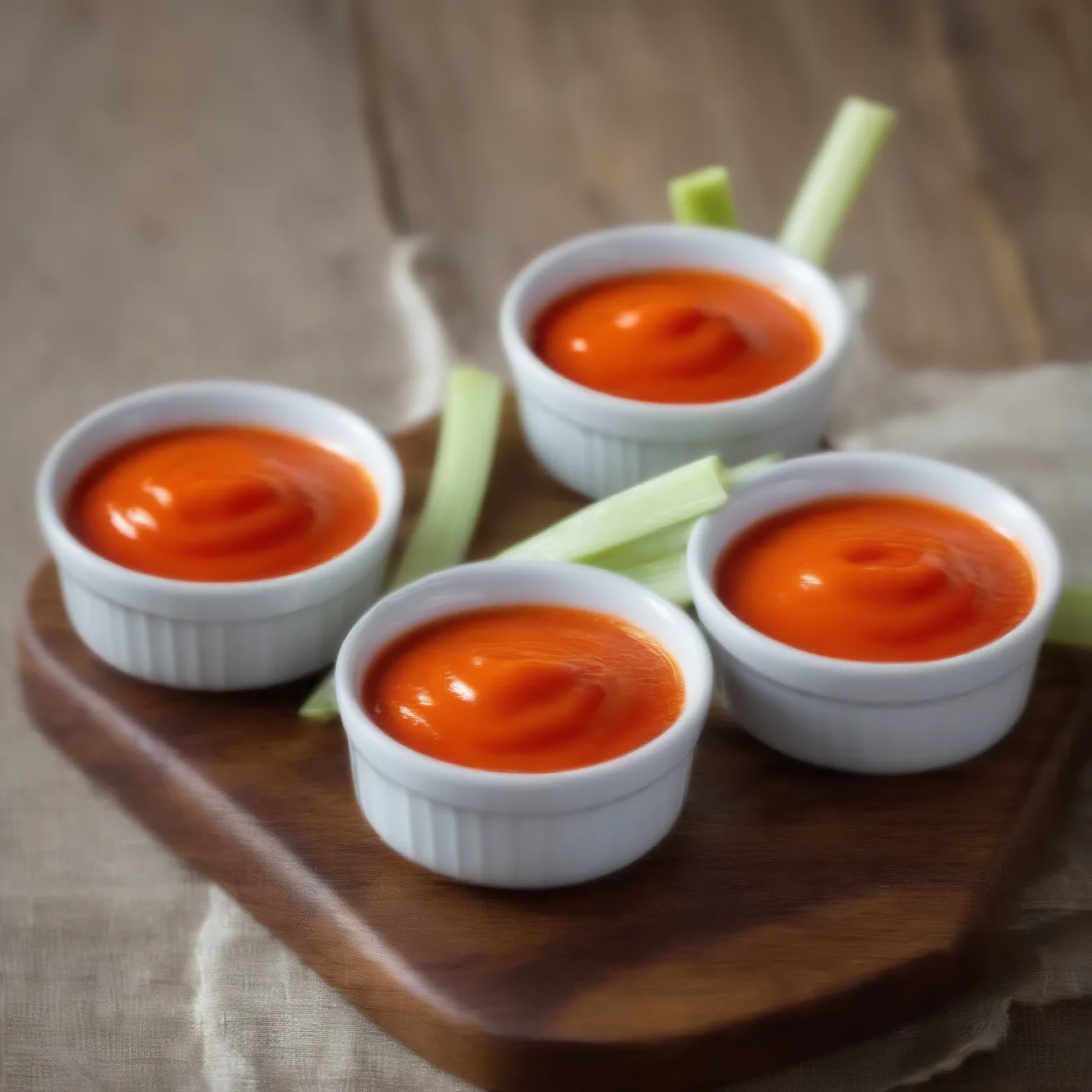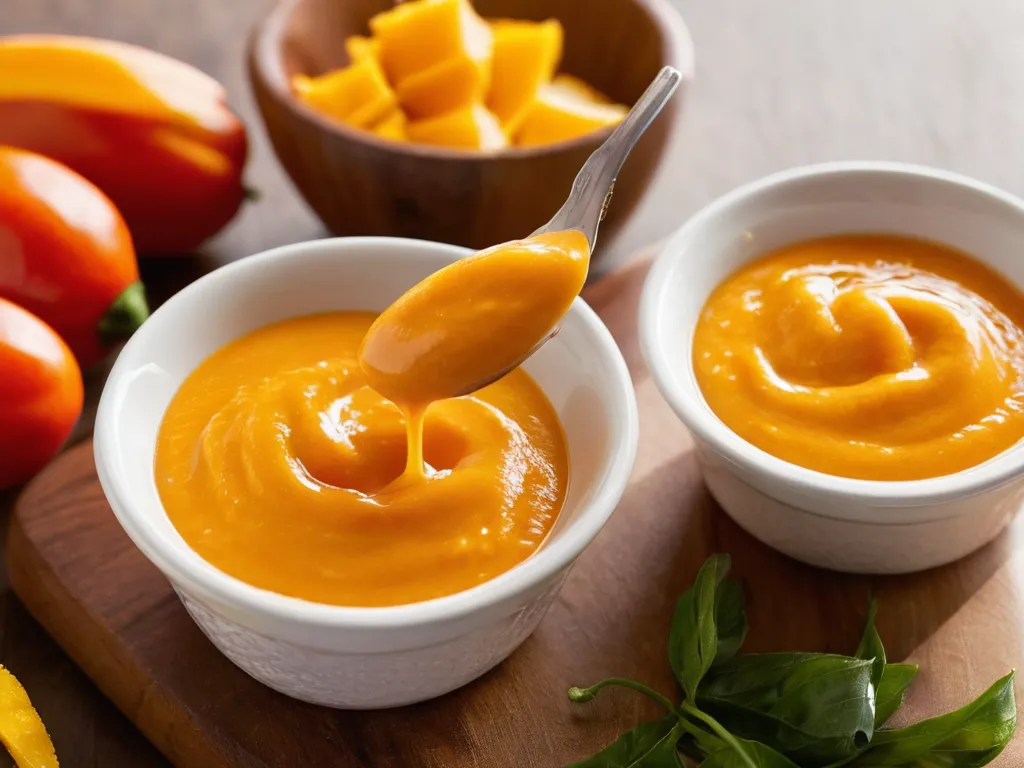
Copycat Buffalo Wild Wings Mango Habanero Sauce
Buffalo Wild Wings Mango Habanero is one of the most requested wing sauces in America, and for a specific reason: it tricks you. You taste tropical sweetness first — mango, bright and fruity — then the habanero heat arrives and keeps building for the next 30 seconds. It’s the classic “one more wing” trap.
This copycat delivers that same sweet-then-escalating heat at home for about $4 a batch — enough sauce to coat 2–3 pounds of wings, compared to $15+ for 10 wings at the restaurant.
Where Mango Habanero Falls on BWW’s Heat Scale
BWW organizes their sauces on a heat spectrum. Mango Habanero sits at number three from the top:
Hotter than Mango Habanero: Wild, Blazin’ Knockout (ghost + scorpion peppers, 200,000–350,000 SHU)
Mango Habanero: ~50,000–70,000 SHU — but tastes milder due to mango sugar buffering capsaicin
Milder than Mango Habanero: Hot, Medium, Asian Zing, Honey BBQ, Garlic Parmesan, Mild, Parmesan Garlic
This makes Mango Habanero the sweet spot for people who want real heat without crossing into pain-sport territory. The mango’s natural sugars genuinely reduce perceived heat — this isn’t marketing language. Capsaicin binds to taste receptors, and sugars activate competing receptors that partially override the burn signal.
Why This Sauce Works
Three elements make Mango Habanero distinctive:
Mango as the base, not just a flavor note. Real mango puree is the structural foundation of the sauce — not a flavoring added to a vinegar-hot sauce base. The thick, smooth puree gives the sauce body and natural sweetness without relying entirely on added sugar.
Habanero’s fruity, floral heat. Habaneros don’t just add heat — they add a distinct fruity, almost citrusy flavor that cayenne-based sauces don’t have. The flavor is part of the identity. This is why substituting cayenne completely changes the character of the sauce.
Cornstarch for coating. The cornstarch slurry does two things: it thickens the sauce to a glossy, clingy consistency, and it creates a slightly starchy coat that helps the sauce grip the wing skin instead of pooling at the bottom of the bowl.
What Most Copycat Recipes Miss
Most homemade versions are too thin and one-dimensionally sweet. The fixes:
Use both honey and corn syrup. The restaurant version uses corn syrup alongside other sweeteners. Corn syrup adds neutral body and a high-gloss finish that honey alone doesn’t produce. Honey adds flavor but creates a slightly cloudy, less clingy sauce.
Don’t skip the vinegar. Distilled white vinegar is in the original recipe. It provides the sharp acidic cut that prevents the sauce from being cloying — sweet sauces without acid taste flat and heavy. Rice vinegar works but is milder; distilled white vinegar is closer to the restaurant’s bite.
Add a splash of habanero hot sauce. Fresh habanero delivers heat up front. Habanero hot sauce (like El Yucateco) delivers heat that builds and lingers. Layering both creates the complex, escalating burn BWW achieves — one source alone makes the heat feel either immediate-and-done or slow-and-one-note.
Let the sauce cool before tossing. Sauce at 200°F slides off wings. At 150–160°F, the cornstarch sets slightly and grips the surface. 5 minutes off heat makes the difference between sauced wings and wet wings.
Cost Breakdown
| Option | Approximate cost |
|---|---|
| BWW — 10 traditional wings tossed in Mango Habanero | ~$15.49 |
| Homemade — full sauce batch (no wings) | ~$3–4 |
| Homemade — full wing night (2–3 lbs wings + sauce) | ~$10–12 |
The sauce itself costs roughly $3–4 total and coats 2–3 pounds of wings. Two pounds of grocery-store chicken wings run $6–8, so a full home wing night lands around $10–12 — versus $35+ at the restaurant for the same amount of food. Prices vary by region; BWW’s 10-count traditional wings average about $15.49 nationally.
Variations
Milder version: Use only 1 habanero with seeds fully removed. The sauce still has notable heat from the remaining pepper oils, but it becomes accessible to heat-sensitive eaters. The mango flavor comes through more prominently.
BWW-level heat: Keep both habaneros unseeded. Add 1–2 teaspoons of habanero hot sauce at the end for the characteristic BWW heat build.
Smoky mango habanero: Add 1 chipotle pepper in adobo sauce alongside the habaneros. The smokiness adds a new dimension that makes this work as a marinade for grilled salmon or pork tenderloin.
Mango habanero glaze: Simmer an additional 5 minutes after thickening to reduce it further into a syrup-like glaze. Brush onto chicken thighs or salmon during the last 5 minutes of grilling.
Other uses: This sauce isn’t just for wings. It works as a dipping sauce for shrimp, a glaze for grilled pork, a drizzle on breakfast tacos, or a spicy addition to grain bowls.
Storage & Reheating
Store in a sealed jar in the refrigerator for up to 2 weeks. The vinegar acts as a natural preservative. Unlike cream-based sauces, this one freezes well — store in a freezer-safe container for up to 3 months. Thaw in the refrigerator overnight.
To reheat, warm gently in a small saucepan over low heat or microwave in 30-second intervals, stirring between each. The sauce may thicken further in the refrigerator — if it seems too thick, whisk in a teaspoon of warm water before tossing with wings.
More BWW Copycat Sauces
- Copycat Buffalo Wild Wings Asian Zing Sauce — the sweet-and-tangy alternative with less heat than Mango Habanero
- Copycat Buffalo Wild Wings Blazin’ Sauce — ghost pepper heat for when Mango Habanero isn’t enough
- Copycat Buffalo Wild Wings Garlic Parmesan Sauce — the rich, mild sauce on the opposite end of the spectrum