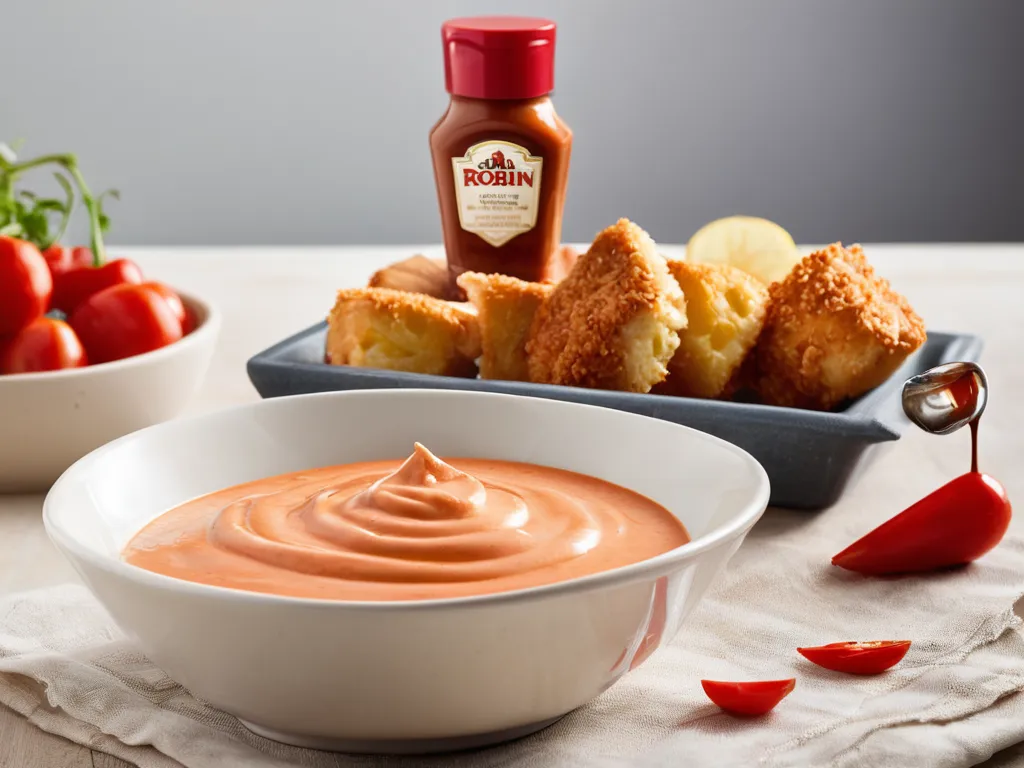
Red Robin’s Campfire Sauce is the reason people keep ordering bottomless fries long after they’re full. It’s smoky, creamy, slightly sweet, and just enough heat to keep you dipping — the kind of sauce you find yourself eating with a spoon before the food even arrives. This copycat takes 5 minutes.
What Campfire Sauce Actually Is
At its core, Campfire Sauce is a mayo-and-BBQ hybrid — but the ratio and the BBQ sauce choice are where you set its personality. Think of it as a creamy mayo base sweetened and colored by BBQ sauce, then lifted with chipotle smoke and smoked paprika. It’s not a BBQ sauce. It’s not a spicy mayo. It’s its own thing — the same “creamy base plus a flavor agent” idea behind a Big Mac Sauce or In-N-Out’s spread, just built around BBQ and chipotle instead of relish and ketchup.
Copycat recipes range anywhere from 1:1 mayo to BBQ (bolder, more BBQ-forward) up to about 4:1 (creamy and mild, with the smoke coming mostly from the chipotle). A 2:1 ratio — 1/2 cup mayo to 1/4 cup BBQ sauce — is a reliable middle ground and the version this recipe uses. Adjust from there to taste.
The sauce is also sold bottled at grocery stores and on Amazon as “Red Robin Camp Fire Sauce” — worth grabbing once to calibrate your palate against the original before tweaking the recipe.
The BBQ Sauce Choice Sets the Direction
This is the one decision that shapes the whole sauce, and copycat recipes genuinely split on it — so pick based on the result you want.
A hickory-smoked BBQ sauce gives a bolder, more barbecue-forward sauce where the smoke comes from the BBQ base itself. Plenty of popular Campfire copycats use exactly this and love it. A sweet, mild Kansas City-style sauce — Sweet Baby Ray’s Original is the easy benchmark — keeps the BBQ in the background and lets the chipotle and smoked paprika do the smoky lifting, for a creamier, more balanced sauce. Neither is wrong; they’re two valid directions.
What nearly every version agrees on is the chipotle. That’s the non-negotiable ingredient — it’s where the signature smoky edge comes from regardless of which BBQ sauce you choose. If you’re using a very smoky BBQ sauce, start with a little less of it (and a little less chipotle) so the two sources of smoke don’t pile up.
Chipotle Powder vs. Peppers in Adobo
Either works, but they behave differently:
Chipotle powder is the easier option — you control the intensity precisely, it distributes evenly, and the smoke-to-heat ratio is consistent. Start with 1/2 teaspoon and taste before adding more.
Chipotle peppers in adobo (canned) add more complexity — the peppers bring deep, fruity smoke while the adobo sauce adds a slight fermented tang. Mince 1 teaspoon of the pepper itself (not the adobo sauce) very finely. The adobo sauce is vinegar-forward and will shift the sauce tangier if you use too much of it.
In both cases: go light. Once you’ve oversalted something you can’t unsalt it, and same logic applies to chipotle — too much kills the balance and makes the sauce taste harsh instead of smoky.
The 20-Minute Rest Is Not Optional
Every sauce has a raw moment — when you’ve just made it and the garlic is sharp, the chipotle is raw, the Dijon is aggressive. This sauce needs 20–30 minutes in the refrigerator for those flavors to soften and blend into something cohesive. The difference between the just-made version and the rested version is significant enough that you should always make it ahead when serving guests.
If you taste it right after mixing and it seems off, check again after the rest before making adjustments — it will have changed.
Adjusting to Taste
This recipe lands at mild-to-medium smokiness and very low heat. Easy to customize:
- More heat: Add 1/4 teaspoon more chipotle powder, or a dash of cayenne.
- More smoke: Add another pinch of smoked paprika (regular paprika won’t substitute — the smoked version is essential).
- Sweeter: Add 1 teaspoon of honey. Some versions include it; it plays nicely against the chipotle.
- More tang: A small squeeze of lemon juice or a splash more Dijon.
- Thinner consistency (for drizzling): A teaspoon of water or lemon juice, whisked in.
What to Put Campfire Sauce On
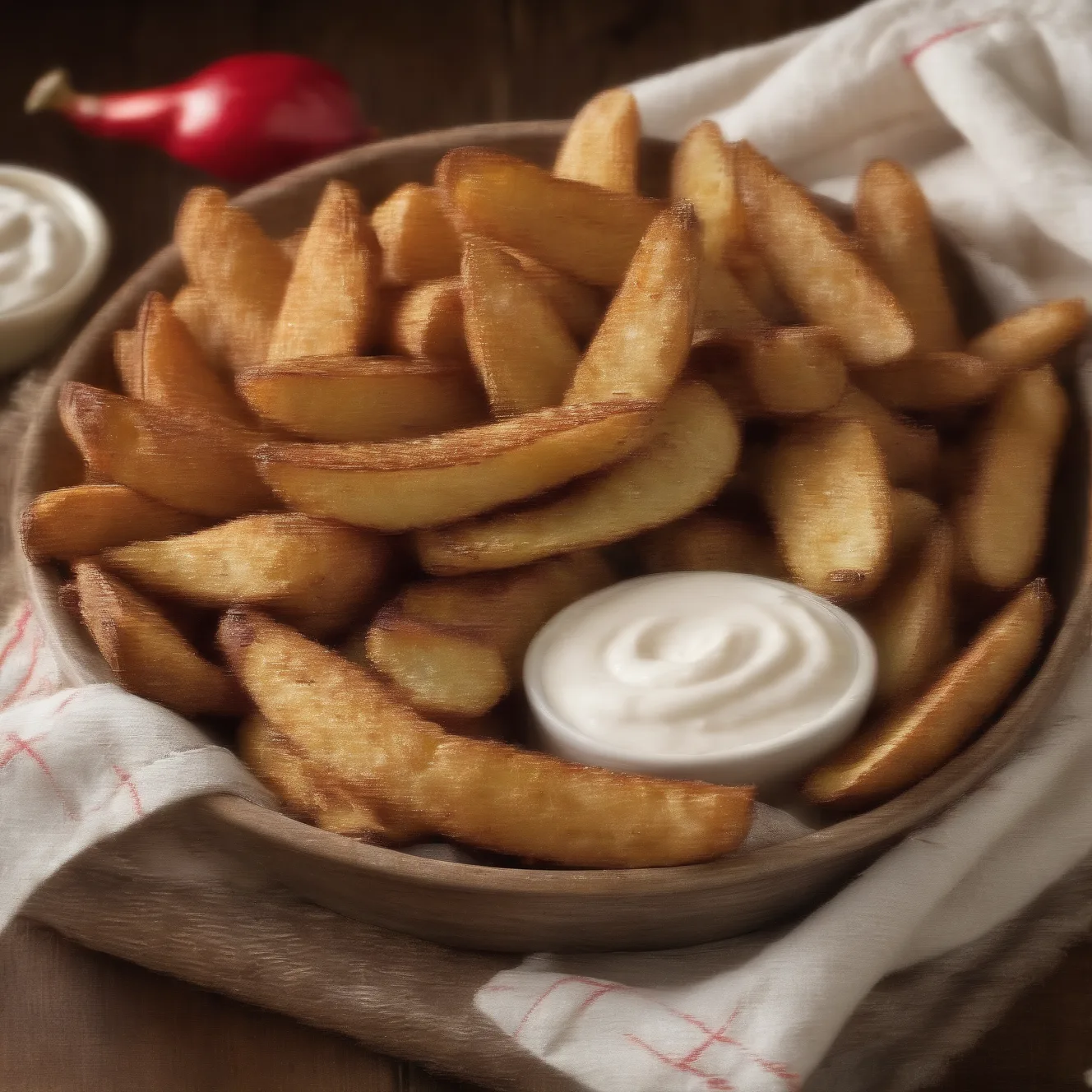
At Red Robin it’s the default dipping sauce for bottomless steak fries and onion rings, and it appears on a few signature burgers. At home, the range is wide:
- Dipping: Fries (regular or sweet potato), onion rings, chicken tenders, fried pickles, mozzarella sticks
- Spread: On burgers and chicken sandwiches — apply to both bun halves
- Drizzle: Over baked potatoes, loaded fries, nachos
- Mixed in: Stir a spoonful into ground beef before forming patties; mix into mayo for a potato salad dressing; use as the sauce layer in a wrap instead of plain mayo
The sauce also works remarkably well on breakfast — as a dip for hash browns, or spread on a breakfast sandwich in place of ketchup.
Storage
Refrigerate in an airtight jar for up to 2 weeks. The sauce actually improves over the first 24 hours as the flavors fully meld. Give it a stir before using after it’s been sitting. Do not freeze — mayo-based sauces separate when thawed and don’t recover.