Copycat Chili’s White Spinach Queso
Prep time: 10 min Cook time: 15 min Servings: 4
Note: Chili’s removed White Spinach Queso from their menu in October 2025 as part of a broader menu overhaul, and it has not returned. This copycat recipe is how to keep making it at home.
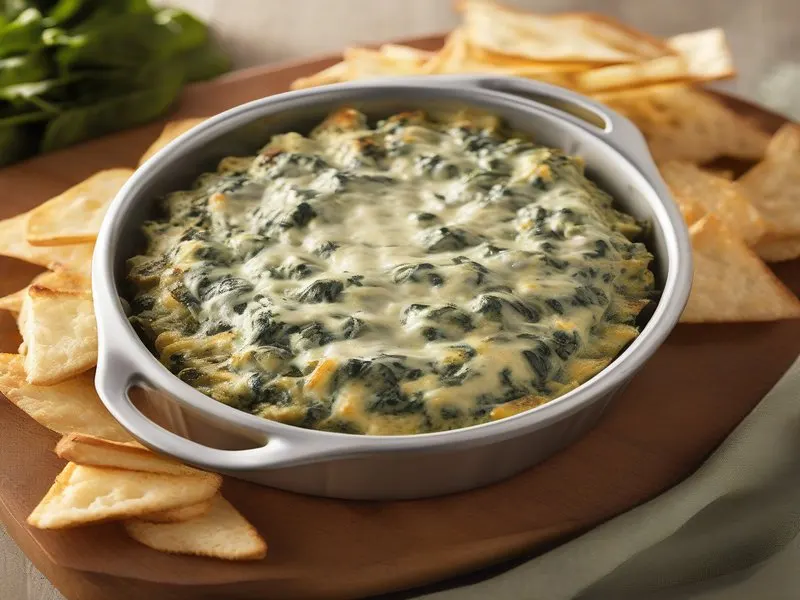
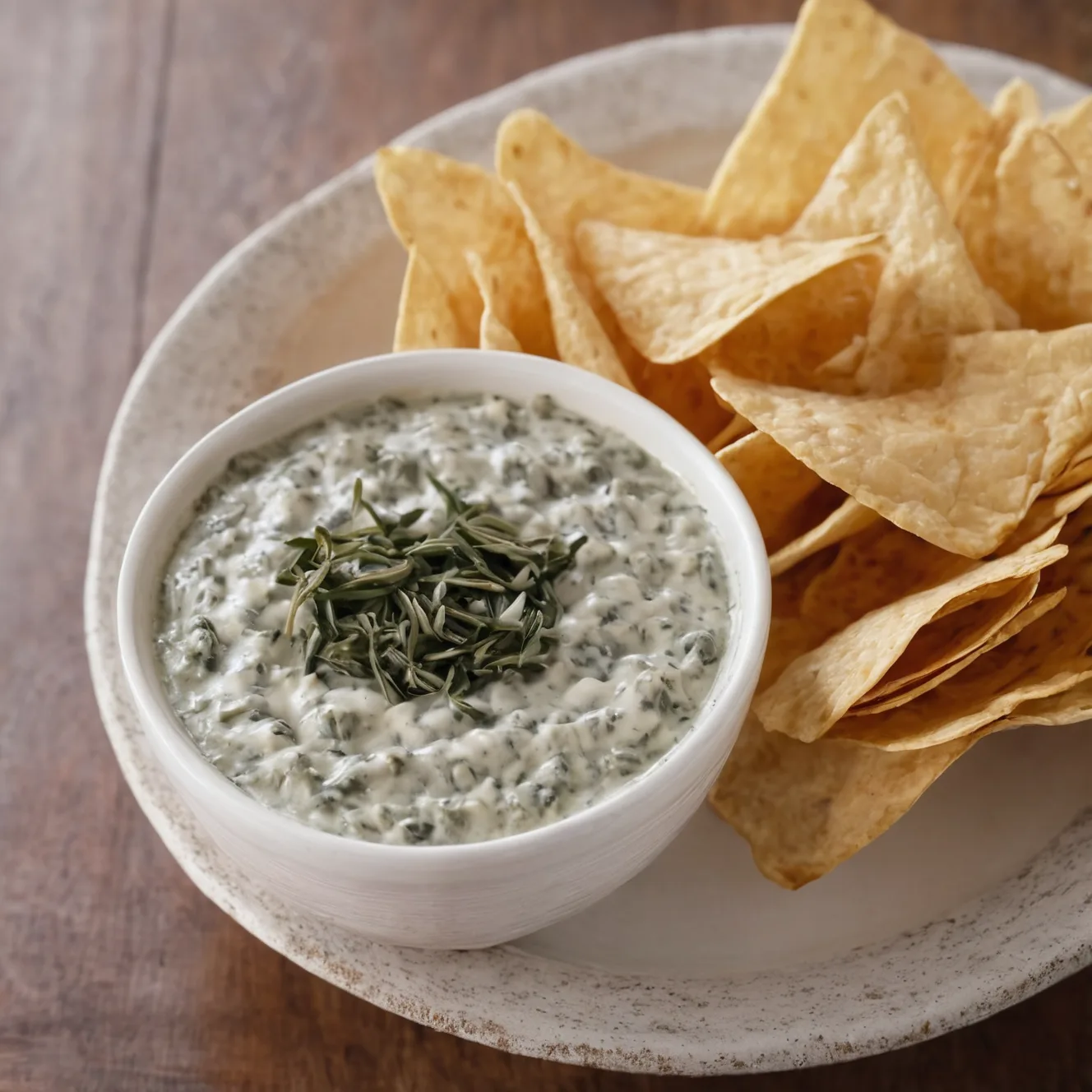
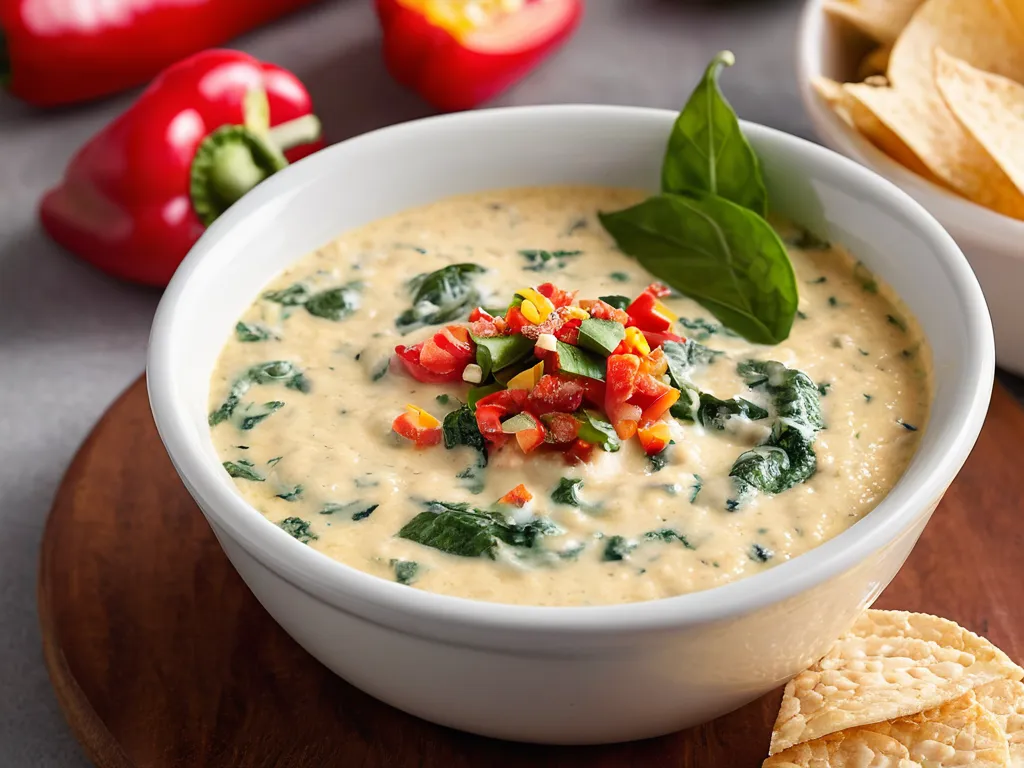
Chili’s White Spinach Queso was the appetizer that disappeared before the entrees arrived. It’s creamy, slightly spicy, and packed with pockets of spinach and roasted red pepper that make it feel a step above standard queso. The white cheese base gives it a milder, smoother profile than the yellow Velveeta-style dips most people default to at home.
This recipe takes about 25 minutes from start to finish, most of which is just melting cheese and stirring. There’s no roux, no baking, and no complicated technique. If you can stir a pot, you can make this queso.
The key to getting it right is using white American cheese as the base. It melts into a perfectly smooth, glossy sauce without any graininess. Monterey Jack adds flavor depth, and cream cheese contributes body and richness. Together, these three cheeses replicate the exact texture Chili’s achieves.
Why Make It at Home?
Now that White Spinach Queso is off the Chili’s menu, this recipe is the only way to get it. An order used to cost $11.49 and served maybe two people with the portion they gave you. This recipe makes a generous batch for four — or a very generous batch for two — for about $7 total. White American cheese from the deli counter runs $3-4 for a half pound, cream cheese is $2, and the rest are pantry staples you likely already have.
Making it at home also means unlimited chips and the ability to adjust heat and spinach quantity to your taste — something you couldn’t do at the restaurant.
What Makes Chili’s White Spinach Queso So Good
The three-cheese combination is what sets this apart from basic queso recipes. White American cheese is the unsung hero — it contains sodium citrate, which is an emulsifying salt that keeps the cheese smooth and prevents it from breaking or getting oily. This is the same trick high-end cheesemakers use for perfectly smooth cheese sauces. Without it, melted cheese tends to clump and separate when mixed with liquid.
Monterey Jack brings actual cheese flavor to the party. American cheese melts beautifully but tastes fairly neutral on its own. The Jack adds a buttery, slightly tangy note that gives the queso character. Cream cheese rounds everything out with richness and a thick, dippable consistency.
The spinach and roasted red peppers aren’t just garnish — they provide texture contrast and small flavor bursts in every bite. Squeezing the spinach dry is a critical step. Waterlogged spinach will thin out the queso and make it watery within minutes. Take the time to wring it thoroughly in a towel, even if it seems dry enough after thawing.
The jalapeno adds gentle heat without overwhelming the cheese flavor. Seeding it removes most of the capsaicin, leaving just enough warmth to keep things interesting. For a spicier version, leave some seeds in or add a second pepper.
Tips & Variations
-
Keep the heat low. High heat causes cheese to seize up and turn stringy. Patience on low heat yields a silky, pourable queso every time.
-
Add the cheese gradually. Dumping all the cheese in at once creates clumps. Add it in small handfuls, stirring each addition until melted before adding more.
-
Make it a meal. Spoon the queso over grilled chicken, roasted potatoes, or steamed broccoli for a quick dinner. It works as a sauce just as well as a dip.
-
Add chorizo. Brown 6 oz of Mexican chorizo and fold it in with the spinach for a meatier version that works as a main course dip.
-
Thin it out. If the queso gets too thick, stir in warm milk a tablespoon at a time until it reaches your preferred consistency. Cold milk will shock the cheese and create lumps.
Storage & Reheating
Store leftover queso in an airtight container in the fridge for up to 3 days. It will solidify into a thick, paste-like consistency as it cools — this is normal and expected with real cheese dips.
Reheat on the stovetop over low heat, adding a splash of milk and stirring constantly until smooth and warm. This takes 5-7 minutes and produces the best results. Microwave reheating works but requires frequent stirring — heat in 30-second intervals, stirring between each, to prevent hot spots from breaking the cheese. Do not freeze this queso. The emulsion breaks during freezing and thawing, resulting in a grainy, separated texture that no amount of stirring will fix.