Pin It

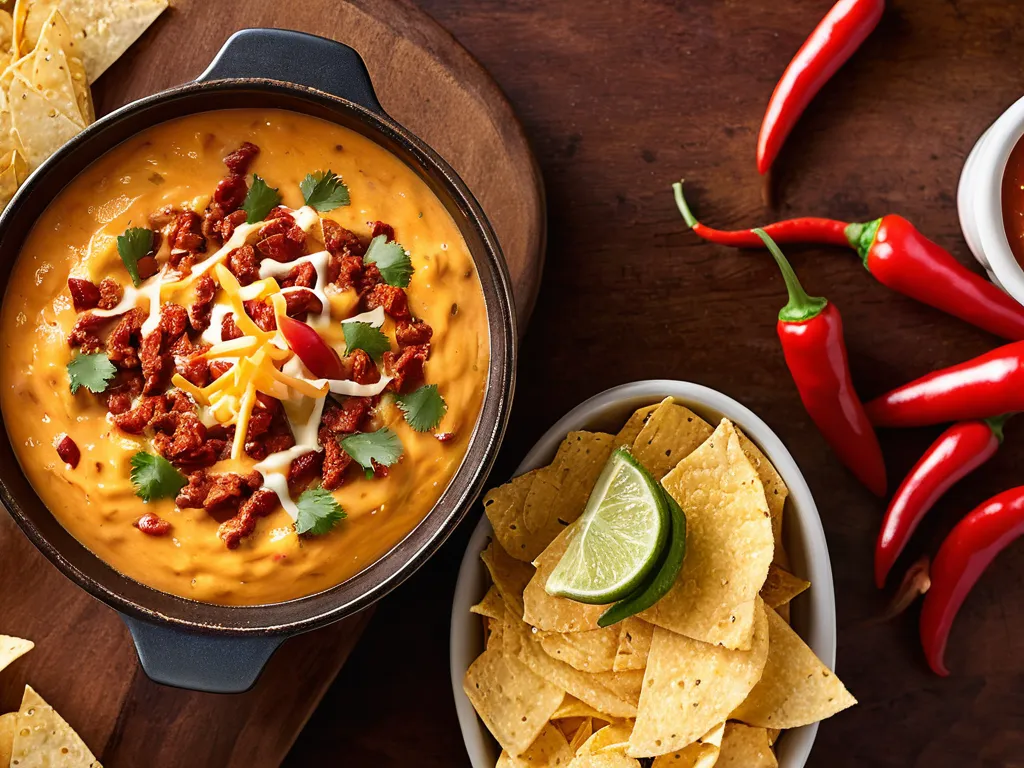
Copycat Chili's Skillet Queso

Copycat Chili's Skillet Queso
Jump to Recipe
Prep 10 min Cook 15 min Serves 6
Quick answer: Chili's Skillet Queso is a creamy béchamel-based cheese dip made with sharp cheddar, Monterey Jack, and pepper jack in a roux of butter, flour, whole milk, and heavy cream, seasoned with chipotle peppers in adobo, cumin, and smoked paprika. Adding shredded cheese gradually over low heat — never all at once — prevents the sauce from seizing or turning grainy. Takes 25 minutes; serves 6.
Copycat Chili's Skillet Queso

Copycat Chili's Skillet Queso

Make Chili's famous skillet queso at home — creamy melted cheese blend with smoky chipotle, perfect for dipping chips or topping nachos.

Easy Prep: 10 min Cook: 15 min Total: 25 min6 servings ~$4.50/serving
Prep10 min
Cook15 min
Total25 min
Servings
6
At home~$4.50/serving
vs
Restaurant~$20.25/serving
You save ~78%

Ingredients

Instructions

💡
Pro tip: This recipe tastes even better the next day. The flavors need time to meld together in the fridge.
❄️
Storage: Keeps in an airtight container in the fridge for up to 2 weeks. Freezer-friendly for up to 3 months.
~250-450 cal/serving · Rich & Indulgent🔥

The Story Behind the Recipe

Chili’s Skillet Queso has the kind of devoted following that inspires table orders before anyone even looks at the rest of the menu. The appeal is a specific texture — creamy enough to coat a chip cleanly without being runny, with a smoky chipotle heat that sneaks up gradually. This recipe nails that texture using real cheese and a classic roux rather than processed cheese — a little more technique, noticeably more flavor.

Why This Recipe Works

The roux is the stabilizer. A roux (butter + flour cooked together) creates a stable starchy base that holds the cheese emulsion together even at the heat that melting requires. Without it, a real-cheese sauce seizes or breaks — the fats and proteins separate on contact with heat. This is why processed cheese seems foolproof: it contains sodium citrate, which does the same stabilizing job chemically. The roux gives you that same stability using pantry staples.

Three cheeses, three jobs. Sharp cheddar (2 cups) does the flavor work — aged and pungent, it provides the “cheese” identity of the dip. Monterey Jack (1.5 cups) does the melt work — its low-acid, high-moisture profile produces the silky, pull-free melt that keeps the dip smooth. Pepper jack (0.5 cup) handles the heat — it adds a clean jalapeño warmth that runs through every bite.

Chipotle in adobo is not optional. The smoky-sweet depth of chipotle peppers in adobo sauce is what distinguishes this queso from a generic cheese dip. Regular hot sauce, fresh jalapeño, or cayenne don’t replicate the smokiness — they add heat without dimension. One tablespoon is the starting point; taste and adjust.

Freshly shredded cheese, always. Pre-shredded cheese from bags is coated in anti-caking agents (usually cellulose or potato starch). These agents prevent clumping in the bag, but they also prevent smooth melting in your sauce. Shred from a cold block directly into the pot.

Cost Breakdown (vs. Restaurant)
Home batch (6 servings)Chili’s Skillet Queso
Cheeses (4 oz each)~$4.00
Cream, milk, butter, flour~$1.00
Chipotle + spices~$0.75
Total~$5.75~$8–11 for starter
Per serving~$0.95~$1.50–2.00

The home version is about half the restaurant cost and easily scales up for parties.

Pro Tips

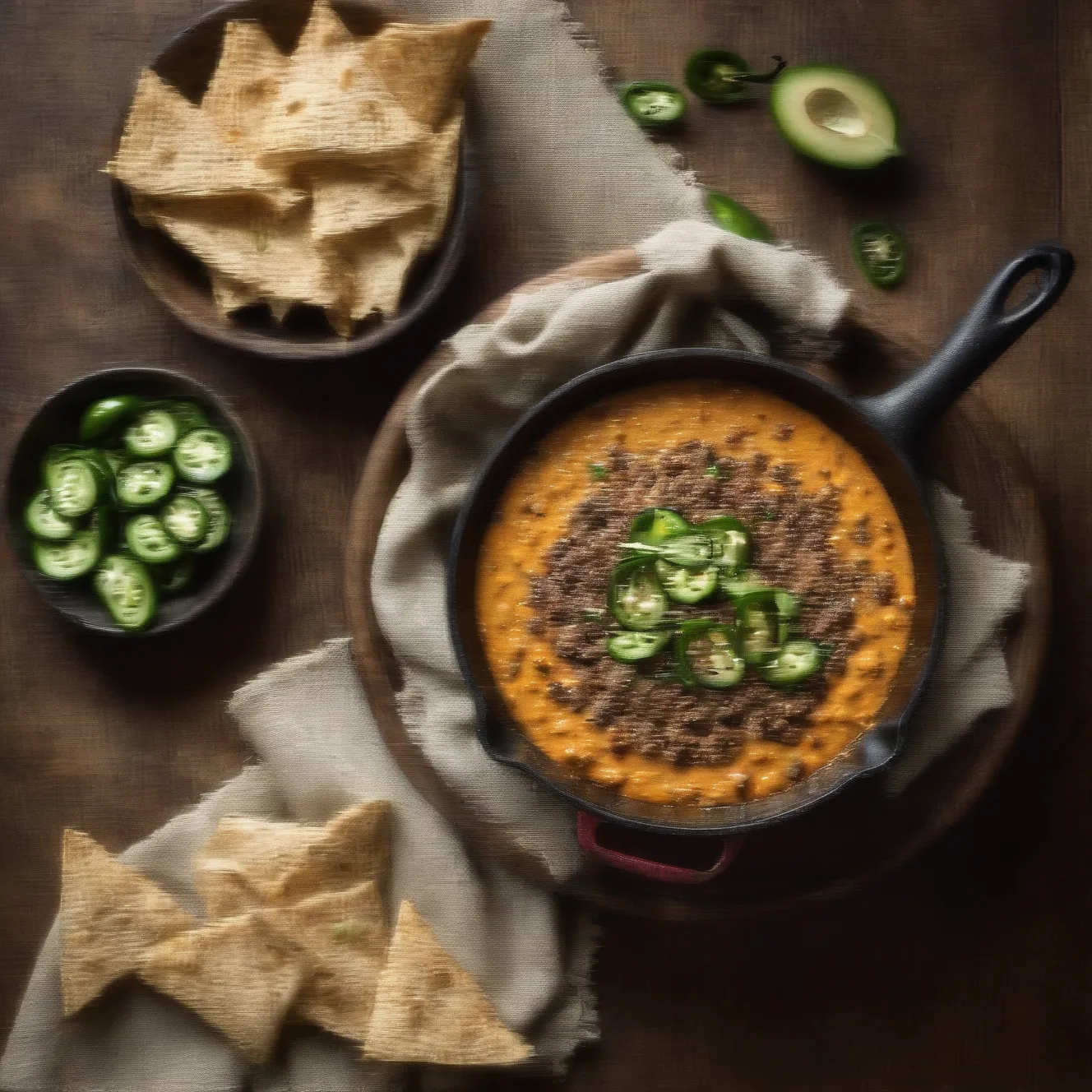
Pre-warm your cast iron skillet. The biggest queso problem at home is that it thickens and congeals before everyone has finished dipping. Put a small cast iron skillet in a 200°F oven for 10 minutes while you make the queso, then pour the finished dip directly into the hot skillet. It will stay pourable at the table for 15–20 minutes longer than in a room-temperature bowl.

Never add cheese to boiling liquid. After the béchamel base thickens, take the saucepan off heat or reduce to the lowest possible flame before adding cheese. Even a brief boil after the cheese is in will break the emulsion.

The squeeze test for minced chipotle. After mincing the chipotle peppers, squeeze out some of the adobo sauce and add it separately — the sauce carries the most intense smokiness. Start with 1 tablespoon of minced pepper and 1 teaspoon of the sauce; add more to taste.

Prevent the skin. If you’re not serving immediately, press a piece of plastic wrap directly onto the surface of the queso (touching the cheese, no air gaps) to prevent the protein-rich surface from drying into a skin. Stir well when ready to serve.

Storage and Reheating

Store leftover queso in an airtight container in the refrigerator for up to 4 days. To reheat, add 2–3 tablespoons of warm whole milk to the container, then warm gently over low heat while stirring constantly. Microwave reheating works in 30-second intervals at 50% power — stir between each burst. High heat will break the sauce into a greasy, grainy mess.

If the sauce has already broken (oily and grainy), try this rescue: remove from heat, add a tablespoon of room-temperature milk, and whisk vigorously. It sometimes re-emulsifies when the temperature drops.

Serving Suggestions

The classic pairing is tortilla chips, but the real versatility of this queso is what makes it worth mastering. Drizzle over a sheet pan of nachos. Spoon onto tacos. Use as a base sauce for Chili’s White Spinach Queso (add sautéed spinach and a few ounces of cream cheese). Pour over roasted broccoli, baked potatoes, or grilled chicken for a weeknight shortcut.

For a full Chili’s-style spread, serve alongside the Velveeta-chili style Skillet Queso — both styles side by side at a party shows the flavor difference between processed and real cheese bases clearly.
Nutrition Facts

Per serving (6 servings)
Calories320

* Estimated values based on standard recipe preparation. Actual values may vary.

Equipment You'll Need

Medium saucepan
Whisk
Small skillet or cast iron pan for serving

Frequently Asked Questions

Why does queso turn grainy and how do you prevent it?

Grainy queso is caused by heat-shock: when cheese hits liquid that's too hot, the fat separates from the proteins and the proteins clump into tiny grains. Two rules prevent it — always reduce heat to low before adding cheese, and add cheese a handful at a time, stirring until fully melted before adding more. The roux (butter and flour base) also stabilizes the sauce by providing starch that holds the emulsion even when the cheese is added.

What cheese melts best for queso?

Freshly shredded cheese from a block is essential. Pre-shredded cheese from bags is coated with anti-caking agents (usually cellulose or potato starch) that prevent smooth melting and cause a gritty texture. For this recipe, sharp cheddar provides bold flavor, Monterey Jack provides the silky melt, and pepper jack adds gentle heat. American cheese (not used here) melts the most smoothly of all due to its emulsifying salts — if smoothness is your only goal, substitute half the cheddar with white American cheese.

How does this recipe differ from the Velveeta-style Chili's queso?

The restaurant version is widely believed to use a processed cheese base for consistency across thousands of locations. Processed cheese (like Velveeta) contains sodium citrate, an emulsifying salt that prevents separation under heat — it's more forgiving but has a distinct processed flavor. This recipe uses a béchamel (butter-flour-milk roux) as the stabilizer instead, producing a cleaner dairy flavor with real cheese character. The béchamel approach requires more care (lower heat, gradual addition) but tastes noticeably more like real cheese.

What are chipotle peppers in adobo and where do I find them?

Chipotle peppers in adobo are smoked and dried jalapeños packed in a tangy tomato-based sauce. They provide the deep smokiness and gentle heat that defines this queso's flavor profile — regular jalapeños or hot sauce don't replicate the smoky dimension. Find them in the international/Mexican food aisle of most grocery stores, canned, for about $2–3. One can holds more than this recipe calls for; freeze the remainder in a zip-lock bag for future use.

How do you reheat queso without it breaking?

The key is low heat and a splash of liquid. Add 2–3 tablespoons of warm whole milk to the leftover queso and reheat gently in a saucepan over low heat, stirring constantly. The microwave works in 30-second intervals on 50% power, stirring between each. High heat reheating causes the fat to separate. If the queso has already broken (looks greasy and grainy), whisk in a tablespoon of warm milk off heat — this sometimes re-emulsifies it.

Love this recipe? Share it!

Shop the tools

The right tools make all the difference. We earn a small commission if you buy through these links — at no extra cost to you.

Free PDF: our 12 most-wanted copycat recipes — instant download.

Ratings & Reviews

No ratings yet

Rate this recipe

Click a star to rate

Leave a Review

0/500

CS

Copycat Spices Test Kitchen

Every recipe on Copycat Spices is developed and tested in our home test kitchen. We reverse-engineer beloved restaurant dishes and refine each one until the flavors and the instructions work reliably for home cooks of all skill levels.

Learn more about our mission →