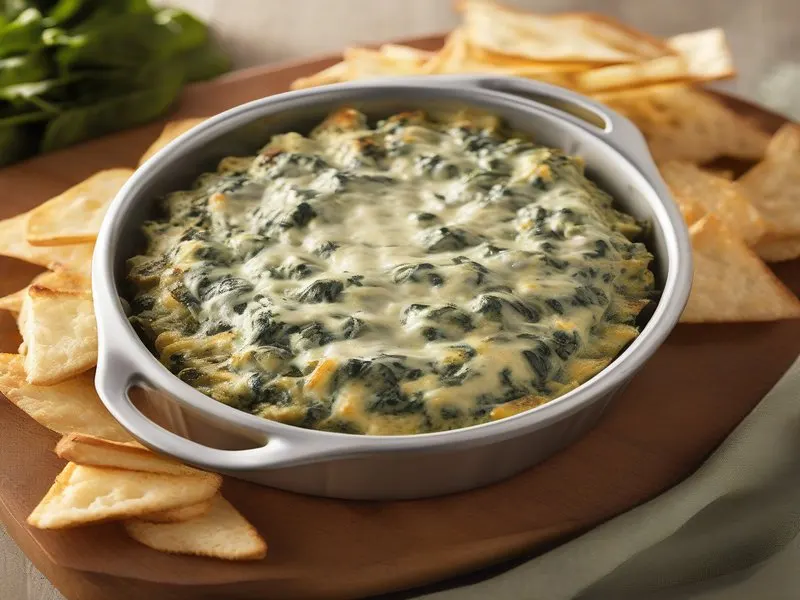
Applebee’s Spinach Artichoke Dip
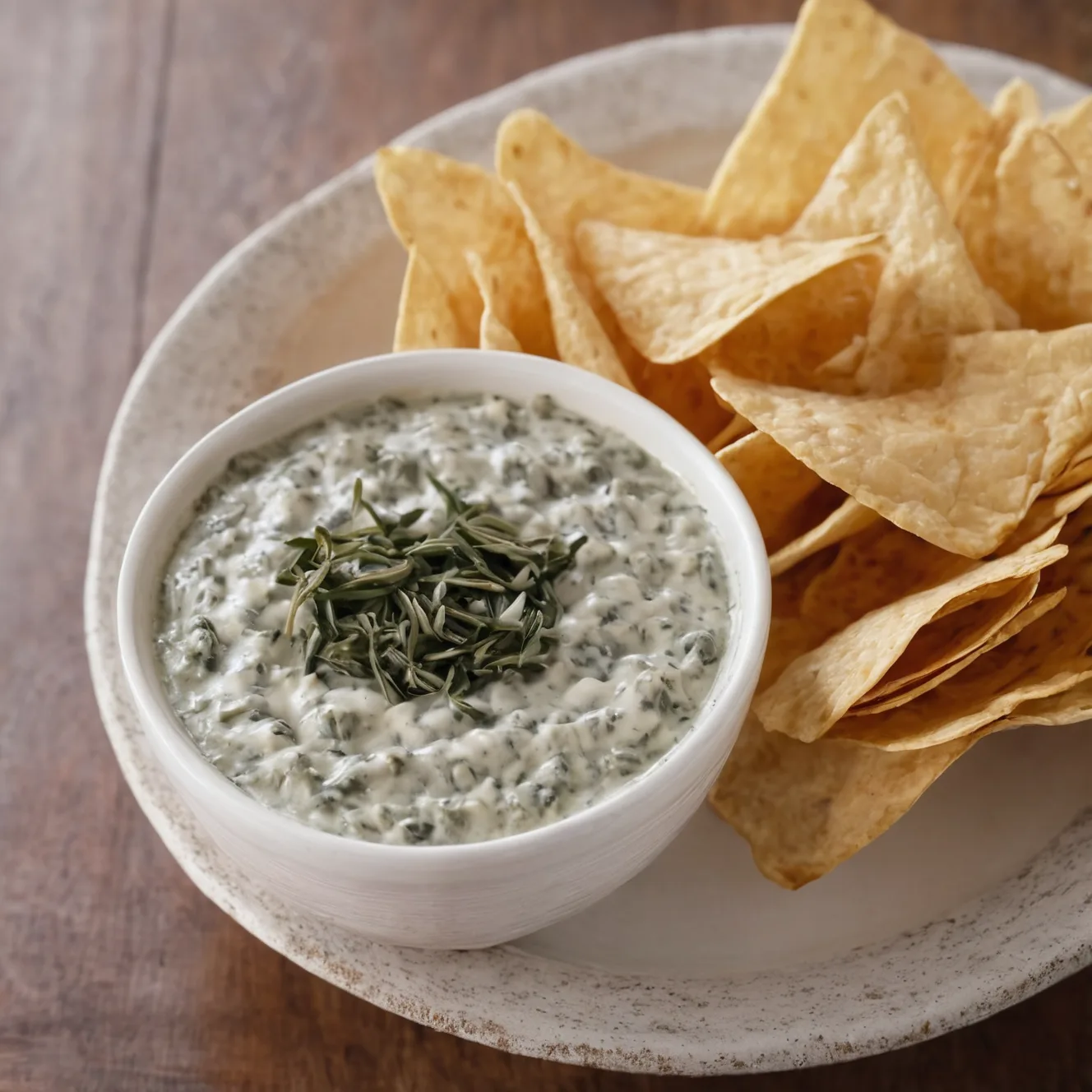
Spinach artichoke dip is one of the most ordered appetizers in American casual dining — Applebee’s version has been on the menu long enough to qualify as a permanent fixture. The chain serves it with white corn tortilla chips and chipotle lime salsa, a detail most copycat recipes ignore. The full appetizer as served at the restaurant runs roughly $11–14 depending on location (Applebee’s lists it around $11), for a dish that takes 40 minutes and about $8 in ingredients to make at home.
The only real challenge in this recipe is moisture control. Every other step is straightforward.
TL;DR
Wring frozen spinach completely dry (twice). Beat cream cheese until smooth. Mix in sour cream, mayo, mozzarella, Parmesan, drained artichokes, and garlic. Bake at 375°F for 20–25 minutes until bubbling. Broil 3–4 minutes for a golden top. Serve with white corn tortilla chips and a chipotle lime salsa (jarred salsa + chipotle powder + lime). Total: 40 minutes, serves 8 for about $8.
The Moisture Problem: Why Wet Spinach Ruins the Dip
This is the most important concept in the entire recipe. Frozen spinach holds significantly more water than it appears to. Even spinach that looks dry after thawing will release liquid into the dip during baking — loosening the cheese base, diluting the flavor, and pooling visibly around the edges.
The solution is simple but must be done correctly:
- Thaw the spinach completely (overnight in the fridge or 4–5 minutes in the microwave)
- Transfer to a clean kitchen towel — not paper towels, which tear and leave behind bits
- Gather the towel into a tight ball and wring it over the sink as hard as you can
- Open the towel, reposition the spinach, and wring again
You should extract 3–4 tablespoons of greenish liquid. The spinach should feel nearly dry — almost dusty in texture. This is the correct endpoint. Spinach that still feels wet will turn the dip watery regardless of how much cheese you add.
Fresh baby spinach is not a direct substitute for frozen. Fresh spinach contains far more water by volume; you’d need to cook it down first (sauté until wilted, then drain and chop), which adds 10 minutes to prep. Frozen is genuinely more convenient and produces the same result when properly drained.
The Triple-Cream Base: What Each Ingredient Does
The dip’s creaminess comes from three components, each doing a different job:
Cream cheese is the foundation. It provides body, structure, and the dense, smooth texture that lets the dip hold together when scooped. It does not melt into liquid when baked — it firms slightly, holding the spinach and artichoke pieces in suspension. Use full-fat block cream cheese, not the spreadable tub variety. Tub cream cheese has more water and softeners added that make it looser and can contribute to a watery dip. Room temperature is essential — cold cream cheese lumps do not break down during mixing and leave visible white chunks in the finished dip.
Sour cream adds tang and loosens the cream cheese so it blends without fight. Without it, the cream cheese base is too stiff and dense; you’d need to use substantially more heat to get it pliable, which risks breaking the fat. Sour cream’s acidity also brightens the overall flavor, cutting through the richness of the cheese.
Mayonnaise adds fat-forward richness and acts as a binder. It contains egg yolk lecithin, which stabilizes emulsions — meaning the fat from the cream cheese and sour cream is less likely to separate during baking. Mayo also contributes a mild, almost neutral richness that doesn’t add any flavor note you’d identify as “mayonnaise.” If you’ve ever had a dip that seemed to weep oil around the edges, often the culprit is too much unsupported fat — the mayo helps prevent that.
Artichoke Hearts: Why Canned in Water Only
Artichoke hearts come in three forms: canned in water, marinated in oil and vinegar, and frozen. Use canned in water.
Marinated artichokes contain vinegar, olive oil, and herbs that will bleed directly into the dip. The acidity from the vinegar clashes with the cream base, and the added oil can make the dip greasy. The herb flavors (typically oregano and garlic) compete with whatever seasoning you add. Marinated artichokes are excellent in antipasto or pasta salads; they are wrong here.
Frozen artichoke hearts work if canned are unavailable but require thawing and thorough draining — they hold water just like frozen spinach. Canned artichoke hearts in water are already cooked and simply need draining.
Chopping matters: Quarter-size or larger pieces of artichoke stay separate from the dip and create uneven scooping — some bites are all cheese, some are mostly artichoke. Rough-chop into approximately 1/2-inch pieces so they distribute evenly through the dip and appear in every bite.
Cheese: Why Mozzarella and Parmesan
The cheese blend does two distinct jobs, and neither cheese can do the other’s job well:
Mozzarella melts. It’s the stringy, gooey pull you see when the dip is hot and the chips go in. Low-moisture part-skim mozzarella is the right choice — it melts more evenly than fresh mozzarella (which contains too much water) and produces a smooth melt rather than a greasy one. Freshly shredded melts better than pre-shredded, which contains cellulose anti-caking agents that interfere with melting.
Parmesan seasons and deepens. It has a sharp, nutty, salty flavor that lifts the dairy-forward cream base. It does not melt into strings — instead it forms a golden crust on top when broiled. Freshly grated Parmesan produces a better crust than the pre-grated shelf-stable variety (which contains anti-caking additives and is drier). The Parmesan on top of the dip is what creates the appealing golden surface after broiling.
A Parmesan-Romano blend (often sold pre-mixed) works well here — Romano is sharper and adds an additional flavor dimension.
Garlic: Fresh vs. Powder
Use fresh garlic (3 cloves, finely minced) rather than garlic powder for this recipe. Fresh garlic has a more complex, pronounced flavor that persists through baking in a way that garlic powder — which fades and can turn slightly musty at baking temperatures — does not.
Mince the garlic finely so no large pieces remain visible. Large garlic chunks create hot spots of raw garlic flavor in an otherwise mild, creamy dip — a distracting bite if you hit one. If you prefer garlic powder, use 1/2 teaspoon and mix it into the cream cheese base thoroughly.
One alternative: roasted garlic. Squeeze a full head of roasted garlic into the cream base instead of fresh minced garlic for a sweeter, mellower, more complex garlic flavor. Roasted garlic spinach artichoke dip is noticeably different — still recognizable but with a more subtle depth. It requires 45 minutes of roasting time added to prep.
Baking vs. Crockpot vs. Stovetop
Baking (recommended): The only method that produces the golden, bubbly top and slightly set edges that define the appetizer at Applebee’s. 375°F for 20–25 minutes + an optional 3–4-minute broil. The edges bubble first; the center follows. The broil creates a light brown crust on the Parmesan that adds a slight toasted note.
Slow cooker: Convenient for parties where you need the dip to stay warm for 2+ hours. Cook on LOW for 2 hours or HIGH for 1 hour, stirring halfway. The result is uniformly creamy but without the golden top. If presentation matters, transfer to an oven-safe dish and broil for 3–4 minutes before serving. Works well for crowds.
Stovetop: Fast — about 10 minutes over medium-low heat, stirring constantly. The dip is ready when the cheese melts and everything is uniformly hot. No browned top, no set edges — essentially a fondue-style version. Good for impromptu situations; not the restaurant experience.
What Applebee’s Serves It With (and a Shortcut)
Applebee’s accompanies the dip with freshly made white corn tortilla chips and a chipotle lime salsa — the salsa is a detail that most home versions skip, and it’s actually a good one. The heat and acid of the chipotle lime salsa cuts through the richness of the cream base, the same way a good salsa verde lifts a cheese-heavy quesadilla.
Shortcut chipotle lime salsa: Mix 1/2 cup of good jarred salsa (something chunky, not watery) with 1/2 teaspoon chipotle powder and a squeeze of lime juice. Stir and taste. The chipotle adds smokiness and heat; the lime brightens. This takes 90 seconds and costs almost nothing.
White corn tortilla chips have a thinner, crispier profile than yellow corn chips and a slightly nuttier flavor that doesn’t compete with the dip. Tostitos Restaurant Style or any thin-cut white corn chip is appropriate. Avoid thick chips or scoops for this dip — the dip is designed to be scooped, not loaded into a cup.
Make-Ahead Method (For Parties)
The dip can be assembled up to 24 hours in advance, which makes it genuinely useful for entertaining:
- Mix the full dip as written through Step 7 (transferring to the baking dish)
- Do not add the Parmesan topping until ready to bake — it can dry out uncovered overnight
- Cover tightly with plastic wrap and refrigerate
- When ready to serve, remove from the fridge 15 minutes before baking (cold glass dishes can crack in a hot oven — room temperature for 15 minutes reduces this risk)
- Add the Parmesan topping
- Bake at 375°F for 30–35 minutes (cold dip needs the extra time to heat through)
The overnight rest improves the flavor. The garlic, sour cream, and spinach have time to meld, and the dip tastes more cohesive than freshly mixed.
Storing and Reheating Leftovers
Baked dip keeps for 3 to 4 days in an airtight container in the refrigerator. The goal when reheating is to warm it through gently — cheese that’s blasted with too much heat too fast will break and weep oil.
Oven (best texture): Cover with foil and reheat at 350°F for 15–20 minutes, until hot in the center. Pull the foil for the last 5 minutes if you want the top to re-crisp.
Microwave (fastest): Heat in 30-second bursts at 50% power, stirring between each, until warmed through. Full power overheats the edges and separates the fat before the center is hot.
Stovetop: Warm over low heat, stirring constantly. If it looks tight or grainy, stir in a spoonful of sour cream or a splash of milk to loosen it back to a scoopable consistency.
Freezing is not recommended. Cream cheese and sour cream separate and turn grainy once frozen and thawed — the reheated texture is noticeably worse than fresh. If you’re prepping for an event, assemble it unbaked and refrigerate (see the make-ahead method above) rather than freezing.
Variations
Spicy version: Add 1 finely diced jalapeño (seeded for mild, seeds included for heat) and a pinch of red pepper flakes to the filling. The heat against the cool creamy base makes each bite more interesting. See also: the jalapeño popper dip for a fully chile-forward version.
Bacon addition: Fold 4 strips of cooked, crumbled bacon into the dip before baking. The salt and smoke from the bacon cuts through the richness and adds textural contrast. Applebee’s doesn’t do this — but it’s an upgrade.
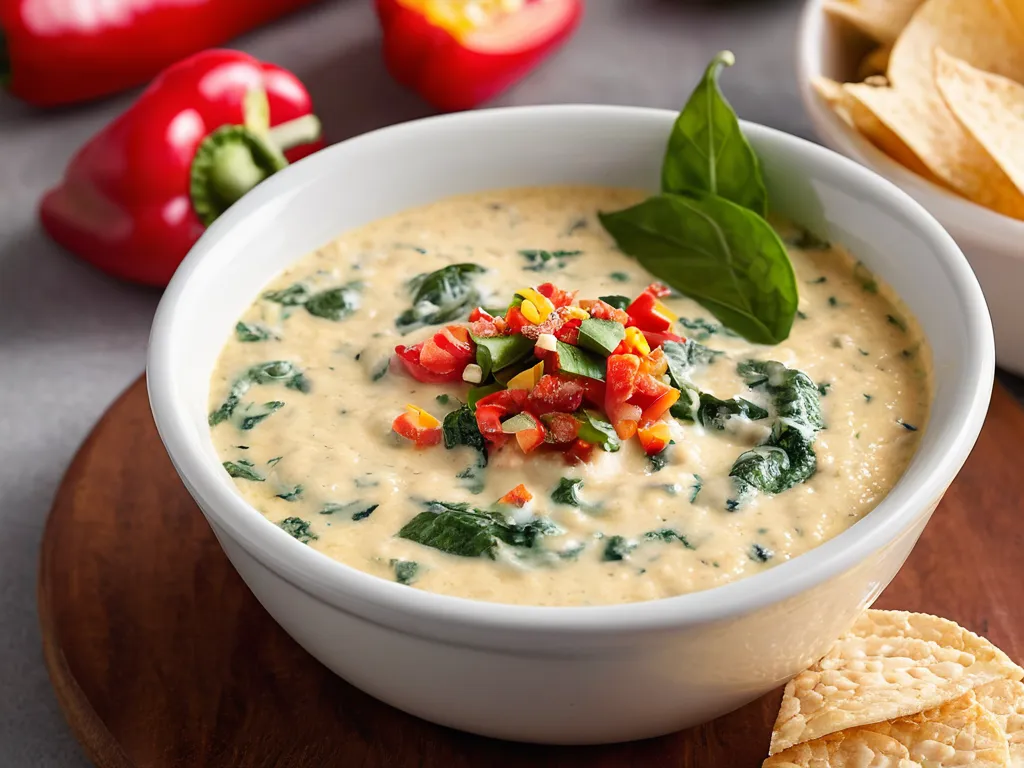
White spinach queso crossover: Replace the artichoke hearts with diced Hatch green chiles (canned, drained) and substitute pepper jack for the mozzarella. The result sits somewhere between spinach artichoke dip and the Chili’s white spinach queso — different in character but equally useful at a party.
Artichoke-forward: Use two cans of artichoke hearts (28 oz total) instead of one and reduce the spinach to 5 oz. The artichoke flavor becomes more prominent; the dip reads as a real artichoke dish rather than a spinach vehicle.
Cost vs. the Restaurant
| Applebee’s | Homemade | |
|---|---|---|
| Price | ~$11–14 (varies by market) | ~$8 in ingredients |
| Calories (full serving) | ~980 with chips | ~310 per serving (dip only) |
| Servings | Appetizer for 2–4 | 8 servings |
| Accompaniment | White corn chips + chipotle lime salsa | Your chips; chipotle lime salsa optional |
| Make-ahead | Not an option | Up to 24 hours |
The full restaurant appetizer (including the chips) runs close to 1,000 calories and is designed to serve 2–4 people. The homemade batch serves 8 generous portions of dip for the cost of a single appetizer.
More Applebee’s Recipes
- Applebee’s Four-Cheese Mac and Cheese — the side dish that makes the appetizer a full bar meal
- Applebee’s Honey Pepper Chicken and Mac — the sweet-heat chicken plate, if you want a full Applebee’s night at home
- Applebee’s Fiesta Lime Chicken — grilled chicken with Mexi-ranch sauce and tortilla chips, the same chips that come with this dip
For a different take on the same dish: Uno’s Spinach & Artichoke Dip is the cast-iron skillet version — richer base (no mayo), finished with seasoned diced tomatoes, and served with garlic baguette instead of chips. For other party dips with similar structure: buffalo chicken dip uses a cream-cheese base with hot sauce and ranch; jalapeño popper dip takes the same approach in a chile-forward direction; Chili’s skillet queso is the fast five-minute alternative when you need something cheesy immediately.