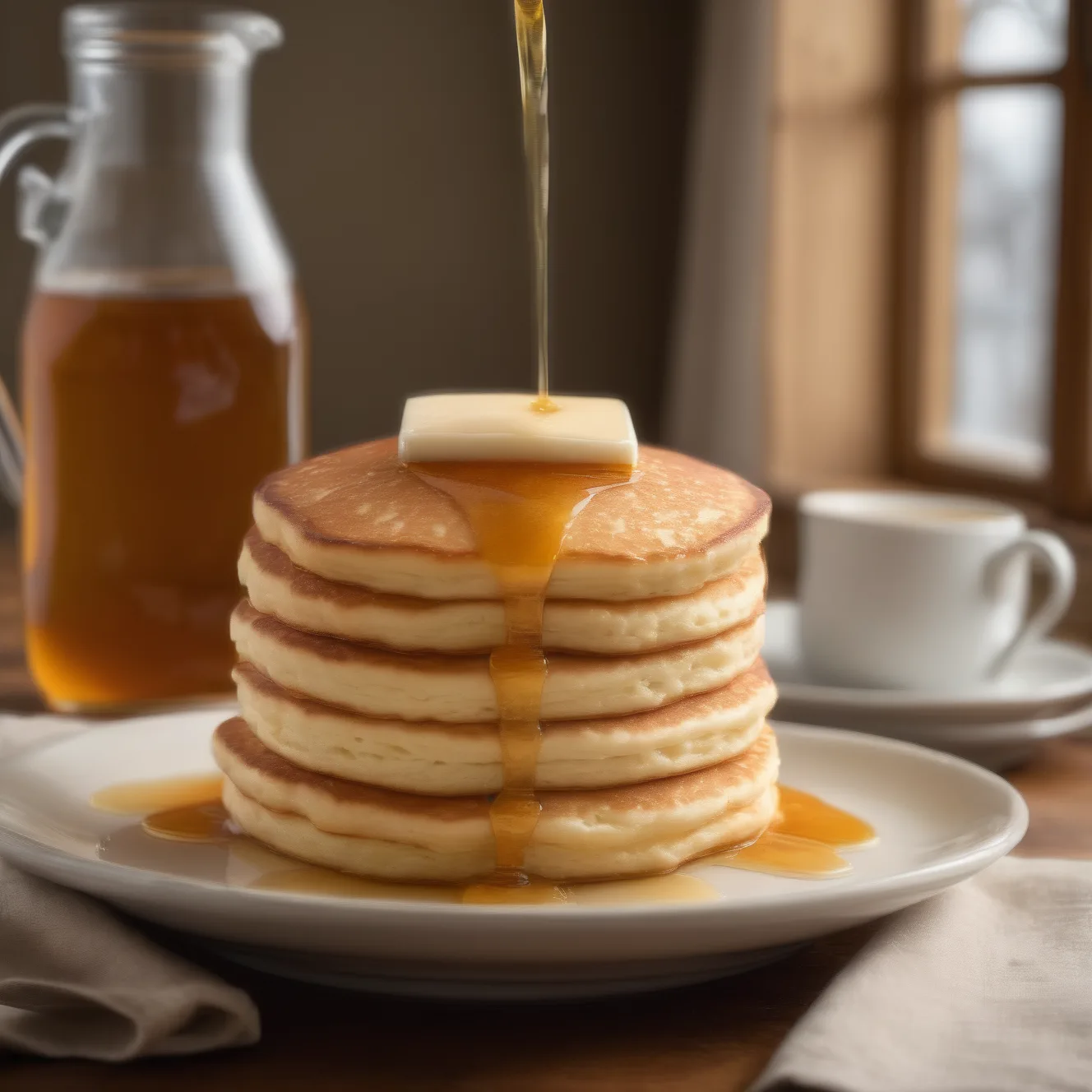
TL;DR: Cracker Barrel’s pancakes differ from most diner-style pancakes because of a three-flour blend (wheat, fine yellow corn flour, rye) that provides crispy edges and malty depth. Buttermilk lactic acid + baking soda = the CO2 lift. Under-mix aggressively, rest 5 minutes, cook in butter over medium heat. 25 minutes total.
Cracker Barrel’s buttermilk pancakes have an unusual amount of loyal defenders for a chain restaurant breakfast dish. The texture is the reason: thick enough to hold a pat of butter in the center, crispy-edged from the corn flour, and still light in the interior rather than gummy or dense. They’re the kind of pancakes people order without looking at the menu.
Two techniques that most home cooks get wrong — overmixing the batter and skipping the batter rest — are also the two most common reasons home pancakes don’t reach the same fluffiness.
The Three-Flour Secret
Most copycat recipes use all-purpose flour alone, and they produce a correct but not quite right result. Cracker Barrel’s pancakes are made with three flours: enriched wheat flour, yellow corn flour, and white rye flour. (Note that the licensed grocery-store box labeled “Buttermilk Baking & Pancake Mix” is a simplified wheat-flour formula — the corn-and-rye blend is what defines the pancakes served in the restaurant.)
Yellow corn flour is finely milled dried corn, significantly finer than cornmeal or polenta (which would make the pancakes grainy). It adds two things: a mild corny-sweet flavor, and — because corn flour carries no gluten — thin, crisp edges. Where the batter spreads thinnest at the rim, the gluten-free corn flour dries and browns instead of staying soft and elastic the way an all-wheat batter does, and that’s the crispy edge Cracker Barrel’s pancakes are known for. Fine corn flour is available from Bob’s Red Mill in most grocery stores. If you only have cornmeal, skip it — the texture will be wrong, with detectable grit in each bite.
White rye flour contributes a mild nutty, malty flavor that blends into the background of a finished pancake but distinguishes it from a purely wheaty diner pancake. It’s a small amount — about 1 tablespoon per batch — but it’s the note that makes people say a Cracker Barrel pancake tastes more interesting than it should, given how simple the recipe appears. Light rye flour (not whole/dark rye, which is much more assertive) is available in well-stocked grocery stores and online; if you can’t source it, omit it rather than substituting.
The proportions in this recipe (1 3/4 cups all-purpose + 2 tablespoons corn flour + 1 tablespoon rye) keep wheat flour firmly dominant, with corn and rye as small accent flours — the same balance the restaurant version strikes. They’re flavor notes, not structural flours, so a little goes a long way.
What Buttermilk Actually Does
Buttermilk’s leavening effect is chemical, not mystical. Cultured buttermilk has a pH of roughly 4.5 — it’s sour because of lactic acid produced by the bacterial cultures during fermentation. When lactic acid encounters baking soda (sodium bicarbonate, a base) in the batter, an acid-base reaction produces CO2 gas. Those bubbles are trapped in the gluten and starch matrix of the batter. On the hot griddle, the gas expands, the proteins set around the expanded structure, and you get lift.
Baking powder in the batter (which is itself a mix of baking soda plus a dry acid) provides a second wave of CO2 release triggered by heat rather than room-temperature acid. This double-leavening effect — buttermilk reacting at room temperature, baking powder activating on the griddle — is what gives Cracker Barrel pancakes their distinctive rise without being thick enough to stay raw in the center.
Whole milk or water doesn’t trigger this reaction. If you substitute it, the pancakes are flat and noticeably less tender, because buttermilk also softens gluten structure in a way that neutral milk does not.
The Lumpy Batter Rule
Lumpy pancake batter is not a sign of poor mixing. It’s the goal.
Gluten forms when two proteins in flour (glutenin and gliadin) are worked together with water. Working the batter more — more strokes, a whisk instead of a fork, longer time — develops more gluten, which makes the batter smooth but also elastic and tight. The finished pancakes will spread less, rise less, and have a chewier, bread-like crumb rather than the soft pull-apart texture of a well-made pancake.
Stop at 10–12 strokes. Visible lumps and light flour streaks are fine — they resolve during the 5-minute rest as the flour absorbs the liquid, without any gluten development. The rest also gives the baking soda and buttermilk time to begin reacting, so the batter hits the griddle already slightly aerated. You’ll see fine bubbles forming on the surface of rested batter.
Use a fork, not a whisk. A fork offers more resistance per stroke, making it easier to notice when you’re done.
Heat, Butter, and the Griddle
Medium heat is non-negotiable. Too hot and the exterior burns before the interior sets; too low and the batter spreads too wide and thin before the edges can hold their shape.
Test with water: flick a few drops on the griddle. At the right temperature, they sizzle briskly and evaporate in about 2 seconds. If they bead and skid across the surface, the griddle is too hot — remove it from heat for 30 seconds. If they just sit and steam slowly, give it another minute.
Use butter on the griddle, not oil. Cracker Barrel’s pancakes have a richer browned-butter flavor on the exterior than oil-cooked pancakes. Oil produces a crispier, thinner exterior; butter produces a richer, golden one. Add a small pat — about a teaspoon — between batches so the pan doesn’t get dry-hot.
The flip timing has a single correct signal: bubbles across the entire surface AND edges that look dry and set. Flipping on partial bubbles means the top isn’t yet structural and the pancake will collapse. Flip once, and never press down with the spatula — pressing squeezes out the steam that creates the interior texture.
Cracker Barrel vs. IHOP
The two chains represent different schools of pancake.
IHOP uses a proprietary pre-made mix and a thinner, higher-hydration batter. The pancakes are wider and flatter, with a spongier, more uniform crumb. IHOP’s pancakes are consistent and abundant (signature stacks run 7–8 inches across) but they toughen as they cool and have a less complex flavor — the batter is neutral, designed to be a canvas for the signature syrups rather than to stand alone.
Cracker Barrel uses a higher ratio of flour to liquid (thicker batter), the three-flour blend, and less aggressive leavening — the result is a shorter, thicker pancake (about 5–6 inches across and nearly 3/4 inch thick at the center) that holds its lightness as it cools, has crispy edges, and has enough flavor from the corn-rye blend to be worth eating with minimal toppings.
For a home cook, the practical differences: Cracker Barrel’s technique (thicker batter, lumpy, rested) produces better results when you’re cooking in batches and the last pancakes need to hold on a wire rack. IHOP’s thinner-batter approach produces better results fresh off a commercial flat-top at volume — conditions difficult to replicate at home.
Variations
Blueberry: Fold 3/4 cup of fresh or frozen blueberries into the batter after the rest. Frozen blueberries bleed less if added directly from frozen. Wild blueberries (smaller, more intense flavor) are better than cultivated.
Cinnamon brown sugar: Add 1 teaspoon of ground cinnamon and 1 tablespoon of brown sugar (in place of 1 tablespoon of the white sugar) to the dry mix. The brown sugar’s molasses note pairs naturally with the rye flour.
Chocolate chip: Scatter chocolate chips directly onto the batter after pouring it on the griddle (not folded in — they sink and burn on the bottom). Use semi-sweet or dark chips; milk chocolate goes cloyingly sweet against the tangy buttermilk.
Lemon poppy seed: Add 1 tablespoon of poppy seeds and 1 teaspoon of lemon zest to the dry mix, and replace the vanilla extract with 1 tablespoon of fresh lemon juice. Brightens the batter significantly.
The Cracker Barrel Breakfast Table
These pancakes anchor a full Cracker Barrel country breakfast. Complete the spread:
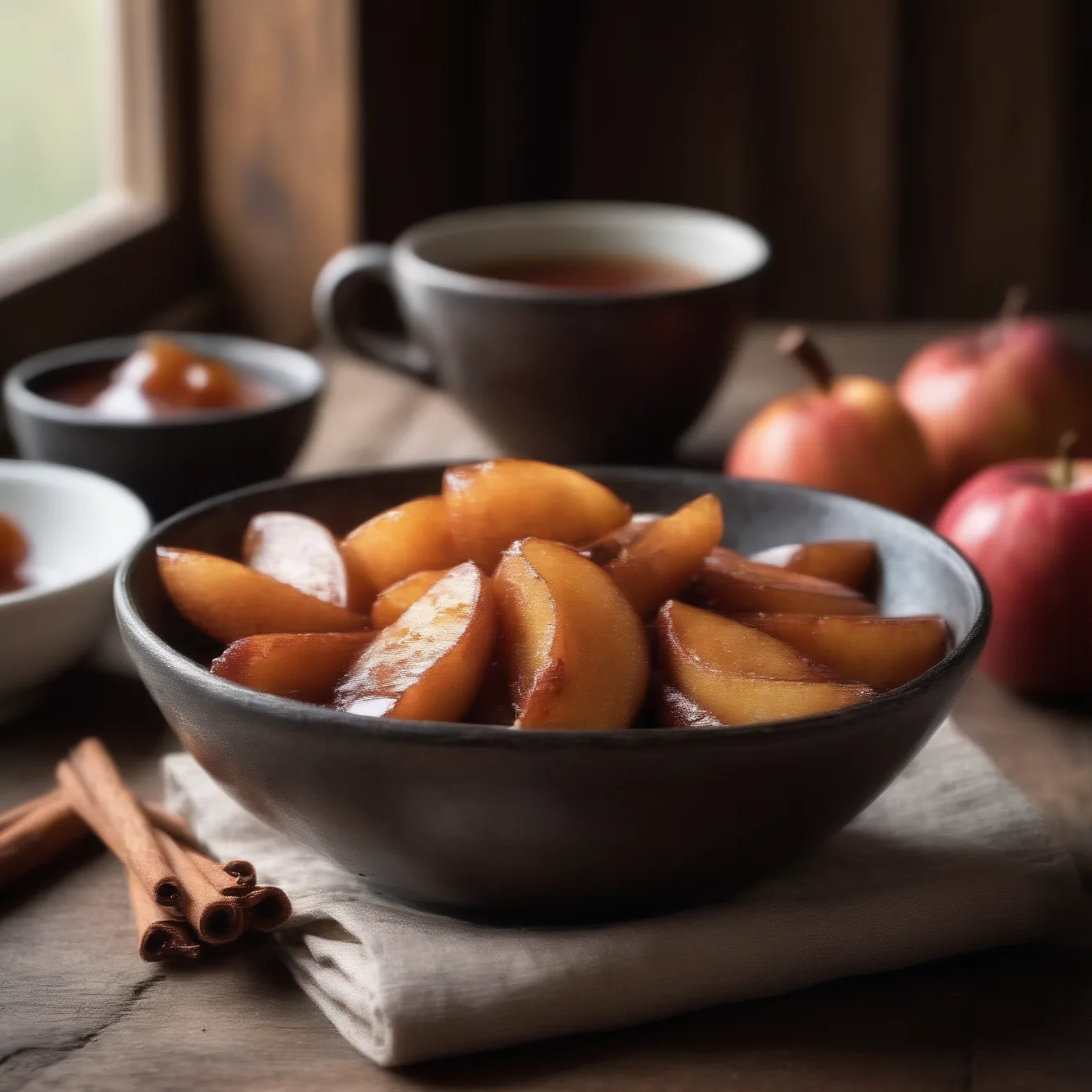
- Cracker Barrel Fried Apples — cinnamon-glazed Granny Smith apples in buttery brown sugar sauce, the classic Cracker Barrel topping that goes directly over a stack of pancakes.
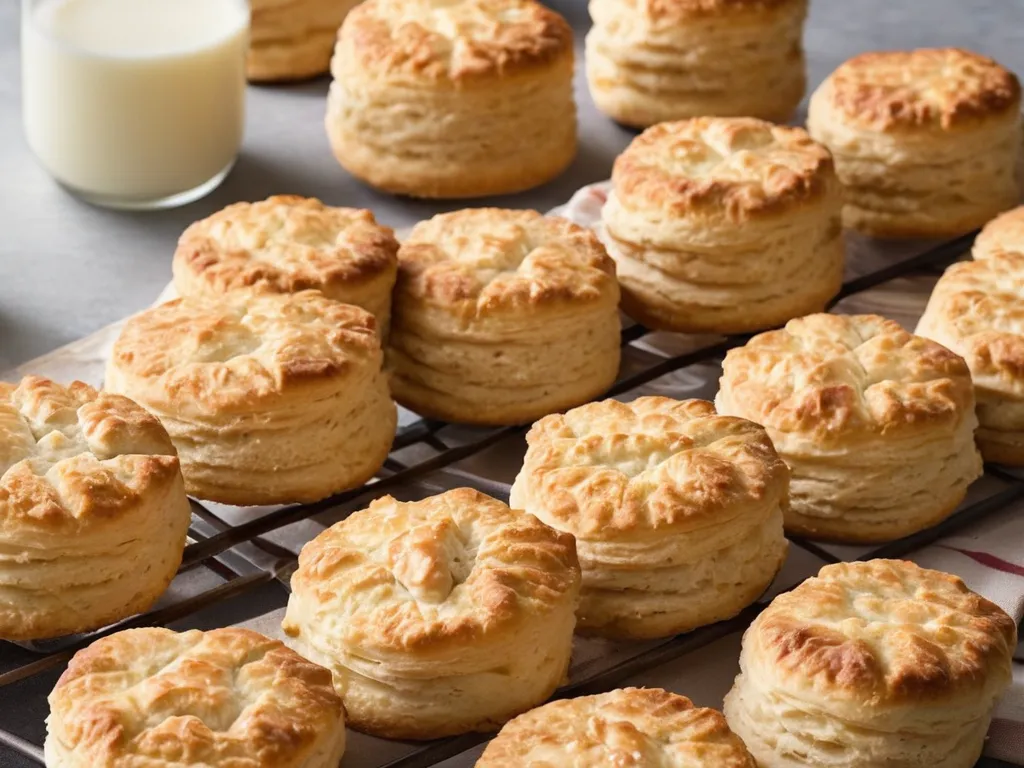
- Cracker Barrel Biscuits — tall, layered, flaky buttermilk biscuits that belong on the same table, ready in under 30 minutes.
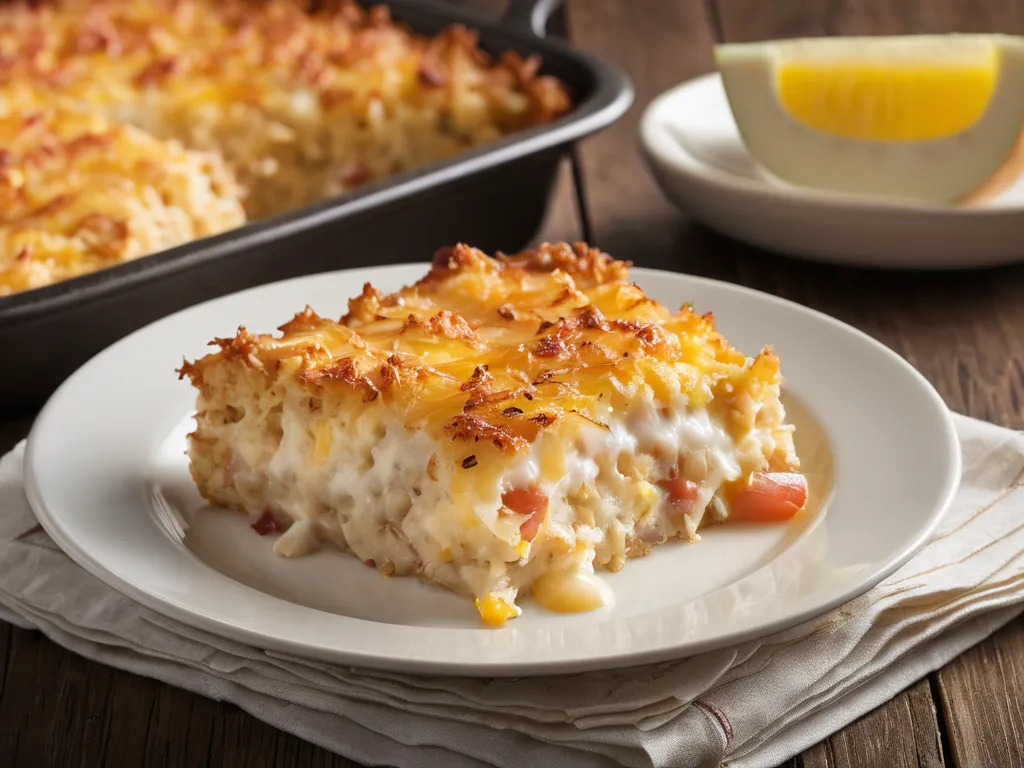
- Cracker Barrel Hashbrown Casserole — the cheesy potato side that outsells everything else on the menu, easy to make a day ahead.
See all Cracker Barrel copycat recipes →