Pin It

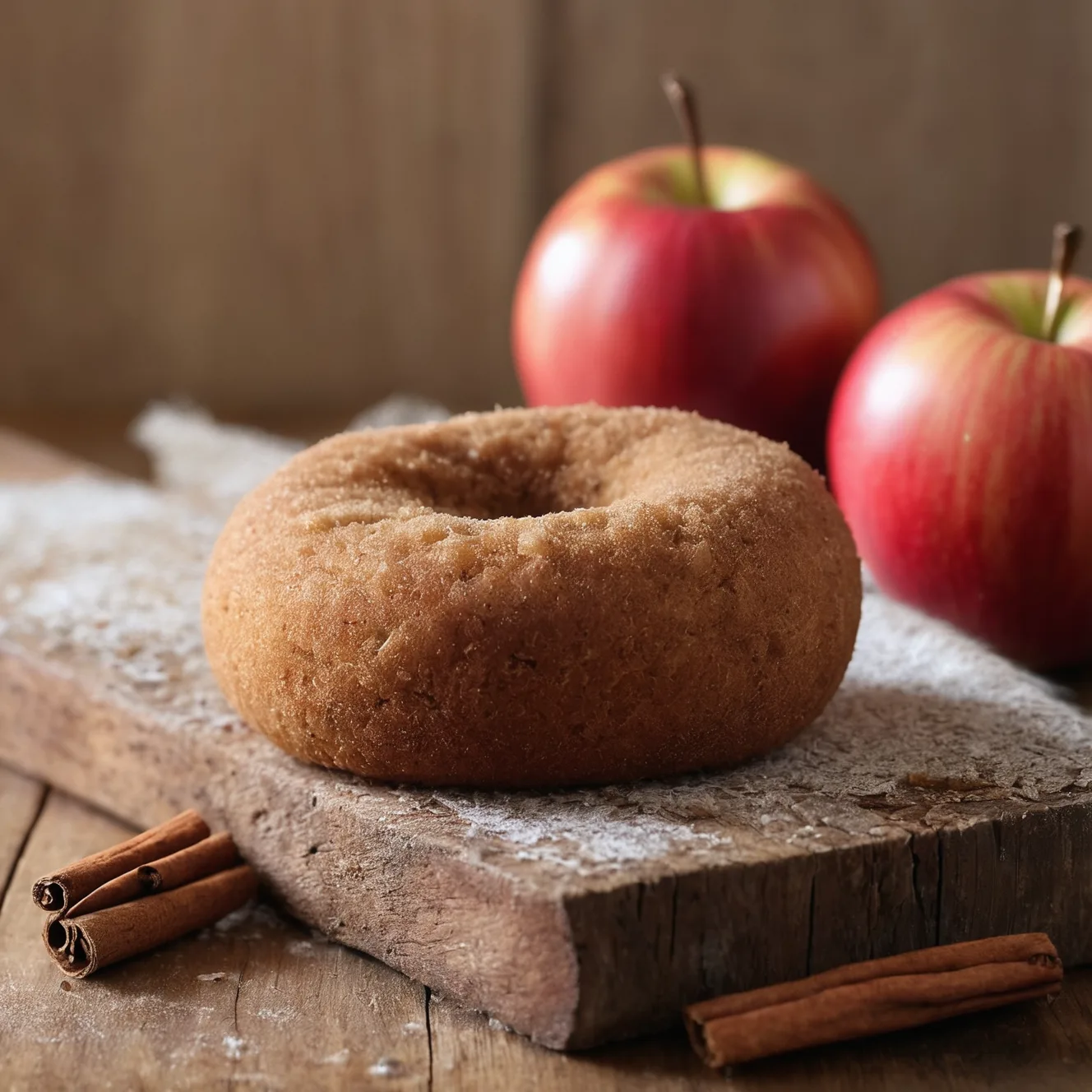
Dunkin' Apple Cider Donut

Dunkin' Apple Cider Donut
Jump to Recipe
Prep 20 min Cook 30 min Serves 12
Quick answer: Dunkin's Apple Cider Donut is a cake-style ring donut (leavened with baking powder, not yeast) coated in cinnamon sugar — the same old-fashioned style found at apple orchards across the Northeast. It returns to Dunkin' every fall, part of the 2026 season that launched August 19. The one technique that separates a flat-tasting apple donut from one that actually tastes like fall: reduce 2 cups of apple cider down to 1/2 cup before it goes into the batter. This concentrates the flavor eightfold and gives the donut its characteristic depth. Makes 12 donuts for approximately $0.45 each vs. $1.79–$2.19 at Dunkin'.

Dunkin' Apple Cider Donut

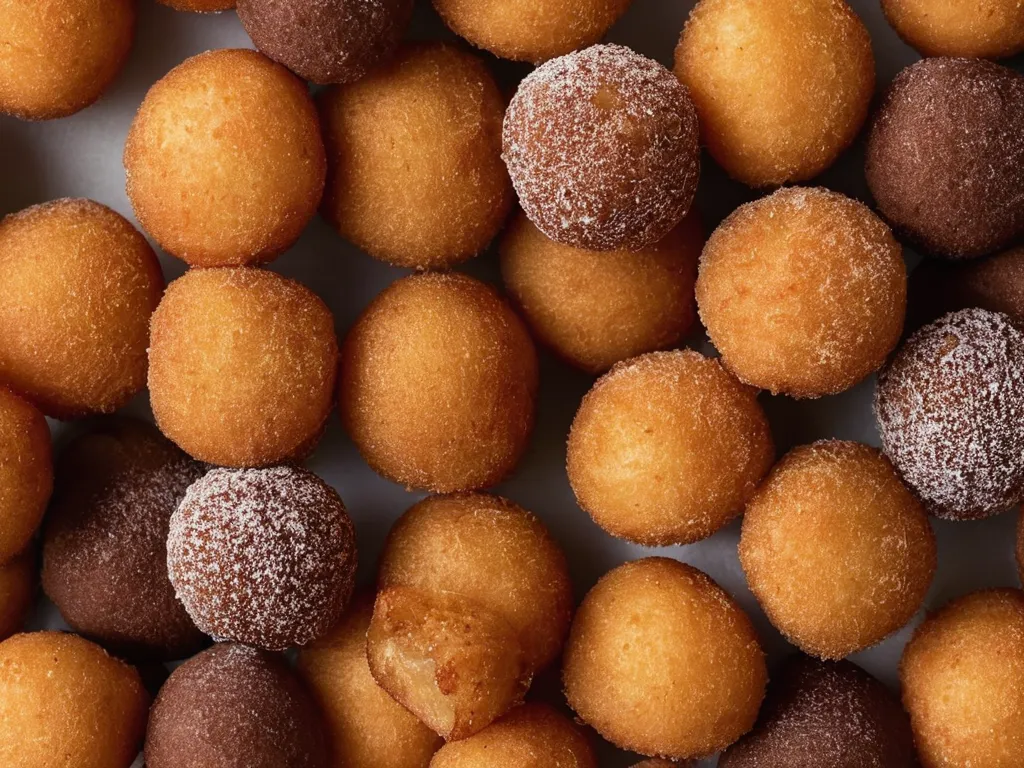
The authentic copycat of Dunkin's returning fall 2026 apple cider donut — a cake donut with reduced apple cider and warm spices, coated in cinnamon sugar. The reduction is everything.

Medium Prep: 20 min Cook: 30 min Total: 50 min12 servings ~$4.50/serving
Prep20 min
Cook30 min
Total50 min
Servings
12
At home~$4.50/serving
vs
Restaurant~$20.25/serving
You save ~78%

Ingredients

Instructions

💡
Pro tip: This recipe tastes even better the next day. The flavors need time to meld together in the fridge.
❄️
Storage: Keeps in an airtight container in the fridge for up to 2 weeks. Freezer-friendly for up to 3 months.
~350-550 cal/serving · Rich & Indulgent🔥

The Story Behind the Recipe

TL;DR: Dunkin’s Apple Cider Donut is a cake donut (baking powder, not yeast) coated in cinnamon sugar. It returned August 19, 2026 as part of their fall menu. The single technique that makes or breaks a copycat: reduce 2 cups of cider to 1/2 cup before it goes in the batter. Everything else is straightforward.


The apple cider donut is one of the few seasonal items where the home version can actually beat the original. Dunkin’ scales for millions of donuts and almost certainly uses apple cider flavoring concentrate rather than fresh-reduced cider. When you make it at home with real, unfiltered apple cider reduced down to a thick, amber syrup, the flavor is noticeably more complex — apple-forward with a slight natural tartness and a faint caramel undertone from the reduction process.

This is a copycat in spirit, not a molecular reproduction. The goal is to hit that same cinnamon-sugar-coated cake donut that signals fall has arrived — and then push the apple flavor harder than the fast-food original manages to.

The Reduction Is the Recipe

Most home apple cider donut recipes fail not because the technique is wrong but because fresh apple cider is almost entirely water. One cup of cider has the apple flavor intensity of one cup of juice — which is to say, mild. When that cup is diluted into two cups of flour, eggs, sugar, and butter, the apple flavor disappears completely.

The fix is simple but takes patience: bring 2 cups of cider to a boil and let it simmer until only 1/2 cup remains. At that point you have an 8:1 concentration — the same amount of apple flavor packed into one-quarter the liquid. The resulting syrup smells intensely of apple, pours like thin maple syrup, and turns the whole batter a light amber color.

Fresh, unfiltered apple cider is essential here. The cloudy, opaque kind from the farm stand or produce section (Martinelli’s, Musselman’s, or any local orchard brand) contains apple solids and natural sugars that caramelize slightly during reduction and give the syrup its depth. Clear filtered apple juice reduces to a thinner, sweeter, less interesting result.

The Spice Balance

The three-spice combination in this recipe is deliberate:

Cinnamon (1 1/2 tsp) is the foundation — this is the flavor most people associate with apple cider donuts. The amount here is confident, not timid.

Nutmeg (1/4 tsp) adds warmth and a slightly woody quality that cinnamon alone doesn’t provide. More than 1/4 teaspoon becomes soapy; less than that and you might as well skip it.

Allspice (1/8 tsp) is the sleeper ingredient. It’s not there to taste like allspice — it’s there to make the cinnamon and nutmeg taste more like themselves. The tiny amount creates a background resonance that rounds the spice profile out. Cardamom (same amount) is a good substitute if you’re out of allspice.

Cake Donut vs. Yeast Donut

This distinction matters for technique. The apple cider donut is a cake donut — baking powder provides lift instead of yeast, the batter is mixed quickly and briefly (like muffin batter, not bread dough), and there’s no proofing time. It’s the opposite approach to Dunkin’s classic glazed donut, which is a yeast dough proofed twice before frying.

That also means the margin for error with mixing is lower. Yeast donuts are forgiving — the long proofing process relaxes gluten that overmixing created. Cake donuts have no such second chance. Once you combine wet and dry, fold until the streaks just disappear and stop. Thirty extra strokes are the difference between tender and tough.

The chilling step (15–20 minutes in the refrigerator after mixing) is what makes cake donut batter workable. At room temperature, the batter is sticky and spreads as you try to cut it. Cold, it firms up enough to roll and cut cleanly.

Fried vs. Baked

The fried version is more authentic. The hot oil creates a thin, slightly crunchy exterior crust around a tender interior — the cinnamon sugar sticks to it in a way it doesn’t stick to the drier surface of a baked donut. The baked version is noticeably softer throughout without that contrast.

That said, the baked version is significantly easier (no oil, no thermometer, no cleanup) and still delivers the apple flavor clearly. Brush them with butter immediately from the oven and roll in cinnamon sugar while still hot — the butter wash compensates somewhat for the lack of the fried crust.

Fried (traditional)Baked (easier)
TextureThin crisp crust, tender insideSoft throughout, more cake-like
Cinnamon sugarSticks to the crust naturallyNeeds the butter wash to adhere
EquipmentPot, oil, thermometerDonut pan, oven
Time~2 min per batch, active12–14 min, hands-off
Apple flavorFullFull (the reduction carries it either way)

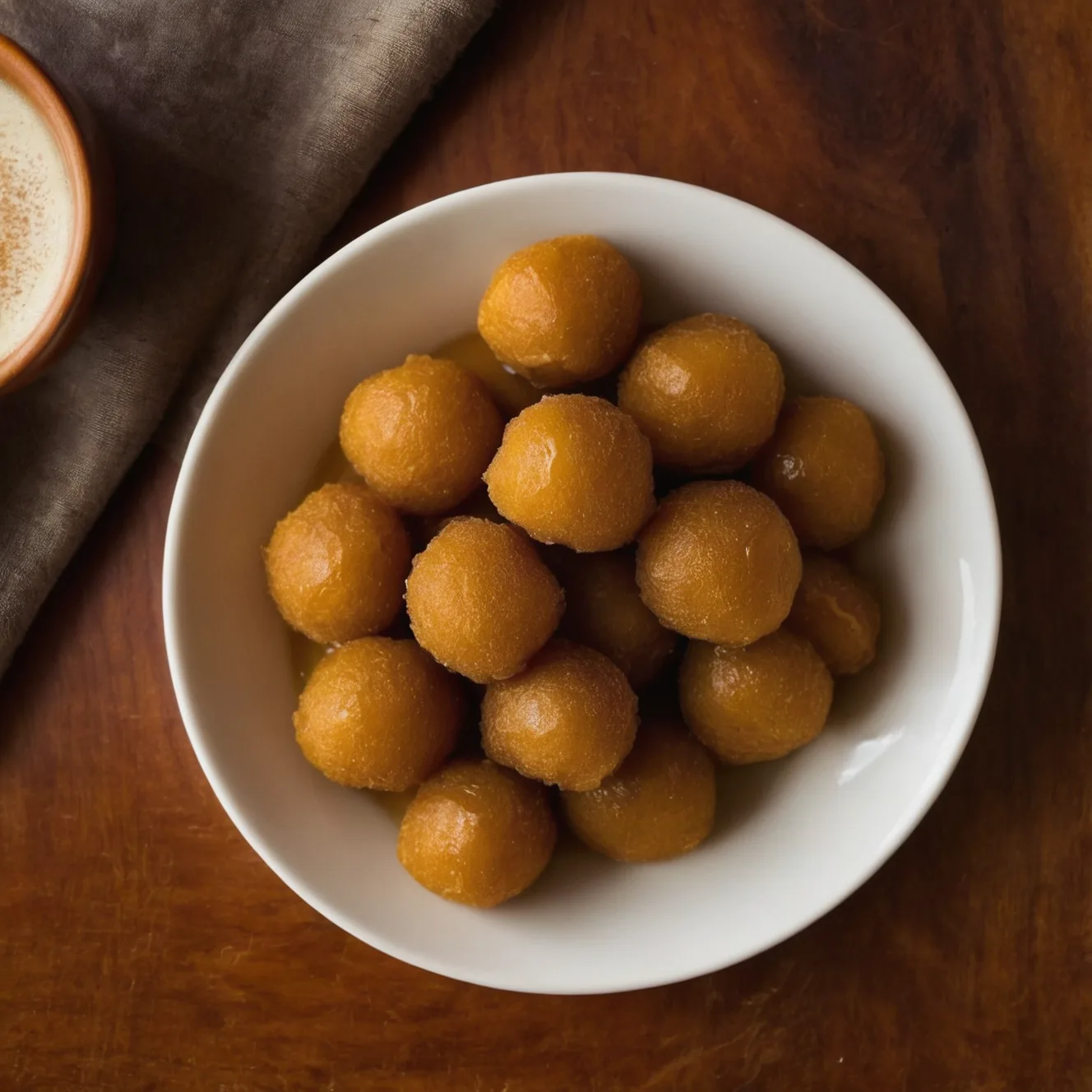
If it’s your first time, fry the donut holes first — they cook in about 60–75 seconds per side and let you dial in the oil temperature before the full rings go in. The leftover centers are the same batter as the Munchkins, just from a cake donut instead of a yeast one.

Pro Tips

Oil temperature recovers between batches. After frying each batch, the oil temperature drops. Let it return to 350°F before adding the next round — use your thermometer, not guesswork. Donuts fried in oil that’s recovered will be consistent; donuts fried in oil that hasn’t will absorb more grease and take longer.

Donut holes are the cook’s reward. The small circles of batter from the centers cook in about 60–75 seconds per side and are done faster than the rings. Coat them in the same cinnamon sugar while hot. They’re less photogenic and completely delicious — fry them first to test your oil temperature before committing the full donuts.

The flour level on the work surface matters. Cake donut batter is tacky. Use enough flour on the board that the dough doesn’t stick, but don’t incorporate extra flour into the batter by re-rolling scraps aggressively — this toughens them. Press the scraps gently back together; don’t knead.

Make the cider reduction ahead. The reduction takes 20–25 minutes of active monitoring and needs 20 more minutes to cool. You can make it up to 3 days in advance and refrigerate it — this reduces the active session time significantly.
Nutrition Facts

Per serving (12 servings)
Calories280
Total Fat10g
Total Carbs45g
Dietary Fiber1g
Sugars24g
Protein4g
Sodium195mg

* Estimated values based on standard recipe preparation. Actual values may vary.

🥗

Make It Healthier

Love Dunkin' Apple Cider Donut but want a lighter version? Try these simple swaps:

  • Bake instead of fry — use a donut pan at 375°F for 12–14 minutes, brush with butter, coat in cinnamon sugar. Reduces fat by roughly 40%.
  • Skip the butter wash and just toss warm donuts directly in cinnamon sugar — they'll have slightly less adherence but it still works and saves about 25 calories per donut.
  • Use a light mix of half whole wheat flour and half all-purpose — the extra fiber doesn't change the flavor noticeably at this ratio, and the donut's density works with whole wheat better than yeast donuts do.
  • Reduce sugar in the batter by 2 tablespoons — the cider reduction and cinnamon sugar coating provide plenty of sweetness.

Equipment You'll Need

Heavy-bottomed pot or Dutch oven (at least 4-quart)

For stable oil temperature; cast iron retains heat well and recovers quickly between batches

Deep-fry or candy thermometer

350°F is a narrow target — even 20°F off changes the result significantly; guessing doesn't work

3-inch and 1-inch round cutters

Or a donut cutter if you have one; a glass and a bottle cap work in a pinch

Small saucepan

For the cider reduction — use a light-colored pan so you can see the color deepen as it reduces

Spider or slotted spoon

For lowering donuts into oil and lifting them out safely

Frequently Asked Questions

What kind of donut is Dunkin's apple cider donut — cake or yeast?

Cake donut. Dunkin's apple cider donut uses a baking-powder-leavened batter rather than yeast dough, which is why it has that dense, tender crumb instead of the airy, pull-apart texture of their glazed donuts. This also means there's no proofing time — the batter comes together in about 15 minutes and the donuts fry quickly. Yeast donuts (like Dunkin's glazed) require two separate rise periods totaling 1.5–2 hours; cake donuts don't.

Is Dunkin's apple cider donut glazed or cinnamon sugar?

Cinnamon sugar, not glazed. This is the traditional coating for orchard-style apple cider donuts across New England and the mid-Atlantic — the donuts are dipped in melted butter and rolled in cinnamon sugar while still warm from the fryer, which creates a light, slightly crunchy coating. Some versions use just a plain cinnamon sugar toss without the butter wash, which is slightly less rich but still classic. Dunkin's version follows this same cinnamon-sugar tradition rather than the vanilla glaze used on their ring donuts.

Can I bake these instead of frying?

Yes. Use a standard donut pan (the kind with six cavities for ring-shaped baked donuts). Preheat to 375°F. Thin the batter slightly with 2 additional tablespoons of buttermilk so it pipes or pours easily, fill each cavity about 2/3 full, and bake 12–14 minutes until a toothpick comes out clean and the tops spring back when pressed. Immediately brush the warm donuts with 2 tablespoons of melted butter and dip in cinnamon sugar. The texture will be softer and slightly more cakey than fried; you lose the thin crust the fryer creates, but the apple cider flavor comes through just as strongly.

Why does my apple cider donut not taste like apple?

Almost certainly because you skipped the reduction step, or your cider was old or low-quality. One cup of fresh apple cider has enough flavor to season a glass of juice — it does not have enough concentrated flavor to come through in a baked or fried batter surrounded by flour, sugar, butter, and eggs. Reducing 2 cups of cider to 1/2 cup (a 4:1 ratio) creates an intensely apple-forward syrup — sweet, slightly tart, with a faint caramel quality. This is the single step that most home recipes rush or omit, and it's the difference between a vaguely spiced cake donut and one that actually tastes like apple. Use fresh, unfiltered apple cider (the opaque kind from the produce section or farm stand), not apple juice.

When does Dunkin' bring back the apple cider donut?

The apple cider donut returns each August as part of Dunkin's fall menu. In 2026 it returned August 19 alongside pumpkin items including the Pumpkin Spice Signature Latte, Pumpkin Munchkins, Pumpkin Cake Donut, and Iced Pumpkin Loaf. The apple cider donut is one of their most anticipated seasonal returns in the Northeast, where farm-stand cider donuts are a fall tradition. Availability typically runs through October or early November.

How do I store leftover apple cider donuts?

Room temperature, loosely covered, up to 2 days. Cake donuts go stale faster than yeast donuts because they have less fat and no gluten development to keep them soft. Do not refrigerate — cold air dries out cake donuts and makes them crumbly. For longer storage, freeze uncoated donuts in a single layer, then bag them once frozen solid. Thaw at room temperature for 1 hour and re-coat in fresh cinnamon sugar — the coating absorbs moisture during freezing so a fresh roll after thawing restores the right texture.

Love this recipe? Share it!

Shop the tools

Gear matched to this recipe's equipment list. We may earn a small commission if you buy through these links — at no extra cost to you.

As an Amazon Associate, Copycat Spices earns from qualifying purchases.

Free PDF: our 12 most-wanted copycat recipes — instant download.

Ratings & Reviews

No ratings yet

Rate this recipe

Click a star to rate

Leave a Review

0/500

CS

Copycat Spices Test Kitchen

Every recipe on Copycat Spices is developed and tested in our home test kitchen. We reverse-engineer beloved restaurant dishes and refine each one until the flavors and the instructions work reliably for home cooks of all skill levels.

Learn more about our mission →