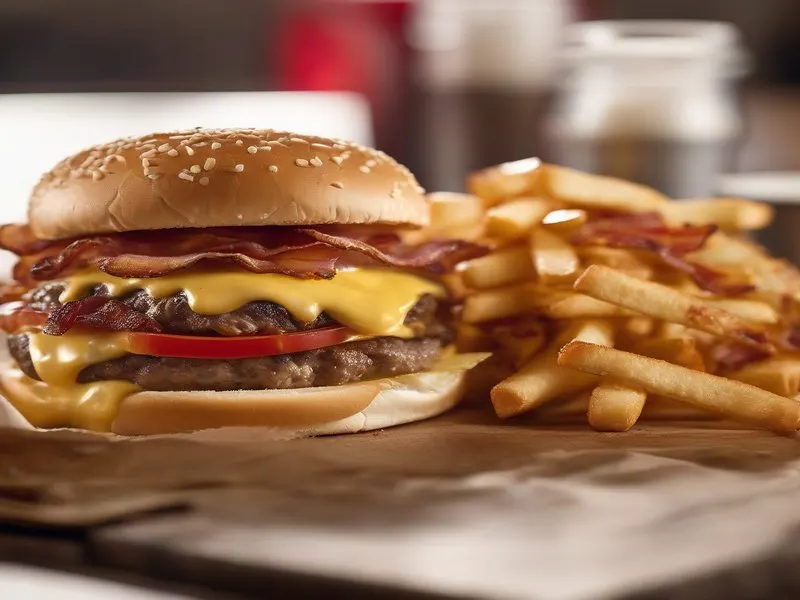
Five Guys built one of the fastest-growing burger chains in the country on a narrow premise: use better beef, cook it fresh, and let people put whatever they want on it for free. No dollar-menu engineering, no proprietary sauce, no frozen patties. The system works, and it’s replicable at home — once you understand the two things that actually drive the result.
The Five Guys Origin
Jerry and Janie Murrell and their four sons — Jim, Matt, Chad, and Ben — opened the first Five Guys in Arlington, Virginia in 1986 in the Westmont Shopping Center at S. Glebe Road and Columbia Pike. “Five guys” referred to Jerry and his four sons (a fifth son, Tyler, arrived two years later). The Murrell family’s founding conviction was that the only way to build something worth caring about was fresh beef and a flat-top griddle — at the time, a counter-cultural position in American fast food, which had spent the 1970s perfecting the frozen-patty supply chain. Five Guys stayed small (just five DC-area locations) for over a decade before franchising nationally in 2003. By the time the chain started expanding at speed, the fresh-beef, unlimited-toppings model was established and auditable at scale — which is why you’ll find the same experience in Boise that you find in the original Arlington location.
The brand clarity is what makes it copyable. There is no secret seasoning, no proprietary cooking oil for the griddle, no hidden process step. The differentiation is sourcing quality and execution of a simple technique.
Why Fresh Beef Matters Here
Five Guys’ commitment to fresh, never-frozen 80/20 ground chuck is not a marketing claim — it’s the technical foundation of why their burger crust works.
Frozen beef contains ice crystals that rupture cell walls during the freeze-thaw cycle. When those cells rupture, moisture escapes during cooking — the burger steams from the inside instead of searing on the surface. The result is a patty with a pale, soft exterior instead of a proper crust. Fresh beef retains its moisture where it belongs: inside the cells, where it heats and releases as flavor rather than water vapor.
The 80/20 fat ratio is the other half of this equation. 20% fat is high enough that the fat renders into the cooking surface as the patty smashes flat, basting the crust from below and contributing to the caramelized exterior. Leaner beef (90/10, 93/7) doesn’t have enough fat to do this — the crust forms less completely, and the burger runs drier. If you try this recipe with 90/10 because it’s what you have, it will still be good; it just won’t be what Five Guys is.
For the home version: buy 80/20 ground chuck fresh, the day you plan to cook. Don’t let it sit more than a day in the fridge.
The Smash Technique
The smash is the entire technique of this burger, and it’s specific:
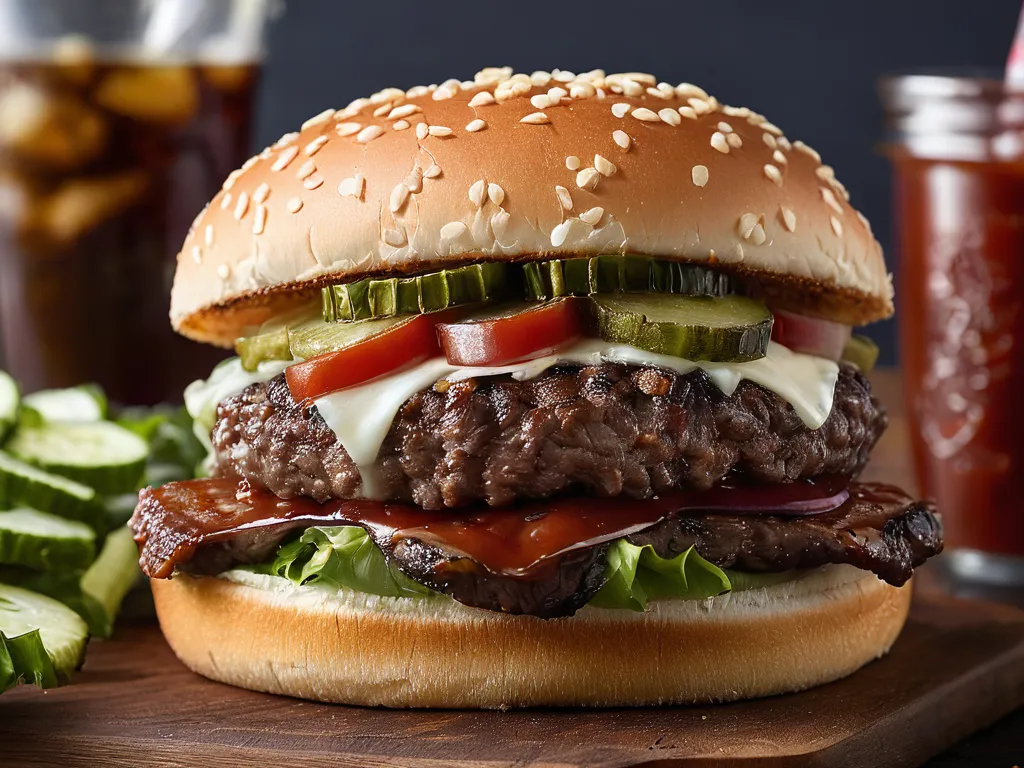
Why you smash: When you press a ball of ground beef flat against a screaming-hot griddle surface, you massively increase the surface area in contact with heat. More contact area = more Maillard reaction = more crust. A traditionally-shaped patty (pre-formed into a disc) has a smaller, curved contact surface. The smash creates a near-flat sheet with maximum exposure.
The timing: The smash has to happen immediately — within 2–3 seconds of the ball hitting the pan. After that window, the outside of the beef begins to cook and the proteins start to set. A smash at that point compresses rather than flattens, and you lose the crust-building contact area you’re after.
The pressure: Apply genuine force. Not a light press — a firm, held press for 5–10 seconds. You want the patty to be 3–4 inches wide and about ¼ inch thick. If it’s still ⅜ inch and round-ish, press harder.
The second press: Five Guys presses both sides. After flipping, a brief firm press (2–3 seconds) ensures the second side makes full contact with the griddle. This is different from repeatedly pressing a patty that’s already cooked — it’s a single contact press immediately after the flip, before the second side has begun to set. The “pressing makes it dry” rule applies to prolonged pressing or pressing midway through cooking, not to an initial contact press on each fresh surface.
The Cheese Situation
American cheese is the only option for this burger. This is not nostalgia — it’s chemistry.
American cheese contains emulsifying salts (sodium citrate or sodium phosphate) that allow the cheese to melt into a smooth, even liquid without breaking into a greasy pool and an oily mess. Cheddar, Swiss, and most “real” cheeses lack these emulsifiers and will break when melted directly on a hot patty — you get a puddle of fat and a grainy, separated cheese layer. American cheese stays cohesive, stretchy, and creamy.
The technique: place the cheese slice on the patty immediately after flipping, and cover with a dome or lid for 30–45 seconds. The trapped steam melts the cheese completely and evenly. Without a dome, you need an additional 60–90 seconds of surface heat to get the same melt.
The Bun
Five Guys uses a proprietary sesame seed potato-style roll baked at regional bakeries on a near-daily schedule — not a nationally distributed brand. The roll is enriched (eggs, milk, potato components) which gives it a slight density, subtle sweetness, and softer crumb than a standard white hamburger bun. For home replication, look for a soft sesame seed potato bun or a brioche-style burger bun at your grocery store. Martin’s Potato Rolls are associated with Shake Shack, not Five Guys. The enriched structure holds up to the steam wrap and the dual-patty weight without compressing into a flat disc, and the softer crumb absorbs the butter toast better than a denser bun.
Butter the cut sides and put them face-down on the hot surface for 30–60 seconds. You want golden, not brown. The buttered toast adds enough fat to the bun that it doesn’t need sauce to feel complete.
The Free Toppings Bar
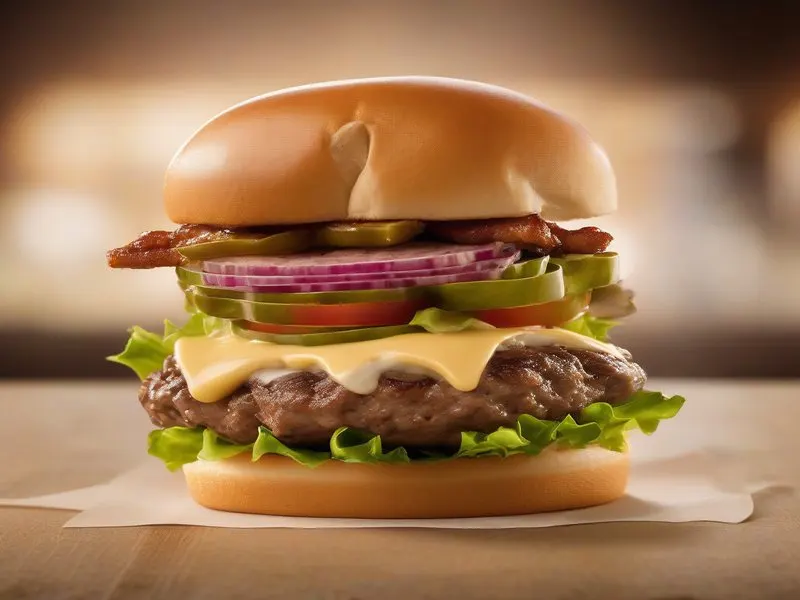
Five Guys offers exactly 15 toppings at no extra charge: mayo, lettuce, pickles, tomatoes, grilled onions, grilled mushrooms, ketchup, mustard, relish, raw onions, jalapeño peppers, green peppers, A.1. Steak Sauce, hot sauce, and BBQ sauce. Only cheese and bacon cost extra.
For home replication, the most often skipped toppings are also the most interesting: grilled mushrooms (slice and cook in the bacon fat left in the pan — 5 minutes, season with salt) and grilled onions (same pan, same fat, 8–10 minutes until soft and golden). Most people just reach for ketchup and mustard. The grilled options are what separate a good homemade burger from one that tastes like Five Guys specifically.
Cost Comparison
| Item | Home Cost | Five Guys Cost |
|---|---|---|
| Bacon Cheeseburger (double) | ~$4–5/burger | $12–15 |
| Cajun-style fries | ~$1.50/serving | $5–7 |
| Full spread (burger + fries, 4 people) | ~$22–26 total | ~$68–88 total |
The math is stark. Four people eating Five Guys runs $68–88 before drinks. The same meal at home, with better bacon and the same fresh beef, runs $22–26. The technique is the only remaining variable.
Common Mistakes
Not hot enough. The pan needs to be ripping hot — cast iron preheated for 2–3 full minutes over high heat. If you put the beef ball down and it doesn’t immediately make contact sound, the pan is not ready. A half-hot pan means the beef sits instead of searing, and the fat starts to render out before a crust can form.
Pre-formed patties. Using pre-formed frozen patties and “smashing” them doesn’t replicate the result. The smash has to happen to a ball of fresh meat at the moment of contact. Pre-formed patties are already set; you’re just compressing them.
Prolonged pressing mid-cook. A quick contact press immediately after flipping (which Five Guys does) is correct. Repeatedly pressing down on a patty that’s already cooking squeezes out internal moisture. Press once, briefly, on each fresh surface — then leave it alone.
Adding toppings too early. Lettuce and tomato go on after the burger comes off the heat, immediately before wrapping. They steam in the foil, which is fine for the flavors. They should not go in the pan.
Variations
Mushroom Swiss — skip the bacon; add grilled mushrooms (cooked in the same pan after the bacon step), and use Swiss instead of American cheese. Swiss won’t melt as cleanly, so add a lid and go a bit longer. The grilled mushrooms carry the umami that bacon provides in the original.
Jalapeño Cheeseburger — add sliced fresh jalapeños to the toppings bar. Five Guys pickled jalapeños are slightly milder; raw fresh jalapeños give more heat. Your call.
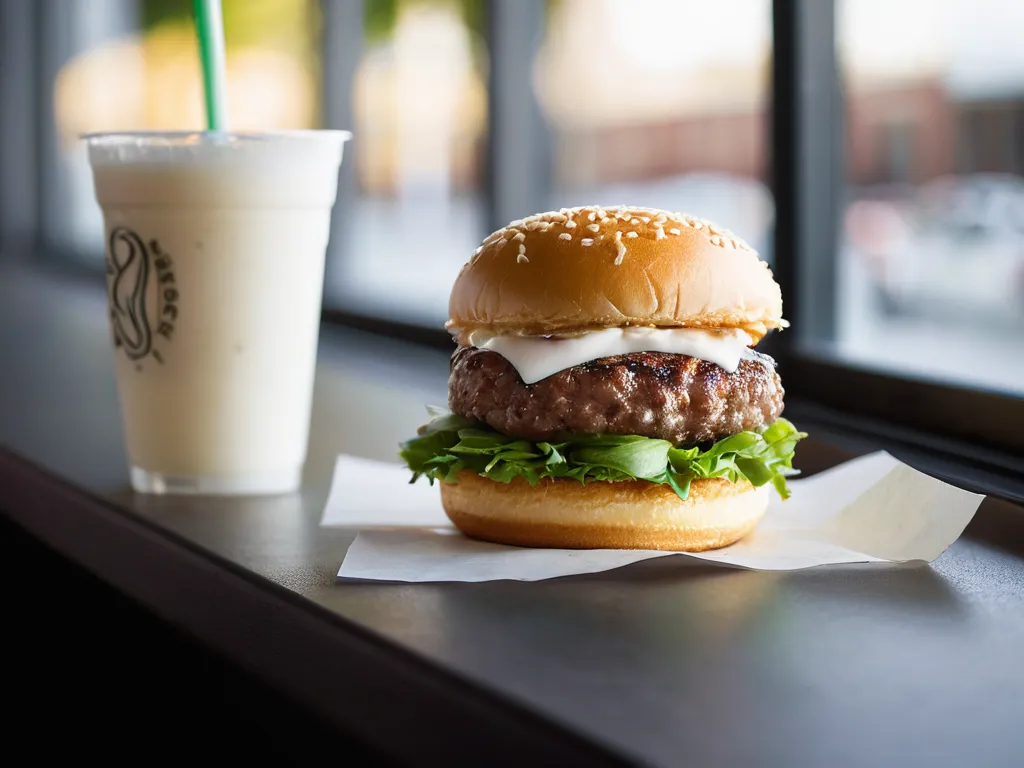
The Little Burger at home — use one patty instead of two per bun. This is the “Little” size — a 3-oz single smash patty on a potato roll. Better for kids, lighter for adults who want the Five Guys experience without the full double-patty commitment.
Animal-style adjacent — add grilled onions cooked in mustard (spread a thin layer of yellow mustard on the hot griddle, drop the onions into it, cook until the mustard caramelizes into the onions), plus extra pickles and mayo. This is the In-N-Out influence applied to a Five Guys base. See also the In-N-Out Animal Style burger and In-N-Out Burger for the original technique.
The Complete Five Guys Meal
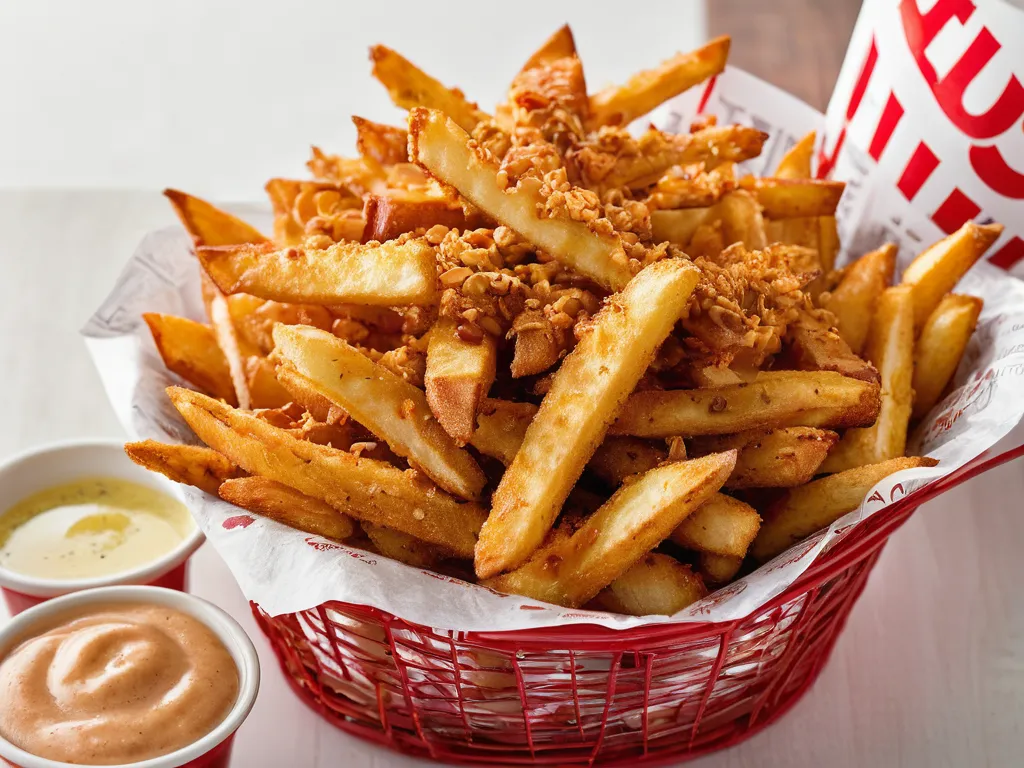
Five Guys Cajun Fries — seasoned with Cajun spice blend and cooked in peanut oil — are the natural side. The peanut oil is used for the fries, not the griddle (the griddle uses a separate cooking surface); the nutty, high-smoke-point character of peanut oil is why Five Guys fries taste different from most fast-food equivalents. See the Five Guys Cajun Fries recipe for the full method, including the spice blend ratio. The Five Guys Grilled Cheese is the menu item that trips everyone up — a cheese sandwich built with the same patty-less bun process, but with a full double-American-cheese smash on the griddle.
Storage
These burgers don’t hold well — they’re a cook-and-eat situation. The crust softens in storage, and the bun continues absorbing moisture from the toppings. If you’re making for a group, stagger the cooking so burgers come off in batches rather than cooking all eight patties at once and losing the crust while the last ones finish.
Leftover cooked patties (no assembly) keep in the fridge 3–4 days and reheat well in a hot cast iron pan — 90 seconds per side to re-develop the crust. Don’t microwave them; the moisture from the steam collapses whatever crust remains.