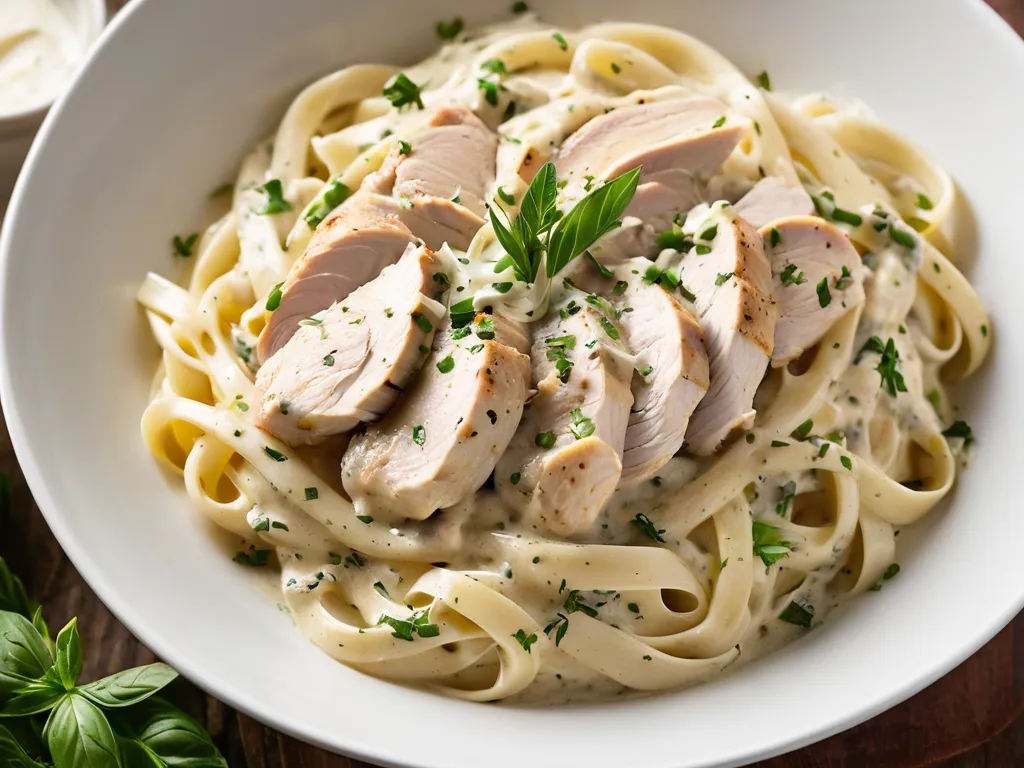
Copycat Olive Garden Chicken Alfredo
Prep: 10 min | Cook: 25 min | Serves: 4 | Cost: ~$22 at OG vs. ~$6 per serving at home
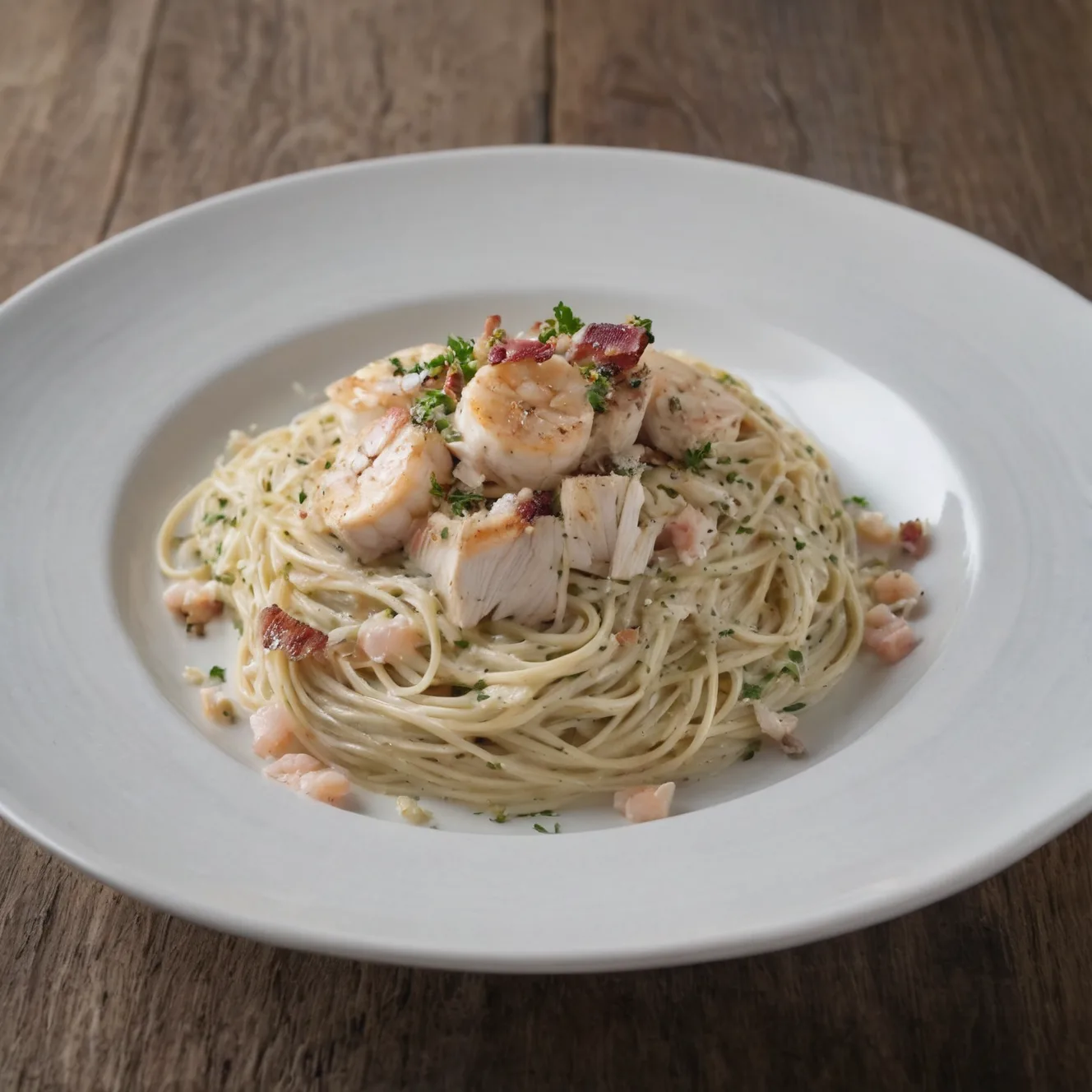
This is Olive Garden’s bestselling pasta dish — a full dinner plate of fettuccine in a Parmesan-Romano cream sauce with seasoned grilled chicken on top. The recipe is short, but the execution details separate good Alfredo from great Alfredo.
TL;DR:
- OG’s sauce uses both Parmesan AND Romano — grate both fresh from the block
- Remove the pan from heat before adding cheese — proteins clump above 185°F
- Build the sauce in the same pan you cooked the chicken in (that fond is flavor)
- Reserve pasta water; it’s the only tool you have for loosening an over-thick sauce
- Serve immediately — Alfredo stiffens as it cools and does not reheat cleanly
Why This Recipe Has Two Cheeses
The most common reason homemade Alfredo tastes slightly flat compared to Olive Garden’s is using only Parmesan. While Olive Garden markets its sauce as “Parmesan,” the copycat consensus — echoed by nearly every serious clone recipe — is that a Parmesan-Romano blend is what matches the restaurant’s depth. It’s also the combination most Italian-American pasta kitchens use, and the one home cooks most often overlook because copycat recipes online tend to simplify it to a single cheese.
Parmesan (Parmigiano-Reggiano or domestic Parmesan) contributes the rich, nutty, umami depth and the creamy body you associate with Alfredo. It’s the dominant cheese and does the heavy lifting.
Romano (Pecorino Romano or domestic Romano) is saltier, sharper, and slightly tangy — it adds a contrasting edge that prevents the sauce from being one-dimensionally rich. The small amount — 1/4 cup Romano against 3/4 cup Parmesan — doesn’t make the sauce taste like Romano; it just keeps it from tasting flat.
Both must be freshly grated from a block. The anti-caking agents in pre-shredded bagged cheese — typically powdered cellulose — coat the cheese particles and prevent them from melting smoothly into fat and cream. Pre-shredded cheese melts into lumps or a gritty paste; freshly grated cheese dissolves into the sauce.
The History: Roman Alfredo vs. Olive Garden Alfredo
Fettuccine Alfredo was created in Rome around 1908 by Alfredo di Lelio, who made it for his wife after she gave birth and lost her appetite. The original contained three ingredients: fresh fettuccine, lots of unsalted butter, and a mountain of aged Parmigiano-Reggiano. No cream. No garlic. No Romano. The sauce formed by emulsifying starch from the pasta cooking water with the melted butter and cheese — the same principle behind cacio e pepe.
In 1920, newlyweds Mary Pickford and Douglas Fairbanks dined at di Lelio’s Rome restaurant during their European honeymoon and were so taken with the dish that they helped popularize it back in Hollywood. (On a return visit in 1927, the couple famously presented Alfredo with a gold fork and spoon in gratitude.) American chefs adapted it to local tastes and pantries, adding heavy cream for richness and stability, garlic for aroma, and eventually Romano for depth. That Italian-American version is what Olive Garden serves today.
Neither version is wrong. The Roman original is leaner, more delicate, and requires perfect technique — the sauce only forms if the pasta water, butter, and cheese are combined at precisely the right temperature with constant tossing. The American-Italian cream version is richer, more forgiving, and stays saucy longer. Olive Garden’s version is unapologetically the American one.
The Sauce-Building Technique
The sauce for this recipe is a pure cream reduction — no flour, no roux, no thickener. Cream’s fat content increases as water evaporates during simmering, which is what makes it thicker and richer without any starch intervention.
Don’t skip the reduction. Many quick weeknight recipes pour cream in and immediately add cheese. That produces a watery, thin sauce. Give the cream 4–5 minutes at a gentle simmer — you’ll see the bubbles slow from vigorous to lazy as the water cooks off. When it coats the back of a spoon and leaves a clean trail when you run your finger across it, it’s ready.
Use the chicken fond. After searing the chicken, there will be browned bits stuck to the pan — what French cuisine calls “fond.” Don’t wipe the pan. When you melt the butter for the sauce, those bits dissolve into it and contribute a background meatiness that makes the sauce taste like it’s been cooking for hours, not 5 minutes.
Garlic timing. Add the garlic to the melted butter over medium heat (after removing the chicken and before adding cream) for exactly 30–45 seconds. You want it fragrant and lightly golden — not brown. Brown garlic turns bitter and dominates everything. If your garlic browns, wipe the pan and start fresh with new butter.
The Off-Heat Rule
This is the single most important technique in the recipe, and it’s the one most people skip.
Parmesan and Romano contain proteins that denature — permanently change structure — when heated above roughly 185°F. At that temperature, the proteins seize and clump instead of dissolving smoothly into the cream. The result is grainy sauce with visible cheese clumps that won’t smooth out no matter how much you stir.
The fix: turn off the burner. Remove the pan from heat entirely. Wait 30 seconds for the liquid to drop below the danger zone, then add the cheese in two additions, stirring until each is fully incorporated before adding the next. The residual heat of the cream is more than sufficient to melt the cheese smoothly.
Pasta Water: Your Adjusting Tool
Reserve a full cup of pasta water before you drain the fettuccine. This cloudy, starchy liquid is the only tool you have for adjusting sauce consistency at the end.
Alfredo thickens fast — especially once the pasta is tossed in. If the sauce is too thick, add pasta water a tablespoon at a time until it loosens to the right consistency: sauce should coat the pasta, not pool at the bottom of the pan, but it also shouldn’t be so thick the strands clump together. If you’ve drained the pasta and forgotten to save the water, warm tap water works in a pinch but lacks the starch that helps the sauce reincorporate.
The Chicken: Why Pound and Dry
Two quick steps that most recipes skip — and both matter:
Pounding to even thickness (or butterflying) solves a structural problem: chicken breasts taper significantly from the thicker center to the thinner ends. If you cook an uneven breast, the thick part reaches 165°F just as the thin end is already past 175°F and drying out. A quick pound or butterfly takes 30 seconds and means the whole breast cooks evenly.
Patting completely dry is the difference between a sear and a steam. Wet chicken hitting a hot pan produces a burst of steam that keeps the surface temperature at 212°F (the boiling point of water) until the moisture evaporates. By that point, the exterior is pale and rubbery instead of golden. Dry chicken browns in the first 60 seconds of contact.
Four Mistakes That Ruin Alfredo
1. Adding cheese to a boiling or hot-off-heat pan. Grainy, clumped sauce, every time. Off heat. Wait 30 seconds. Then add cheese.
2. Using pre-shredded cheese. The anti-caking agents prevent smooth melting. It seems like a minor shortcut; it isn’t. Grate from a block.
3. Skipping the cream reduction. Under-reduced cream makes thin, watery sauce that slides off the pasta. Simmer until it leaves a clean trail on a spoon.
4. Serving it late. Cream-based Alfredo stiffens as it cools and separates as it reheats — the fat rises and the cheese turns grainy. This is a cook-and-serve dish. Have plates warmed, guests seated, and water poured before you start the sauce.
Variations
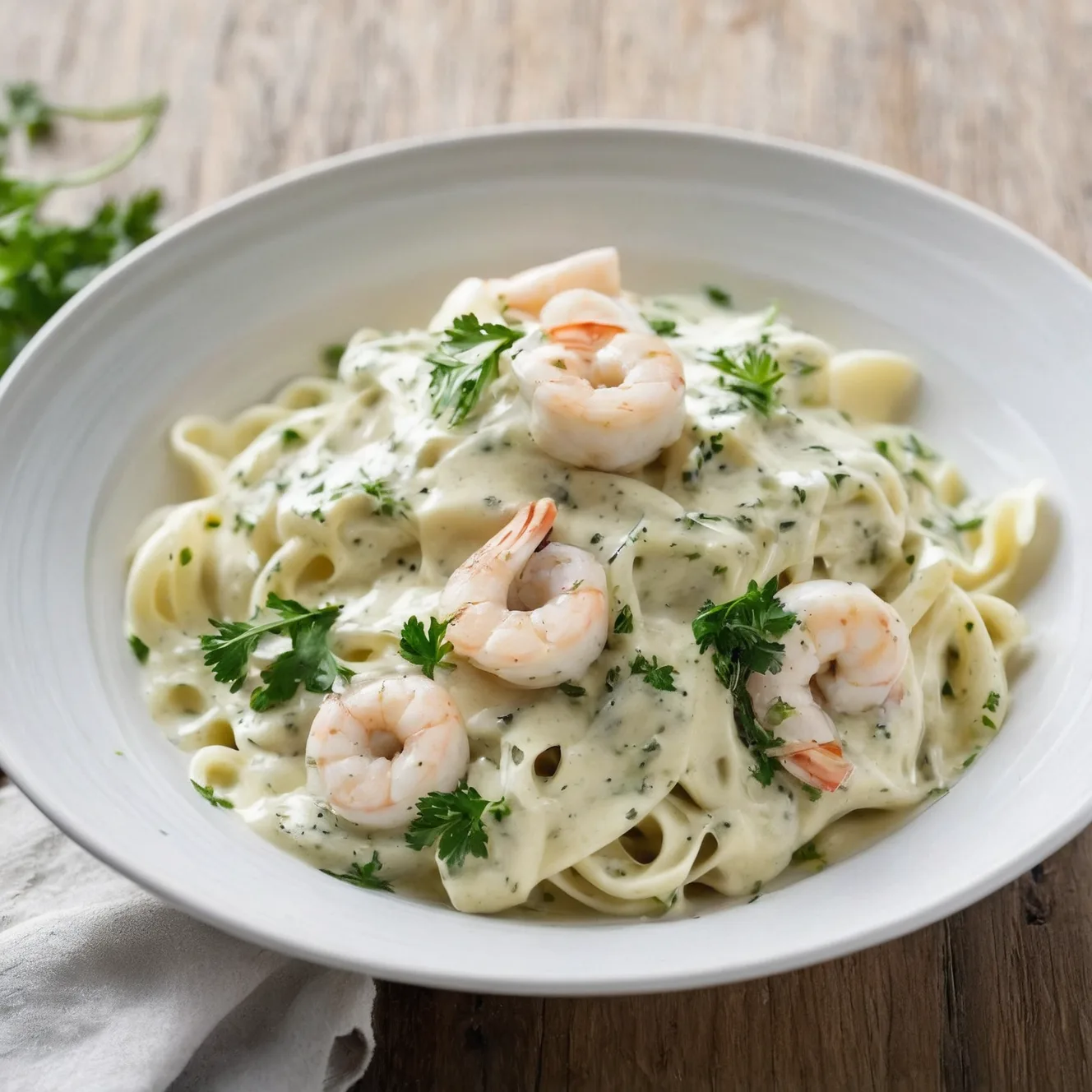
Shrimp Alfredo (Olive Garden’s second most popular Alfredo): Substitute 1 lb large shrimp (16/20 count, peeled and deveined) for the chicken. Season with Italian seasoning, salt, and pepper. Sear in butter 2 minutes per side until pink and just opaque — they’re done faster than chicken. Remove before making the sauce; return at the end when tossing with pasta. Don’t overcook; shrimp become rubbery above 145°F.
Five-Cheese Alfredo: Add 2 tablespoons cream cheese (softened) and 2 tablespoons shredded mozzarella along with the Parmesan and Romano at the off-heat step. The cream cheese adds body and tanginess; the mozzarella adds stretch. This produces a noticeably richer, heavier sauce than the base recipe.
Broccoli Alfredo: Add 2 cups of broccoli florets to the cream for the last 2 minutes of simmering — they cook in the sauce and absorb its flavor. Makes the dish substantially more filling and adds meaningful vegetable content without a separate step.
Spicy Chicken Alfredo: Add 1/4 to 1/2 teaspoon of Calabrian chili paste or red pepper flakes with the garlic. The heat cuts through the richness and pairs well with the salty Romano.
Storage and Reheating
Refrigerator: Store in an airtight container up to 3 days. The sauce will solidify as it cools.
Reheating: Add a splash of heavy cream or milk (2–3 tablespoons per serving) to the container and warm over low heat, stirring constantly. High heat causes the emulsion to break — fat separates to the top, cheese turns grainy. Low and slow is the only way to bring it back. Microwave reheating works in short 30-second bursts with stirring between each, but produces less even results than stovetop.
Freeze: Not recommended. The cream sauce separates badly when frozen and thawed; the texture never returns to smooth.
Cost Breakdown
| Item | Approx. cost |
|---|---|
| 1 lb fettuccine | $2 |
| 2 chicken breasts | $6–8 |
| Heavy cream (1 pint) | $4 |
| Parmesan + Romano blocks | $5–6 |
| Butter, garlic, herbs | ~$1 |
| Total (serves 4) | ~$18–21 |
| Per serving | ~$5 |
Olive Garden’s dinner Chicken Alfredo runs $19–22 per plate. This recipe costs about the same to make a full batch for four people.
More Olive Garden Pasta Recipes
The Chicken Alfredo is the bestseller, but the same sauce technique applies across the menu:
- Olive Garden Fettuccine Alfredo — the same sauce without the chicken, when you want the Parmesan-Romano cream to be the star. The Roman-vs.-American backstory applies in full here.
- Olive Garden Chicken Scampi — garlic white wine cream sauce with bell peppers. Similar saucing approach (cream + cheese off heat) but a completely different flavor profile.
- Olive Garden Chicken Marsala — mushroom and Marsala wine pan sauce over chicken, no cream in the base. The technique-forward approach from the chicken prep section transfers directly.
- Olive Garden Breadsticks — the garlic butter brush and the soft-pull texture. Make them alongside; they absorb the Alfredo sauce better than any other bread.
- Olive Garden Chicken Gnocchi Soup — uses the same chicken prep and similar cream-based thickening, in soup form. The off-heat cheese rule doesn’t apply here (no Parmesan in the soup base) but the chicken technique carries over.
See all Olive Garden copycat recipes →