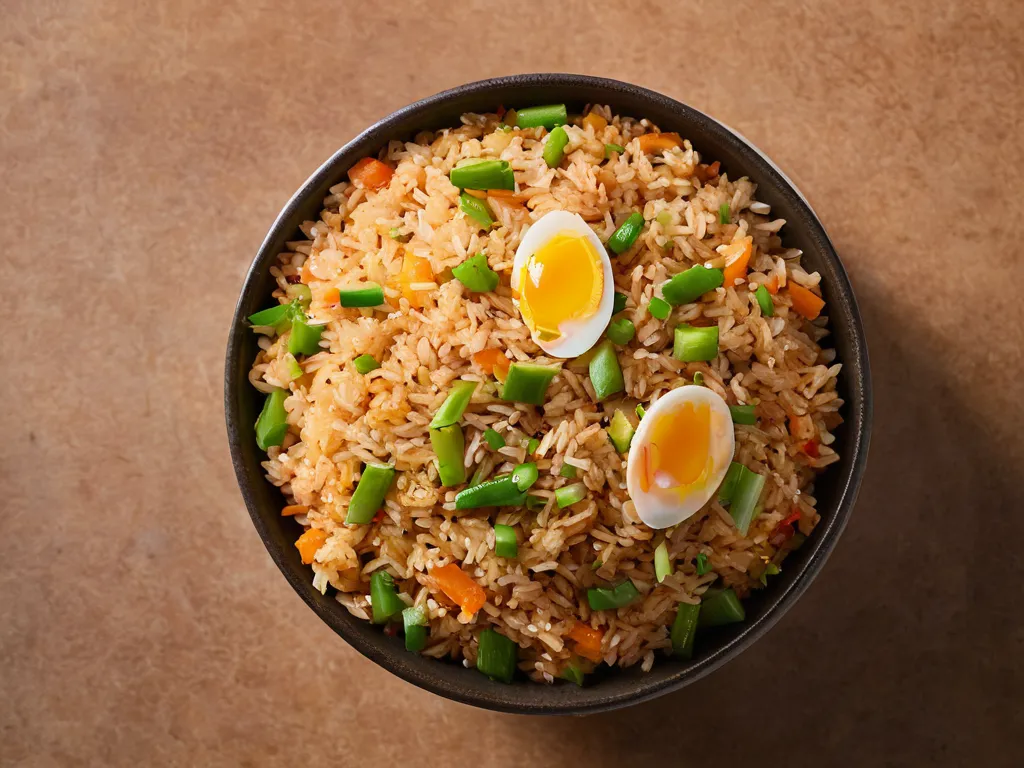
Copycat Panda Express Fried Rice
Panda Express Fried Rice is the side that ties a Panda plate together. It is not elaborate — day-old jasmine rice, eggs, peas, carrots, green onions, and a clean soy-sesame sauce. But the technique is easy to get wrong, and the restaurant version’s consistency comes from two things that many home recipes miss: genuinely dry day-old rice pressed hard against a very hot pan, and a restraint with the sauce that keeps the rice tasting like rice rather than like soy sauce over grains.
A full restaurant serving (11 oz) runs about 620 calories and 850mg sodium. A home portion from this recipe — about 9 oz — comes in at roughly 370 calories and 710mg sodium, using slightly leaner sauce proportions and a larger rice-to-sauce ratio than the restaurant version.
TL;DR
Day-old cold jasmine rice, eggs cooked separately and added back at the end, peas and carrots, green onions, soy sauce, and sesame oil. No oyster sauce in the official Panda recipe — allergen data confirms shellfish only as cross-contact from shared equipment, not as an ingredient. Press rice flat against a smoking-hot wok for 45 seconds, then toss; repeat the cycle for 3–4 minutes. Price at Panda: approximately $3.15–$3.30 for a standalone side. Home cost: about $0.80–$1.00 per serving.
What Is Actually in Panda Express Fried Rice
The official Panda Express ingredient list for Fried Rice covers jasmine rice, scrambled eggs, frozen peas, diced carrots, green onions, soybean oil, soy sauce (wheat + soy), and sesame oil. The published allergen data lists wheat, soy, eggs, and sesame as ingredient allergens — shellfish appears only under cross-contact, meaning it is a risk from shared cooking equipment rather than a recipe component.
This matters because oyster sauce (a shellfish-derived condiment) appears in nearly every copycat Fried Rice recipe on the internet, including many labeled “official copycat.” If oyster sauce were an ingredient in Panda’s formula, shellfish would be listed as an ingredient allergen rather than a cross-contact-only risk. It is not. The clean soy-and-sesame sauce you taste at the restaurant is built without it.
This recipe includes oyster sauce as an explicitly optional enhancement — it does add umami depth and makes the home version richer. But if you want the flavor that matches what comes out of the Panda wok, use only soy sauce and sesame oil.
| Component | Official Panda Ingredient | Notes |
|---|---|---|
| Base | Jasmine rice (day-old) | Cooked rice held for service |
| Protein | Scrambled eggs | Cooked separately, folded in last |
| Vegetables | Peas, diced carrots | Frozen, thawed |
| Aromatics | Green onions | Added off-heat |
| Oil | Soybean oil | For wok frying |
| Sauce | Soy sauce, sesame oil | No oyster sauce in official formula |
| Seasoning | White pepper, salt | Subtle background heat |
Official vs. Home Nutrition
| Restaurant (11 oz) | Home recipe (~9 oz, 1 serving) | |
|---|---|---|
| Calories | 620 | ~370 |
| Protein | 13g | ~12g |
| Carbohydrates | 101g | ~46g |
| Fat | 19g | ~13g |
| Sodium | 850mg | ~710mg |
The restaurant portion is nearly double the carbs of the home version primarily because a Panda Express side is 11 oz — about two generous cups of cooked rice — while this recipe divides into four portions from 4 cups of cooked rice, yielding roughly 9 oz each. If you scale this recipe to restaurant-size portions, the nutrition tracks closely. The home version also runs leaner at an equal weight: a 9.3 oz restaurant side portion is about 520 calories, versus roughly 370 for a 9 oz home serving, because Panda uses more soybean oil per batch than this recipe does.
What Panda Express Fried Rice Costs (and What It Costs to Make)
A standalone side of Panda Express Fried Rice runs about $3.15–$3.30 depending on location, with the larger side portion around $5.75 and a family-size around $10. Fried rice is also included at no extra charge as the base of a Bowl (from ~$9.30) or Plate (from ~$11.10).
Making it at home costs roughly $0.80–$1.00 per serving — about 2 cups of dry jasmine rice, three eggs, a bag of frozen peas and carrots, green onions, and pantry soy sauce and sesame oil. One batch yields four servings for under $4 total, or about the price of a single restaurant side. Prices vary by region; check the Panda Express app for your local pricing.
Why Day-Old Rice Is Non-Negotiable
Freshly cooked rice holds water inside each grain and on its surface. When wet rice hits a hot wok, the surface moisture flashes to steam, the grains clump together under the steam pressure, and the texture becomes sticky and dense rather than discrete and golden. The rice sticks to the pan, the sauce doesn’t distribute evenly, and the result tastes more like damp reheated rice than fried rice.
Day-old rice — held uncovered in the refrigerator — loses most of its surface moisture overnight. The starch on each grain firms into a dry, slightly rough exterior. When this hits a hot, oiled wok, the grains make direct metal-to-grain contact, the surface starches toast, and each grain develops the faint crust and slight chew that makes fried rice satisfying.
If you do not have day-old rice, there are two workarounds that remove enough surface moisture to work:
- Spread freshly cooked rice on a sheet pan in a thin layer and refrigerate uncovered for 2+ hours
- Spread on a sheet pan and dry in a 200°F oven for 20–25 minutes with the door slightly ajar
Neither is as good as genuinely overnight-refrigerated rice, but both work significantly better than using rice straight from the rice cooker.
The Egg Technique: Cook Separately, Add Last
Most fried rice recipes scramble the eggs directly into the rice, which produces pale, overcooked egg bits embedded invisibly in the grains. Panda Express keeps the eggs as visible, distinct, soft curds distributed throughout — which requires cooking them separately and adding them back at the very end.
The method: heat oil in the wok until it moves like water (not shimmering, visibly liquid), pour in beaten eggs, and scramble for no more than 30–40 seconds until just set and still slightly wet. Transfer immediately to a plate. The eggs finish cooking from residual heat on the plate and again briefly when returned to the wok at the end. Leaving them slightly underdone at each stage prevents the rubbery egg-bit texture that mars most home versions.
Keeping the egg pieces larger — breaking the scramble into rough chunks rather than rice-grain-sized bits — also helps with texture and makes the egg component more present in each bite.
Fried Rice or Chow Mein: Which Side to Order
Both are Panda’s primary side dishes. The nutritional difference is smaller than most people expect: 620 vs. 600 calories per 11 oz serving, with Panda Express Chow Mein slightly higher in fat (23g vs. 19g) and the Fried Rice higher in carbohydrates (101g vs. 94g).
The practical differences:
Choose Fried Rice if:
- You want a more neutral-flavored base that does not compete with strong-sauced entrees like Orange Chicken or Beijing Beef
- You are meal prepping — fried rice holds 4 days in the refrigerator without texture loss
- You want a slightly higher egg-protein component (scrambled eggs are embedded throughout)
Choose Chow Mein if:
- You prefer noodle texture over rice texture
- You want more vegetable volume — chow mein includes cabbage, celery, and onion versus the peas and carrots in fried rice
- You are eating immediately — chow mein’s noodles soften noticeably after 24 hours in the refrigerator
For pairing specifically with String Bean Chicken Breast or Broccoli Beef, fried rice is the better match — those entrees have clean, savory sauces that complement rather than fight the fried rice’s character.
Common Mistakes
Not getting the wok hot enough. If the oil does not move like water when you tilt the pan — visibly quick and liquid, not just shimmering — the wok is not hot enough. Add the rice anyway and you will steam instead of fry.
Stirring constantly. Fried rice is not a stir-fry. Press the rice flat, leave it, wait 45 seconds, then toss. Repeat. Constant motion prevents the grains from ever making sustained hot-surface contact, so they never develop that toasty crust.
Adding soy sauce directly over the center of the pan. The center of a home wok is the coolest zone. Sauce poured into the center takes too long to heat up and creates a steaming puddle under the rice. Pour the sauce around the perimeter — the rim of the wok is the hottest zone — so it flash-heats for a second before getting tossed through the rice.
Overcrowding the pan. Four cups of rice is about the maximum for a standard 14-inch wok over a home burner. More than that and the pan temperature drops below frying threshold. If you want to double the recipe, cook in two batches — it takes an extra 5 minutes and makes a much better dish.
Storage and Reheating
Fried rice keeps well refrigerated for up to 4 days in an airtight container — one of its genuine advantages over chow mein, which softens noticeably within 24 hours. The fried rice actually improves slightly on days 2 and 3 as the grains dry out further.
To reheat: spread in a skillet over medium-high heat with a half teaspoon of oil. Press flat and let it re-crisp for 2 minutes before tossing. The microwave works but produces softer results — if you use it, add a few drops of water, cover loosely, and heat for 90 seconds.
Fried rice freezes for up to 2 months. Thaw overnight in the refrigerator and reheat in a skillet rather than a microwave for the best texture.
More Panda Express Copycat Recipes
The fried rice works as the base for any of these entrees:
- Panda Express Orange Chicken — crispy fried chicken in a glossy citrus-soy glaze; the contrast of crispy orange chicken and soft fried rice is exactly what makes a Panda bowl satisfying
- Panda Express Kung Pao Chicken — Sichuan-style stir-fry with dried chilies and peanuts; spoon over fried rice for the full plate
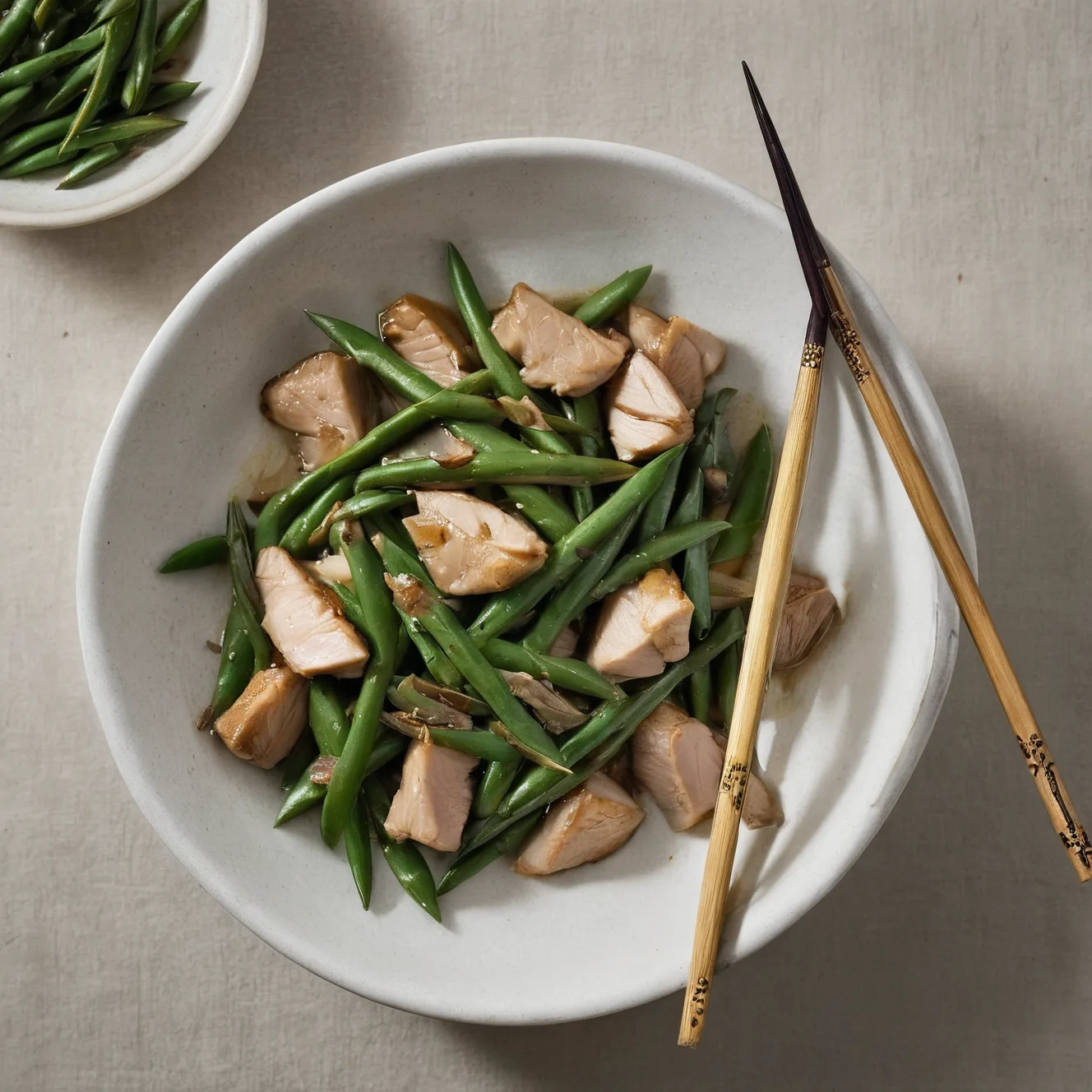
- Panda Express String Bean Chicken Breast — the lowest-calorie protein option at Panda; pairs naturally over fried rice for a balanced plate under 650 calories
- Panda Express Broccoli Beef — ginger-oyster sauce beef with tender-crisp broccoli; the sauce from the beef mixes well with the fried rice underneath
- Panda Express Honey Sesame Chicken Breast — sweet-and-sticky counterpoint to the savory fried rice base
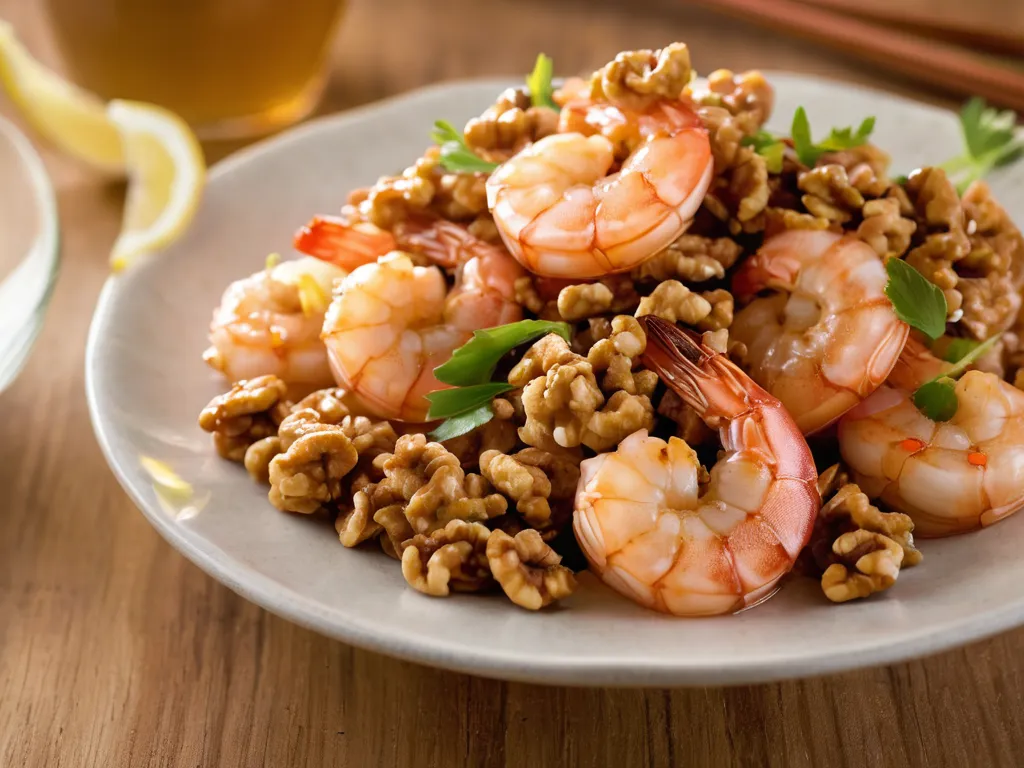
- Panda Express Walnut Shrimp — the richest Panda entree; fried rice tones down the sweetness of the walnut sauce
- Panda Express Chow Mein — if you want to understand the full Panda side-dish lineup, this is the direct comparison
See all Panda Express copycat recipes