Copycat Texas Roadhouse Chicken Critters
Prep time: 20 min + 30 min marinade Cook time: 20 min Servings: 4
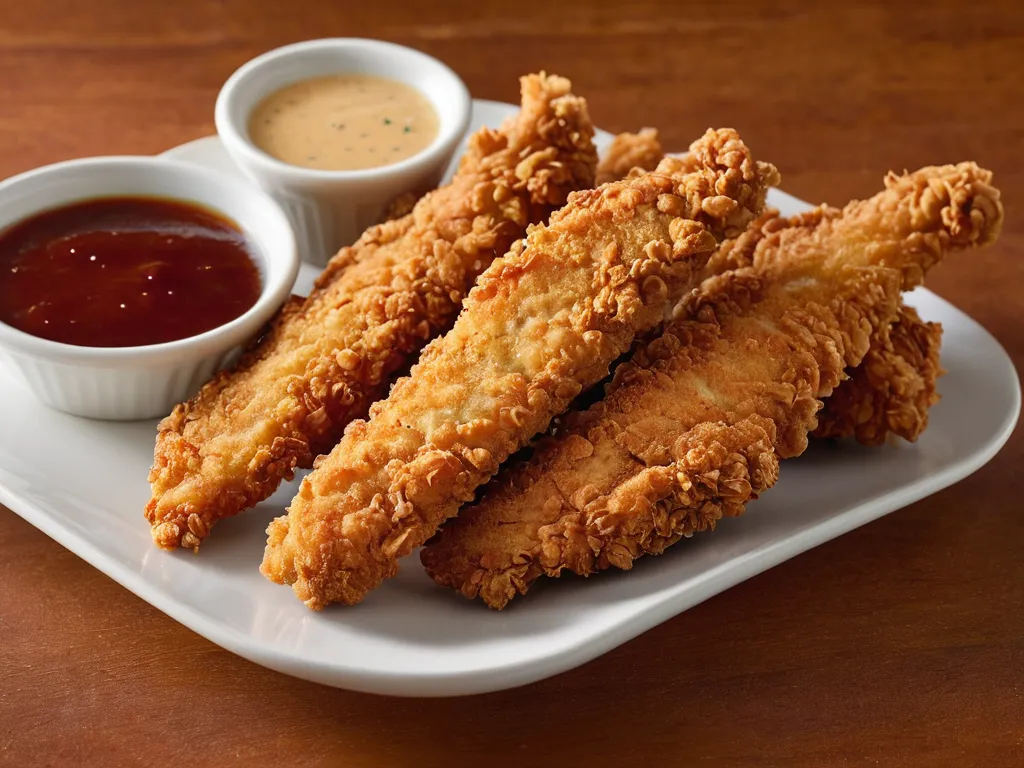
Texas Roadhouse Chicken Critters sit at the top of the chain’s menu for a reason: they are genuinely better than most restaurant chicken tenders. At the restaurant, a Critters dinner — five strips with dipping sauce and two sides — runs about $13–16 depending on location. At home, two pounds of chicken tenderloins, a jar of pickles, a bottle of hot sauce, and a bag of flour gets you the tenders for about $4 per serving, and you can fry a batch big enough to feed four.
The thing that separates Critters from generic chicken strips is the two-stage marinade. First, a citrus and pickle-juice bath — fork-scored chicken soaking in lemon juice, dill pickle brine, and Louisiana hot sauce for 30–60 minutes. Then the standard buttermilk coat before the flour dredge. And the detail most copycats miss: the same spice blend in all three stages, so the flavor builds through every layer instead of living only on the outside of the crust.
Cost Comparison: Home vs. Restaurant
| Texas Roadhouse | Homemade (4 servings) | |
|---|---|---|
| Critters dinner (5 strips + 2 sides) | $13–16 per person | — |
| Feed 4 people | $52–64 | ~$16–18 (tenders) |
| Per serving | ~$13–16 (with sides) | ~$4–5 (tenders only) |
The restaurant price includes two sides; the homemade figure is the tenders alone, so add a couple of dollars per person for sides at home and you’re still well under half the menu cost. The pickle brine is essentially free — it’s the leftover from a jar of dill pickles. The lemons are the biggest incremental cost; everything else is pantry staples.
What Makes Texas Roadhouse Chicken Critters Different
They use real tenderloins. The tenderloin is the small, naturally tender muscle tucked under the chicken breast — it’s already the right shape and thickness, requires no slicing, and cooks to a consistent result. Most fast-food chicken strips are sliced breast meat, which varies in thickness and requires more careful timing to avoid dry spots.
The pickle juice and citrus marinade. Former Texas Roadhouse employees have described a citrus-based marinade with pickle juice and hot sauce as the starting point for the Critters. The combination sounds odd but works: the lemon juice and pickle brine both contain acids that gently tenderize the chicken proteins, and the pickle brine adds a savory, faintly briny background note that you can taste in the finished crust without it reading as “pickle flavor.” The fork-scoring opens the surface so the marinade actually gets into the meat rather than just flavoring the outside.
The same spice blend everywhere. Making one batch of seasoning and dividing it across the marinade, the buttermilk coat, and the flour dredge is how Texas Roadhouse gets that layered, consistent flavor in every bite — not just the spicy surface hit you get from a single-stage seasoned-flour dredge.
Frying temperature discipline. At 350°F, the crust develops quickly without burning and the chicken has enough time to cook through without drying out. Oil significantly hotter than this over-browns the outside before the center is done; much cooler and the coating absorbs oil instead of crisping.
The Two-Stage Marinade, Explained
Most chicken tender recipes start with buttermilk. Texas Roadhouse starts with something sharper.
Stage 1 (the marinade): Pickle brine, lemon juice, hot sauce, oil, and spice blend. The fork scoring is not optional — without it, this marinade stays on the surface. With scoring, it penetrates the center of each tenderloin in 30 minutes. The result is chicken that tastes seasoned all the way through rather than just under the crust.
Stage 2 (the buttermilk coat): After patting the chicken dry (important — excess marinade makes the flour gummy), each piece gets a buttermilk, egg, and hot sauce bath with more spice blend. This layer is thicker and stickier than the marinade. Its job is to give the flour dredge something to grip.
Stage 3 (the flour dredge): All-purpose flour with the remaining spice blend. Press the flour firmly onto each piece rather than just rolling it through — you want it packed in, not dusted on. The 5-minute rest on a wire rack after dredging lets the flour hydrate slightly from the wet coat below, which prevents big flakes of coating from breaking off in the oil.
Tips & Variations
- Use the right chicken. Chicken tenderloins cook faster than strips of breast and have better texture in this application. Look for them in any grocery store — they’re usually near the breasts, sometimes labeled “chicken tenders” (the raw cut, not a finished product).
- Don’t skip the scoring. Poking the raw chicken with a fork before marinating makes a real difference in how much flavor the marinade contributes. Eight to ten jabs per tenderloin, not deep — you’re opening the surface, not tenderizing it by brute force.
- Keep oil temperature steady. Let the oil recover to 350°F between batches. A thermometer is cheaper than ruined chicken.
- Country Critters (gravy variation). Skip the dipping sauce and make a quick white gravy: whisk 3 tablespoons of pan drippings (or butter) with 3 tablespoons of flour in a small saucepan for 1 minute, pour in 1 1/2 cups whole milk, and whisk until thick, about 5 minutes. Season with salt, pepper, and a pinch of the same spice blend. Spoon over the Critters at the table.
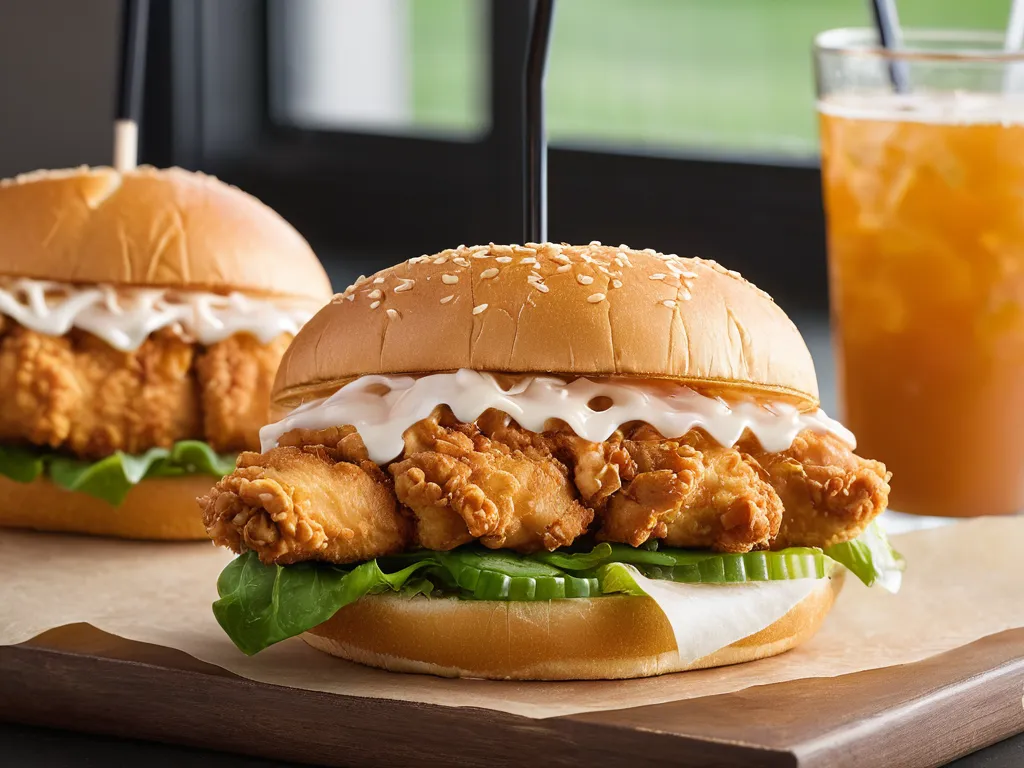
- Critters sandwich. A Critters sandwich (one or two tenders on a brioche bun with pickles and honey mustard) is an easy direction when you have leftovers.
What Changed in 2017
Loyal Texas Roadhouse customers noticed a change to Chicken Critters around 2017 — a petition was filed and online forums documented the complaints. The consensus was that the original critters had a crispier, more heavily seasoned coating with more pronounced flavor. The current version is somewhat milder and the crust slightly lighter. This copycat recipe leans toward the original: more spice in the flour, longer marinade time, and a firm press on the dredge to get a thicker, crunchier crust.
Storage & Reheating
Leftovers keep refrigerated for up to 3 days. The crust inevitably softens overnight. The best reheating method: a wire rack on a sheet pan in a 400°F oven for 8–10 minutes. This partially re-crisps the coating without drying out the chicken. A microwave works but produces a soft, steamed crust — acceptable if you don’t mind losing the texture.
More Texas Roadhouse Copycat Recipes
- Texas Roadhouse Rolls with Cinnamon Honey Butter — the warm yeast rolls that make people forget they ordered dinner; serve a basket alongside the Critters
- Texas Roadhouse Cinnamon Honey Butter — the compound butter for the rolls; takes 5 minutes and keeps in the fridge for two weeks
- Texas Roadhouse Rattlesnake Bites — deep-fried jalapeño and pepper-jack cheese balls; the right starter before the Critters