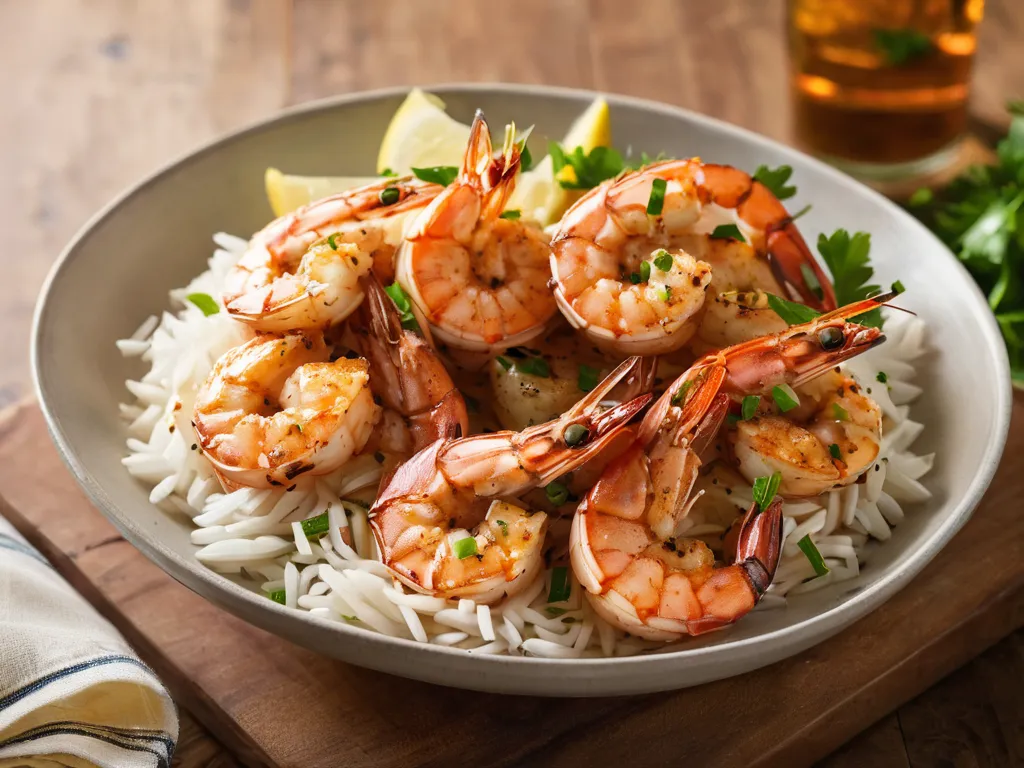
Copycat Texas Roadhouse Grilled Shrimp
Prep time: 15 min Cook time: 6 min Servings: 4
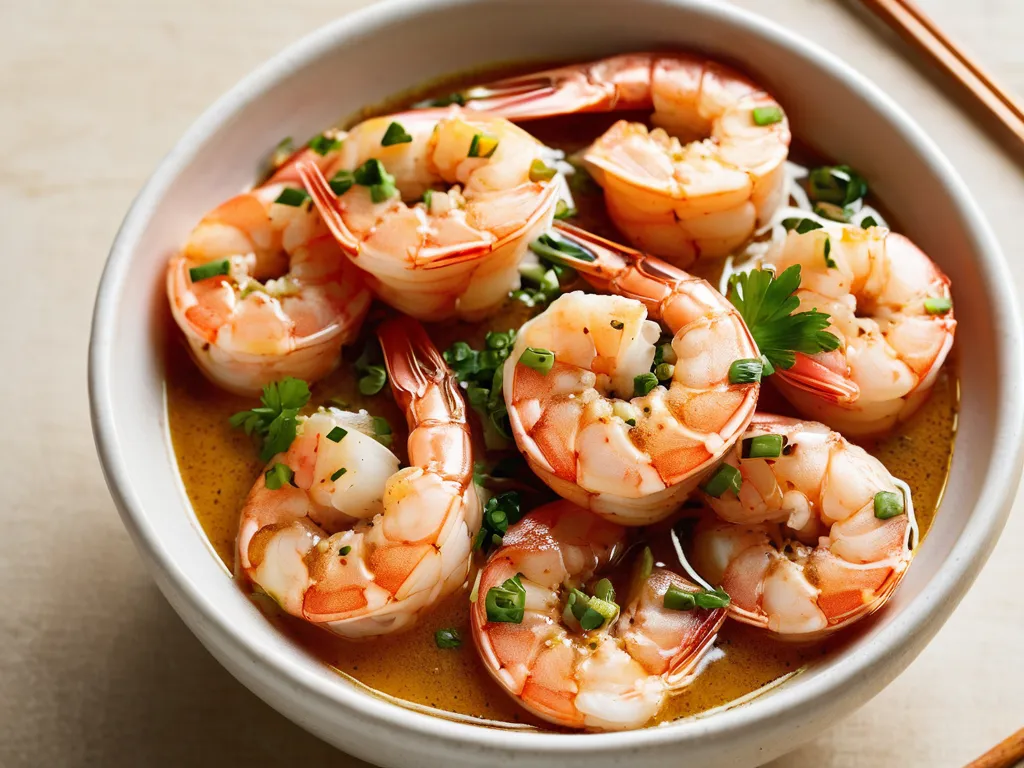
Texas Roadhouse is known for steaks, but their grilled shrimp holds its own as one of the most ordered items on the menu. Jumbo shrimp basted in garlic butter, kissed by a hot grill until they pick up smoky char marks, then served glistening and fragrant alongside a steak or on their own. It is a dish that looks and tastes far more involved than the 6 minutes it takes to cook.
The key to Texas Roadhouse’s grilled shrimp is simplicity. They do not bread them. They do not drown them in sauce. They season well, grill hot and fast, and finish with garlic butter. That is the whole technique, and it works because shrimp are naturally sweet, briny, and tender. Good seasoning and high heat are all you need to make them shine.
This recipe uses 16/20 count jumbo shrimp, which means 16 to 20 shrimp per pound. This size is large enough to handle the grill without overcooking in seconds and gives you a satisfying bite with real substance. Smaller shrimp can slip through grates and dry out before they develop any char.
Why Make It at Home?
An order of grilled shrimp at Texas Roadhouse runs $8 to $10 as an add-on and $18 to $22 as an entree, giving you around 6 to 8 shrimp. A pound and a half of jumbo shrimp from the grocery store costs $10 to $14 and feeds four people. You get roughly triple the shrimp for roughly the same price as a single restaurant order. Frozen wild-caught shrimp from warehouse stores drops the cost even further, down to about $8 per pound, without any sacrifice in quality since most “fresh” shrimp at the supermarket was previously frozen anyway.
What Makes Texas Roadhouse’s Grilled Shrimp So Good
The garlic butter is the backbone of this dish. Texas Roadhouse uses real butter with fresh garlic, not a seasoned oil or margarine blend. Butter carries flavor differently than oil — it coats the palate, melts slowly, and delivers that rich, rounded taste that makes each bite satisfying. Cooking the garlic briefly in the butter before using it as a baste softens the raw edge while preserving the punch.
The grill does the second half of the work. Shrimp have natural sugars that caramelize quickly at high temperatures, and the Maillard reaction on the surface proteins creates those dark grill marks that add smoky, savory depth. Grilling at 450 degrees F or above means each side needs only 2 to 3 minutes, which is short enough to keep the interior juicy.
Overcooking is the enemy. Shrimp go from perfectly done to rubbery in about 30 seconds. The visual cues are straightforward — the flesh turns from translucent gray to opaque white with pink edges, and the shrimp curls into a loose C shape. If it curls into an O, it is overcooked. Pull them the moment you see the C.
Tips & Variations
- Use a grill pan indoors. If you do not have an outdoor grill, a cast iron grill pan preheated over high heat for 5 minutes produces similar results with good char marks.
- Double-skewer for stability. Run two parallel skewers through each row of shrimp. This prevents them from spinning when you flip and ensures even cooking on both sides.
- Do not marinate too long. The acid in lemon juice starts to denature shrimp protein quickly. Fifteen minutes of seasoning time is plenty. More than 30 minutes and the texture starts to turn mushy.
- Try a spice crust. Add a teaspoon of brown sugar to the dry spice mix for a sweet-savory crust that caramelizes aggressively on the grill.
- Pair with steak. Serve four or five shrimp alongside a grilled ribeye for a surf-and-turf plate that matches the Texas Roadhouse experience at a fraction of the cost.
Storage & Reheating
Grilled shrimp keep in the refrigerator in an airtight container for up to 2 days. They are honestly best served cold the next day — toss them into a salad, pile them on a taco, or eat them straight from the container with a squeeze of lemon.
If you want them warm, reheat gently in a skillet over medium heat with a small pat of butter for about 1 to 2 minutes, just until warmed through. Do not re-grill or microwave them, as both methods will overcook the shrimp and turn them tough. The skillet method is quick and preserves the texture.