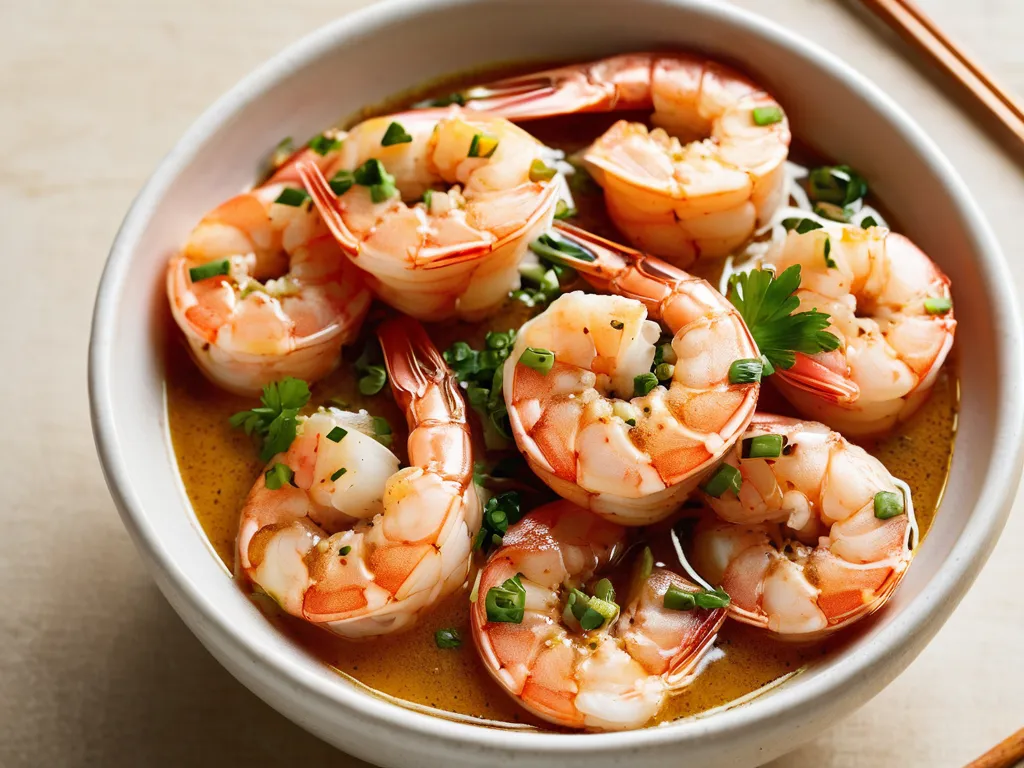
Copycat Benihana Garlic Butter Shrimp
Prep time: 10 min Cook time: 8 min Servings: 4
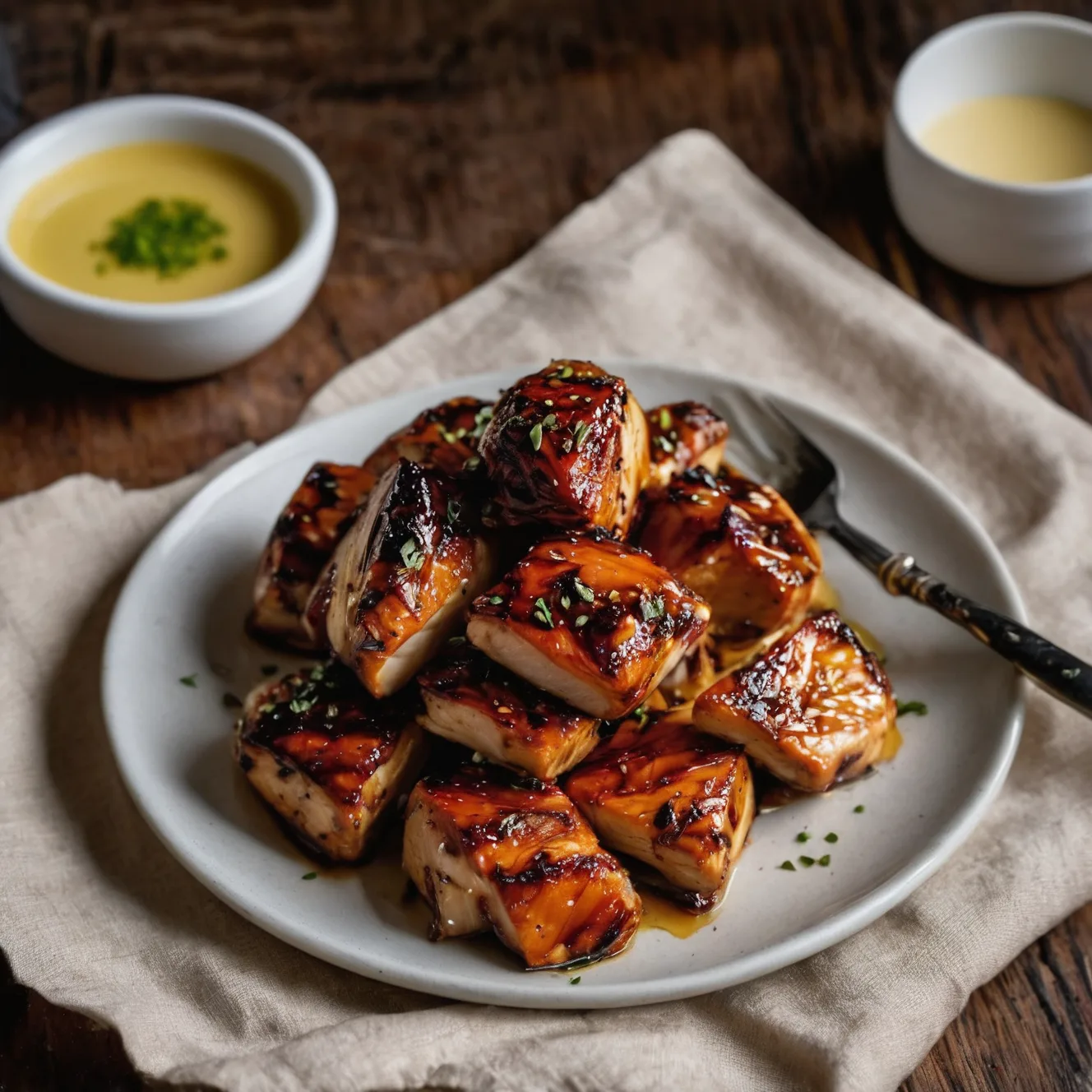
Benihana’s garlic butter shrimp is the fastest dish on the teppanyaki grill. The chef lays jumbo shrimp on the searing hot surface, adds a mound of butter and sliced garlic, and within two minutes the shrimp are pink, glistening, and swimming in a pool of golden garlic butter. A splash of soy sauce hits the griddle, caramelizes instantly, and glazes everything in a dark, savory coat. Lemon juice goes on last, cutting through the richness with a bright, clean finish.
This is the easiest Benihana recipe to replicate at home because shrimp cook fast and the technique is forgiving. Unlike steak, which can go from perfect to overdone in seconds, shrimp give you a clear visual cue — they curl into a C shape and turn opaque when done. The entire cooking process takes under 4 minutes of active skillet time. Pair this with fried rice and yum yum sauce, and you have a complete Benihana dinner at home for a fraction of the cost.
Why Make It at Home?
Benihana’s Hibachi Shrimp runs $24-$28 per person as an entree, plus the built-in costs of soup, salad, and the dining experience. With tax and tip, a shrimp dinner for two at Benihana easily exceeds $70. This recipe produces four generous servings for about $18 — roughly $4.50 per plate. That is a savings of around 75%.
Jumbo shrimp (16-20 count) cost $10-$12 per pound at most grocery stores, and this recipe uses 1.5 pounds. The remaining ingredients — butter, garlic, soy sauce, lemon — add another $3-$4 total. Even if you buy wild-caught shrimp at a premium, you are still spending less per serving than a single appetizer at Benihana. Buy frozen shrimp in bulk when they go on sale and the per-serving cost drops further.
What Makes Benihana’s Garlic Butter Shrimp So Good
The garlic-butter-soy combination is one of the most reliable flavor foundations in cooking, and Benihana executes it on the hottest surface in the restaurant. The butter goes onto the griddle at 500°F+, where it foams, sputters, and begins browning within seconds. The garlic slices cook in that browning butter, releasing allicin compounds that become sweet and nutty rather than sharp and pungent. By the time the garlic is golden, the butter has developed a toasted, almost hazelnut-like flavor that coats the shrimp.
Soy sauce on the hot griddle undergoes the same caramelization process as in the hibachi steak. The liquid evaporates, the sugars and amino acids concentrate, and what is left is a dark, sticky glaze with an umami intensity that straight soy sauce from the bottle cannot match. The shrimp roll through this glaze and pick it up on their seared surfaces, creating a layered coating of garlic butter and caramelized soy.
Lemon juice at the end is the move that prevents the dish from feeling heavy. Without it, the garlic butter and soy create a rich, salty, one-note flavor that fatigues the palate after a few bites. The acid from the lemon lifts everything, adds brightness, and creates a flavor arc where each bite starts rich and finishes clean. Benihana chefs squeeze lemon over the shrimp as a final step, and you should do the same — adding it earlier causes the acid to cook out and lose its sharpness.
Tips & Variations
- Dry the shrimp obsessively. Moisture on the shrimp surface creates steam, which prevents searing and produces rubbery, pale results. Two passes with paper towels, pressing firmly, is the minimum. Letting them sit uncovered on a paper towel-lined plate in the fridge for 30 minutes is even better.
- Slice the garlic, do not mince it. Thin slices cook more evenly in the foaming butter and add a visual element to the finished dish. Minced garlic burns quickly at these temperatures and turns bitter.
- Keep the tails on. They provide a handle for eating and add visual appeal on the plate. They also protect the tail end of the shrimp from overcooking.
- Add a splash of sake. Deglaze the pan with 2 tablespoons of sake before the soy sauce for an extra layer of flavor. Let it evaporate completely before adding the soy.
- Make it a surf and turf. Cook the hibachi steak recipe first, set it aside, then cook the shrimp in the same pan. The residual beef fond adds depth to the garlic butter.
Storage & Reheating
Shrimp are best eaten immediately. Reheated shrimp toughen quickly and lose the delicate texture that defines this dish. If you have leftovers, refrigerate in an airtight container for up to 1 day.
The best way to use leftover garlic butter shrimp is cold, not reheated. Chop them and toss into a salad, fold into a rice bowl at room temperature, or pile onto buttered toast for a quick lunch. If you must warm them, place in a skillet over medium heat for no more than 45 seconds per side — just enough to take the chill off. The garlic butter sauce will re-melt and serve as a built-in reheating medium. Do not microwave shrimp under any circumstances. The uneven heating produces chewy, rubbery spots that ruin the texture.