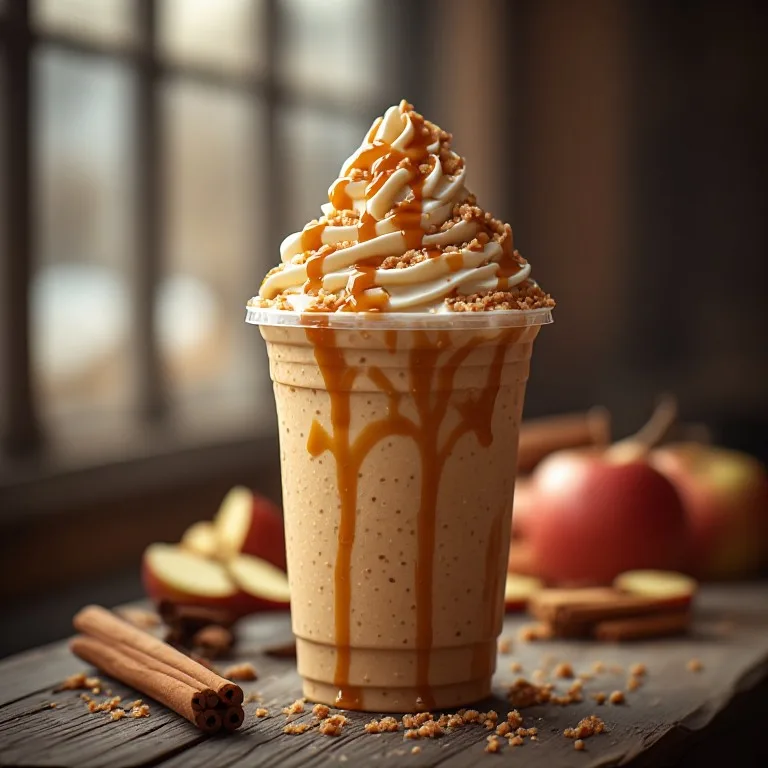



Tim Hortons brought back the Pumpkin Spice Iced Capp on August 12, 2026 — and if you’ve never had an Iced Capp before, it’s not what you expect from “iced coffee.” This is Tim Hortons’ signature frozen blended coffee drink: medium-roast coffee concentrate blended with cream and ice until thick, frosty, and closer to a milkshake than anything else at a coffee chain. The pumpkin spice version layers a pumpkin spice-flavored syrup into that base, topped with whipped cream and a spice drizzle.
The one thing that makes an Iced Capp different
Almost every other frozen coffee drink at a chain uses milk: Starbucks Frappuccinos use milk plus a sweetened base mix, Dunkin’ Frozen Coffee uses milk and ice, McDonald’s Frappes use milk-based mixes. The Tim Hortons Iced Capp uses cream — heavy table cream in Canada, a cream-based blend in the U.S. — and that single difference is what makes it thick, opaque, and frosty rather than thin and icy.
At home, the rule is the same: use heavy cream (30–36% fat, minimum). If you substitute half-and-half or whole milk, you’ll get iced coffee, not an Iced Capp. The fat in heavy cream doesn’t freeze solid when blended — it coats the ice crystals and produces a smooth, thick, almost molten texture that holds its consistency as you drink it.
The home upgrade: real pumpkin instead of flavored syrup
Tim Hortons’ Pumpkin Spice Iced Capp is made with a pumpkin spice-flavored syrup — cinnamon, nutmeg, and clove flavor, but no actual pumpkin. That’s standard for chain fall drinks; Starbucks’ PSL was pumpkin-free until 2015.
The home version flips this. Pure canned pumpkin purée — the plain, single-ingredient kind with nothing added — is thick, neutral in flavor, and acts as a functional thickener when blended with cold liquid. Two tablespoons blended into the drink does two things at once: it contributes a genuine earthy-sweet pumpkin note that no syrup can fully replicate, and it makes the finished drink noticeably thicker than the store version.
The result looks different too — a warm orange-brown instead of pale beige — and the pumpkin spice flavor integrates through the whole drink rather than sitting on top as a finish.
Making cold brew concentrate at home
The Iced Capp base requires strong coffee, not regular drip. Cold brew concentrate is the easiest approach: coarsely ground medium-roast coffee steeped in cold water for 12–20 hours, then strained. You use twice the normal coffee-to-water ratio, which produces a concentrate roughly double the strength of drip coffee.
If you don’t have time for cold brew, the fastest shortcut is instant espresso powder: two tablespoons dissolved in half a cup of cold water makes an adequate substitute. A Moka pot brewed strong and chilled works too. What doesn’t work is standard drip coffee at normal strength — it’s too weak to stand up to the cream and ice without disappearing completely.
Flavor and size comparison
| Size | Tim Hortons (cream-based) | Home version (heavy cream + real pumpkin) |
|---|---|---|
| Small (12 oz) | ~361 cal | ~260 cal |
| Medium (16 oz) | ~470 cal | ~330 cal |
| Large (20 oz) | ~594 cal | ~430 cal |
The home version runs lower in calories primarily because it uses less sweetener than the chain’s pumpkin spice syrup. You can dial the maple syrup up or down to match your preference — 2 tablespoons makes a noticeably sweeter drink that’s closer to the chain; 1 tablespoon lets the coffee and pumpkin carry more.
Tim Hortons’ fall 2026 pumpkin lineup
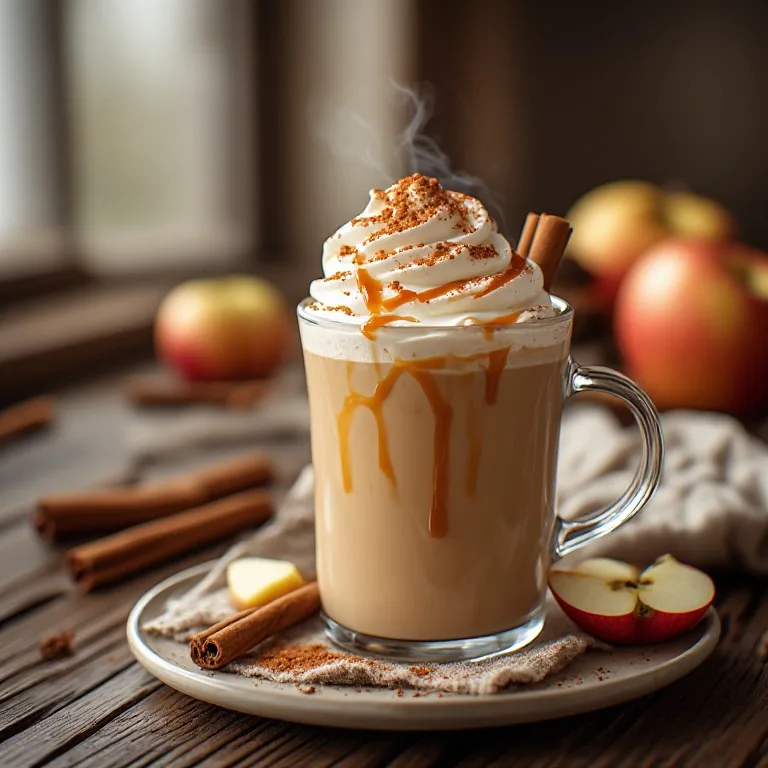
The Pumpkin Spice Iced Capp returned alongside the Pumpkin Spice Latte (hot or iced, espresso-based), the Pumpkin Spice Cold Brew (pumpkin-flavored cold brew steeped 16 hours, finished with cold foam — no blending, lighter body), and a new Cinnamon Caramel Apple line (Latte, Iced Latte, and Coffee) — all launching August 12. The three pumpkin drinks serve genuinely different needs: the Latte is classic warm spiced espresso, the Cold Brew is lighter and more caffeinated, and the Iced Capp is the frozen, indulgent option for when you want something closer to a dessert than a coffee drink.