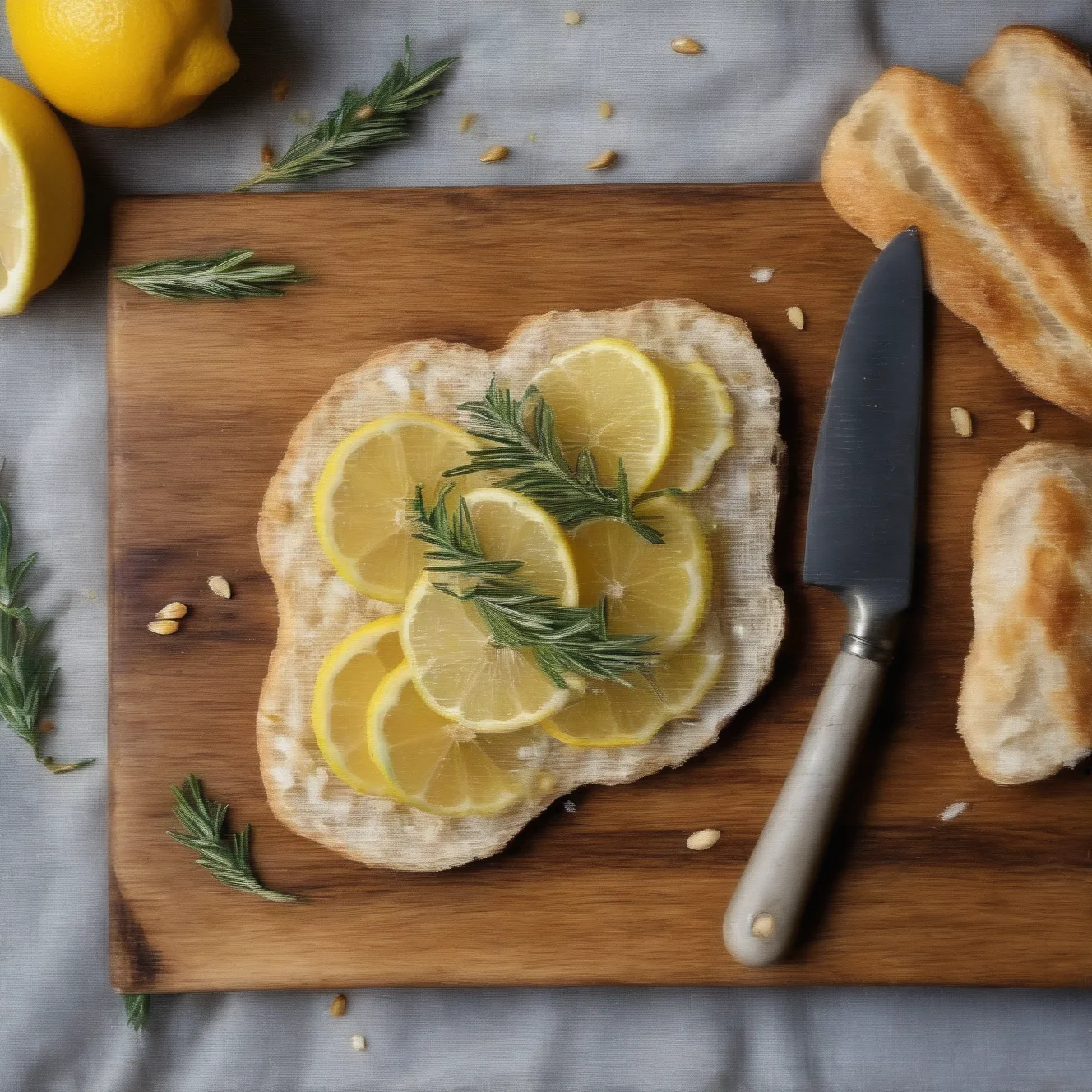
When food creator Justine Doiron (@justine_snacks) posted a video on September 16, 2022 of herself spreading butter across a wooden board and topping it with honey and herbs, the internet couldn’t decide if it was genius or disgusting. It hit 7.6 million views in days. Doiron credited the idea to chef Joshua McFadden’s 2017 cookbook Six Seasons — which means butter boards were already a restaurant technique before TikTok discovered them.
The result: a 15-minute appetizer that costs $12–18 to feed 8 people and looks like it took real effort.
Why It Works
A butter board is a charcuterie board stripped to its essential logic. Instead of juggling 12 ingredients at three different price points, you start with one: high-quality softened butter. The butter becomes a canvas for contrasting flavors — sweet honey, sharp flaky salt, herby rosemary, nutty pine nuts, bright lemon zest. Every swipe of bread pulls a slightly different ratio of those flavors, and no two bites are the same.
The key insight is that butter is already one of the most umami-friendly, fat-soluble flavor carriers in cooking. Toppings dissolve into it slightly as you eat, creating depth a bowl of dip never achieves.
The Technique: Temperature Is Everything
The single most important step is properly softened butter. You want it at 65–68°F: it should hold its shape on the board but spread smoothly under the spatula. Too cold and it tears, leaving uneven coverage. Too warm and it pools, especially if your board has any tilt.
Test it by pressing your thumb into the stick — it should leave a clean indent with no resistance. If it leaves a greasy smear, it’s too soft; give it 10 minutes in a cooler spot.
Board choice matters too. Marble stays cold longer and keeps butter from melting on warm days — the preferred choice for summer. Wood gives a rustic look and is more forgiving in terms of warmth. Chilling a wood board in the refrigerator for 15 minutes before spreading extends the window significantly.
Food Safety: What the Debate Was Actually About
The “controversy” that followed the viral video was mostly about communal food, not real safety risk. Food science is clear: butter’s 80%+ fat content makes it a hostile environment for bacterial growth. The FDA and USDA both say salted butter is safe at room temperature for 1–2 days at temperatures below 70°F.
For a 2-hour party, a butter board poses minimal food safety risk — especially if you use salted butter or add a pinch of flaky salt. The wooden board question (bacteria in wood grain) applies mainly to raw meat and poultry prep, not to a butter board. If you’re using a wooden board that hasn’t been used for raw proteins, you’re fine.
The real food safety rule: keep the board below 70°F (don’t set it next to a stove or heat source) and don’t leave it out overnight.
6 Variations Worth Making
Everything bagel — swap the rosemary for 2 tbsp everything bagel seasoning, skip the pine nuts, add cream cheese dollops alongside the butter for a schmear hybrid.
Hot honey + Calabrian chili — use hot honey (Mike’s Hot Honey works well) and add ½ tsp crushed Calabrian chili or red pepper flakes; good with a sourdough that has some chew.
Cinnamon sugar (sweet) — swap savory toppings for 1 tbsp brown sugar, 1 tsp cinnamon, sliced apples on the side; pair with a soft milk bread or Hawaiian rolls.
Italian board — sun-dried tomatoes (drained), fresh basil chiffonade, a drizzle of balsamic glaze, microplane of parmesan over the top; serve with focaccia.
Blue cheese compound — fold 2 oz crumbled blue cheese into the butter before spreading, top with honey and candied walnuts; this works as a sophisticated cheese course substitute.
Whipped ricotta board — replace half the butter with whole-milk ricotta, whip together, spread; lower in fat and pairs better with vegetables alongside the bread.
Make-Ahead and Storage
Spread the butter on the board up to 4 hours ahead, cover with plastic wrap, and refrigerate. Pull it out 30 minutes before serving. Add honey and fresh herbs only when ready to serve — rosemary releases oils into cold butter and wilts, and honey crystallizes against cold surfaces.
Leftover board butter scrapes cleanly into a bowl, covers, and keeps refrigerated for up to a week. Use it for toast, scrambled eggs, or as finishing butter on pasta.
Cost Comparison
| Item | Cost (serves 8) |
|---|---|
| Butter board (this recipe) | $12–18 |
| Basic charcuterie board | $45–75 |
| Restaurant charcuterie | $35–60 |
The butter board’s price advantage is real — a stick of good European-style butter runs $3–5, and the toppings add another $8–12. That’s 25–30% of a full charcuterie spread for a comparable wow-factor at a dinner party.
More Viral TikTok Appetizers
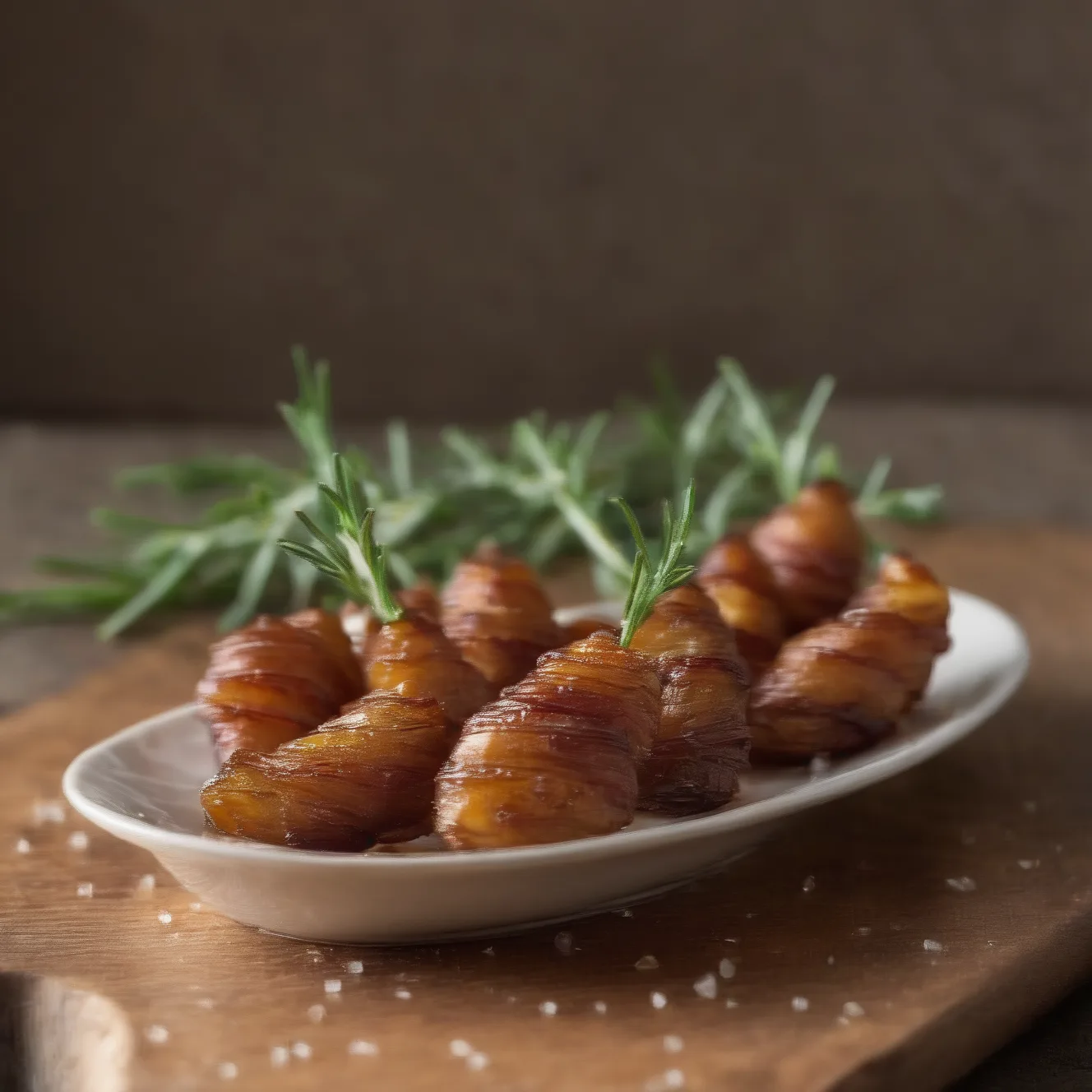
- TikTok Bacon-Wrapped Dates — 5-ingredient stuffed dates that disappear faster than the butter board does.
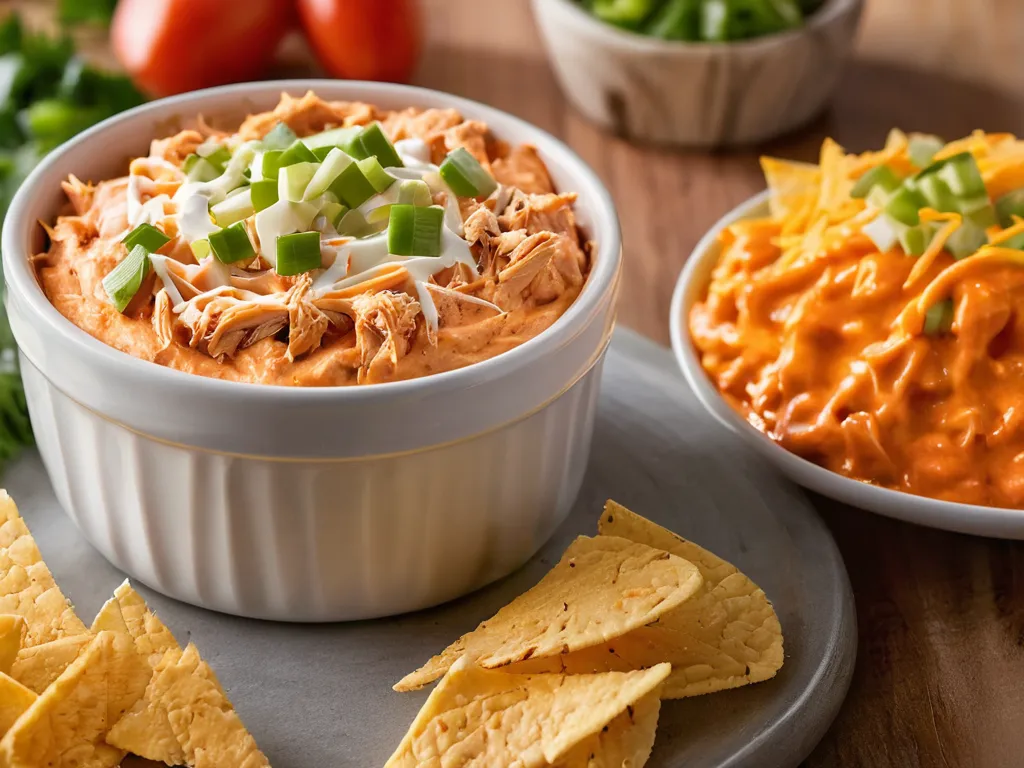
- TikTok Buffalo Chicken Dip — cream cheese base, shredded rotisserie chicken, Frank’s, baked until bubbly. The protein-forward alternative.
- TikTok Baked Feta Pasta — the recipe that started the whole “roast a block of cheese and add pasta” era.
See all viral TikTok recipes →